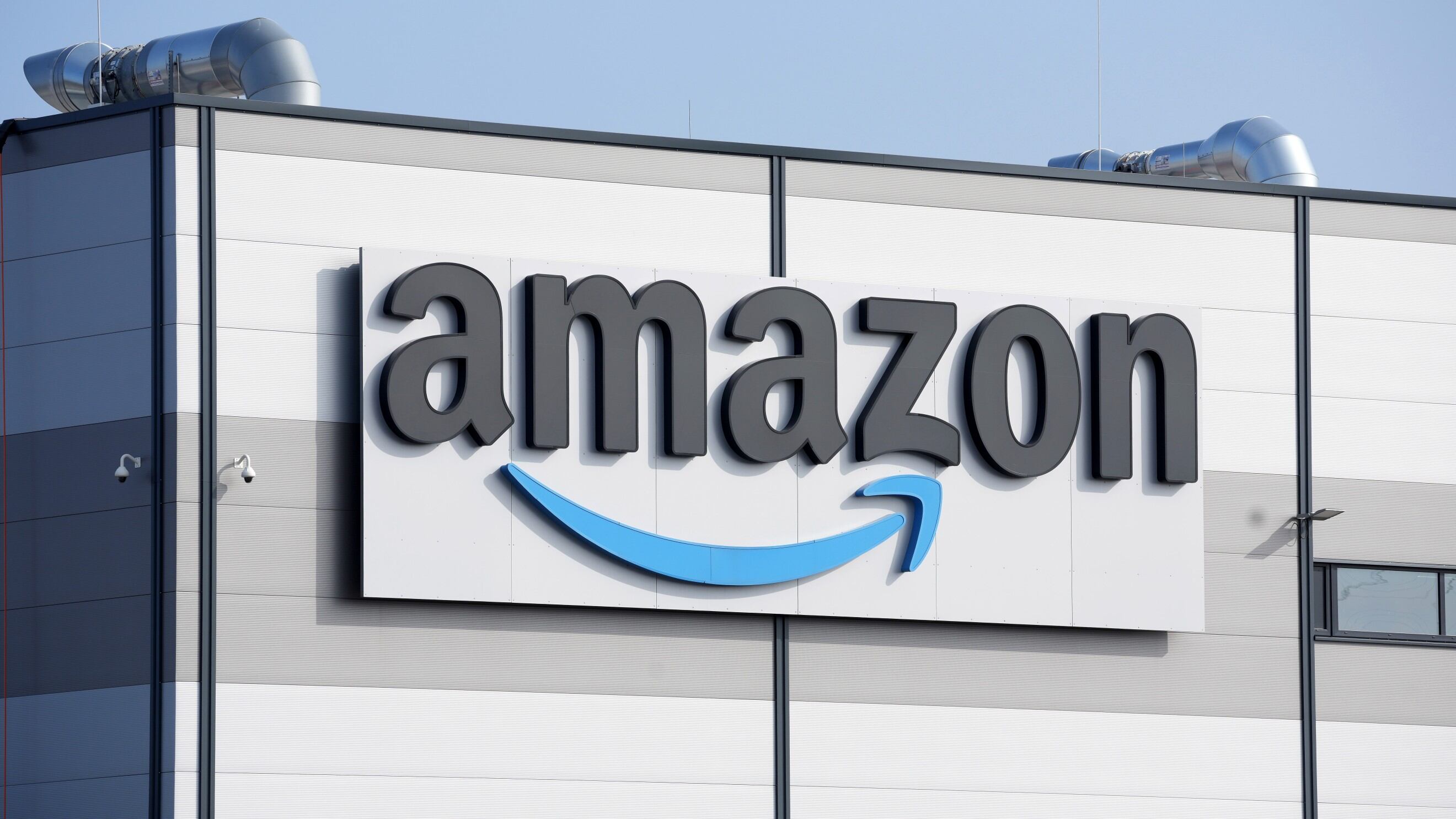
An Amazon company logo marks the facade of a building in Schoenefeld near Berlin, March 18, 2022. (AP Photo/Michael Sohn, File)
Amazon is taking another shot at becoming a regular health care source for customers with the launch of a service centered on virtual care.
The e-commerce giant says its Prime customers can now get quick access to a health care provider through a program that costs $9 a month or $99 annually.
The company has made a number of attempts to incorporate healthcare into its platform and has started building momentum after some initial setbacks.
The company announced in August that it was adding video telemedicine visits in all 50 states to a virtual clinic it launched last year.
Yet Amazon shut down a virtual health care service last year that it spent years developing, and it was part of a high-profile but failed push to address health care costs in a partnership with two other major companies, Berkshire Hathaway and JPMorgan.
Through the new service, patients will be able to connect virtually around the clock with care providers through its Prime One Medical membership program. The service includes video chats and an option to make in-person visits if there are One Medical locations near by.
The company said Wednesday that its membership fee covers the cost for the virtual visits. But customers would have to pay for any visits they make to the company’s One Medical primary care offices. They can use insurance for that.
Virtual care grew popular during the COVID-19 pandemic, and many health care providers have since expanded their telemedicine offerings. It has remained popular as a convenient way to check in with a doctor or deal with relatively minor health issues like pink eye.
While virtual visits can improve access to help, some doctors worry that they also lead to care fragmentation and can make it harder to track a patient’s overall health. That could happen if a patient has a regular doctor who doesn’t learn about the virtual visit from another provider.
Updated November 9, 2023 at 4:46 p.m. ET to add missing word in the seventh paragraph and correct "last summer" to "last year" in sixth paragraph.
The great meme stock frenzy of 2021 turned ordinary retail investors into big winners overnight. One of those traders, Jon Murray, is a graphic design artist who made $15,000 off his original investments in GameStop and AMC. He joined Cheddar to talk about how he first got started in investing and why he decided to put money into meme stocks.
The Omicron variant is raising concerns about how safe it is to travel, just as millions of Americans were getting ready to jet set away for the holidays. Scientists are still trying to understand how much protection vaccines offer against the new variant, and many questions remain unanswered. Sara Nelson, President of the Association of Flight Attendants, gives tips on how to travel safely and comments on the aviation industry's ongoing recovery from the pandemic.
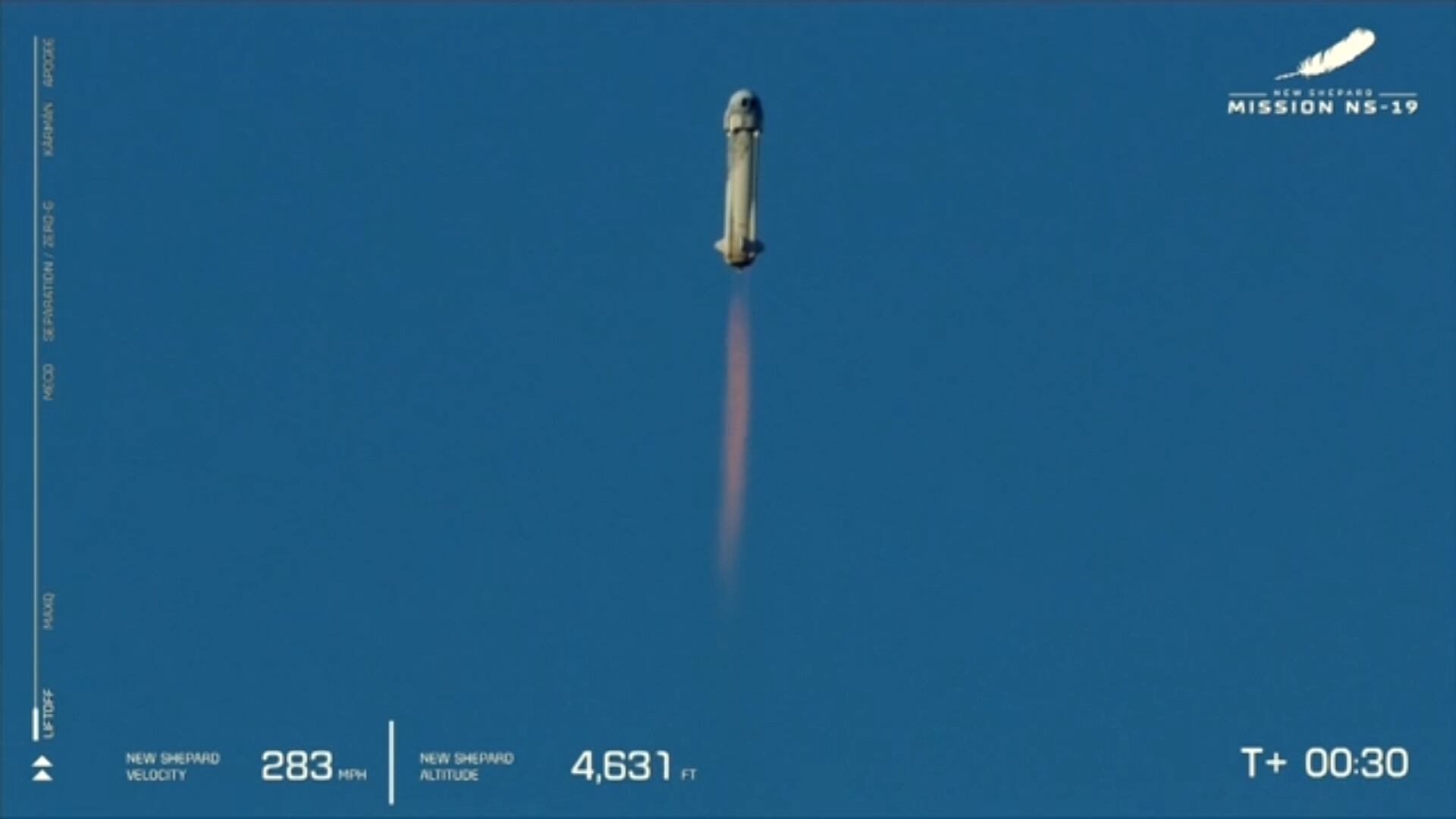
Another successful spaceflight is in the books for Jeff Bezos' Blue Origin. The company's third human spaceflight blasted off from Van Horn, TX. on Saturday, lasting about ten minutes from takeoff to landing. The crew, which included former NFL star and current GMA host Michael Strahan, traveled to the edge of space and experienced a few minutes of weightlessness before the capsule descended back to earth. Andrew Chanin, CEO of ProcureAM, joined Cheddar's Opening Bell to discuss the significance of the launch.
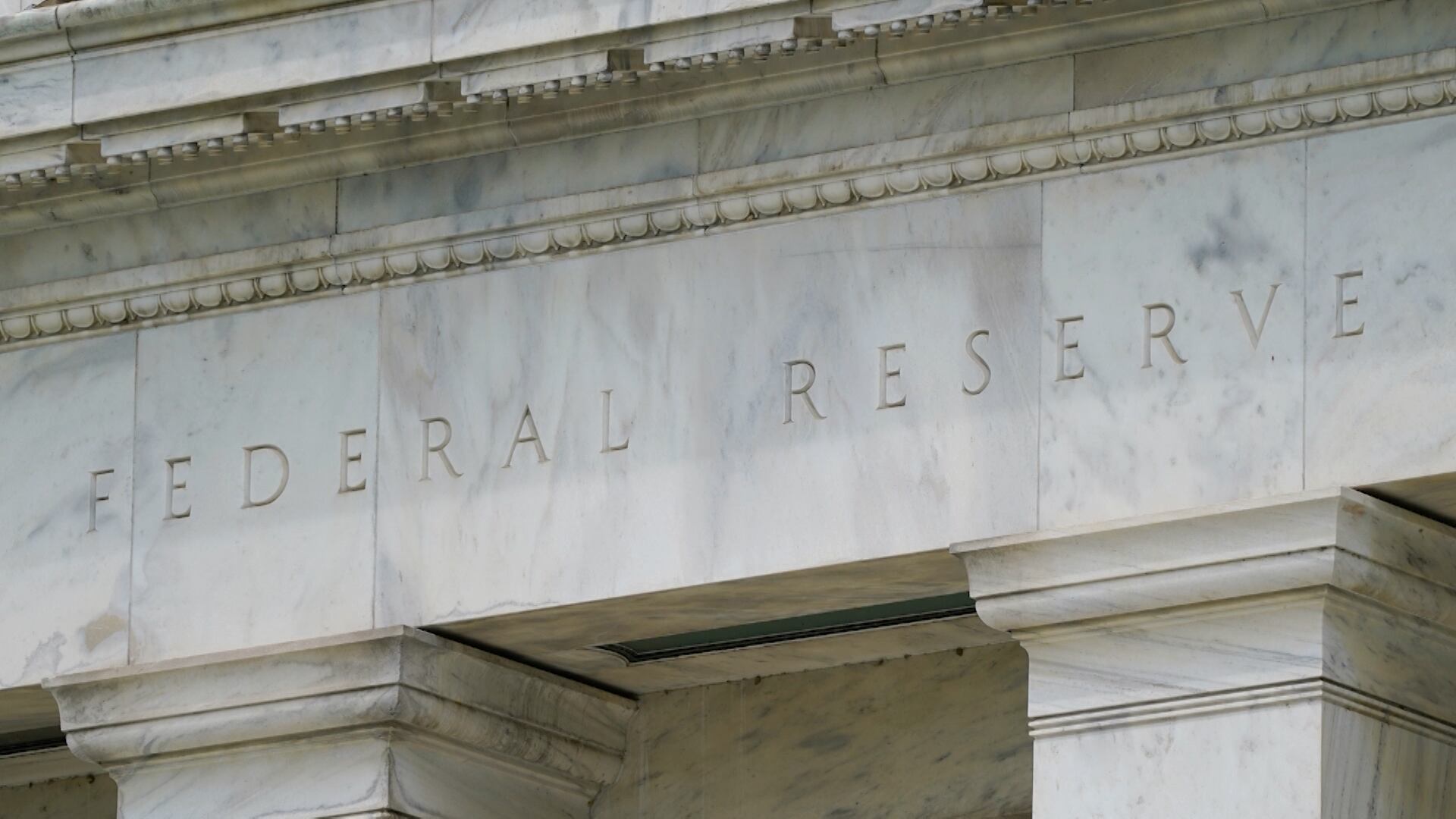
Chad Oviatt, Director of Investment Management at Huntington Private Bank, discusses inflationary concerns the Fed is keeping an eye on and what November's lower-than-expected rise in retail sales means for consumer spending.
After nearly two years of the pandemic, U.S. consumers are ready to spend big this holiday season. However, shoppers may be faced with limited inventory as the U.S. continues to face shortages of key products and extended order backlogs. Per Hong, partner at consulting firm Kearney, joined Cheddar's Opening Bell to discuss the country's path forward.
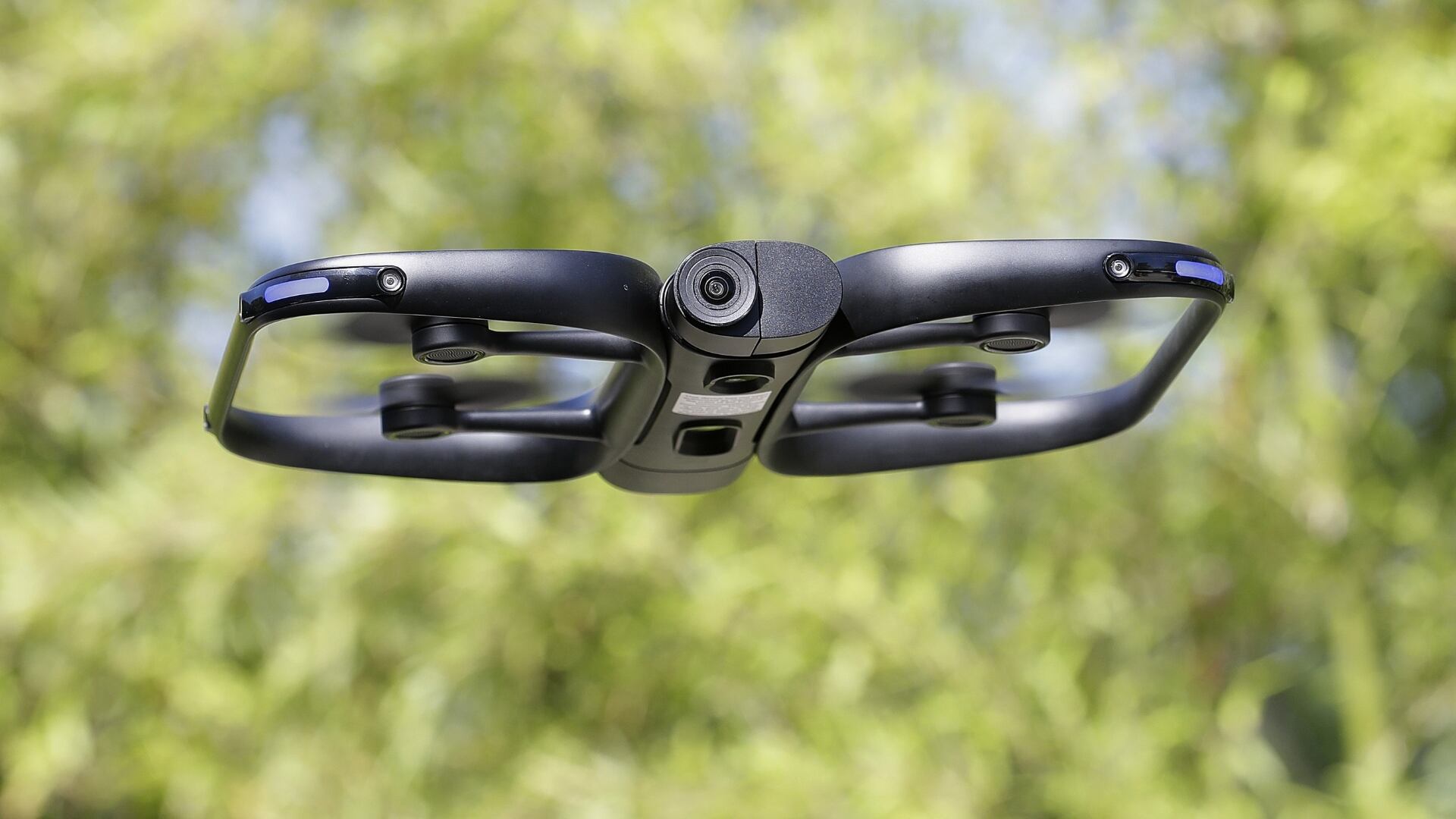
The U.S. is preparing to add more China-based firms to a blacklist in response to human rights violations in the country. This includes the leading drone manufacturer DJI. American businesses will be barred from investing or conducting business with the blacklisted companies.
The growing consensus across the U.S. is that the Federal Reserve and Chairman Jerome Powell are set to expedite the tapering timetable and hike interest rates as inflation accelerates. Michael Darda, chief economist and market strategist at MKM Partners, told Cheddar's Baker Machado that the Fed has room to increase short-term interest rates because the economy is recovering faster than anticipated. "We've had a very rapid turnaround in the business cycle, in the labor market, and in inflation so the policy stance staying the same, calibrated in the same fashion as it was when we had a huge economic emergency, just makes no sense whatsoever," he said.