An Amazon company logo marks the facade of a building in Schoenefeld near Berlin, March 18, 2022. (AP Photo/Michael Sohn, File)
Amazon is taking another shot at becoming a regular health care source for customers with the launch of a service centered on virtual care.
The e-commerce giant says its Prime customers can now get quick access to a health care provider through a program that costs $9 a month or $99 annually.
The company has made a number of attempts to incorporate healthcare into its platform and has started building momentum after some initial setbacks.
The company announced in August that it was adding video telemedicine visits in all 50 states to a virtual clinic it launched last year.
Yet Amazon shut down a virtual health care service last year that it spent years developing, and it was part of a high-profile but failed push to address health care costs in a partnership with two other major companies, Berkshire Hathaway and JPMorgan.
Through the new service, patients will be able to connect virtually around the clock with care providers through its Prime One Medical membership program. The service includes video chats and an option to make in-person visits if there are One Medical locations near by.
The company said Wednesday that its membership fee covers the cost for the virtual visits. But customers would have to pay for any visits they make to the company’s One Medical primary care offices. They can use insurance for that.
Virtual care grew popular during the COVID-19 pandemic, and many health care providers have since expanded their telemedicine offerings. It has remained popular as a convenient way to check in with a doctor or deal with relatively minor health issues like pink eye.
While virtual visits can improve access to help, some doctors worry that they also lead to care fragmentation and can make it harder to track a patient’s overall health. That could happen if a patient has a regular doctor who doesn’t learn about the virtual visit from another provider.
Updated November 9, 2023 at 4:46 p.m. ET to add missing word in the seventh paragraph and correct "last summer" to "last year" in sixth paragraph.
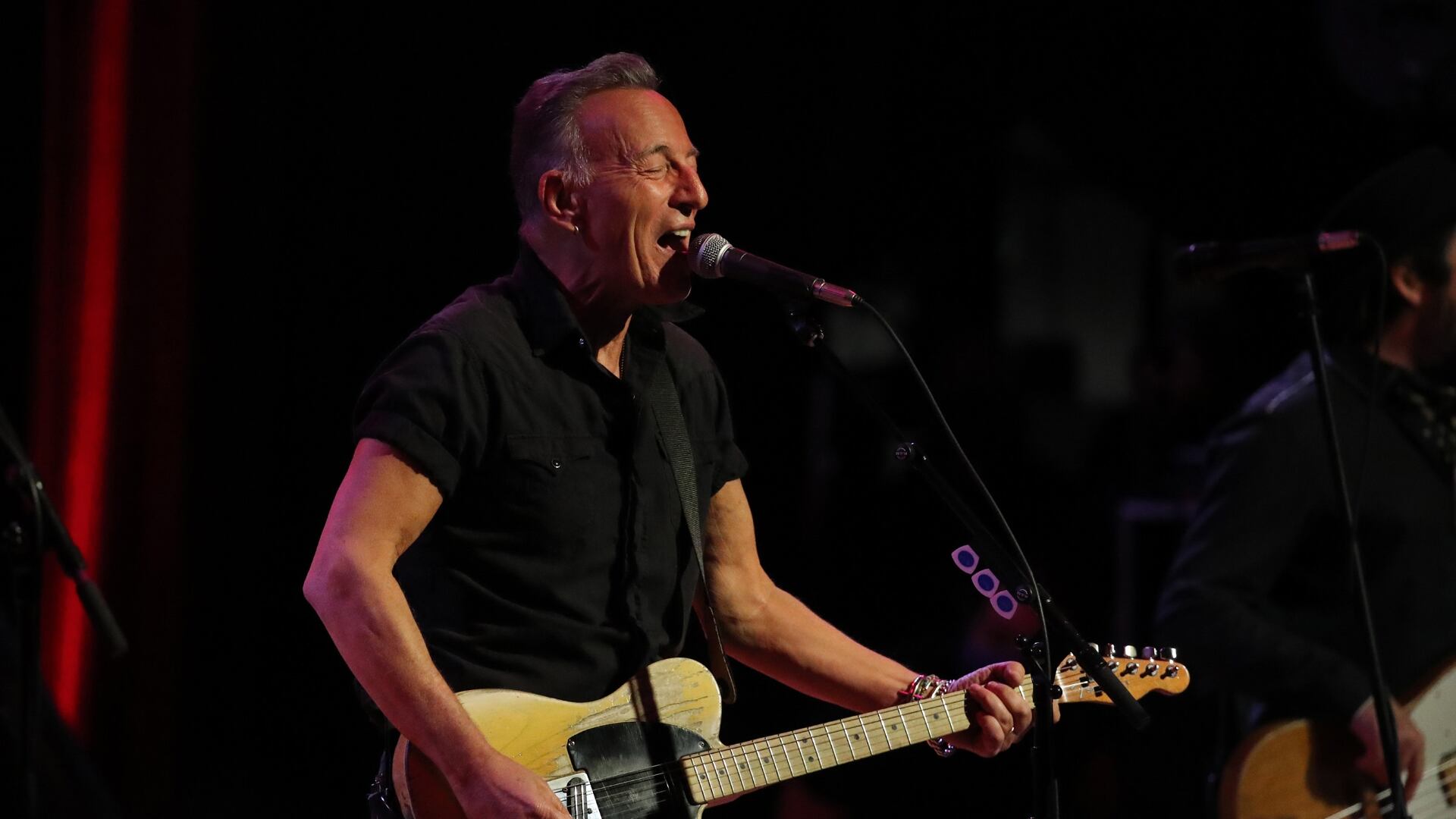
David Bowie's entire catalog of songs has officially been sold to Warner Music Group by his estate for an estimated $250 million. This means the group now has the full rights to almost all of David Bowie's recordings. But Bowie, just the latest music mega deal. Just last month, Bruce Springsteen sold his entire catalog to Sony Music Entertainment at what in fact maybe be the biggest transaction ever for a single artist's body of work. In addition, John Legend also cashed in by selling rights to his songs from 2004 to early last year. Culture Correspondent at NPR, Anastasia Tsioulcas, joined Cheddar to discuss more.
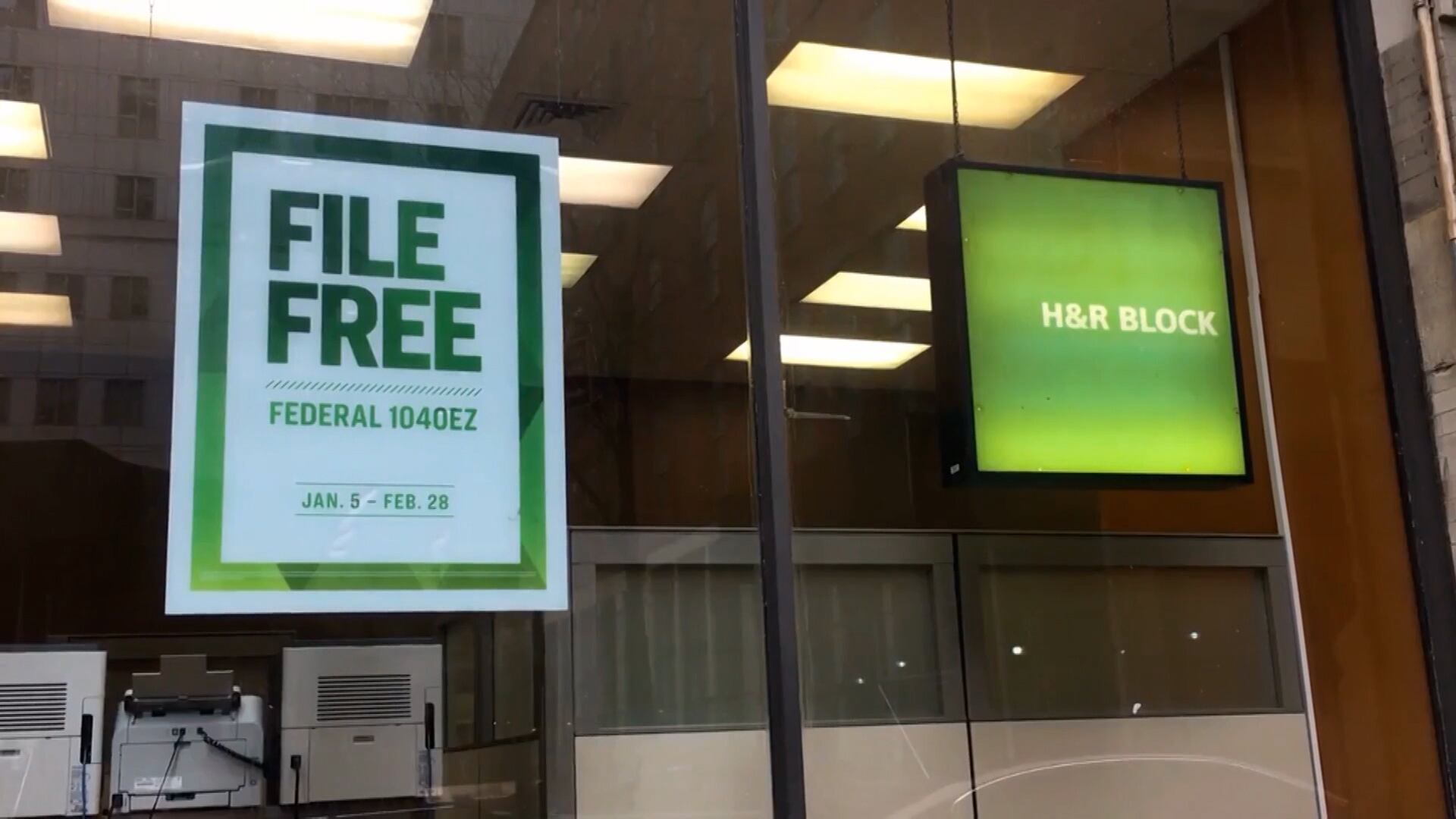
Treasury officials say that filing taxes this year could be frustrating due to staffing shortages at the IRS and paperwork backlog. Cheddar News speaks with Brent Weiss, certified financial planner and co-founder of Facet Wealth, on how to best file your returns in 2022.
As the need for COVID-19 testing increases, so does the price of the tests themselves. An agreement with The White House and several major companies to sell the tests at a lower cost has now expired, sending prices up as retailers struggle to keep kits on shelves. Dr. Thomas McGinn, executive VP of physician enterprise at Common Spirit Health, joins Cheddar News to discuss.
With no end in sight to supply chain snarls, some companies are reconsidering the way they manufacture goods. Harry Moser, founder and president of Reshoring Initiative and Jennifer Smith, logistics and supply chain reporter for the Wall Street Journal, joined Cheddar News' Closing Bell to discuss some of the ways companies are trying to solve their supply chain problems in the long term.
Stocks closed higher Tuesday with the tech-heavy Nasdaq rising for a second straight day as tech stocks rebound. Investors also felt some relief after Federal Reserve Chair Jerome Powell today said the central bank is prepared to raise interest rates 'more over time' if inflation continues to run hot. Ross Mayfield, investment strategy analyst at Baird, joins Cheddar News' Closing Bell to discuss today's market close, whether and how markets are pricing in Fed activity, and more.
Bitcoin dipped below $40,000 this week amid a broader slump to begin the year. Some speculate that as cryptocurrencies correlate closer to traditional assets that factors like the Federal Reserve tightening monetary policy will weigh on digital coins. Jalak Jobanputra, managing partner at Future Perfect Ventures, joins Cheddar News' Closing Bell to discuss why crypto markets are feeling pressure from the Fed's potential 2022 rate hikes, broader crypto market predictions, and more.