Alfonso Ribeiro's Case Over 'Fortnite' Dance Is About More Than Copyright Laws
*By Chloe Aiello*
Actor Alfonso Ribeiro's case against Epic Games for its use of "the Carlton" dance in "Fortnite" might come down to a jury's sympathy, rather than copyright technicalities, intellectual property lawyer Gaston Kroub told Cheddar on Tuesday.
"I think it's a mistake to only focus on the copyright issues, because you do have this idea where you have this right of publicity under California state law ... Could a sympathetic jury decide that these \[artists\] deserve something from 'Fortnite'? That's something that remains to be seen," said Kroub, a partner at Kroub, Silbersher & Kolmykov.
Ribeiro, who rose to fame playing Carlton on "The Fresh Prince of Bel Air," is suing Epic and Take-Two Interactive, the maker of "NBA 2K." Both use "the Carlton" step that Ribeiro made famous on the show as an "emote," a celebratory dance that can be purchased by players in-game.
Ribeiro is just the latest celebrity or influencer to file a suit. Rapper 2 Milly and Instagrammer Russell “Backpack Kid” Horning have also filed complaints for misappropriation of their respective dances, the "Milly Rock" and "the Floss," [Variety reported](https://variety.com/2018/gaming/news/fortnite-dance-lawsuit-1203092141/). The complaints allege copyright infringement and claim the game creators are violating the right of publicity of the celebrities associated with the dances.
"What Alfonso Ribeiro and 2 Milly and the Backpack Kid now have claimed is it looks like they're endorsing 'Fortnite''s use of their dance moves and they haven't provided that permission," Kroub said.
The outcome of these cases is difficult to predict.
"You can't copyright a single dance move but you can copyright under the copyright act choreography," he said, adding that copyrights on the moves are still pending.
"Really at the heart of this, though, is the fact that Epic is making a lot of money and these dances are generating revenue."
He added that one potential defense for Epic or Take-Two is to claim they were parodying, not performing, the dances. That said, the case will also depend on the items uncovered during discovery ー whether or not the game makers contacted any artists or just assumed the dances were public domain.
Most interestingly, Kroub said the complaints venture into "uncharted territory."
"No one knew a year ago 'the Carlton' would be generating untold numbers of revenue for a company, like Epic. And what we are seeing is video games are a big business and celebrities want to be associated," he said.
Netflix is testing out a way to charge users who share their passwords with friends and family, and while it's not being introduced in the U.S. yet, it might one day. The streaming giant is under pressure to grow membership numbers after lackluster fourth-quarter guidance, and anticipated pressures as people return to work and face higher costs elsewhere, thanks to rising inflation. Will Netflix see increased customer cancellations if it implements a price hike for password sharing? Is the company only focusing on the investor, and not the subscriber? Seth Schachner, Managing Director at StratAmericas and Digital Business Executive, joins Closing Bell to discuss Netflix's plans to charge for password sharing, why the company is doing so, how it might hurt subscriber numbers and more.
Simeon Hyman, Chief Investment Strategist at ProShares, joins Cheddar News' Closing Bell, where he explains why his firm launched the Proshares Metaverse ETF today and how this portfolio offers the opportunity for success both now and in the future.
Medical cannabis company Akanda went public this week in what was the first traditional IPO of the month. Shares jumped about 163% in the stock's first day of trading. The London-based company says it hopes to supply medical cannabis products to wholesalers in international markets. Tej Virk, CEO of Akanda, joins Cheddar News' Closing Bell to discuss.
Software company Akeneo CEO Fred De Gombert joined Closing Bell to discuss its recently closed Series D funding round raising $135 million in its quest to redefine product information management. De Gombert said the company is set out to improve the product information category by harnessing the power of data, which comes at a time where customer behavior has shifted in the pandemic era. "We are more and more demanding as consumers when we are shopping online or even offline. We are looking for more and more information," De Gombert said.
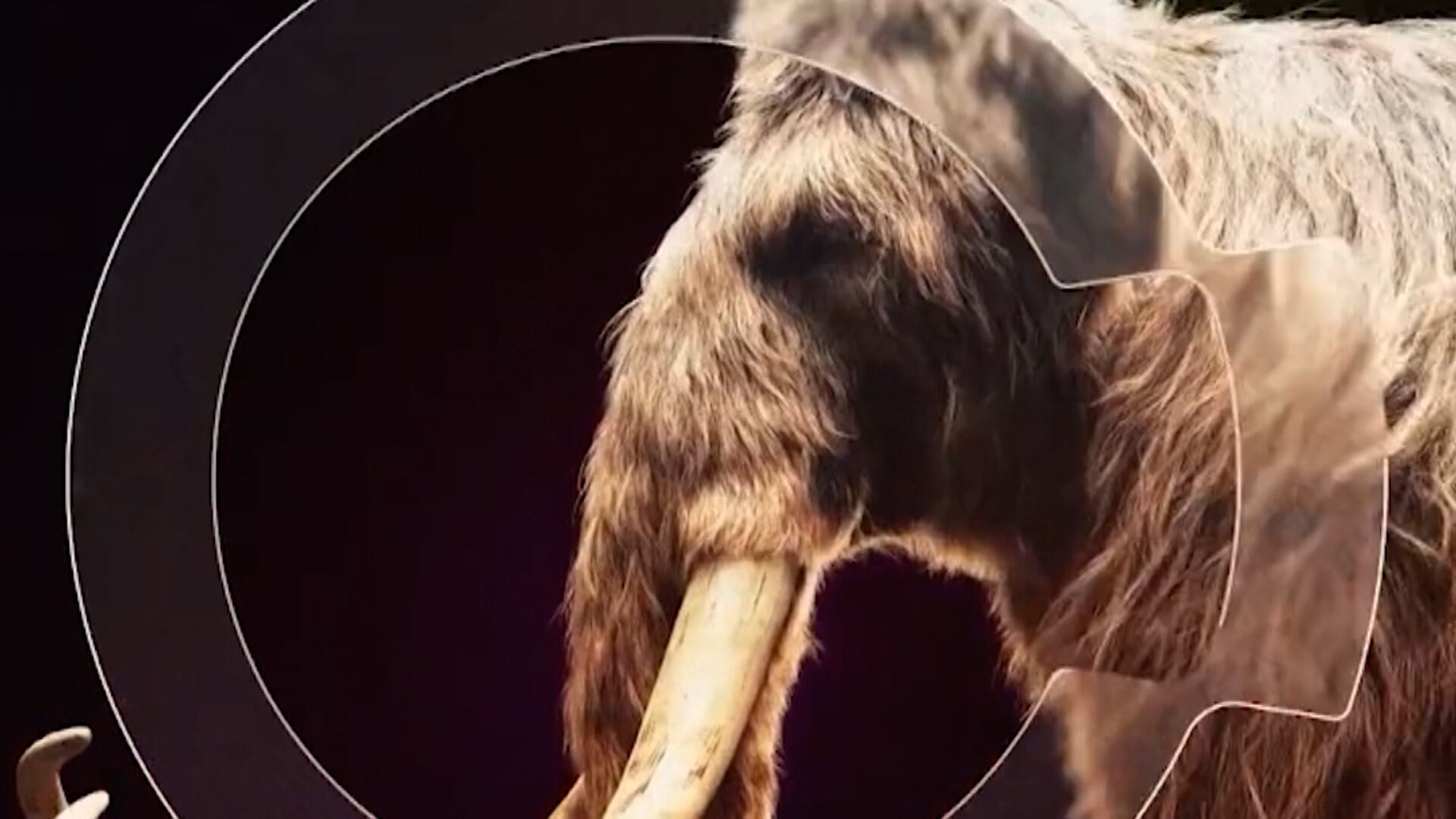
Bioscience and genetic engineering company, Colossal, raised $60 million in a Series A funding round. Colossal is focused on developing new technologies and genetic tools to restore extinct species, and protect critically endangered species. One of the startup's long-term goals is to resurrect the woolly mammoth, and return it back to the arctic. Colossal also says it is developing technology that expands beyond animals, and has the potential to advance human health. Ben Lamm, co-founder and CEO of Colossal, joins Cheddar News' Closing Bell to discuss.
Nate Morris, Chairman and CEO of Rubicon, joins Cheddar Innovates to discuss how the company is creating a digital marketplace for waste and recycling, and how technology and sustainability will go hand in hand in the future.