Alfonso Ribeiro's Case Over 'Fortnite' Dance Is About More Than Copyright Laws
*By Chloe Aiello*
Actor Alfonso Ribeiro's case against Epic Games for its use of "the Carlton" dance in "Fortnite" might come down to a jury's sympathy, rather than copyright technicalities, intellectual property lawyer Gaston Kroub told Cheddar on Tuesday.
"I think it's a mistake to only focus on the copyright issues, because you do have this idea where you have this right of publicity under California state law ... Could a sympathetic jury decide that these \[artists\] deserve something from 'Fortnite'? That's something that remains to be seen," said Kroub, a partner at Kroub, Silbersher & Kolmykov.
Ribeiro, who rose to fame playing Carlton on "The Fresh Prince of Bel Air," is suing Epic and Take-Two Interactive, the maker of "NBA 2K." Both use "the Carlton" step that Ribeiro made famous on the show as an "emote," a celebratory dance that can be purchased by players in-game.
Ribeiro is just the latest celebrity or influencer to file a suit. Rapper 2 Milly and Instagrammer Russell “Backpack Kid” Horning have also filed complaints for misappropriation of their respective dances, the "Milly Rock" and "the Floss," [Variety reported](https://variety.com/2018/gaming/news/fortnite-dance-lawsuit-1203092141/). The complaints allege copyright infringement and claim the game creators are violating the right of publicity of the celebrities associated with the dances.
"What Alfonso Ribeiro and 2 Milly and the Backpack Kid now have claimed is it looks like they're endorsing 'Fortnite''s use of their dance moves and they haven't provided that permission," Kroub said.
The outcome of these cases is difficult to predict.
"You can't copyright a single dance move but you can copyright under the copyright act choreography," he said, adding that copyrights on the moves are still pending.
"Really at the heart of this, though, is the fact that Epic is making a lot of money and these dances are generating revenue."
He added that one potential defense for Epic or Take-Two is to claim they were parodying, not performing, the dances. That said, the case will also depend on the items uncovered during discovery ー whether or not the game makers contacted any artists or just assumed the dances were public domain.
Most interestingly, Kroub said the complaints venture into "uncharted territory."
"No one knew a year ago 'the Carlton' would be generating untold numbers of revenue for a company, like Epic. And what we are seeing is video games are a big business and celebrities want to be associated," he said.
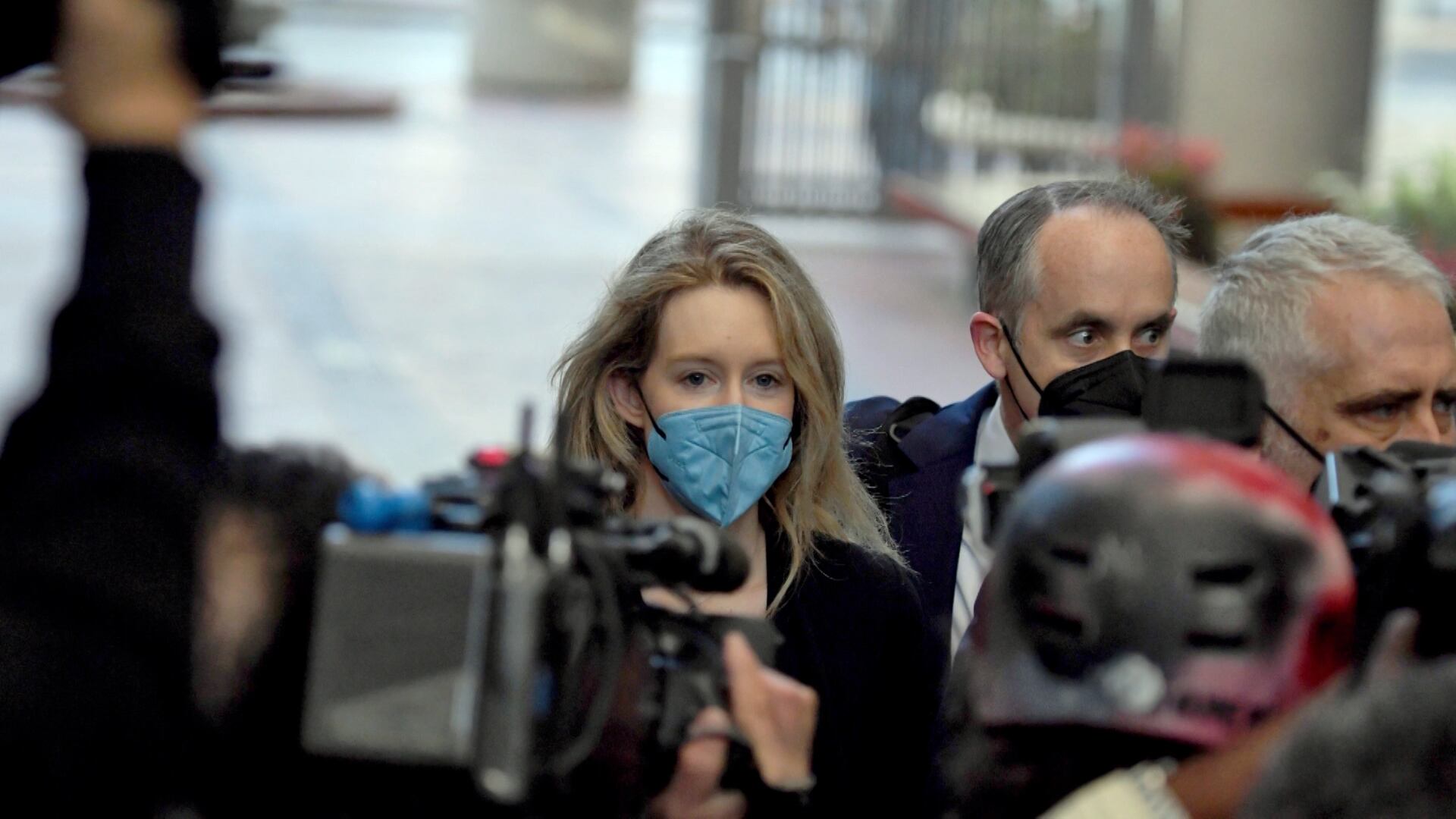
The six-month trial of Theranos founder Elizabeth Holmes has come to an end with the former tech startup star found guilty of four out of 11 counts of fraud. Michael S. Weinstein, Esq, chair of the white collar criminal defense practice at Cole Schotz, and former Department of Justice trial attorney, joined Cheddar News Wrap to discuss what happens next for the former mogul. "Do I think it's going to be more than five or seven years? Probably yes. I think that's probably a fair range at this point," he said about her potential prison sentence.
Elon Musk continues on his path to make a reusable rocket with his starship project, but it's not going to be easy. If successful, the rocket would heavily reduce launch costs, in addition to further developing Starlink, Musk’s satellite-based internet service. Rick Tumlinson, founding partner at Space Fund, spoke to Cheddar News about the future of SpaceX.
We are just one day away from what has been called the most influential tech event in the world. CES 2022 will officially kick off on Wednesday in Las Vegas, but the annual tech summit is being impacted by COVID-19, like so many other recent events. The Consumer Technology Association originally planned for a hybrid event to take place from January 5-8, with some in-person events and some virtual; however, a few big-name companies announced they will not be attending in-person, so the CTA decided to shorten the event by one day, with it now ending on Friday. Consumer electronics senior analyst Will Greenwald joins Cheddar News' Closing Bell to discuss.
Harry Yeh, Managing Director at Quantum Fintech Group, joins Cheddar News' Closing Bell, where he explains why his firm has a target estimate of $400,000 for Bitcoin this year.
California's new composting law will affect what residents do in their kitchens. As of this week, Californians will have to recycle excess food in an effort to reduce emissions caused by food waste. Cities and counties will turn recycled food into compost or use it as a renewable energy source. California's new law is the largest mandatory residential food waste recycling program in the country. Rachel Wagoner, Director of the California Department of Resources, Recycling and Recovery called the law 'the biggest change to trash' since recycling started in the 1980s. She joined Cheddar Climate to discuss.
Like the big changeover to e-commerce for retail, the COVID-19 pandemic has moved car buying trends to the digital showroom. Karl Brauer, an executive analyst at iSeeCars.com, joined Cheddar to talk about the "mindset shift" in consumers and businesses to order-based systems in the United States (something more common in other countries). While more than 60 percent of consumers still prefer to visit dealerships in-person, Brauer noted that consumers are better off ordering a car to spec, which would also help improve supply constraints. "It's really bad right now to be building cars and not really knowing who's going to buy them or when they're going to sell," he said. Manufacturing a car to order would maximize the efficiency of obtaining materials through the supply chain rather than "shotgunning it" at dealerships.