Alfonso Ribeiro's Case Over 'Fortnite' Dance Is About More Than Copyright Laws
*By Chloe Aiello*
Actor Alfonso Ribeiro's case against Epic Games for its use of "the Carlton" dance in "Fortnite" might come down to a jury's sympathy, rather than copyright technicalities, intellectual property lawyer Gaston Kroub told Cheddar on Tuesday.
"I think it's a mistake to only focus on the copyright issues, because you do have this idea where you have this right of publicity under California state law ... Could a sympathetic jury decide that these \[artists\] deserve something from 'Fortnite'? That's something that remains to be seen," said Kroub, a partner at Kroub, Silbersher & Kolmykov.
Ribeiro, who rose to fame playing Carlton on "The Fresh Prince of Bel Air," is suing Epic and Take-Two Interactive, the maker of "NBA 2K." Both use "the Carlton" step that Ribeiro made famous on the show as an "emote," a celebratory dance that can be purchased by players in-game.
Ribeiro is just the latest celebrity or influencer to file a suit. Rapper 2 Milly and Instagrammer Russell “Backpack Kid” Horning have also filed complaints for misappropriation of their respective dances, the "Milly Rock" and "the Floss," [Variety reported](https://variety.com/2018/gaming/news/fortnite-dance-lawsuit-1203092141/). The complaints allege copyright infringement and claim the game creators are violating the right of publicity of the celebrities associated with the dances.
"What Alfonso Ribeiro and 2 Milly and the Backpack Kid now have claimed is it looks like they're endorsing 'Fortnite''s use of their dance moves and they haven't provided that permission," Kroub said.
The outcome of these cases is difficult to predict.
"You can't copyright a single dance move but you can copyright under the copyright act choreography," he said, adding that copyrights on the moves are still pending.
"Really at the heart of this, though, is the fact that Epic is making a lot of money and these dances are generating revenue."
He added that one potential defense for Epic or Take-Two is to claim they were parodying, not performing, the dances. That said, the case will also depend on the items uncovered during discovery ー whether or not the game makers contacted any artists or just assumed the dances were public domain.
Most interestingly, Kroub said the complaints venture into "uncharted territory."
"No one knew a year ago 'the Carlton' would be generating untold numbers of revenue for a company, like Epic. And what we are seeing is video games are a big business and celebrities want to be associated," he said.
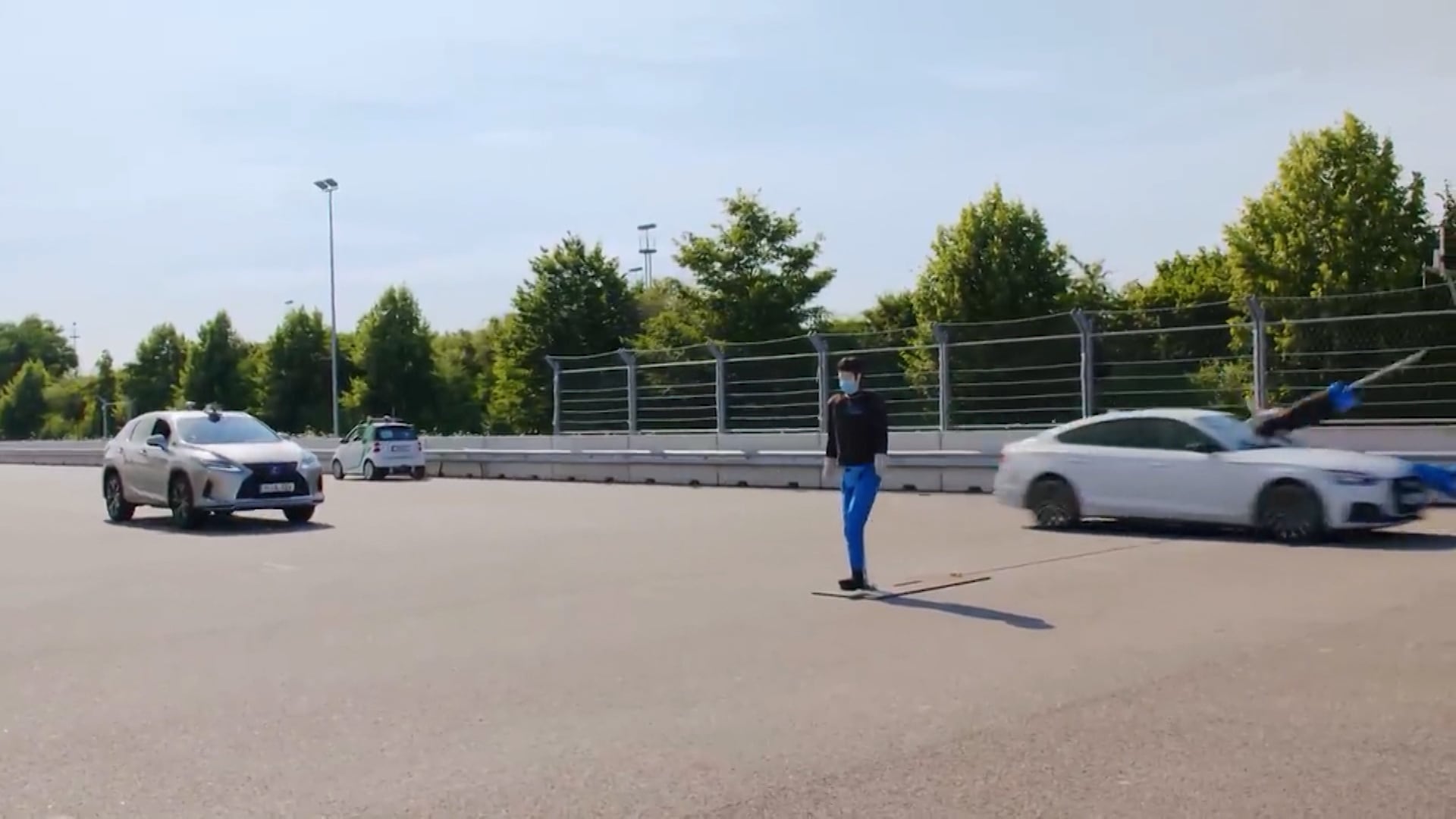
Aaron Jefferson, VP of product at Luminar, joined Cheddar to discuss partnering with automaker Volvo to bring its LIDAR (light detection and ranging) tech into autonomous cars capable of safely driving on the highway. While companies like Tesla have come under fire due to safety issues with its self-driving technology, Jefferson noted how his company's tech differs. "Our LIDAR, its iris sensor that's really set for production, is able to sense, understand, and give the vehicle confidence to react accordingly such that you don't have these same types of issues," he said. The Ride Pilot technology in Volvo vehicles will be rolled out in California following safety testing.
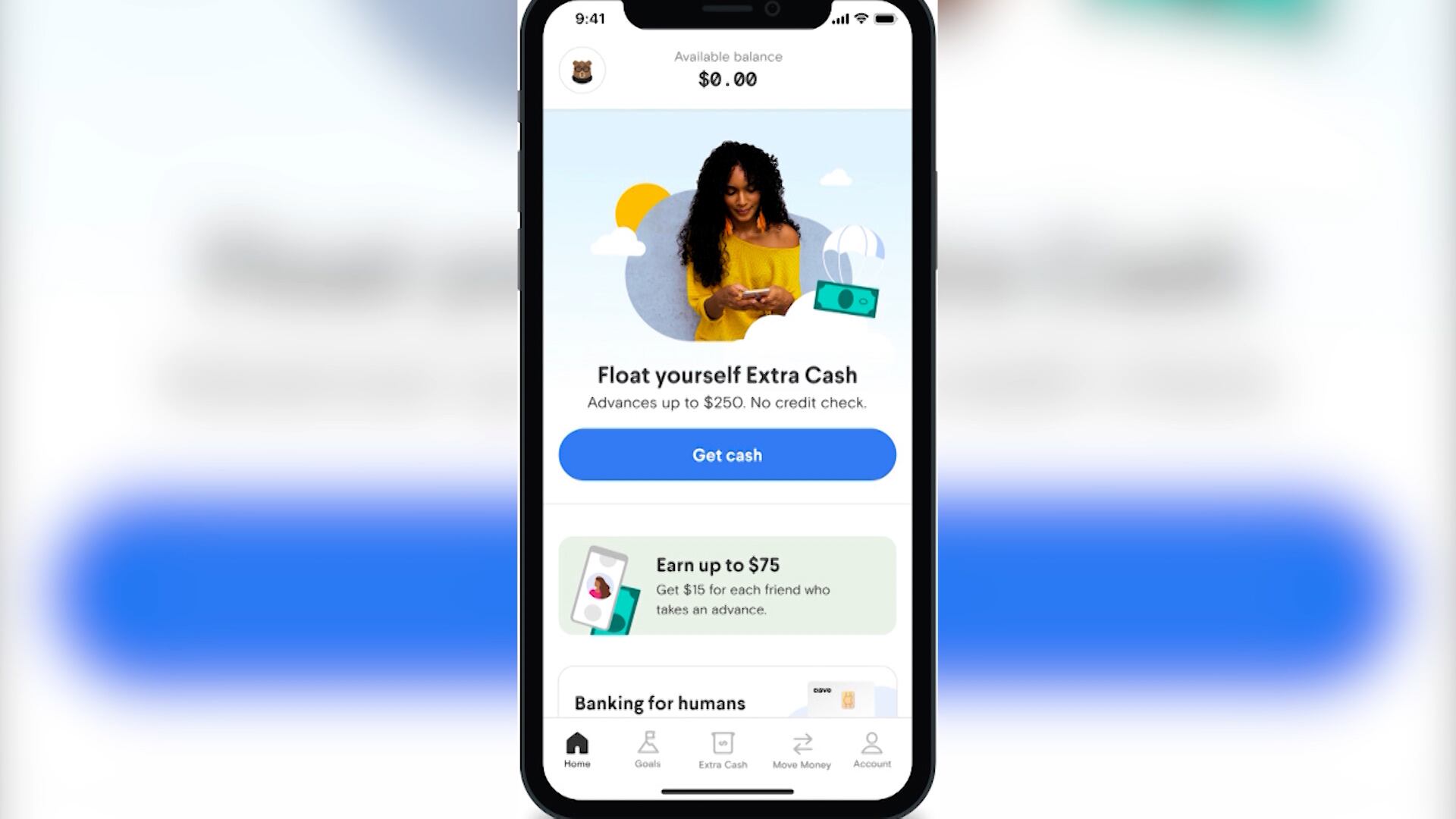
The fintech app backed by billionaire Mark Cuban called Dave made its public debut on the Nasdaq Thursday via a SPAC merger. CEO and co-founder Jason Wilk spoke to Cheddar's Kristen Scholer about the IPO and how his company's services distinguish it from traditional banks. "Customers come to us because they're tired of paying $20 billion of overdraft fees, and they come to Dave, they download our app, and within minutes they can get access to $250 of no interest credit, which we give them through our own proprietary machine learning model," he told Cheddar.
Stephanie Linnartz, president of Marriott International, joined Cheddar's "Closing Bell" to talk about the launch of the Marriott Design Lab, a new facility within its Bethesda, Maryland, headquarters to explore innovative tech offerings for bolstering the guest experience. "It's all around figuring out how we can innovate in the guest room in the public space, looking at how we can use robotics, improve sustainability, etcetera," she said. Some short-term changes in the future Linnartz also noted is an expansion of the chain's mobile capabilities to make check-in and check-out an easier process for guests, as well as mobile room service, from the feedback it received during the pandemic.
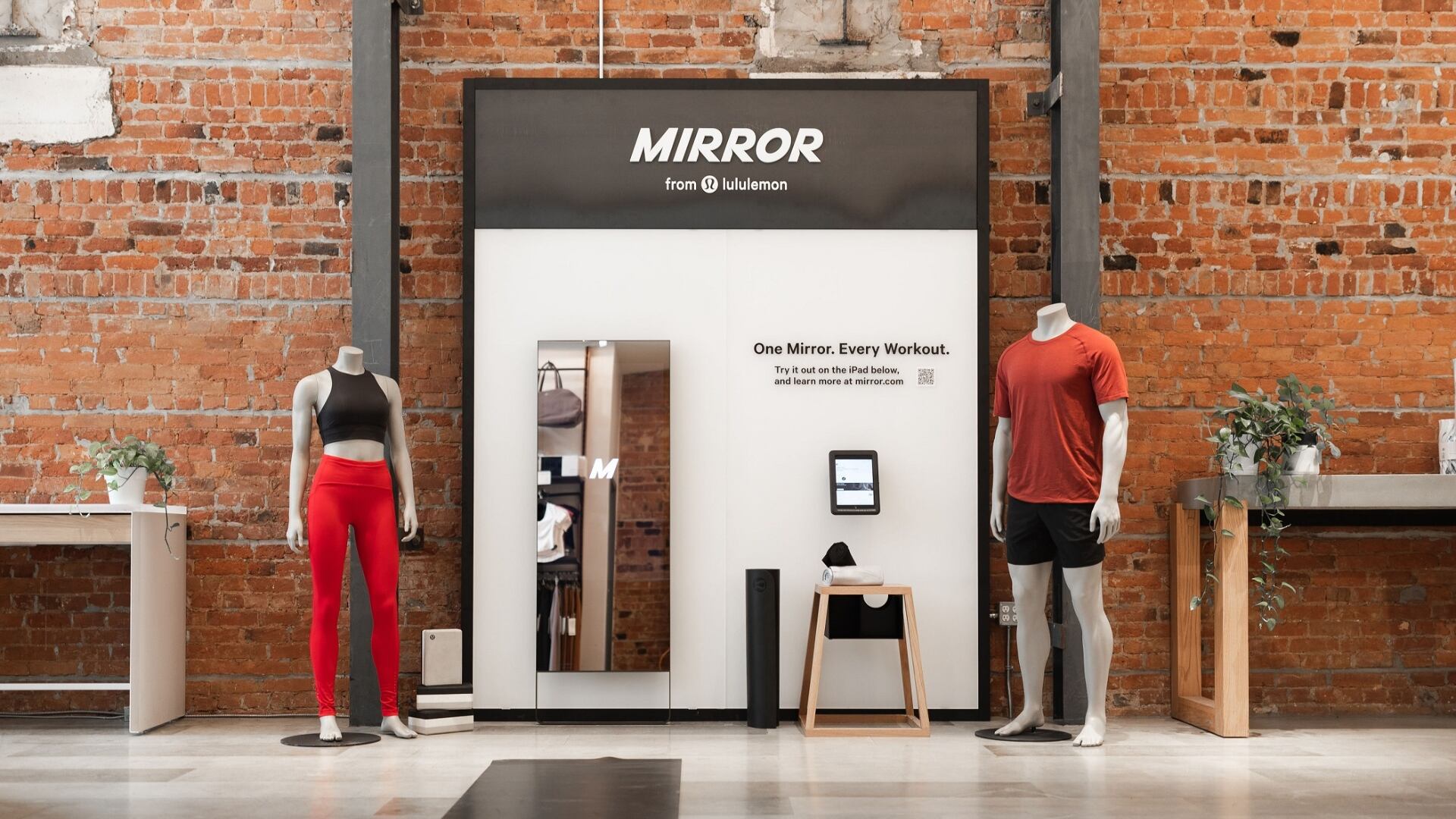
Nike has initiated a lawsuit against athletic apparel retailer and competitor Lululemon over claims of patent infringement. The sneaker giant is claiming the technology in their rival's MIRROR home gym was patented back in 1983.
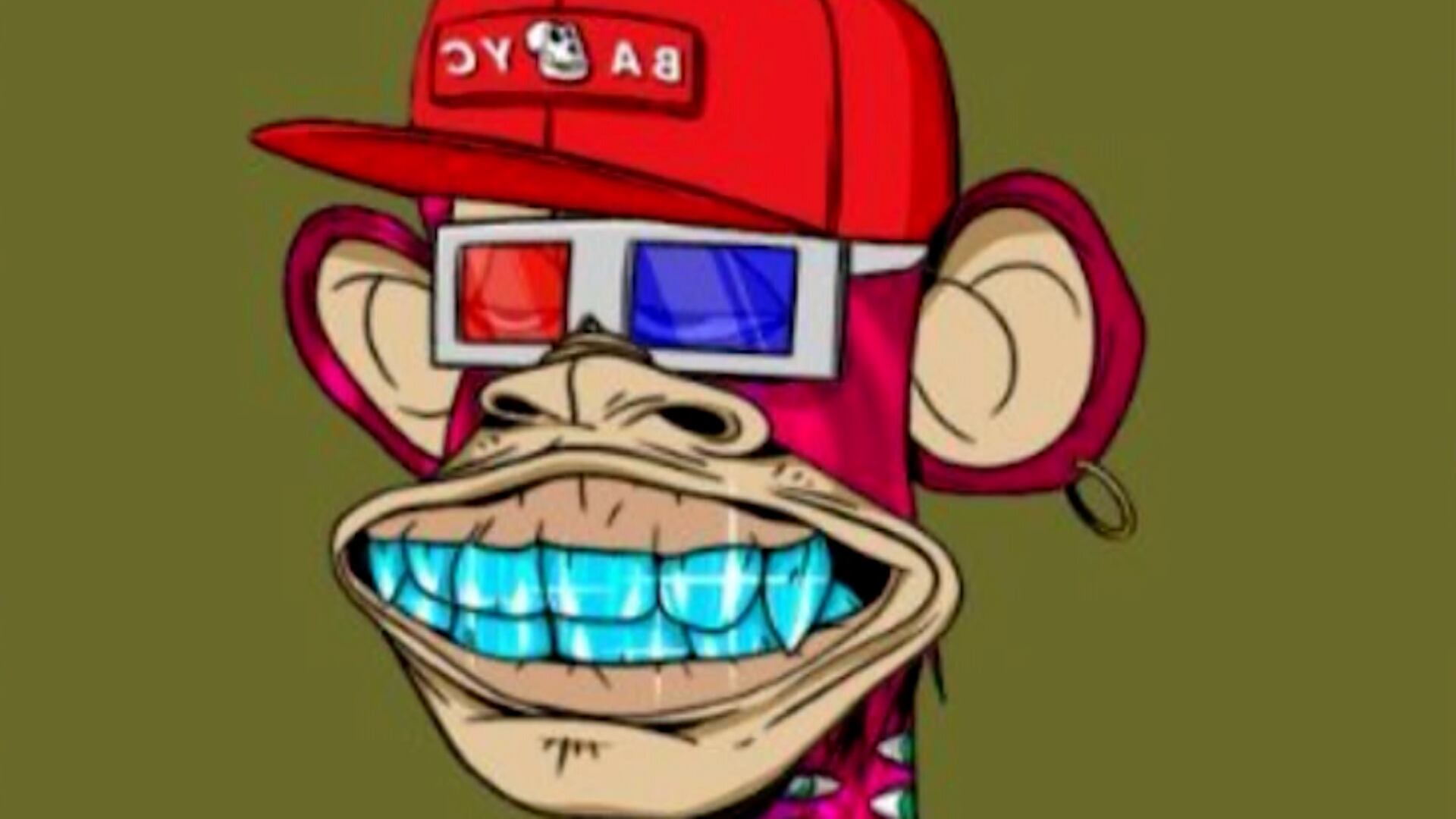
Adi Robertson, senior reporter at The Verge, joins Cheddar News to break down the battle between two NFT collections by Phunky Ape Yacht Club and PHAYC that are selling plagiarized Bored Ape Yacht Club designs.
Dan Diasio, EY Global Artificial Intelligence Consulting Leader, joins Cheddar News to discuss the role of artificial intelligence for everyday consumers, what hurdles are holding back for greater A.I. adoption, and advice for businesses using this emerging tech.
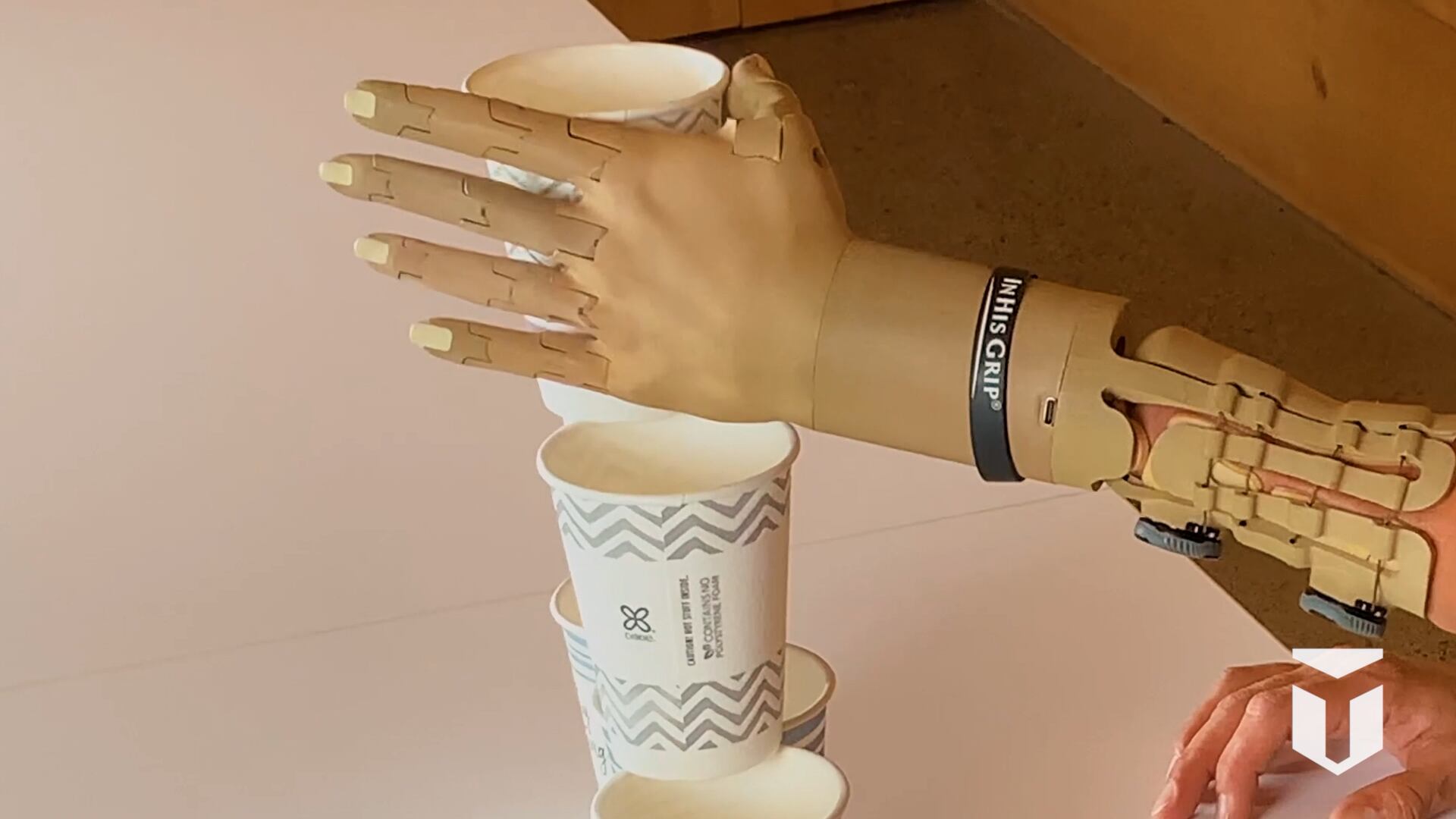
On this episode of Cheddar Innovates: Founder of Unlimited Tomorrow breaks down how he is creating completely 3D printed prosthetics to make them more affordable, customizable, and accessible; Chief Technology Officer of Zebra Technologies explains what the future of collaboration between robots and humans may look like; A look at Curiosity Stream's 'Mystery of the Roman Skulls.'
Easton LaChapelle, Founder and CEO of Unlimited Tomorrow, and joins Cheddar Innovates to discuss how he is creating completely 3D printed prosthetics to make them more affordable, customizable, and accessible. LaChappelle was recently featured in a short film called 'GENERATION IMPACT: THE INVENTOR,' which follows the story of a 14-year-old girl receiving a True Limb and can be found on HP's Digital Hub 'The Garage.'
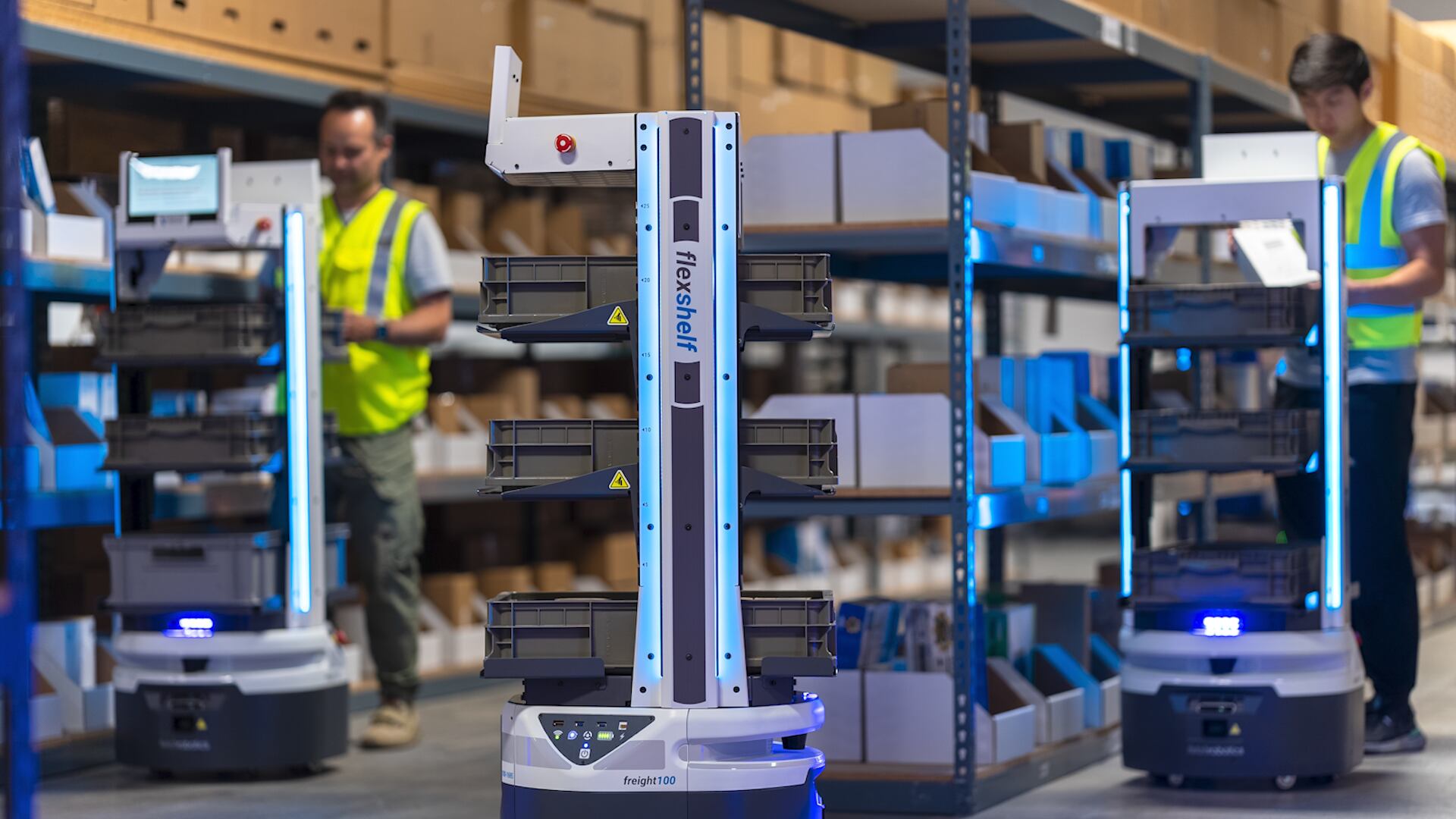
Tom Bianculli, Chief Technology Officer at Zebra Technologies, joins Cheddar Innovates to discuss how they are creating technology to make workers' lives easier, and what the future of collaboration between robots and humans may look like.