Airbnb sued New York City on Thursday over an ordinance that the company says imposes arbitrary restrictions that would greatly reduce the local supply of short-term rentals.
The 2022 ordinance, which the city plans to begin enforcing next month, would require owners to register with the mayor’s office, disclose who else lives in the property, and promise to comply with zoning, construction and maintenance ordinances.
Airbnb said called the restrictions “extreme and oppressive” and a de facto ban against short-term rentals that left the company no choice but to sue.
“Taken together, these features of the registration scheme appear intended to drive the short-term rental trade out of New York City once and for all,” Airbnb said. The company said the mayor’s Office of Special Enforcement “failed to consider reasonable alternatives.”
A spokesman for Mayor Eric Adams said city hall will review the lawsuit.
“This administration is committed to protecting safety and community livability for residents, preserving permanent housing stock, and ensuring our hospitality sector can continue to recover and thrive," said the spokesman, Jonah Allon. “The rules governing short-term rentals ... have been clear for years,” and the 2022 registration law was properly adopted by the city council, he added.
San Francisco-based Airbnb filed the lawsuit in state court in Manhattan. Three Airbnb hosts filed a companion lawsuit against the city.
Airbnb sued New York state in 2016 over a ban on advertising short-term rentals. It dropped that lawsuit when the city promised not to enforce it. In 2020, Airbnb settled a lawsuit against the city over monthly reporting requirements for its listings. Airbnb said the 2022 ordinance violates both settlements.
The New York restrictions are among many efforts by local communities to regulate short-term rentals without banning them. New Orleans is among cities taking on the rental giant, after a court struck down a previous law.
In some places, opponents have raised concerns about noise and safety. Critics also say the growth of short-term rentals pioneered by Airbnb has contributed to a shortage of affordable housing for residents, particularly in vacation towns. Those complaints extend far beyond U.S. borders.
On Thursday in Italy, the popular tourist destination of Florence announced an immediate ban on new vacation rentals in the city’s historic center.
Florists are dreading weekend pickups for this year's Valentine's Day, which lands on a Monday. Christina Stembel, founder and CEO of Farmgirl Flowers joined Cheddar News to discuss the challenges presented by shortages caused by supply chain issues, lack of labor, and climate change and how her company is preparing for this year's holiday. “A Monday delivery is just really hard for small businesses like us," said Stembel. "Larger companies have the scale that some of the large transportation carriers will provide a Sunday pick up for Monday delivery, but for small companies like us, that's not an option. So we have to try to convince people to order early."
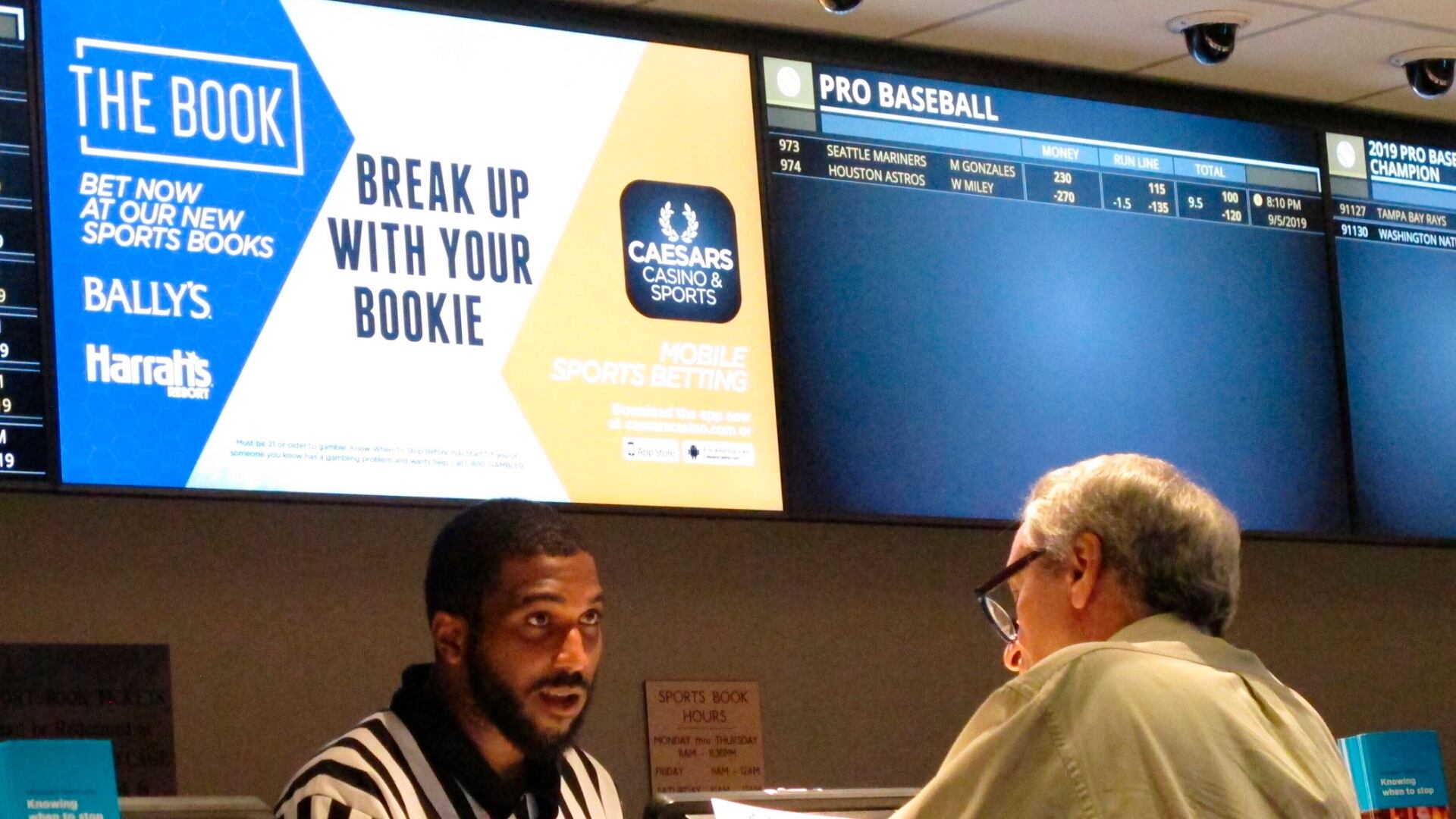
Americans placing bets on the Super Bowl is expected to reach a record high due to multiple states legalizing sports gambling. Hana Ostapchuk, the host of Cheddar Bets, joined Baker Machado on Between Bells to discuss the action on the Big Game.
Chipotle posted its quarterly report showing a beat on earnings and revenue. The restaurant chain was able to stay ahead of inflation by raising prices and noted digital sales made up more than 40 percent of overall sales.
trivago reported its last earnings of 2021 yesterday, marking the end of a rollercoaster year. The online hotel search site was forced to cut costs during the pandemic as the travel industry shut down entirely, instead pivoting its strategy to meet customer demand in other ways. Matthias Tillmann, CFO of trivago, joined Cheddar's Opening Bell to discuss the company's results and why he's optimistic about the future of the travel industry in 2022.
PLAY, a low-cost airline headquartered in Iceland, is expanding service to New York Stewart International Airport, marking its third destination in the United States. PLAY is the latest affordable carrier to fly onto the scene, debuting its first flights a little more than six months ago. Birgir Jonsson, CEO of PLAY, joined Cheddar to discuss what this expansion means for the airline and what it's been like to lead a new airline during a pandemic. "For us to get into the market now, have the availability of great, brand new aircraft at historically low prices, and basically being able to secure a low operating cost base for the future is a completely rare opportunity," Jonsson said. "We can get into the market now when our competitors are also weak."