After Florence, Farm Animal Death Toll Could Be in Millions
*By Max Godnick*
Florence may be over, but floodwaters from the hurricane are still wreaking havoc in North Carolina ー and not in just the usual ways.
The state's hog-waste lagoons, some of which are larger than Olympic swimming pools, are now either overflowing or in real danger of being breached. That poses an immediate danger to the surrounding communities ー and the planet as a whole.
"The potential for groundwater contamination is massive," said Zoë Schlanger, an environmental reporter at Quartz.
The storm, which was eventually downgraded to a tropical depression, caused [at least 110](https://www.nytimes.com/2018/09/19/climate/florence-hog-farms.html) "reservoirs" to release their contents into the environment.
North Carolina is the second-largest hog-farming state in the country, with close to 10 million pigs producing about 10 billion gallons of manure each year. In the counties where most of the state's pork production takes place, hogs outnumber humans, each one producing two to five times more waste than people do each day.
Rain and floodwaters have rendered many of the affected facilities unreachable for the farmers eager to check on their livestock and assess the damage.
Schlanger said some areas still expect more flooding, which could worsen the already-rampant contamination.
"In certain places, it's going to get better. In certain places it's going to get worse," she said.
While there's nothing that can be done to contain the waste that's already been released, Schlanger said officials can prepare for the future by rethinking the industry's infrastructure.
After all, Schlanger said hog-waste has been a "daily health issue" for people in the state long before Florence.
One of the most-vulnerable counties is Duplin, where most of the farms in the state are located.
"They say even without the storm, the smell is horrendous," Schlanger said.
It's one of North Carolina's poorest counties and has a predominately black and Latino community, which she said poses a "very specific environmental justice issue."
But the problem isn't just with contamination ー there's also a significant economic impact.
According to the North Carolina Department of Agriculture, over 3 million chickens and turkeys and 5,500 hogs drowned during Florenceー a significant loss in inventory for the thousands of farmers who rely on the animals for their livelihoods.
"This will be devastating mostly for the small family farmers who are contracted by much larger companies," Schlanger said. "Those farmers often take on a lot of debt to run these operations."
For full interview [click here](https://cheddar.com/videos/pig-manure-lagoons-flood-after-florence).
Sarah Kellogg Neff, CEO of The Lactation Network, joins ChedHER to discuss how they are expanding access to lactation support for families nationwide, and some of the struggles new families face during the fourth trimester.
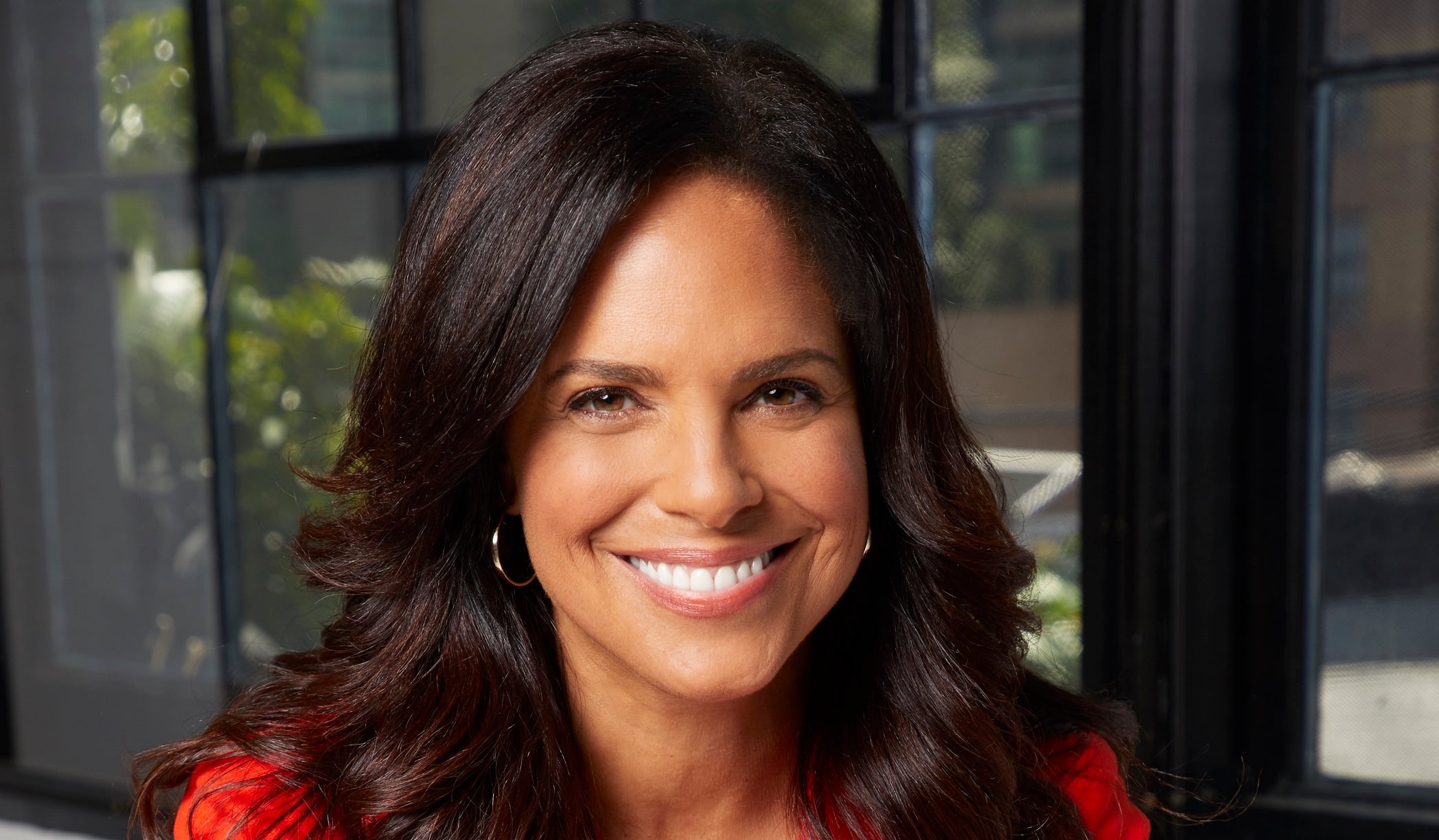
Award-winning journalist, entrepreneur, and host Soledad O'Brien spoke to Cheddar about empowering women through her own podcast on financial literacy this Women's History Month.
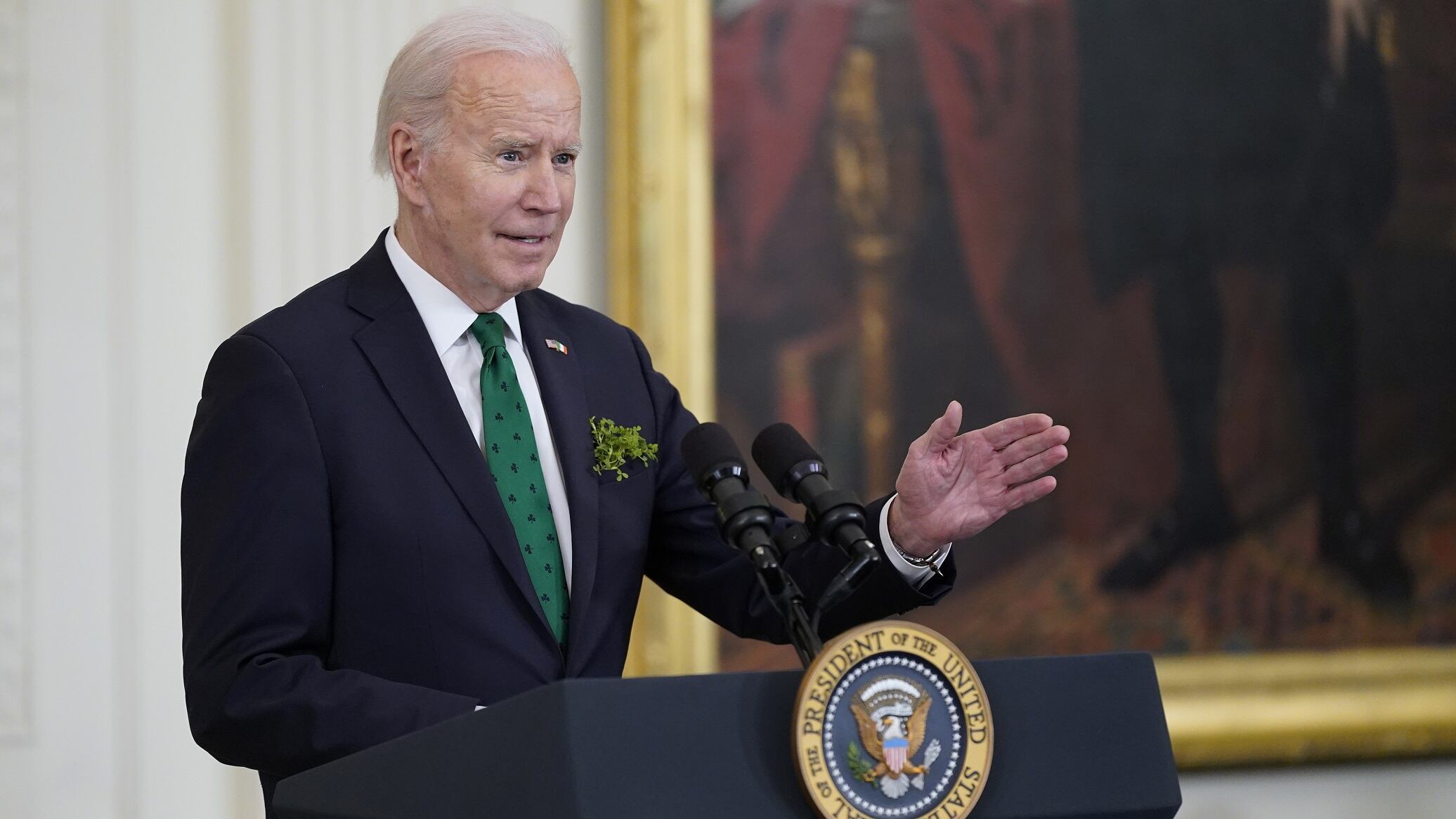
President Bident talks to President Xi about Ukraine, rising COVID cases in Europe have U.S. officials concerned, and a deal is putting DoorDash against actual Girl Scouts for GS cookie sales. Here is all the news you Need2Know for Friday. March 18, 2022.
March Nadness is officially underway, and betting on this year's tournament has the potential to reach record levels. About 45 million Americans are expected to wager a total of $3.1 billion on just the men's tournament alone, according to a new survey from the American Gaming Association. Prince Grimes, Senior Writer for USA Today's sports betting media property, BetFTW, joins Cheddar News' Closing Bell to discuss how betting could play into this year's tournament and other storylines surrounding March Madness.
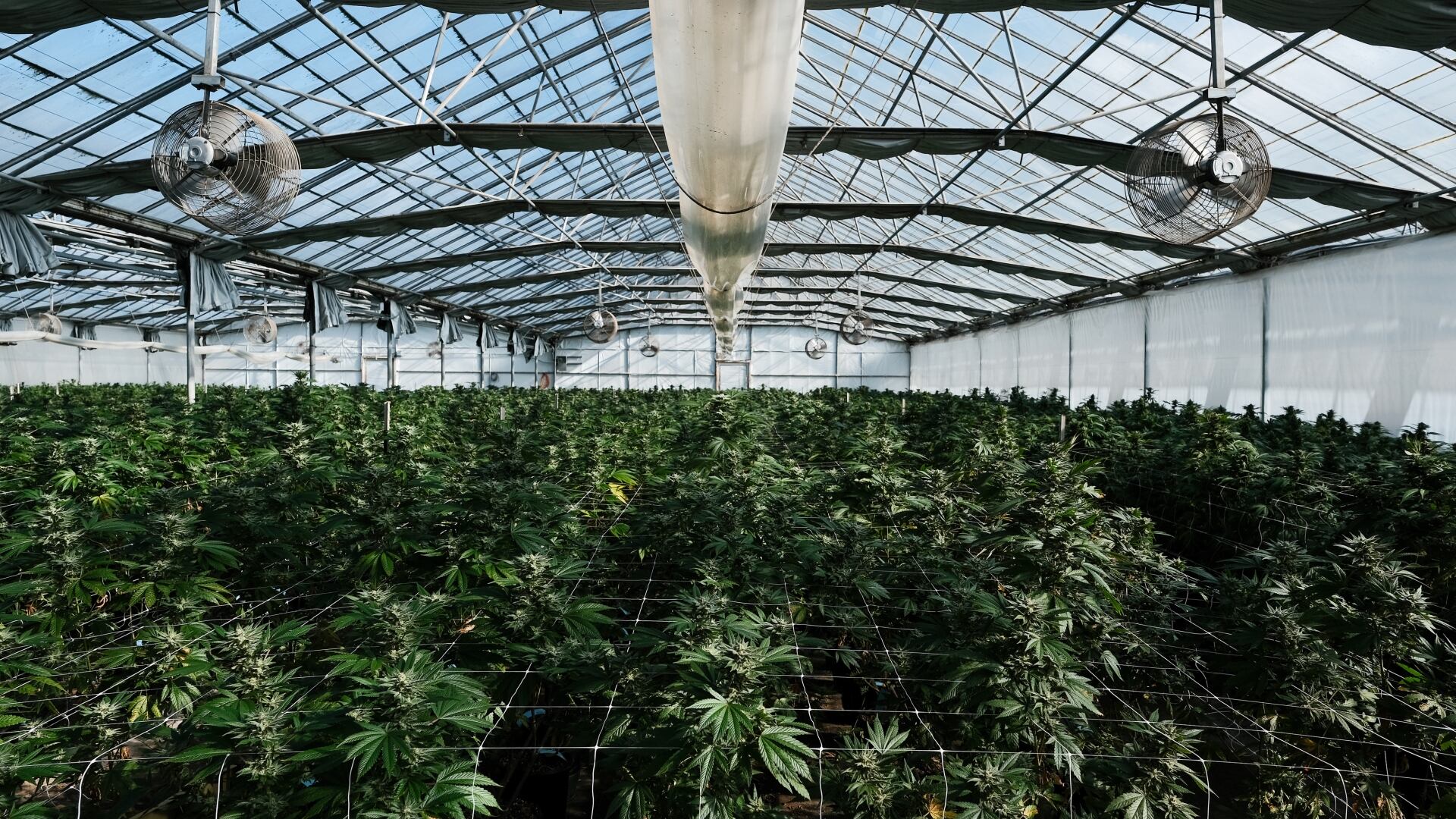
Medical cannabis company Akanda went public this week in what was the first traditional IPO of the month. Shares jumped about 163% in the stock's first day of trading. The London-based company says it hopes to supply medical cannabis products to wholesalers in international markets. Tej Virk, CEO of Akanda, joins Cheddar News' Closing Bell to discuss.
Software company Akeneo CEO Fred De Gombert joined Closing Bell to discuss its recently closed Series D funding round raising $135 million in its quest to redefine product information management. De Gombert said the company is set out to improve the product information category by harnessing the power of data, which comes at a time where customer behavior has shifted in the pandemic era. "We are more and more demanding as consumers when we are shopping online or even offline. We are looking for more and more information," De Gombert said.
Sara Bareilles and Busy Philipps join Cheddar News at South by Southwest in Austin, Texas. The two actors talk all about their Peacock comedy series 'Girls5eva.'
Bioscience and genetic engineering company, Colossal, raised $60 million in a Series A funding round. Colossal is focused on developing new technologies and genetic tools to restore extinct species, and protect critically endangered species. One of the startup's long-term goals is to resurrect the woolly mammoth, and return it back to the arctic. Colossal also says it is developing technology that expands beyond animals, and has the potential to advance human health. Ben Lamm, co-founder and CEO of Colossal, joins Cheddar News' Closing Bell to discuss.
After a two-year hiatus, the New York City St. Patrick’s Day parade up Fifth Avenue in Manhattan made its triumphant return. More than 150,000 people turned up to celebrate the day even through bad weather.