After Florence, Farm Animal Death Toll Could Be in Millions
*By Max Godnick*
Florence may be over, but floodwaters from the hurricane are still wreaking havoc in North Carolina ー and not in just the usual ways.
The state's hog-waste lagoons, some of which are larger than Olympic swimming pools, are now either overflowing or in real danger of being breached. That poses an immediate danger to the surrounding communities ー and the planet as a whole.
"The potential for groundwater contamination is massive," said Zoë Schlanger, an environmental reporter at Quartz.
The storm, which was eventually downgraded to a tropical depression, caused [at least 110](https://www.nytimes.com/2018/09/19/climate/florence-hog-farms.html) "reservoirs" to release their contents into the environment.
North Carolina is the second-largest hog-farming state in the country, with close to 10 million pigs producing about 10 billion gallons of manure each year. In the counties where most of the state's pork production takes place, hogs outnumber humans, each one producing two to five times more waste than people do each day.
Rain and floodwaters have rendered many of the affected facilities unreachable for the farmers eager to check on their livestock and assess the damage.
Schlanger said some areas still expect more flooding, which could worsen the already-rampant contamination.
"In certain places, it's going to get better. In certain places it's going to get worse," she said.
While there's nothing that can be done to contain the waste that's already been released, Schlanger said officials can prepare for the future by rethinking the industry's infrastructure.
After all, Schlanger said hog-waste has been a "daily health issue" for people in the state long before Florence.
One of the most-vulnerable counties is Duplin, where most of the farms in the state are located.
"They say even without the storm, the smell is horrendous," Schlanger said.
It's one of North Carolina's poorest counties and has a predominately black and Latino community, which she said poses a "very specific environmental justice issue."
But the problem isn't just with contamination ー there's also a significant economic impact.
According to the North Carolina Department of Agriculture, over 3 million chickens and turkeys and 5,500 hogs drowned during Florenceー a significant loss in inventory for the thousands of farmers who rely on the animals for their livelihoods.
"This will be devastating mostly for the small family farmers who are contracted by much larger companies," Schlanger said. "Those farmers often take on a lot of debt to run these operations."
For full interview [click here](https://cheddar.com/videos/pig-manure-lagoons-flood-after-florence).
On this episode of Cheddar Reveals, Yair Nechmad, Nayax CEO, discusses the future of cashless payments, and how cashless payments give retailers a competitive edge and allow merchants to scale business; Jason Thomas, Global CEO of Tappit, breaks down how the pandemic accelerated the transition to cash-free live events, and why that trend is here to stay; Cheddar gets a look at Curiosity Steam's 'Blockchain Revolution.'
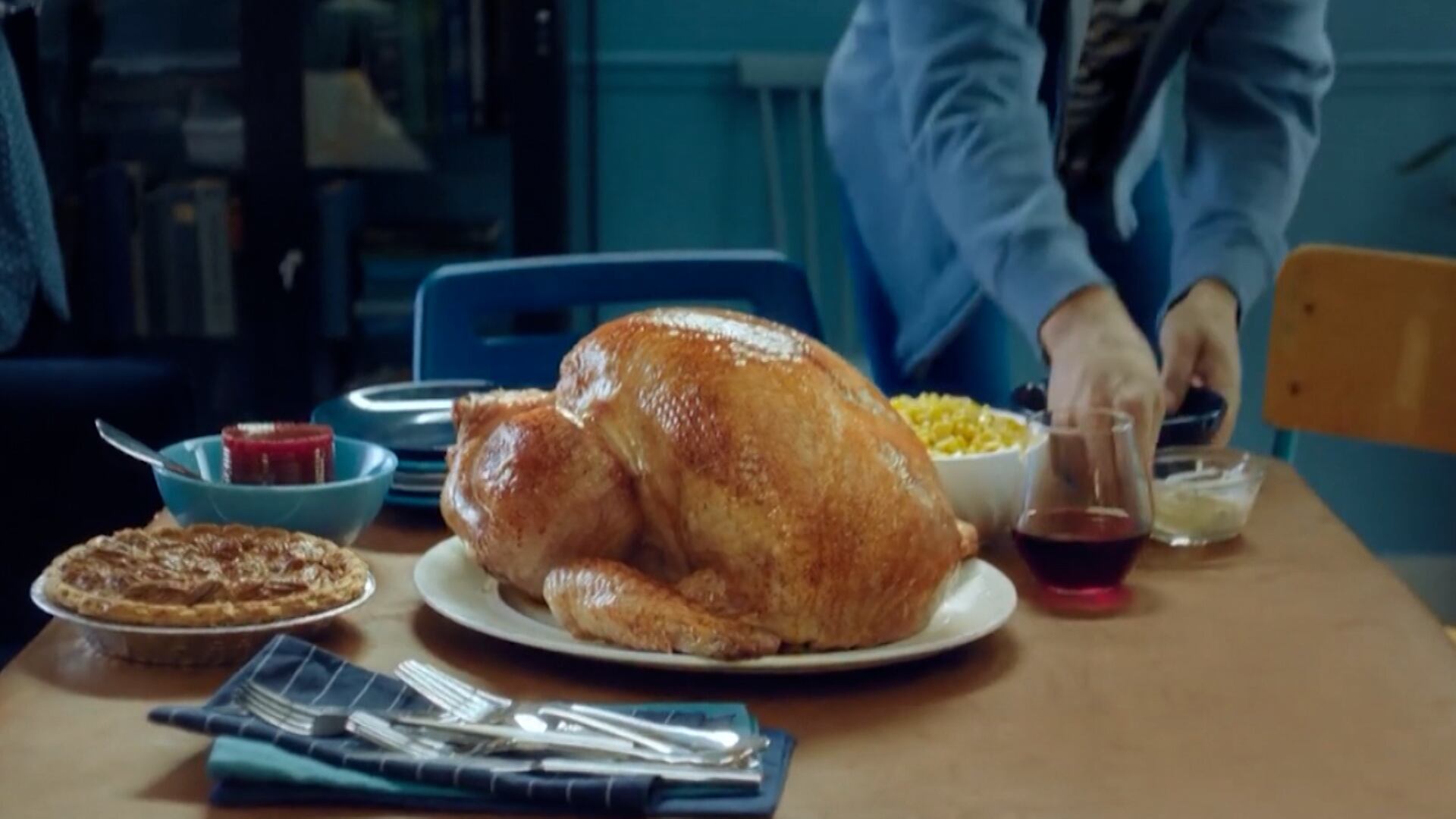
With Thanksgiving two days away, the USDA is reminding hosts of the importance of food safety. Karen Hunter, Food Safety Expert, USDA, joined Cheddar's Opening Bell to discuss the best food handling and leftover tips ahead of the holiday.
With millions of Americans set to host Thanksgiving this year, shoppers can expect to pay more at grocery stores, with the price of a thanksgiving meal up 14% from last year. According to the USDA, the average price of an 8- to 16-pound frozen turkey is up 21% from a year ago. Jay Jandrain, CEO, Butterball, joined Cheddar’s Opening Bell to discuss how his company is being affected by supply chain challenges and rising prices.
Jill and Carlo are a bit delayed today on account of Carlo's internet not working. Better late than never, they discuss what we know about the suspect in the Christmas parade crash, closing arguments in the Arbery killing trial, and more.
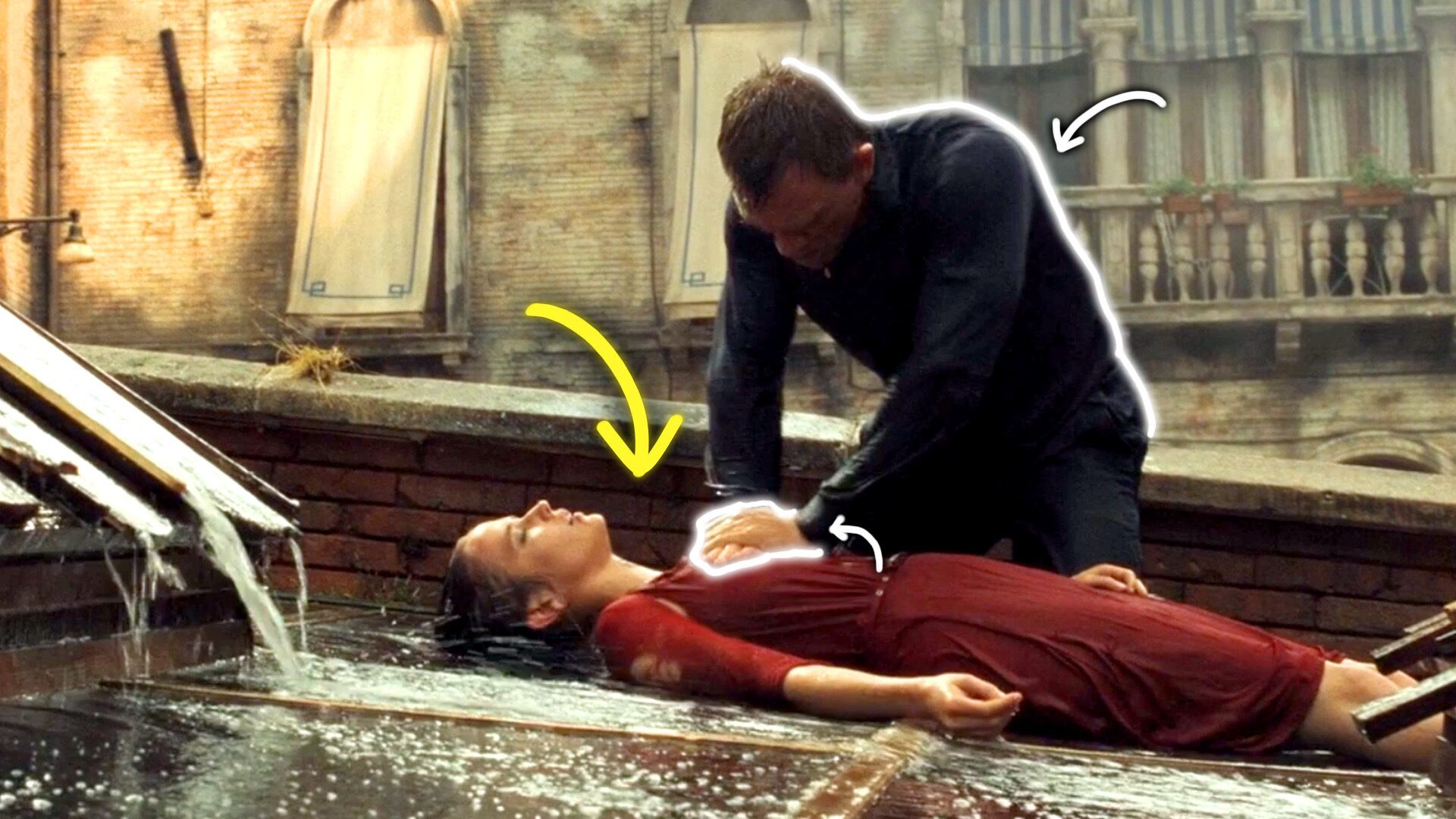
If you’ve ever watched a show or movie where a character is unconscious for some reason - drowning, electrocution, stabbed in a knife fight - you probably know what to expect next. Some hero will come perform what looks like cardiopulmonary resuscitation (CPR) for a minute or two, perhaps in slow motion, and definitely with a dramatic musical score. And bing, bang, boom, the unconscious character miraculously comes back to life.
If you’ve ever suspected that this is a gross exaggeration of the efficacy of CPR, well, you’re right. But exactly how wrong Hollywood gets CPR is hilarious at best and downright dangerous at worst.
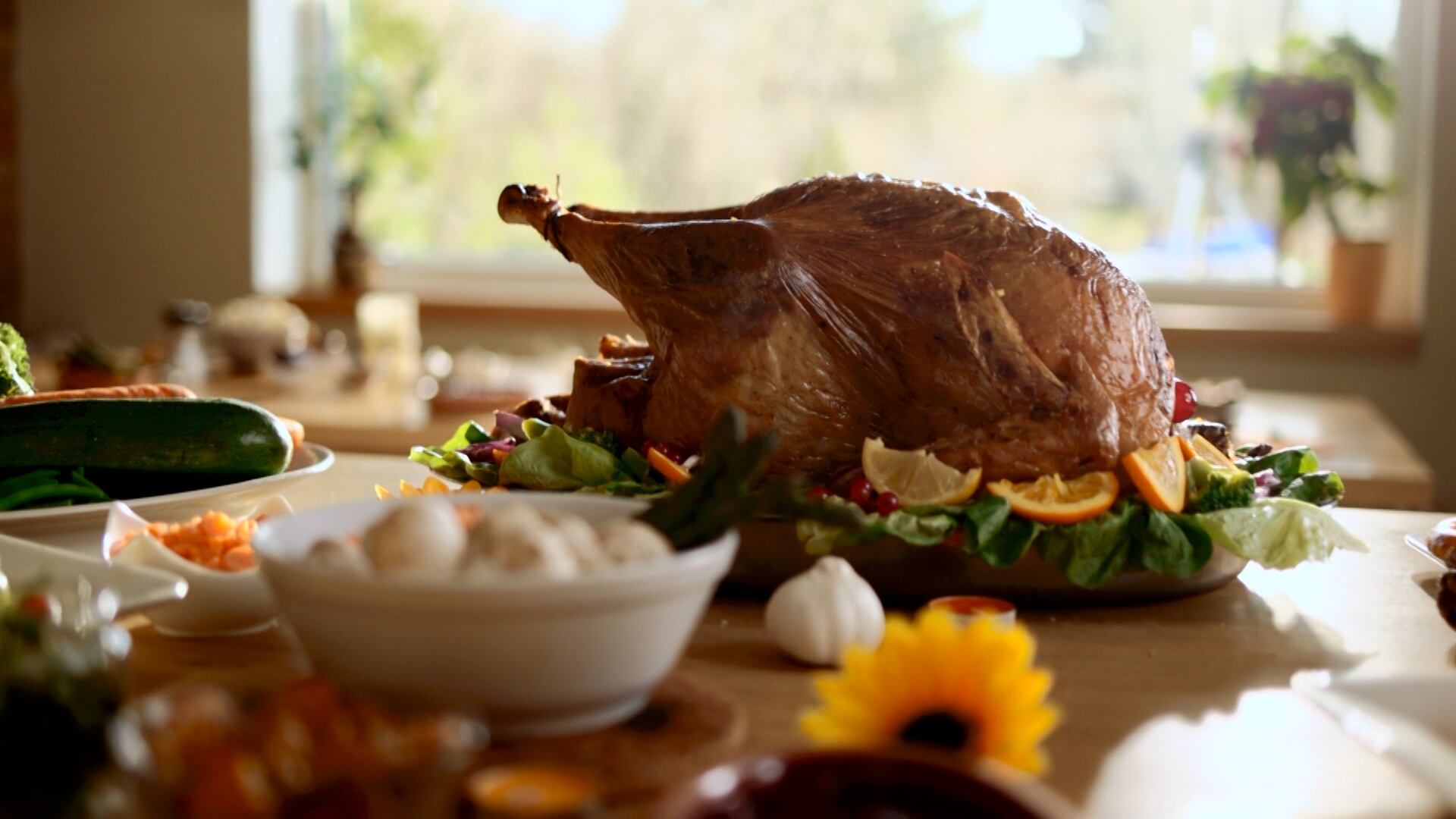
Brianna Wright, Senior Consumer Research Specialist at LendingTree, joins Cheddar to discuss how much Americans are expected to spend on Thanksgiving this year, and how millennials and gen-zers are taking over the holiday.
Special Olympics and WWE are announcing a three-year partnership extension of their global partnership to help create inclusion through sports. Mary Davis, CEO of Special Olympics and WWE superstar and Special Olympics Global Ambassador, Drew McIntyre join Cheddar News to talk about the announcement.
Gparency, a company that says its mission is to revolutionize the commercial mortgage industry, raised $15 million in its first funding round - representing the largest ever seed round in the commercial real estate space. Gparency's service will allow landlords and real estate developers to receive funding directly from banks, without the need for a mortgage broker. The company says its new approach will give power back to the consumer. Gparency founder and CEO Ira Zlotowitz joins Cheddar News' Closing Bell to discuss.