After Florence, Farm Animal Death Toll Could Be in Millions
*By Max Godnick*
Florence may be over, but floodwaters from the hurricane are still wreaking havoc in North Carolina ー and not in just the usual ways.
The state's hog-waste lagoons, some of which are larger than Olympic swimming pools, are now either overflowing or in real danger of being breached. That poses an immediate danger to the surrounding communities ー and the planet as a whole.
"The potential for groundwater contamination is massive," said Zoë Schlanger, an environmental reporter at Quartz.
The storm, which was eventually downgraded to a tropical depression, caused [at least 110](https://www.nytimes.com/2018/09/19/climate/florence-hog-farms.html) "reservoirs" to release their contents into the environment.
North Carolina is the second-largest hog-farming state in the country, with close to 10 million pigs producing about 10 billion gallons of manure each year. In the counties where most of the state's pork production takes place, hogs outnumber humans, each one producing two to five times more waste than people do each day.
Rain and floodwaters have rendered many of the affected facilities unreachable for the farmers eager to check on their livestock and assess the damage.
Schlanger said some areas still expect more flooding, which could worsen the already-rampant contamination.
"In certain places, it's going to get better. In certain places it's going to get worse," she said.
While there's nothing that can be done to contain the waste that's already been released, Schlanger said officials can prepare for the future by rethinking the industry's infrastructure.
After all, Schlanger said hog-waste has been a "daily health issue" for people in the state long before Florence.
One of the most-vulnerable counties is Duplin, where most of the farms in the state are located.
"They say even without the storm, the smell is horrendous," Schlanger said.
It's one of North Carolina's poorest counties and has a predominately black and Latino community, which she said poses a "very specific environmental justice issue."
But the problem isn't just with contamination ー there's also a significant economic impact.
According to the North Carolina Department of Agriculture, over 3 million chickens and turkeys and 5,500 hogs drowned during Florenceー a significant loss in inventory for the thousands of farmers who rely on the animals for their livelihoods.
"This will be devastating mostly for the small family farmers who are contracted by much larger companies," Schlanger said. "Those farmers often take on a lot of debt to run these operations."
For full interview [click here](https://cheddar.com/videos/pig-manure-lagoons-flood-after-florence).
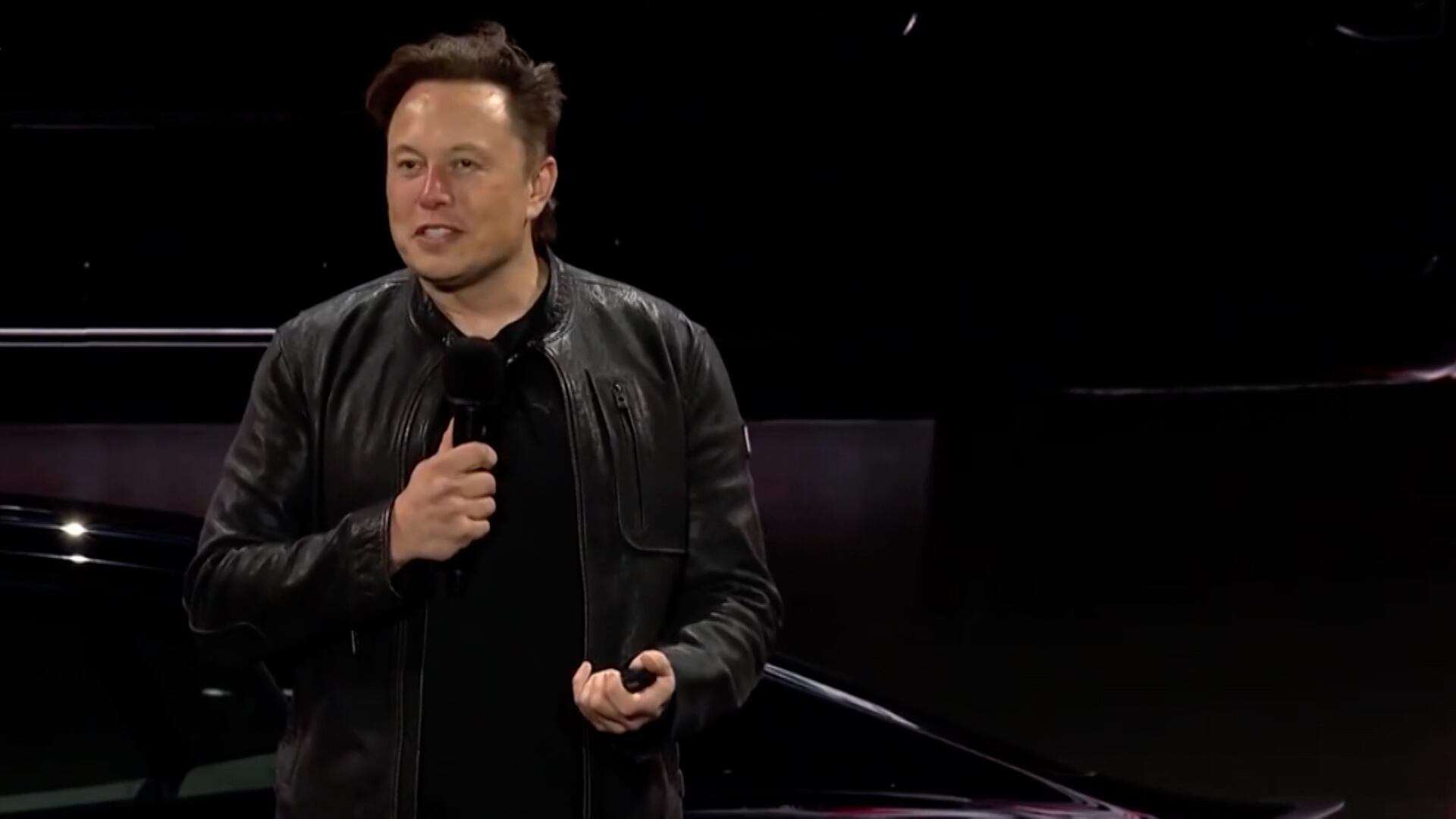
Although still early in development, blockchain technology, Web3, also known as Web 3.0 has been getting a lot of attention from some top tech names lately. Web3 is based on blockchain technology, which powers NFT’s and cryptocurrencies such as bitcoin. With Web3, users would ideally control their own data, rather than have it be controlled by a few large companies. But, Tesla CEO Elon musk isn't buying into Web3 just yet, tweeting over the weekend that the decentralized iteration of the internet seems more like a marketing "buzzword" right now than reality. Twitter co-founder Jack Dorsey also chiming in to the conversation, expressing doubt over whether or not Web3 would actually be decentralized if ownership still belonged to venture capital firms. Parker McCurley, co-founder & CEO of Decent Labs explains the significance of Web3 catching the eye of the tech giants, and what Web3 could mean for the future of the internet.
Carlo and Baker cover the heartening news on the Covid front ahead of the holiday, plus President Biden punting student loan repayments again, a new space telescope and Love, Hate, Ate: Christmas Eve Eve Edition!
This year's worldwide semiconductor shortage limited the supply of everything from new cars to smartphones; and now, many in the chip industry expect the shortage to continue deep into 2022, and maybe even 2023. Semiconductor senior research analyst for Robert W. Baird & Co., Tristan Gerra, joins Cheddar News' Closing Bell to discuss.
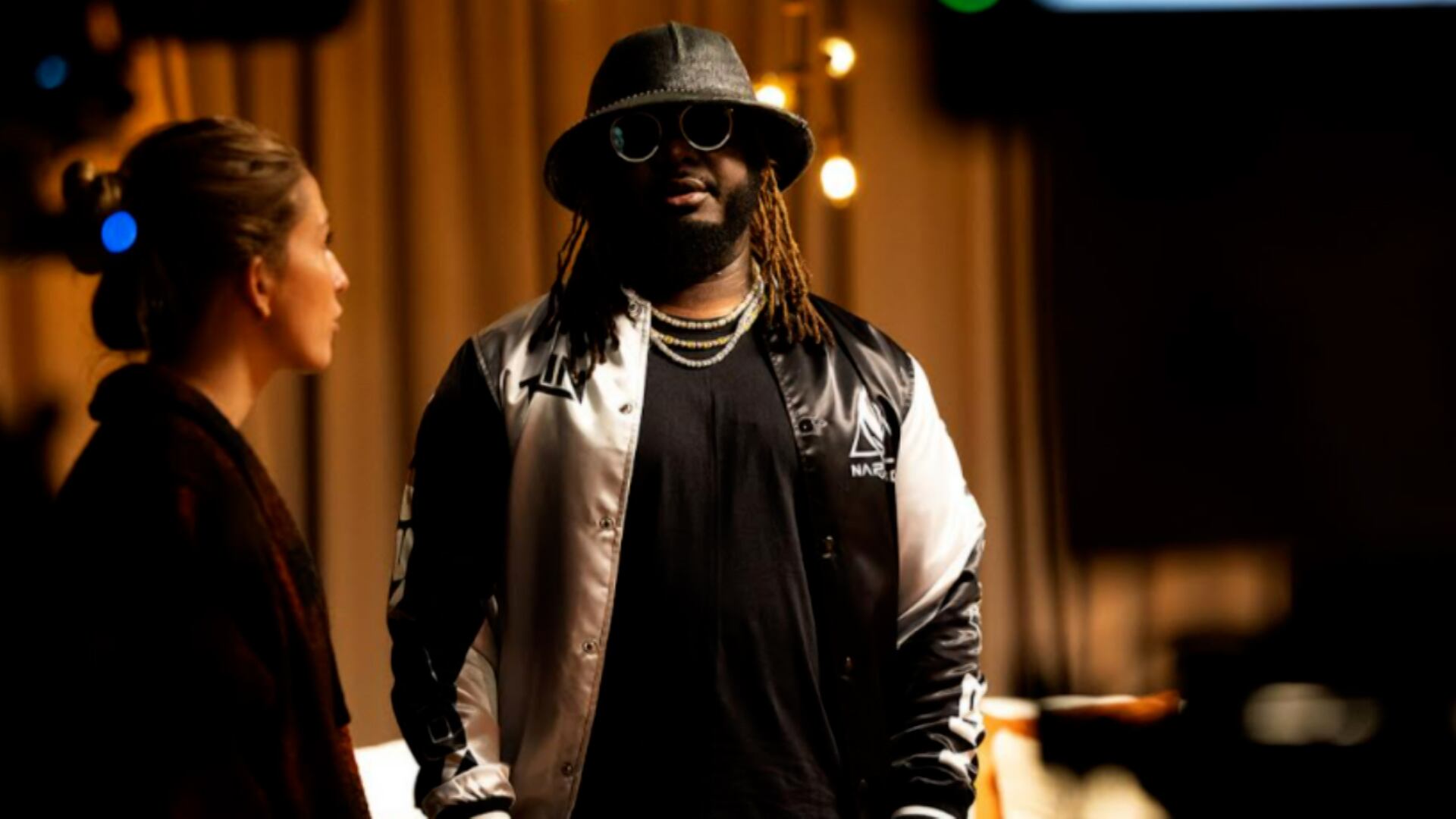
Pavel Bains, the Executive Producer of MixMob and CEO of Bluzelle, joins Cheddar News' Closing Bell to elaborate on an opinion piece he wrote for CoinDesk in which he compares the cultural significance of crypto to hip hop in the 1990s.
Direct health care company Nomi Health recently raised $110 million in a Series A round. Nomi Health lets public and private organizations directly purchase healthcare at reduced costs, and pay providers in real-time. It also delivers healthcare directly to under-served communities via its fleet of mobile care units, which the company says is the largest in the country. Nomi Health says its mission is to improve the health care experience for all Americans. Nomi Health CEO Mark Newman joined Cheddar News' Closing Bell to discuss.
Darby Fox, child and adolescent family therapist, joins Cheddar News to discuss how parents can navigate their child's mental wellness during the holidays.
A new series is looking to advance Black founders who have disruptive ideas and companies. 'Bet on Black' is a new series that allows black entrepreneurs to pitch their businesses in the hopes of securing $200,000 in funding. Revolt TV and Target teamed up to create the show. Detavio Samuels, CEO of Revolt, joins Cheddar News to discuss.
Bitcoin's rise to the mainstream has been a wild ride this year. The cryptocurrency is trading a little under $49,000 Wednesday morning and is set to finish the year sharply higher than where it began earlier this year. Ether prices also soared this year, rising from $730 per coin to nearly $4,000. Ben Armstrong, founder of Bitboy Crypto, joins us to discuss what's in store for crypto in 2022.
Misty Gaither, Senior Director, Global Head of Diversity, Inclusion & Belonging at Indeed, joins Cheddar Wellness to discuss some of the top motivating factors for job switchers, and advice for finding a fulfilling, long-lasting job.