After Florence, Farm Animal Death Toll Could Be in Millions
*By Max Godnick*
Florence may be over, but floodwaters from the hurricane are still wreaking havoc in North Carolina ー and not in just the usual ways.
The state's hog-waste lagoons, some of which are larger than Olympic swimming pools, are now either overflowing or in real danger of being breached. That poses an immediate danger to the surrounding communities ー and the planet as a whole.
"The potential for groundwater contamination is massive," said Zoë Schlanger, an environmental reporter at Quartz.
The storm, which was eventually downgraded to a tropical depression, caused [at least 110](https://www.nytimes.com/2018/09/19/climate/florence-hog-farms.html) "reservoirs" to release their contents into the environment.
North Carolina is the second-largest hog-farming state in the country, with close to 10 million pigs producing about 10 billion gallons of manure each year. In the counties where most of the state's pork production takes place, hogs outnumber humans, each one producing two to five times more waste than people do each day.
Rain and floodwaters have rendered many of the affected facilities unreachable for the farmers eager to check on their livestock and assess the damage.
Schlanger said some areas still expect more flooding, which could worsen the already-rampant contamination.
"In certain places, it's going to get better. In certain places it's going to get worse," she said.
While there's nothing that can be done to contain the waste that's already been released, Schlanger said officials can prepare for the future by rethinking the industry's infrastructure.
After all, Schlanger said hog-waste has been a "daily health issue" for people in the state long before Florence.
One of the most-vulnerable counties is Duplin, where most of the farms in the state are located.
"They say even without the storm, the smell is horrendous," Schlanger said.
It's one of North Carolina's poorest counties and has a predominately black and Latino community, which she said poses a "very specific environmental justice issue."
But the problem isn't just with contamination ー there's also a significant economic impact.
According to the North Carolina Department of Agriculture, over 3 million chickens and turkeys and 5,500 hogs drowned during Florenceー a significant loss in inventory for the thousands of farmers who rely on the animals for their livelihoods.
"This will be devastating mostly for the small family farmers who are contracted by much larger companies," Schlanger said. "Those farmers often take on a lot of debt to run these operations."
For full interview [click here](https://cheddar.com/videos/pig-manure-lagoons-flood-after-florence).
In an effort to fight climate change several corporations have vowed to work to fight climate change by 2030. They say the goal is to reduce carbon emissions by 40% or even close to 100%. However, according to a new study, many of these companies are not actually practicing what they preach. Tom Egger, senior lecturer at Emeritus at the University of Wisconsin, joins Cheddar News to discuss more.
'Jeen-Yuhs: A Kanye Trilogy' dives into over 20 years of the icon himself, Kanye West. The trilogy is described as 'an intimate and revealing portrait of Kanye West's experience, showcasing both his formative days trying to break through and his life today as a global brand and artist.' Cheddar news sat down with directors of the documentary and long-time friends of Kanye, Chike Ozah and Clarence "Coodie" Simmons, to discuss the project.
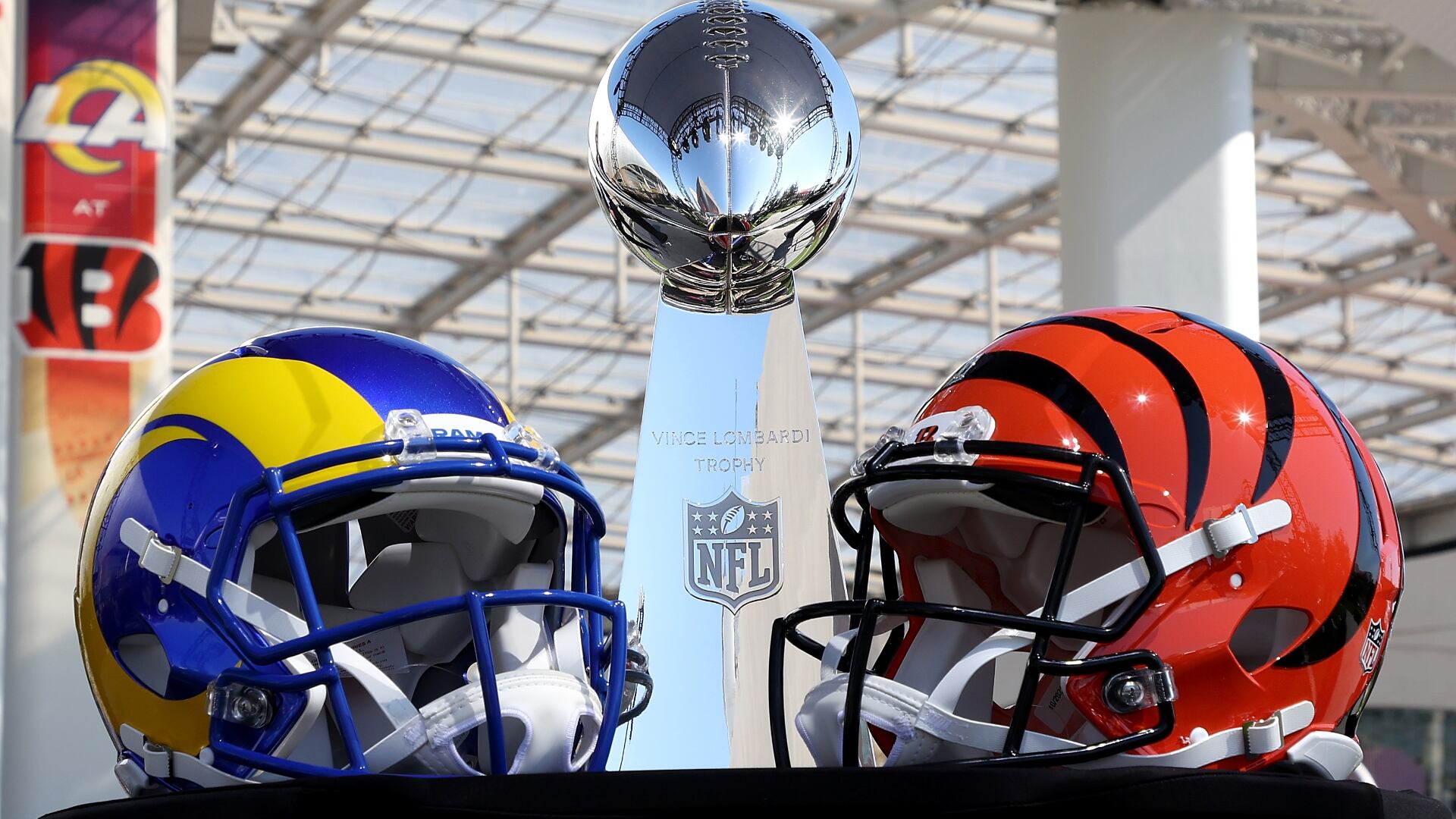
The Super Bowl is only a few days away, and the game is currently tracking to be the most expensive one ever.
Gametime, a website and app for last-minute tickets, says the average ticket price for the NFL's championship game is $9,502.50, with the most expensive seats costing nearly $38,000. That's a far cry away from the average ticket price of the first-ever Super Bowl in 1967, which was only $12. The average ticket price increased by more than $8,000 in just the past decade. Matt Rados, Senior Operations Manager at Gametime, joins Cheddar News' Closing Bell to discuss.
At-home medical labs company Getlabs raised $20 million in a Series A round, led by Emerson Collective and the Minderoo Foundation. Getlabs aims to be the boots-on-the-ground partner to telehealth. The company says more than 70% of medical decisions still require collecting diagnostic tests in person, and that it fills that void by delivering health care directly to their patients' homes. Founder & CEO of Getlabs Kyle Michelson joined Cheddar News' Closing Bell to discuss.
Sting has sold his catalog of more than 600 songs for $300 million to Universal Music. The deal gives the label the rights to all of his work, including “Every Breath You Take," as well as all future royalties.
Miller Lite is opening the first branded bar in the metaverse, by way of Decentraland, as a way to advertise during the Super Bowl this year without buying an expensive TV commercial slot. Sofia Colucci, global vice president of Miller Family of Brands, joined Cheddar to talk about the new marketing concept. "We have a lot of great partnerships with NFL teams throughout the year but were shut out of advertising during the Super Bowl game, so this pushes us to think creatively and also think of what feels really relevant right now," Colucci said. "There's no question that there's a lot of excitement with the metaverse, and we wanted to participate but in a way that felt right for Miller Lite."
Kalle Marsal, Chief Operating Officer at PetDx, joins Cheddar Innovates to discuss how next-generation sequencing technology is being used to detect cancer in pets early.
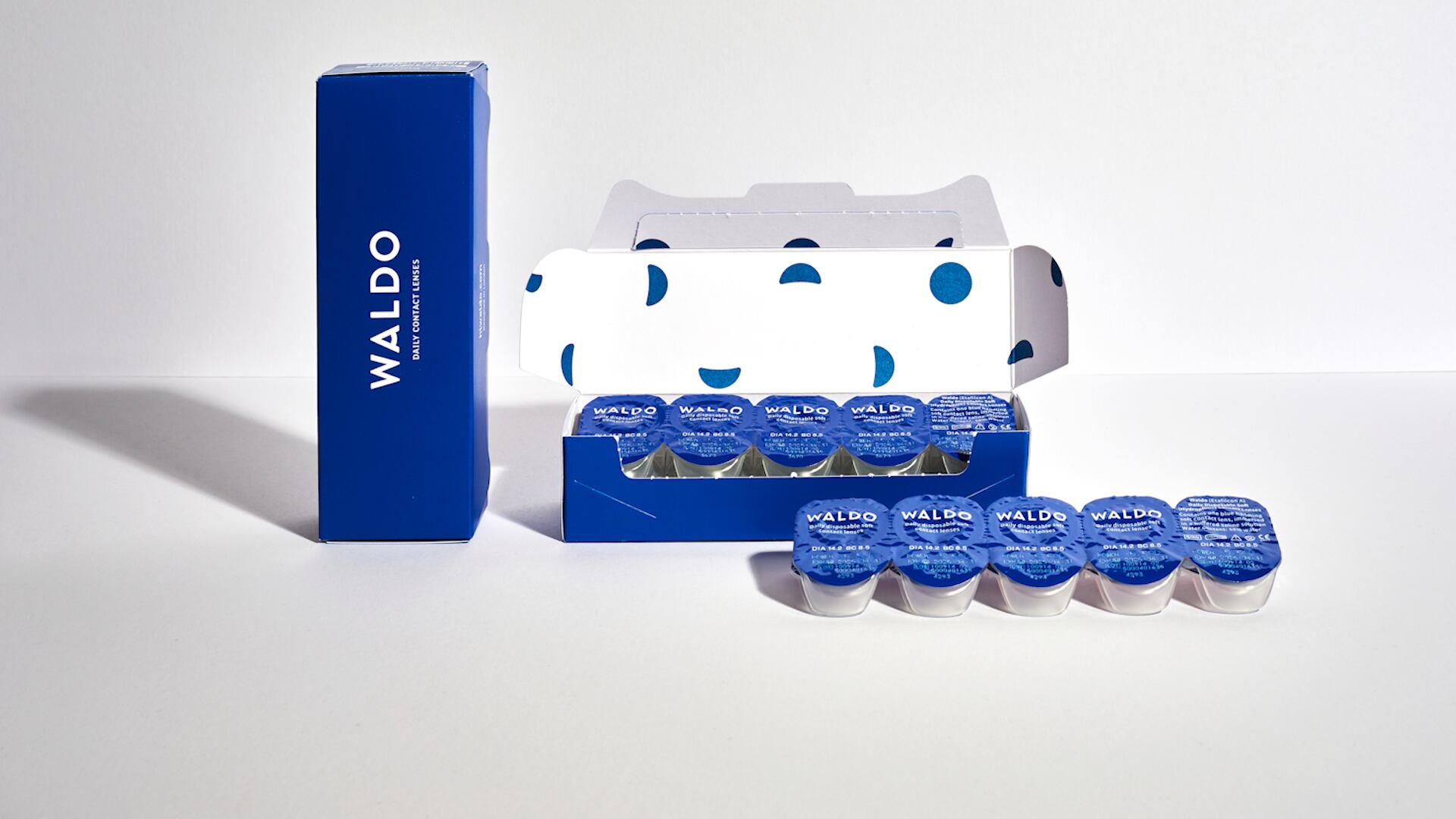
Ashleigh Hinde, Founder and CEO of WALDO, joins Cheddar Innovates to discuss why now is a good time to make eyecare a priority, and how they are democratizing access to eyecare for all.