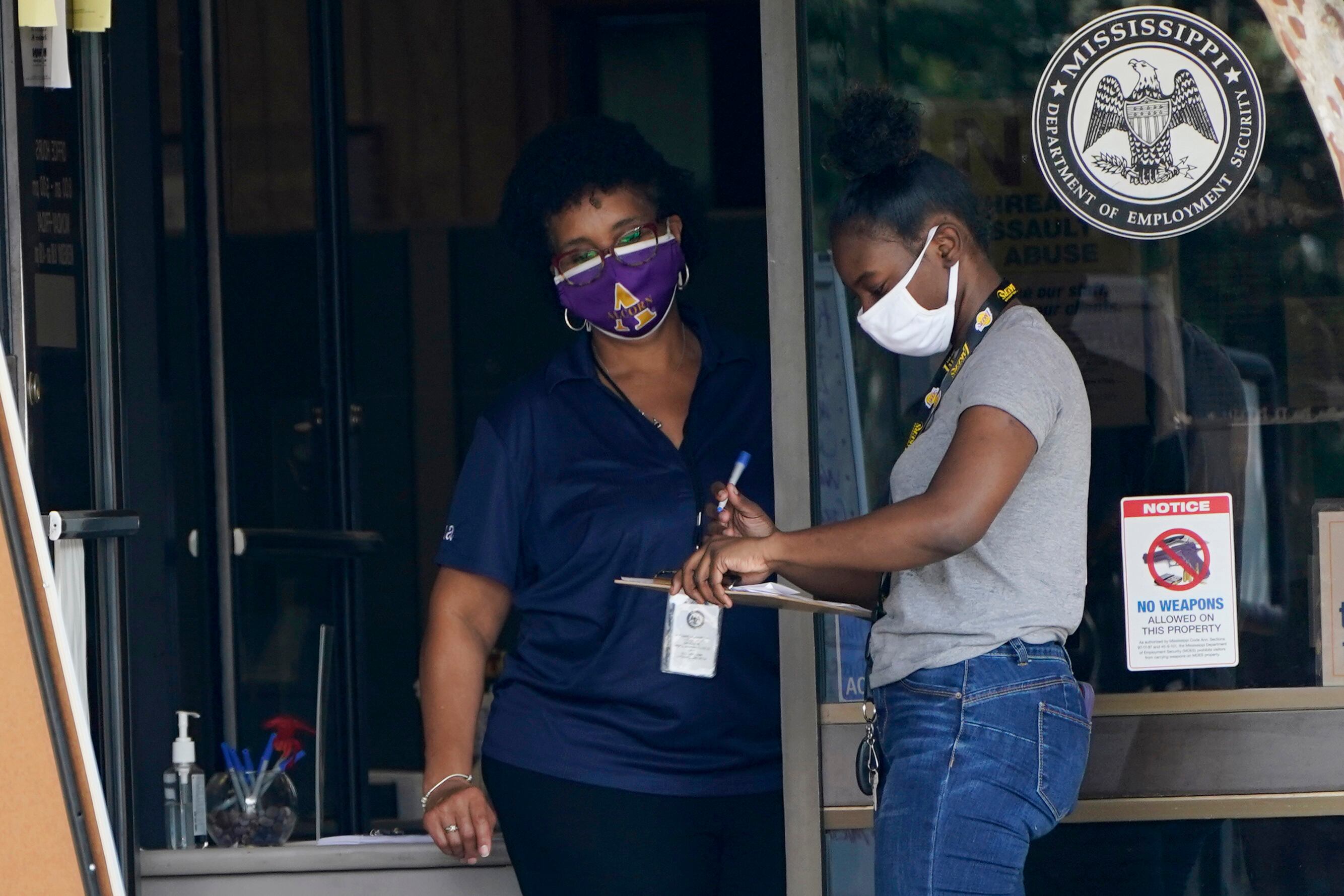
n employee of the Mississippi Department of Employment Security WIN Job Center in Pearl, Miss., left, assists a client fill out paperwork, Monday, Aug. 31, 2020. Payroll processor ADP said Wednesday, Sept. 2, that businesses added 428,000 jobs in August, a figure that before the pandemic would have represented a healthy gain. But the increase represents a small slice of the 12 million jobs that have been lost to the spread of the coronavirus.(AP Photo/Rogelio V. Solis)
By Christopher Rugaber
U.S. companies added jobs at a modest pace last month, a private survey found, a sign that while hiring continues, it is only soaking up a relatively small proportion of the unemployed.
Payroll processor ADP said Wednesday that businesses added 428,000 jobs in August, a figure that before the pandemic would have represented a healthy gain. But the increase represents a small slice of the 12 million jobs that have been lost to the spread of the coronavirus.
ADP said the bulk of the gains were at large companies, which added 298,000 jobs. Small businesses with less than 50 employees gained just 52,000 positions, while medium-sized firms — with between 50 and 499 employees — added 79,000 jobs.
"Given the enormous job losses during the Viral Recession, job growth of around 400,000 per month means that it would take years for the labor market to recover from the coronavirus pandemic," Gus Faucher, an economist at PNC, said.
ADP's figures do not include government workers and frequently diverge from the Labor Department's official jobs report. The August jobs report from the government will be released Friday. ADP revised up its July job gain to 212,000, but that is still far below the 1.8 million additional jobs that month reported by the federal government.
Economists forecast that the Labor Department on Friday will report that 1.4 million jobs were added in August, while the unemployment rate is expected to have fallen to 9.8 percent from 10.2 percent, according to data provider FactSet.
As commercial options tighten, more travelers are turning to private aviation. Wheels Up CEO George Mattson breaks down capacity and demand challenges.
Layoffs, hiring slowdowns, and shifting skill demands dominate this year’s job talk. LinkedIn’s Kory Kantenga explains what workers should watch for next.
Retailers face tariffs and cost challenges this holiday season. Wells Fargo's Lauren Murphy shares insights on pricing, promotions, and shopping trends.
Dateability, founded by sisters Jacqueline and Alexa Child, is the only dating app for disabled and chronically ill communities, fostering love without limits.
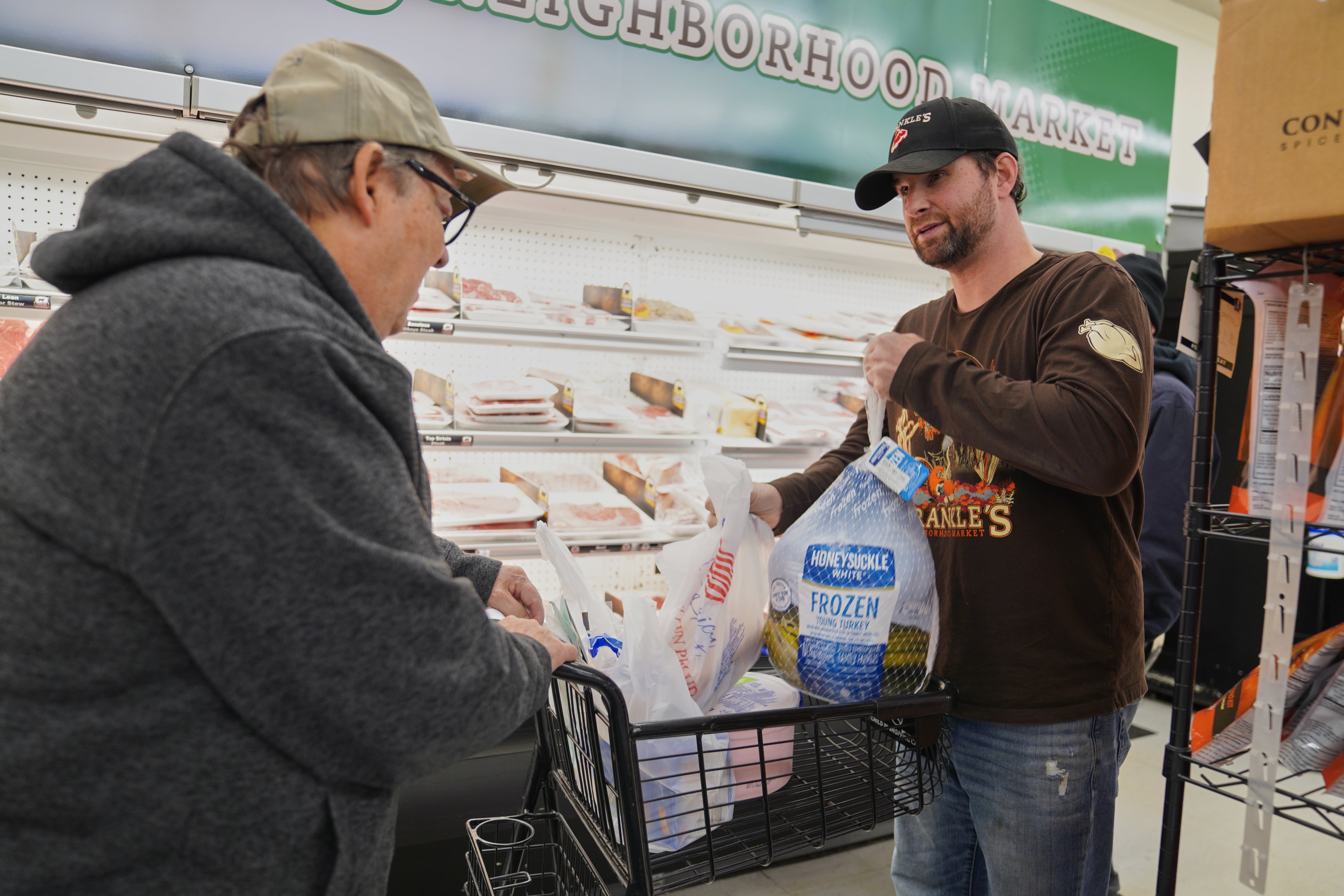
Some small grocery stores and neighborhood convenience stores are eager for the U.S. government shutdown to end and for their customers to start receiving federal food aid again. Late last month, the Trump administration froze funding for the SNAP benefits that about 42 million Americans use to buy groceries. The U.S. Department of Agriculture says about 74% of the assistance was spent last year at superstores like Walmart and supermarkets like Kroger. Around 14% went to smaller stores that are more accessible to SNAP beneficiaries. A former director of the United Nations World Food Program says SNAP is not only a social safety net for families but a local economic engine that supports neighborhood businesses.
Andy Baehr, Head of Product at CoinDesk Indices, breaks down crypto’s Black Friday crash, Bitcoin dipping under $100K, and what’s driving the market rout.