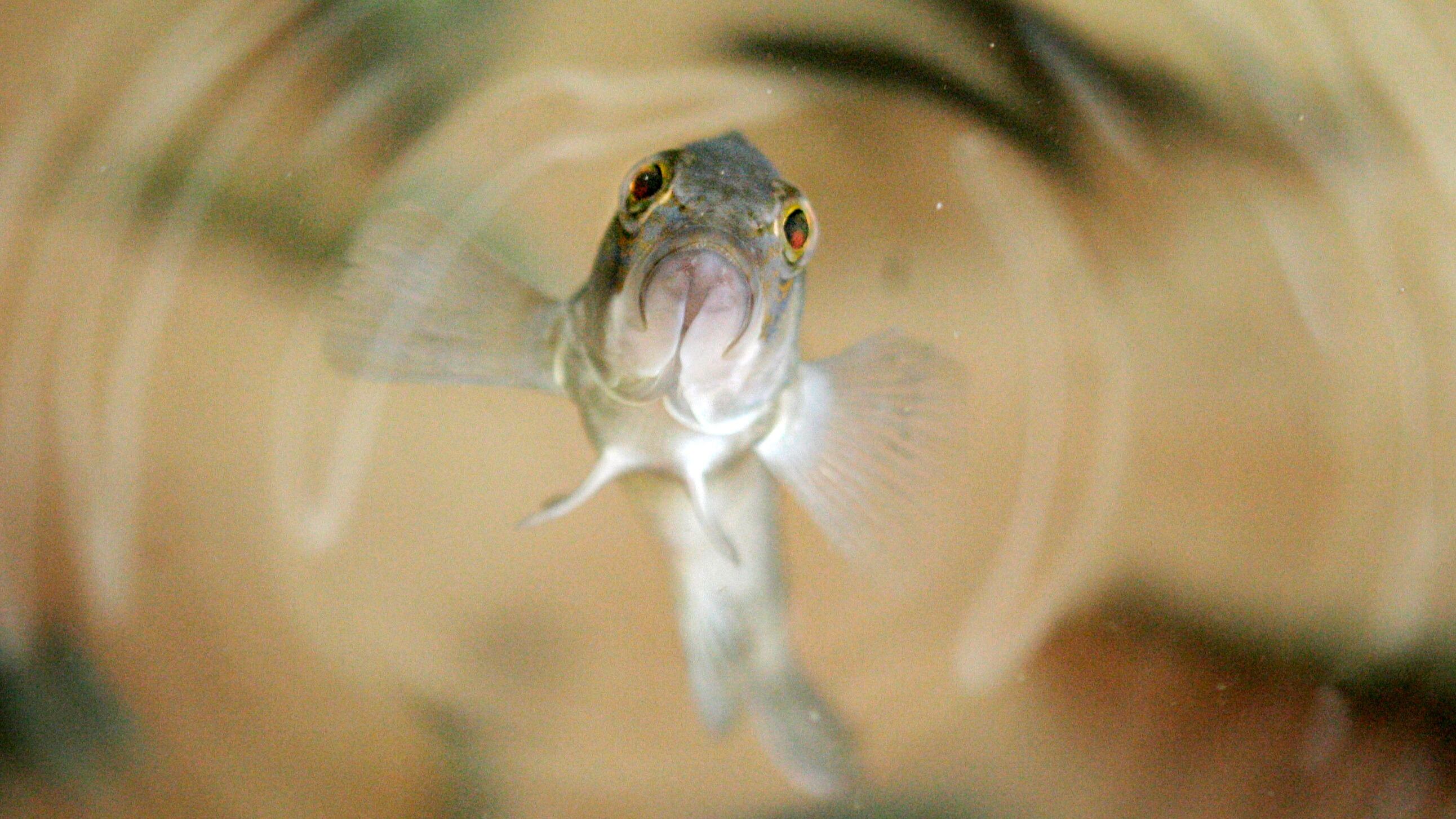
File photo of sea bass. (Photo: AP Photo/Steven Senne, File)
A commercial fisherman accused of conspiring with others to sell 200,000 pounds (90,000 kilos) of fish in excess of legal quotas has been convicted in federal court in New York.
Christopher Winkler, 63, of Montauk, was convicted Wednesday in Central Islip of one count of criminal conspiracy, two counts of mail fraud and two counts of obstruction of justice. Winkler, the captain of a fishing trawler called the New Age, was accused of falsifying records to sell illegal fluke and black sea bass worth nearly $900,000 between 2014 and 2017.
“Fluke and black sea bass play a vital part in our marine ecosystem and quotas are designed to prevent overfishing and stabilize populations for the public good,” Assistant Attorney General Todd Kim said in a news release. “We will continue to seek justice against those who flout laws that protect fisheries and the fishing industry.”
Winkler's attorneys Richard Levitt and Peter Smith said the case was based on outdated limits on fluke, also known as summer flounder.
“There is nothing at all rational about this system, but Mr. Winkler and other Long Island fishermen are easy scapegoats for this regulatory insanity,” the lawyers said in a statement.
The New York Times reported that Levitt told jurors that Winkler was a “working stiff” who had been wronged by the government in a misguided prosecution. Levitt also pointed to rules that force fishermen to throw over-quota fish back into the water even if most die.
Prosecutors said Winkler supplied over-the-limit fish to dealers, including Gosman’s fish dock in Montauk and two others that operated out of the New Fulton Fish Market in the Bronx.
Two members of the Gosman family, cousins Asa and Bryan Gosman, pleaded guilty in 2021 to a single count of mail fraud and cooperated in the government’s investigation.
Newsday reported that Winkler's attorneys sought to paint the prosecution's witnesses as untrustworthy, noting that many, including the Gosmans, admitted to drug and alcohol use.
Prosecutor Christopher Hale said during his summation that some of the witnesses were “scoundrels” but added, “We take the witnesses as they come. It’s not a beauty pageant.”
Levitt vowed to appeal the verdict. Winkler remains free on bail and no date has been set for his sentencing.
David Mazza, Managing Director & Head of Product at Direxion, joins Cheddar News to discuss how traders and investors can start planning for volatility, and ways to use leveraged and inverse ETFs during these volatile times.
Jeff Powell, Managing Partner and Chief Investment Officer at Polaris Wealth Advisory Group, joins Cheddar News' Closing Bell, where he says the market was looking for - and received - a little bit of relief when it came to the geopolitical conflict between Russia and Ukraine.
Nikil Viswanathan, Co-Founder and CEO of Alchemy, joins Cheddar News' Closing Bell, where he says his company has tripled its business over the past several months and that it will be heavily investing into global expansion following its $200 million funding round.
Swedish electric motorcycle maker Cake says its mission is to inspire society to adopt a zero-emission lifestyle. The company admits this is a lofty goal that covers a lot of ground - so it's starting with the world of urban mobility and last-mile deliveries. The company also has an agreement in place with NorthVolt to continually improve the environmental impact of batteries for electric vehicles. Stefan Ytterborn, Founder & CEO of Cake, joins Cheddar Climate to discuss.
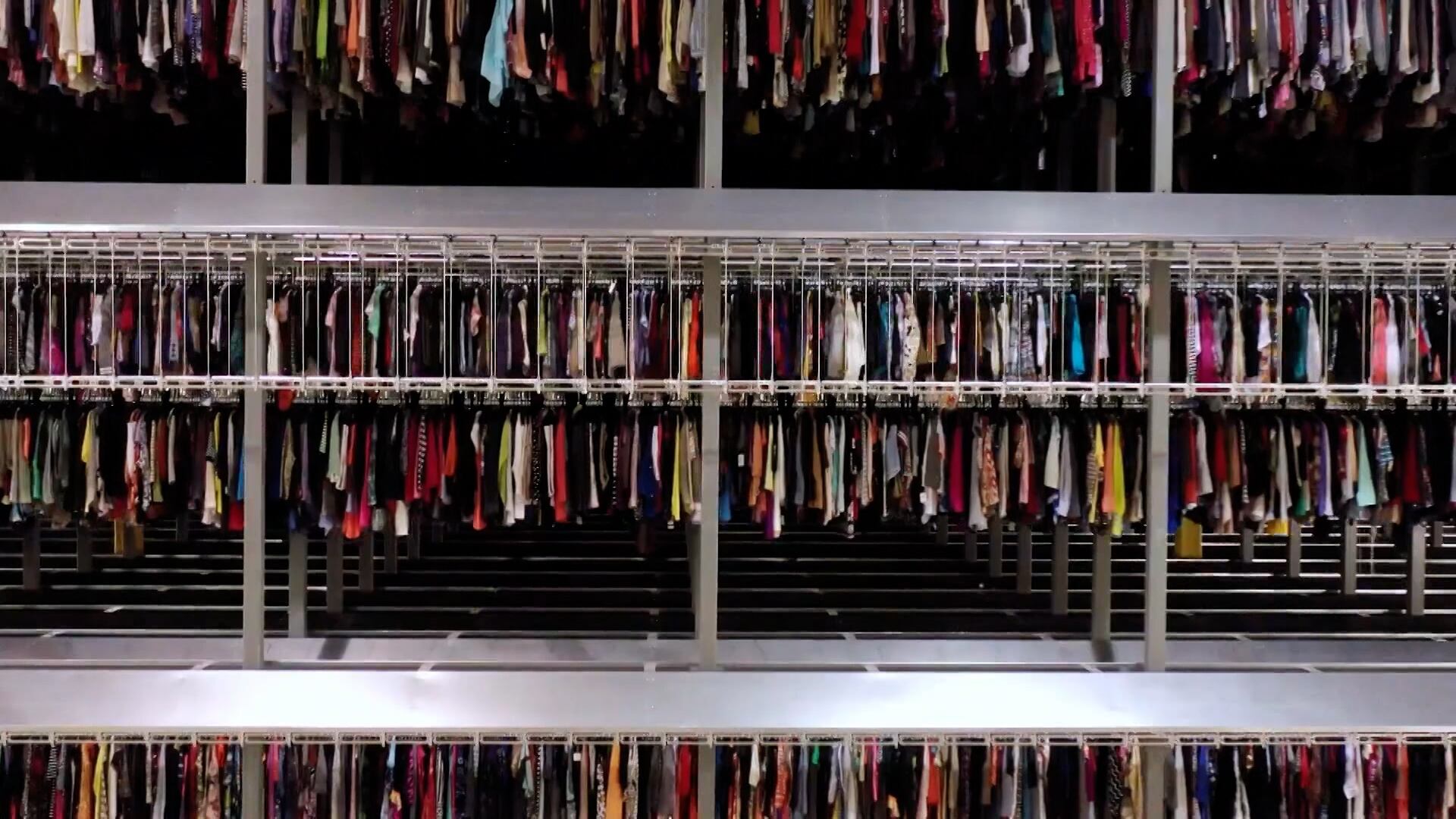
One retailer and publicly-traded company says it is on a mission to inspire a new generation of consumers to think secondhand - first. thredUP is one of the world's largest resale platforms for women's and kids' apparel, shoes, and accessories. The company says it is changing the way consumers shop and ushering in a more sustainable future for the fashion industry. Anthony Marino, President of thredUP, joins Cheddar Climate to discuss.
The fashion industry relies on trends and consumerism, and collections have historically been produced in a seasonal cycle. But in recent years, fast fashion has led to a higher turnover of collections and has created massive industry waste. As designers at New York Fashion Week tout their sustainable practices, has the industry fully committed to lessening its waste and potentially cutting back on production? Amy Odell, fashion journalist & author of 'ANNA: The Biography,' joins Cheddar Climate to discuss how the fashion industry is incorporating sustainable practices (or not), any potential accountability measures including the New York State Fashion Act, and more.