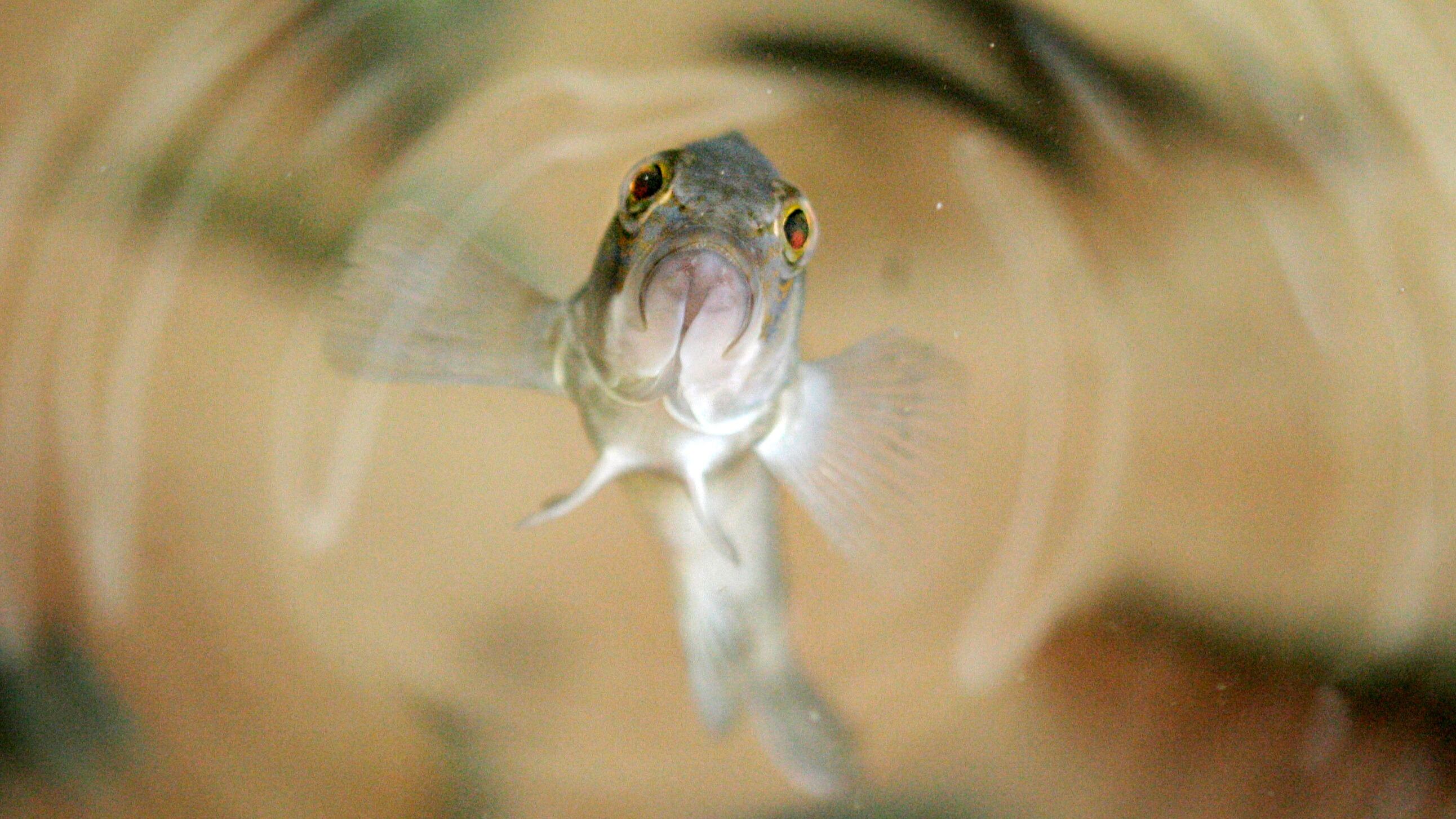
File photo of sea bass. (Photo: AP Photo/Steven Senne, File)
A commercial fisherman accused of conspiring with others to sell 200,000 pounds (90,000 kilos) of fish in excess of legal quotas has been convicted in federal court in New York.
Christopher Winkler, 63, of Montauk, was convicted Wednesday in Central Islip of one count of criminal conspiracy, two counts of mail fraud and two counts of obstruction of justice. Winkler, the captain of a fishing trawler called the New Age, was accused of falsifying records to sell illegal fluke and black sea bass worth nearly $900,000 between 2014 and 2017.
“Fluke and black sea bass play a vital part in our marine ecosystem and quotas are designed to prevent overfishing and stabilize populations for the public good,” Assistant Attorney General Todd Kim said in a news release. “We will continue to seek justice against those who flout laws that protect fisheries and the fishing industry.”
Winkler's attorneys Richard Levitt and Peter Smith said the case was based on outdated limits on fluke, also known as summer flounder.
“There is nothing at all rational about this system, but Mr. Winkler and other Long Island fishermen are easy scapegoats for this regulatory insanity,” the lawyers said in a statement.
The New York Times reported that Levitt told jurors that Winkler was a “working stiff” who had been wronged by the government in a misguided prosecution. Levitt also pointed to rules that force fishermen to throw over-quota fish back into the water even if most die.
Prosecutors said Winkler supplied over-the-limit fish to dealers, including Gosman’s fish dock in Montauk and two others that operated out of the New Fulton Fish Market in the Bronx.
Two members of the Gosman family, cousins Asa and Bryan Gosman, pleaded guilty in 2021 to a single count of mail fraud and cooperated in the government’s investigation.
Newsday reported that Winkler's attorneys sought to paint the prosecution's witnesses as untrustworthy, noting that many, including the Gosmans, admitted to drug and alcohol use.
Prosecutor Christopher Hale said during his summation that some of the witnesses were “scoundrels” but added, “We take the witnesses as they come. It’s not a beauty pageant.”
Levitt vowed to appeal the verdict. Winkler remains free on bail and no date has been set for his sentencing.
Cheddar News senior reporter, Michelle Castillo joined Scott Keogh, CEO of Volkswagen Group of America, for a ride in the new ID.Buzz electric van at South by Southwest. Keogh touched on issues from the auto giant's commitment to electrification and achieving carbon neutrality to the need for more charging infrastructure to support the electric vehicle wave. "We made a commitment to be CO2 neutral, and I think the reason it is, simplistically is, we're the world's largest car company. We're responsible for 1 percent of global CO2 emissions, and frankly, leaders have to lead and so that's what we want to do," he said.
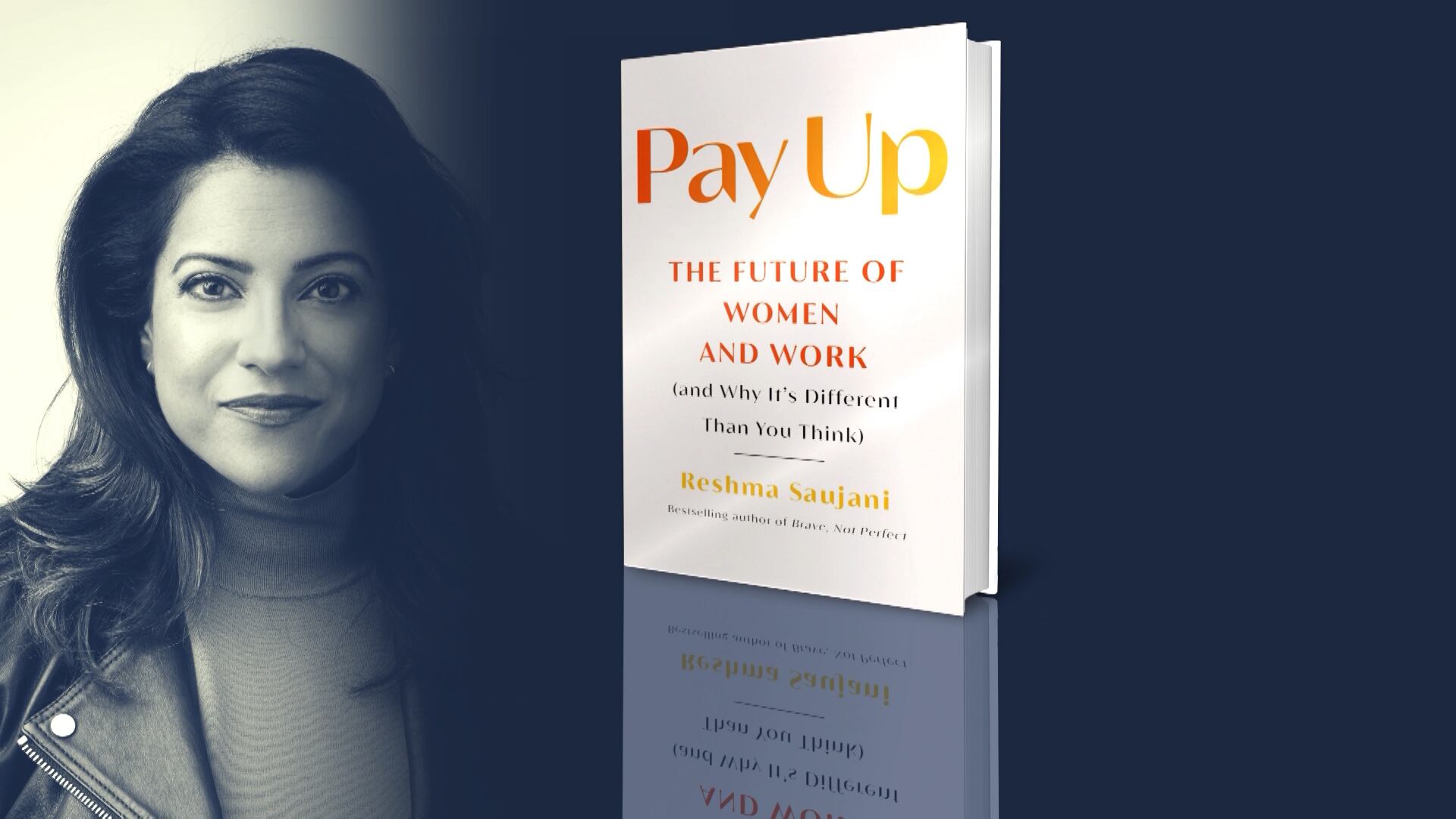
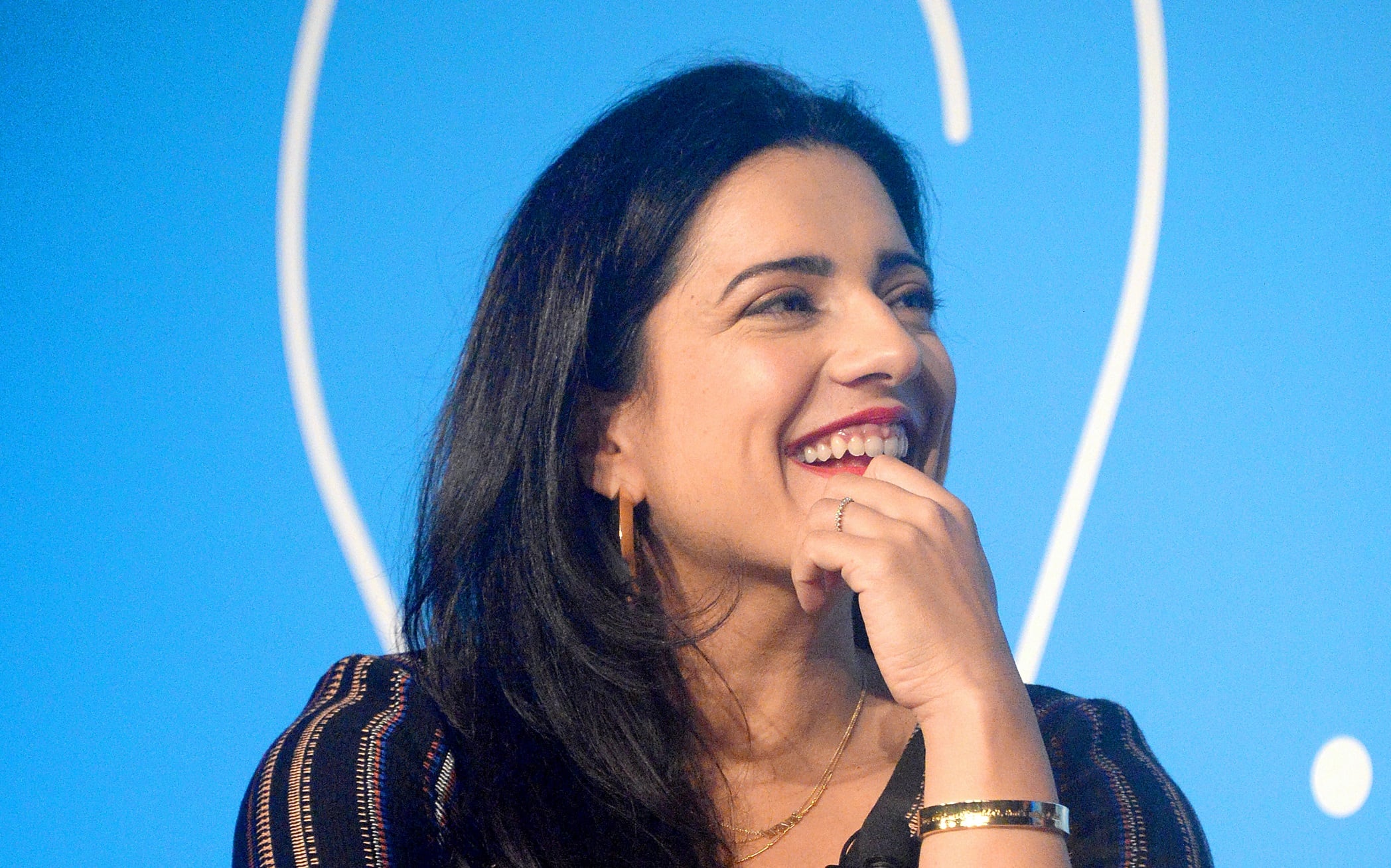
Reshma Saujani, the founder of Girls Who Code and author of "Pay Up: The Future of Women and Work (and Why It's Different Than You Think), joined Cheddar to discuss the many challenges for women in the workplace after the upheaval caused by the pandemic and the solutions she presents.
Companies are leaning towards hybrid workforces due to the pandemic as a means of bringing back workers to the office — especially women employees. Head of HR technology at Capital One, Maureen Jules-Perez, joined Cheddar News to talk about initiatives and technology that the bank is taking to set up a successful hybrid workplace. "Do we have the experiences or the spaces for everyone to feel belonging or included? Do we feel heard? And of course, when it comes to building products, we have all the different, diverse perspectives and thoughts and ideas being incorporated to have the optimal solution or delivery," she said.
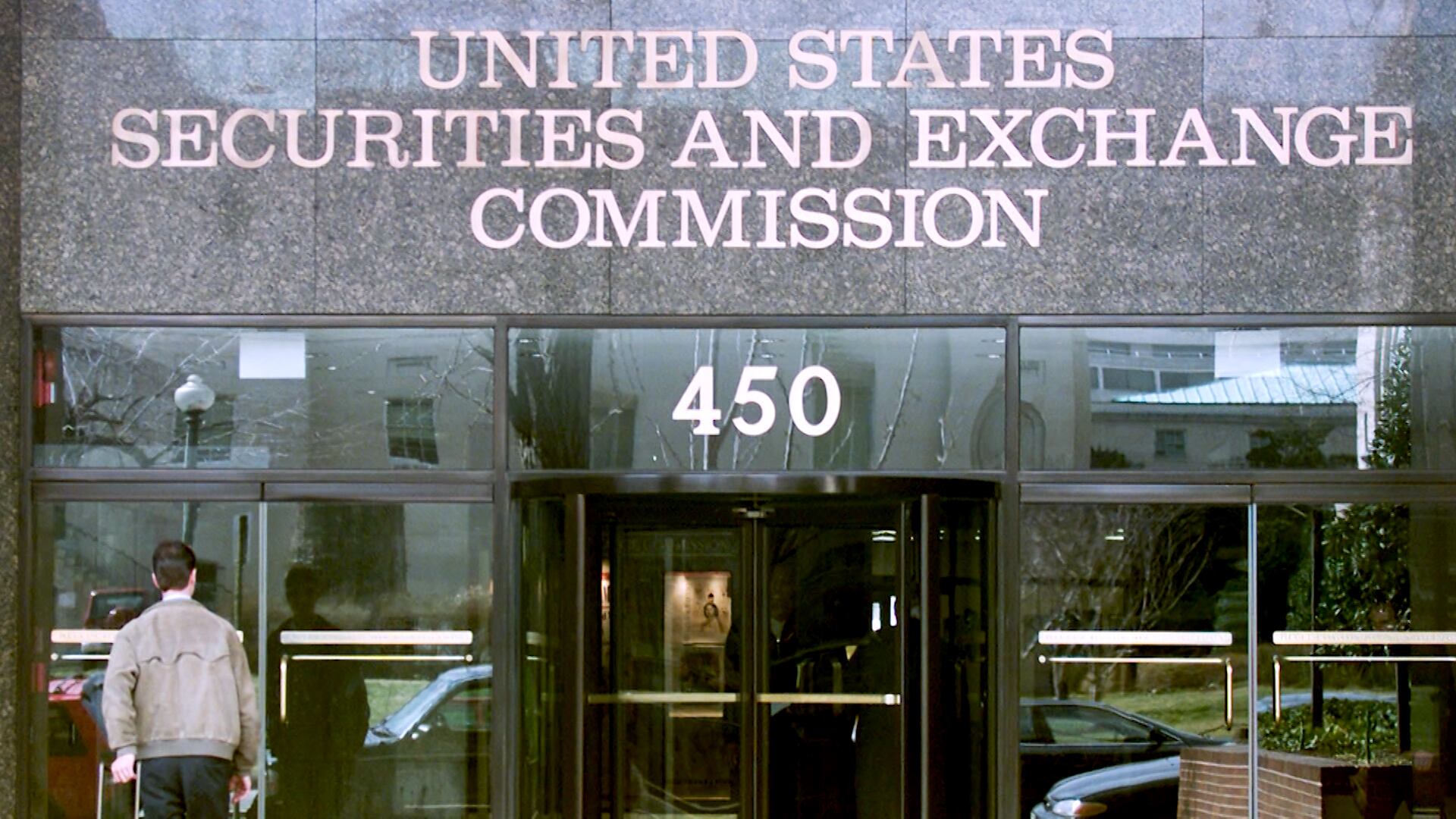
The U.S. Securities and Exchange Commission Monday laid out a proposal that would require businesses to disclose the emissions they produce. Kathleen Rogers, CEO & President at EARTHDAY.ORG, joined Cheddar News to break down the implications of this historic step.
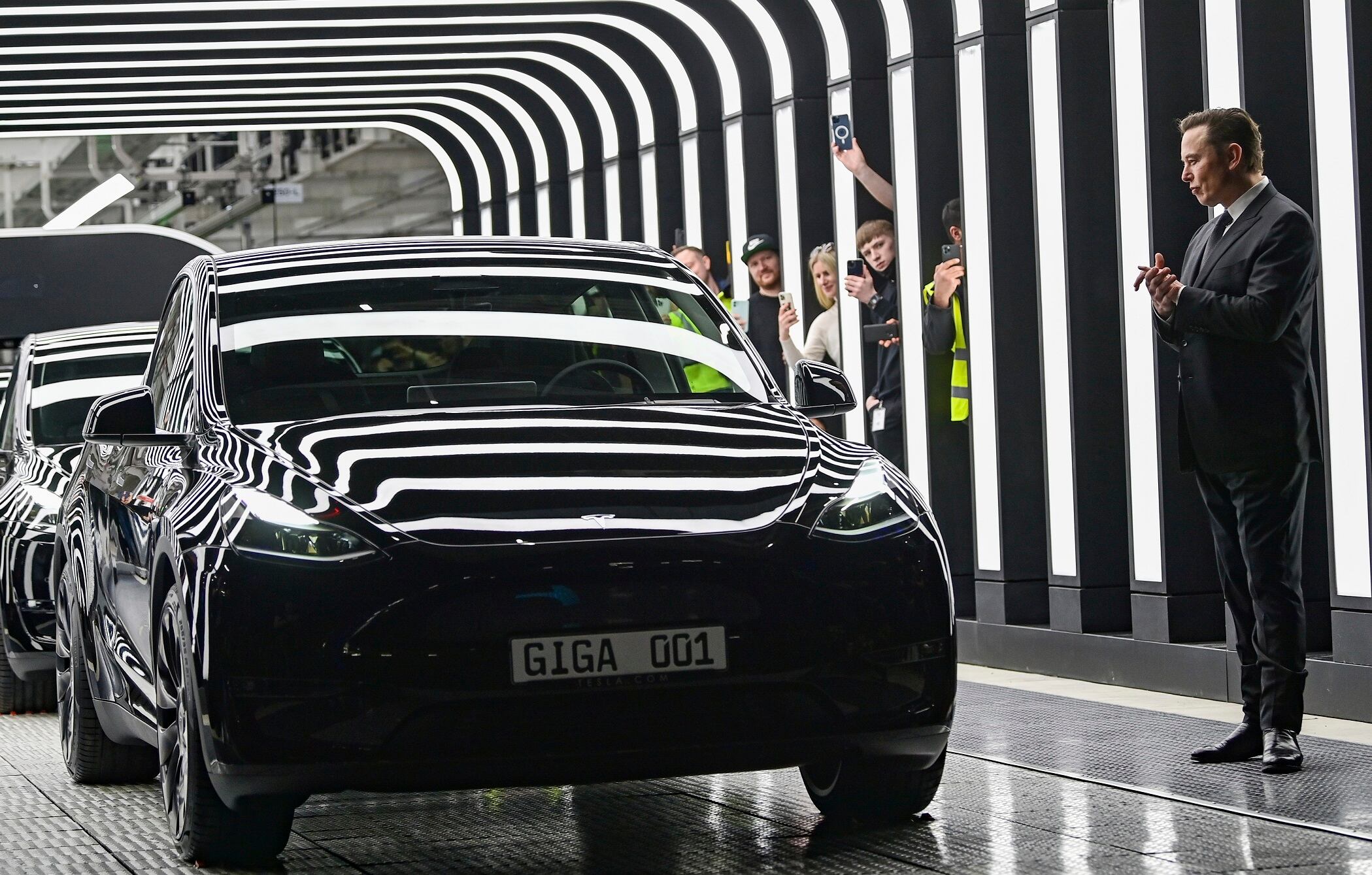
Electric car manufacturer Tesla opened its first European factory on the outskirts of Berlin in an effort to challenge German automakers on their home turf.
Reshma Saujani, the founder of the nonprofit Girls Who Code, discusses the workplace inequities further exposed by the pandemic and her latest book, "Pay Up: The Future of Women and Work (and Why It's Different Than You Think).