File photo of sea bass. (Photo: AP Photo/Steven Senne, File)
A commercial fisherman accused of conspiring with others to sell 200,000 pounds (90,000 kilos) of fish in excess of legal quotas has been convicted in federal court in New York.
Christopher Winkler, 63, of Montauk, was convicted Wednesday in Central Islip of one count of criminal conspiracy, two counts of mail fraud and two counts of obstruction of justice. Winkler, the captain of a fishing trawler called the New Age, was accused of falsifying records to sell illegal fluke and black sea bass worth nearly $900,000 between 2014 and 2017.
“Fluke and black sea bass play a vital part in our marine ecosystem and quotas are designed to prevent overfishing and stabilize populations for the public good,” Assistant Attorney General Todd Kim said in a news release. “We will continue to seek justice against those who flout laws that protect fisheries and the fishing industry.”
Winkler's attorneys Richard Levitt and Peter Smith said the case was based on outdated limits on fluke, also known as summer flounder.
“There is nothing at all rational about this system, but Mr. Winkler and other Long Island fishermen are easy scapegoats for this regulatory insanity,” the lawyers said in a statement.
The New York Times reported that Levitt told jurors that Winkler was a “working stiff” who had been wronged by the government in a misguided prosecution. Levitt also pointed to rules that force fishermen to throw over-quota fish back into the water even if most die.
Prosecutors said Winkler supplied over-the-limit fish to dealers, including Gosman’s fish dock in Montauk and two others that operated out of the New Fulton Fish Market in the Bronx.
Two members of the Gosman family, cousins Asa and Bryan Gosman, pleaded guilty in 2021 to a single count of mail fraud and cooperated in the government’s investigation.
Newsday reported that Winkler's attorneys sought to paint the prosecution's witnesses as untrustworthy, noting that many, including the Gosmans, admitted to drug and alcohol use.
Prosecutor Christopher Hale said during his summation that some of the witnesses were “scoundrels” but added, “We take the witnesses as they come. It’s not a beauty pageant.”
Levitt vowed to appeal the verdict. Winkler remains free on bail and no date has been set for his sentencing.
Anthony Martini, Chief Music Officer of Slip.stream, and Jesse Korwin, CMO of Slip.stream, talk about the challenges creators have uploading music on Twitch and how 'Slip.stream' prioritizes artists by streamlining the licensing process.
Cheddar is looking back at the 12 biggest buzzwords of the year leading up to Christmas. The seventh term in the countdown is Transitory. Definition: (adjective) of brief gratification, not permanent.
More businesses are requiring workers to return to the office, but there is concern that many employees in the middle class, especially women and people of color, need remote work options for reasons including childcare and financial security. Joan Williams, director of the Center for WorkLife Law at the University of California, joined Cheddar to discuss why office mandates could be detrimental to the middle class. She noted that while companies claim a return to offices would help foster more collaboration and efficiency, reports show that they are successfully able to do their jobs from home.
Fresh Vine Wine, a maker of low-carb, low-calorie, and gluten-free wines, made its public debut on the NYSE. Celeb do-owners Nina Dobrev and Julianne Hough, alongside CEO Janelle Anderson, joined Cheddar's Azia Celestino to talk about their partnership, the decision to launch an IPO, and tout the healthy lifestyle market their product is going for.
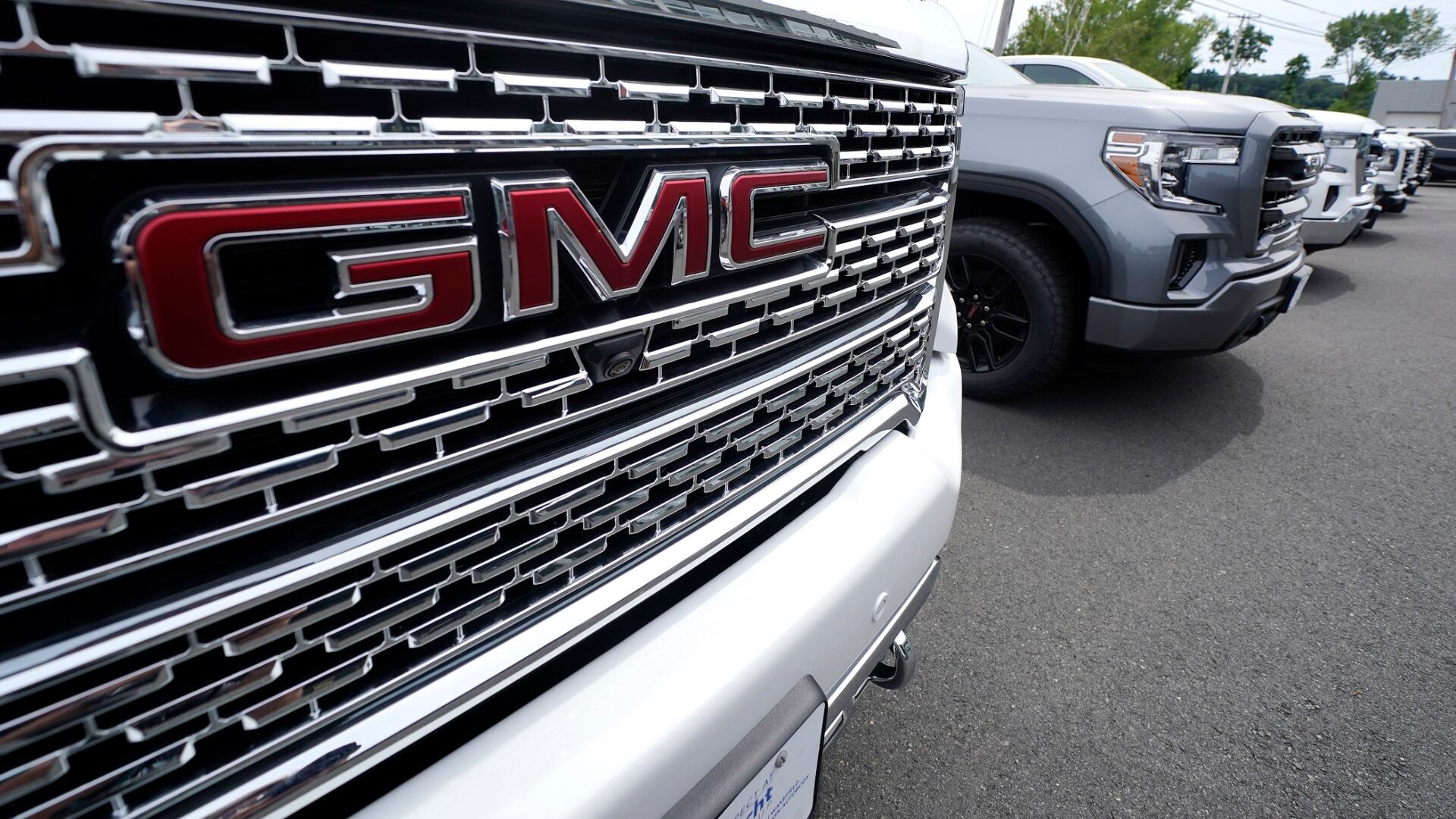
The automotive industry continues to reel as the ongoing global semiconductor chip shortage continues to cause prices to rise. Ben Preston, autos reporter for Consumer Reports, joined Cheddar to discuss the state of the car industry. "I think that right now is a terrible time to buy a new car because dealership lots are looking a bit thin," Preston said. He noted that once manufacturers had initially halted production due to the pandemic, chip companies shifted toward providing service to tech companies, leading to supply constraints as every new car built needs about 30 to 100 chips in its construction.
Erica Pandey, business reporter at Axios joins Cheddar News to discuss if companies should give up on trying to bring employees back to work in-person.