By Collin Binkley
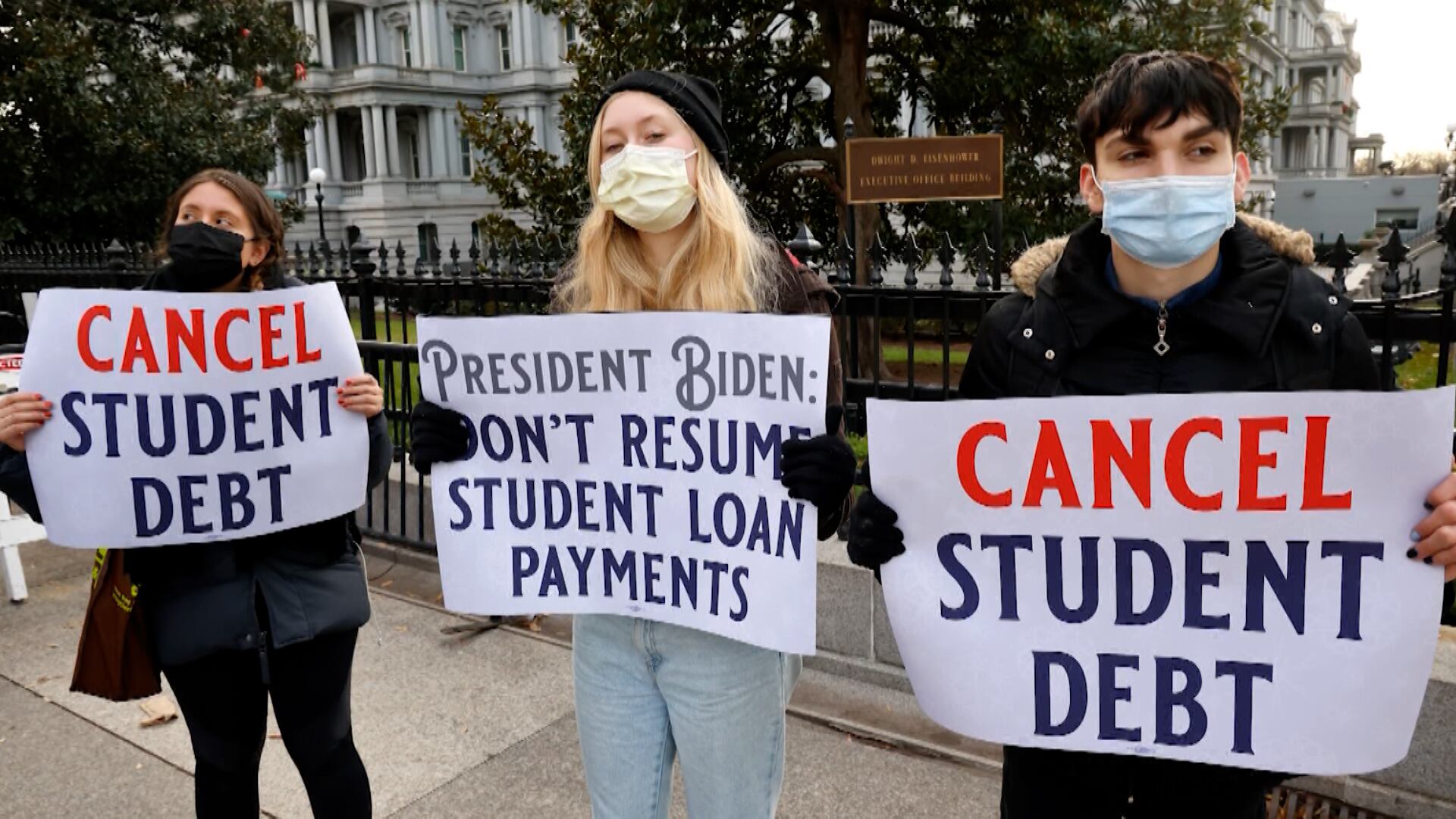
The Biden administration calls it a “student loan safety net.” Opponents call it a backdoor attempt to make college free. And it could be the next battleground in the legal fight over student loan relief.
Starting this summer, millions of Americans with student loans will be able to enroll in a new repayment plan that offers some of the most lenient terms ever. Interest won’t pile up as long as borrowers make regular payments. Millions of people will have monthly payments reduced to $0. And in as little as 10 years, any remaining debt will be canceled.
It's known as the SAVE Plan, and although it was announced last year, it has mostly been overshadowed by President Joe Biden’s proposal for mass student loan cancellation. But now, after the Supreme Court struck down Biden’s forgiveness plan, the repayment option is taking center stage.
Since the ruling Biden has proposed an alternate approach to cancel debt and also shifted attention to the lesser-known initiative, calling it “the most affordable repayment plan ever.” The typical borrower who enrolls in the plan will save $1,000 a month, he said.
Republicans have fought against the plan, saying it oversteps the president’s authority. Sen. Bill Cassidy, the ranking Republican on the Health, Education, Labor, and Pensions Committee, called it “deeply unfair” to the 87% of Americans who don’t have student loans.
The Congressional Budget Office previously estimated over the next decade the plan would cost $230 billion, which would be even higher now that the forgiveness plan has been struck down. Estimates from researchers at the University of Pennsylvania put the cost at up to $361 billion.
Emboldened by the Supreme Court's decision on cancellation, some opponents say it’s a matter of time before the repayment plan also faces a legal challenge.
Here’s what to know about the SAVE Plan:
WHAT IS AN INCOME-DRIVEN REPAYMENT PLAN?
The U.S. Education Department offers several plans for repaying federal student loans. Under the standard plan, borrowers are charged a fixed monthly amount that ensures all their debt will be repaid after 10 years. But if borrowers have difficulty paying that amount, they can enroll in one of four plans that offer lower monthly payments based on income and family size. Those are known as income-driven repayment plans.
Income-driven options have been offered for years and generally cap monthly payments at 10% of a borrower’s discretionary income. If a borrower’s earnings are low enough, their bill is reduced to $0. And after 20 or 25 years, any remaining debt gets erased.
HOW IS BIDEN’S PLAN DIFFERENT?
As part of his debt relief plan announced last year, Biden said his Education Department would create a new income-driven repayment plan that lowers payments even further. It became known as the SAVE Plan, and it's generally intended to replace existing income-driven plans.
Borrowers will be able to apply later this summer, but some of the changes will be phased in over time.
Right away, more people will be eligible for $0 payments. The new plan won’t require borrowers to make payments if they earn less than 225% of the federal poverty line — $32,800 a year for a single person. The cutoff for current plans, by contrast, is 150% of the poverty line, or $22,000 a year for a single person.
Another immediate change aims to prevent interest from snowballing.
As long as borrowers make their monthly payments, their overall balance won't increase. Once they cover their adjusted monthly payment — even if it's $0 — any remaining interest will be waived.
Other major changes will take effect in July 2024.
Most notably, payments on undergraduate loans will be capped at 5% of discretionary income, down from 10% now. Those with graduate and undergraduate loans will pay between 5% and 10%, depending on their original loan balance. For millions of Americans, monthly payments could be reduced by half.
Next July will also bring a quicker road to loan forgiveness. Starting then, borrowers with initial balances of $12,000 or less will get the remainder of their loans canceled after 10 years of payments. For each $1,000 borrowed beyond that, the cancellation will come after an additional year of payments.
For example, a borrower with an original balance of $14,000 would get all remaining debt cleared after 12 years. Payments made before 2024 will count toward forgiveness.
HOW DO I APPLY?
The Education Department says it will notify borrowers when the new application process launches this summer. Those enrolled in an existing plan known as REPAYE will automatically be moved into the SAVE plan. Borrowers will also be able to sign up by contacting their loan servicers directly.
It will be available to all borrowers in the Direct Loan Program who are in good standing on their loans.
WHAT ARE THE PROS AND CONS?
Supporters say Biden’s plan will simplify repayment options and offer relief to millions of borrowers. The Biden administration has argued that ballooning student debt puts college out of reach for too many Americans and holds borrowers back financially.
Opponents call it an unfair perk for those who don't need it, saying it passes a heavy cost onto taxpayers who already repaid student loans or didn’t go to college. Some worry that it will give colleges incentive to raise tuition prices higher since they know many students will get their loans canceled later.
Voices across the political spectrum have said it amounts to a form of free college. Biden campaigned on a promise to make community college free, but it failed to gain support from Congress. Critics say the new plan is an attempt to do something similar without Congress’ approval.
IS IT LEGAL?
That depends on who you ask, but the question hasn’t been taken up by a federal court.
Instead of creating a new payment plan from scratch, the Biden administration proposed changes to an existing plan. It cemented those changes by going through a negotiated rulemaking process that allows the Education Department to develop federal regulations without Congress.
It’s a process that’s commonly used by administrations from both political parties. But critics question whether the new plan goes further than the law allows.
More than 60 Republicans lawmakers urged Education Secretary Miguel Cardona to withdraw the plan in February, calling it “reckless, fiscally irresponsible, and blatantly illegal.”
Supporters argue that the Obama administration similarly used its authority to create a repayment plan that was more generous than any others at the time.
The Biden administration formally finalized the rule this month. Conservatives believe it’s vulnerable to a legal challenge, and some say it’s just a matter of finding a plaintiff with the legal right — or standing — to sue.
The Associated Press education team receives support from the Carnegie Corporation of New York. The AP is solely responsible for all content.