By Mike Stobbe
A month after federal officials recommended new versions of COVID-19 vaccines, 7% of U.S. adults and 2% of children have gotten a shot.
One expert called the rates “abysmal.”
The numbers, presented Thursday at a meeting held by the Centers for Disease Control and Prevention, come from a national survey of thousands of Americans, conducted two weeks ago.
The data also indicated that nearly 40% of adults said they probably or definitely will not get the shot. A similar percentage of parents said they did not plan to vaccinate their children.
In the late summer, government health officials made the nation's COVID-19 vaccination campaign more like the annual flu campaign.
Officials approved updated shots that have a single target, an omicron descendant named XBB.1.5. They replaced vaccines that targeted the original coronavirus strain and a much earlier omicron version. Last month, the CDC recommended the new shots for everyone 6 months and older.
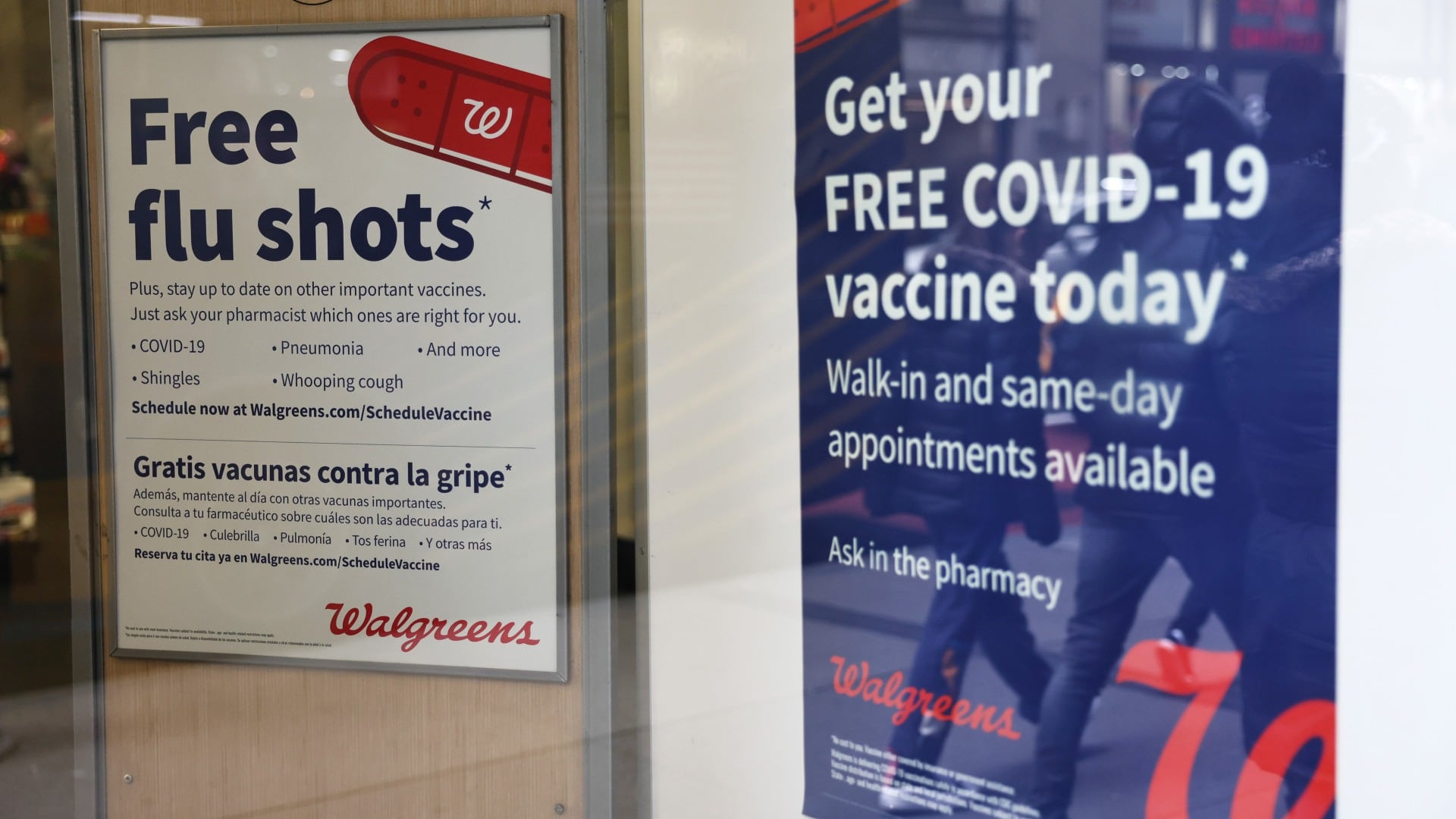
The government also transitioned to a commercialized system that relied on the health-care industry — not the government — to handle the distribution of the shots. Many people who immediately went for shots said pharmacies or doctors didn't have them.
Americans have been urged to get different iterations of the vaccines for more than 2/12 years. This year, COVID-19 deaths and hospitalizations fell to lower levels than seen in the previous three years.
Cases remain low compared with the pandemic's early months. Even so, health officials say about 18,000 hospitalization and 1,200 deaths are still being reported each week.
One expert at the meeting, Dr. Camille Kotton of Harvard Medical School, called the numbers “abysmal” and said part of the problem may be patient confusion. She urged stepped-up public education efforts.
Dr. David Kimberlin, of the University of Alabama at Birmingham, also expressed dismay.
“The recommendations are not being heard," he said.
The Times Square ball isn't the only item dropping on New Year's Eve. Curiosity.com's Ashley Hamer joins us with the weirdest dropped items from around the country.
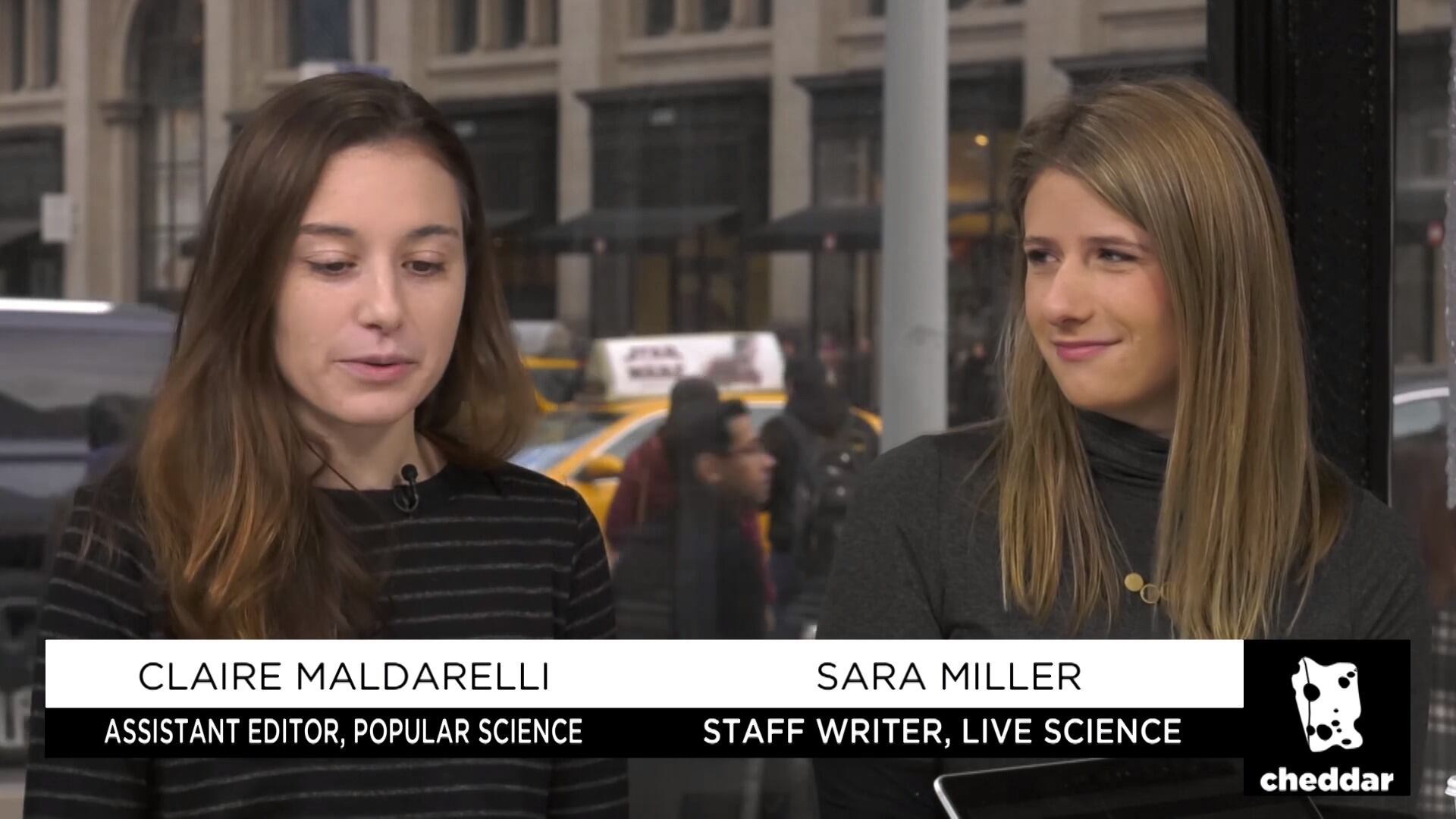
Sara Miller, Staff Writer at Live Science, and Claire Maldarelli, assistant editor at Popular Science, discuss a new study that suggests that men might not be exaggerating symptoms of the flu after all...they might actually suffer more than women!
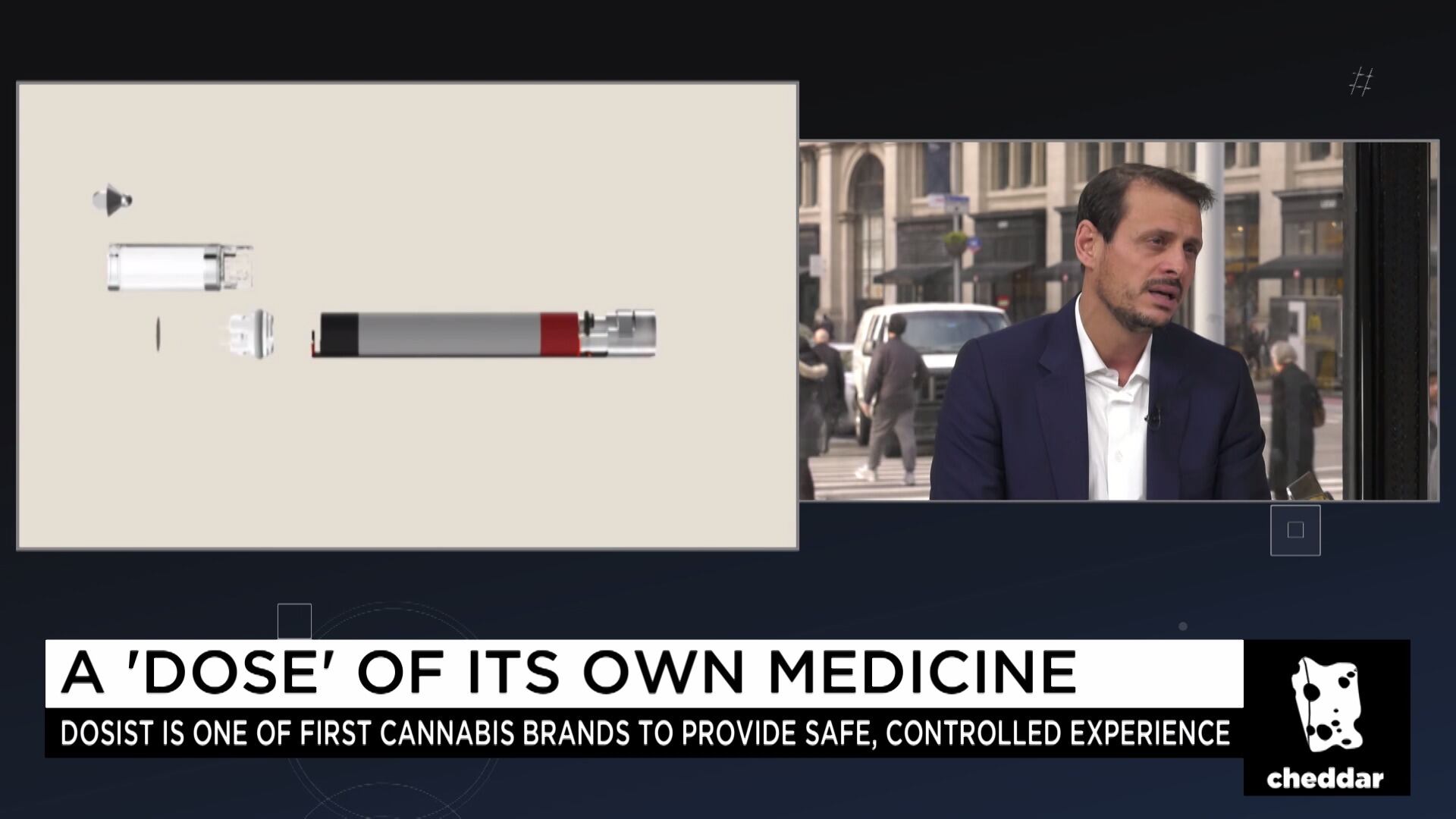
Cannabis company "hmbldt" is changing its name to "dosist." Co-Founder Jason DeLand joins Cheddar to tell us why the time was right for the change.
The sky is the limit for the vertical farming industry. Aerofarm's Marc Oshima joins Cheddar to discuss his company's construction of the world's largest indoor farm.
Solar power is the fastest growing part of the global energy industry. Inderpreet Wadhwa, CEO of Azure Power, one of the largest solar power producers in India, sat down with us to discuss why India is well positioned to capitalize on the trend.
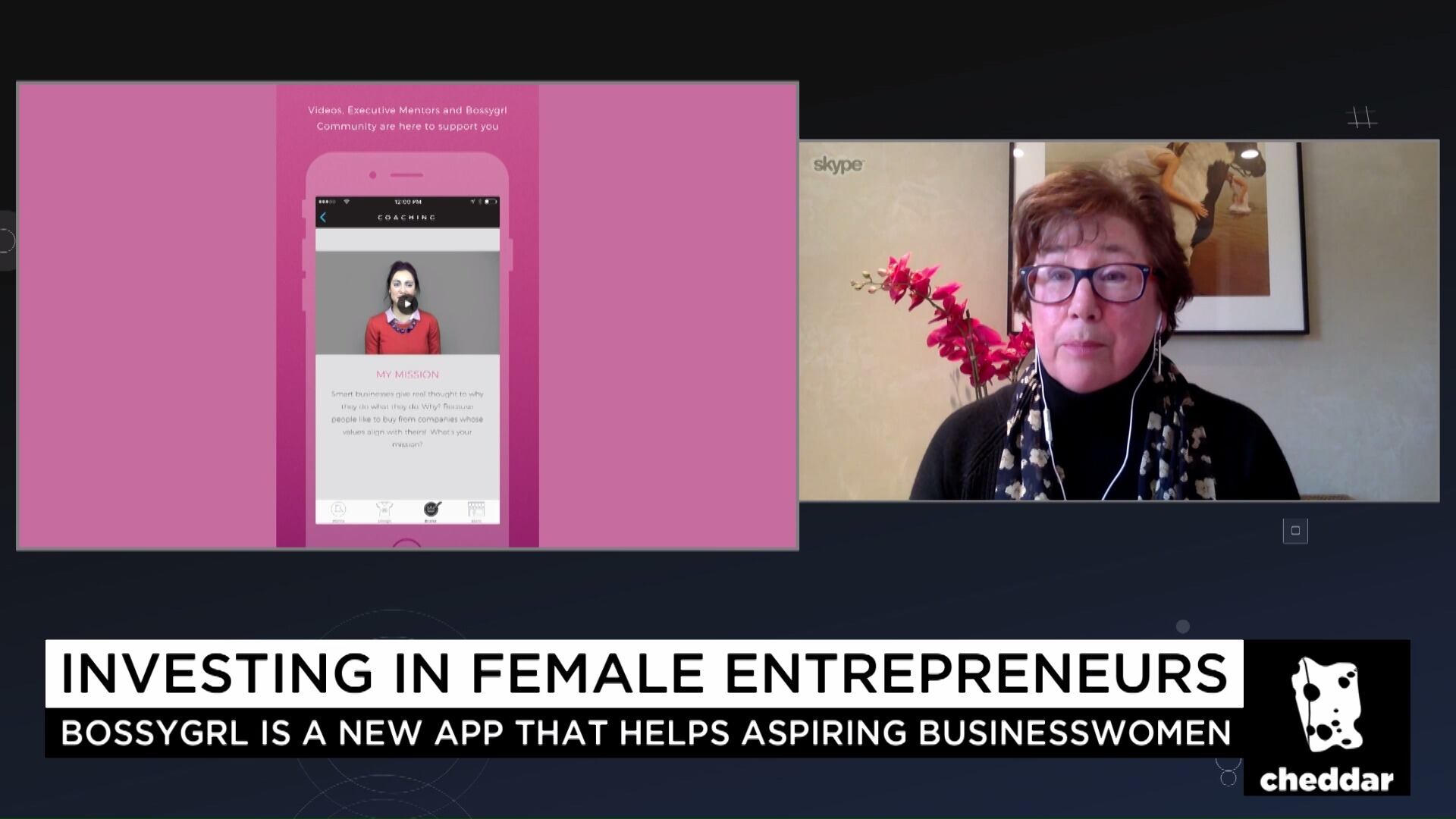
Bossygrl is a new app and platform that is looking to help female entrepreneurs launch their ideas and create businesses. The app became available on December 6th and is focused on Gen Z.
Autonomous vehicles could be on the road sooner than you think. A company that is building towards that future is Luxoft. Luxoft has partnered with Intel to create a new digital cockpit computer and Ford for an in-vehicle translator app.
Rae Paoletta, space editor for Inverse, discusses the latest discovery by the Kepler Space Telescope, which located an 8th planet in the Kepler-90 system, making it the only system with as many planets as our own.
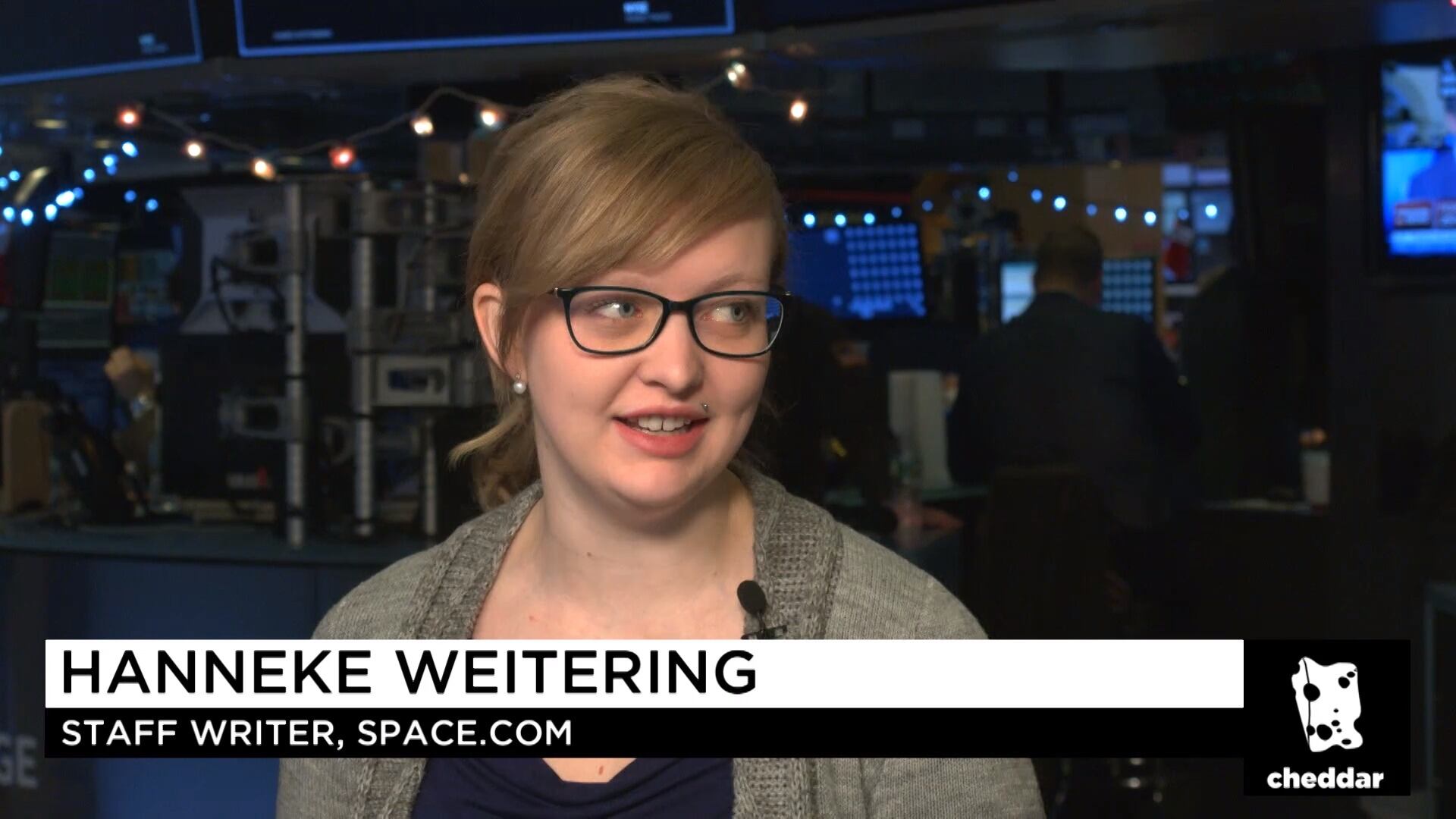
This week President Trump signed a directive that will refocus America's space program on human exploration and discovery. Hanneke Weitering, Staff Writer at Space.com, joins Cheddar to discuss whether this decision means more funding from the White House for NASA.
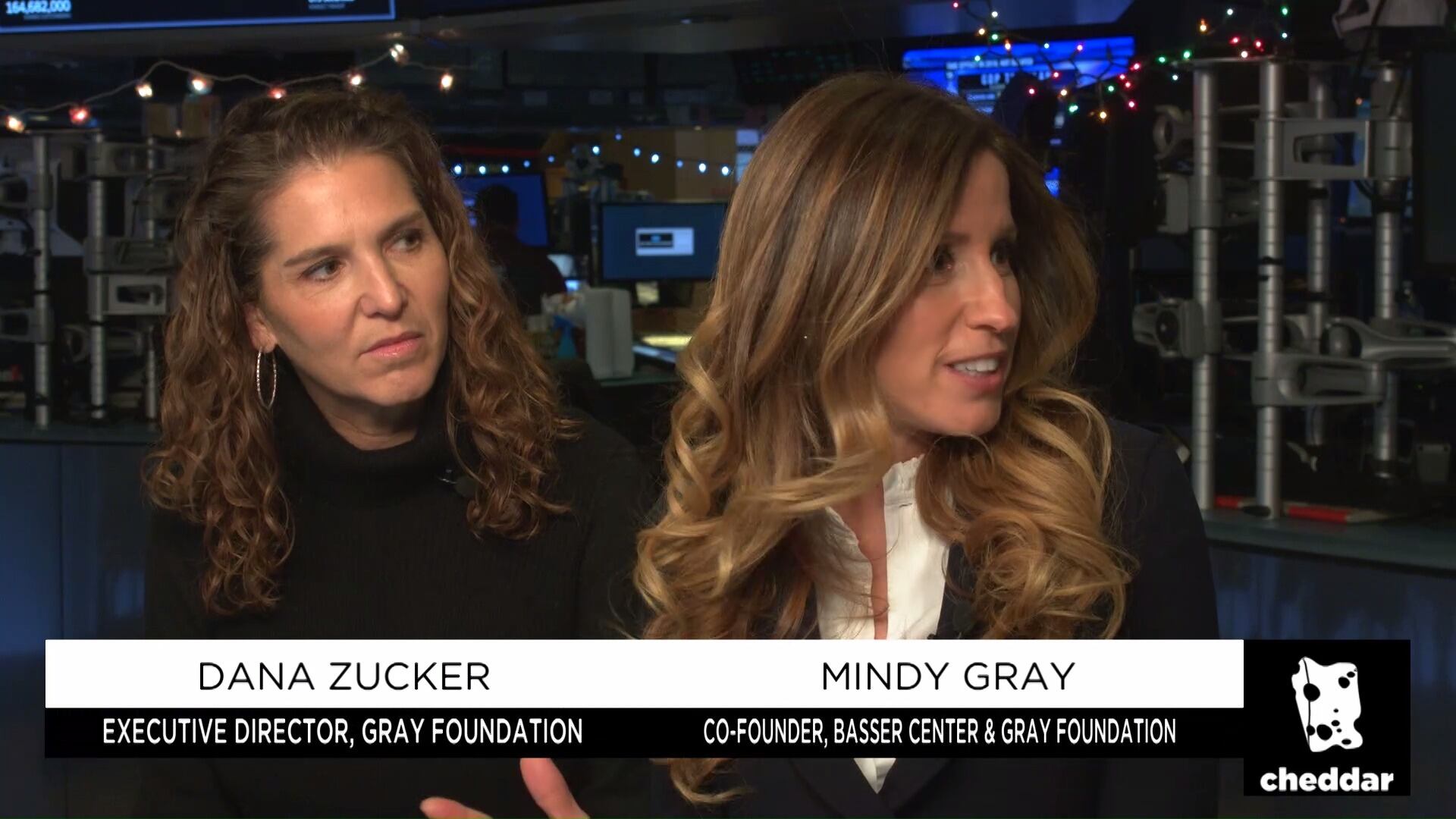
Since 2012, the Basser Center for BRCA has been working towards treating, preventing, and researching BRCA related Cancers. Now, the Center has launched #invisiblegenes to bring awareness to inherited cancer and increase early detection.