By Mike Stobbe
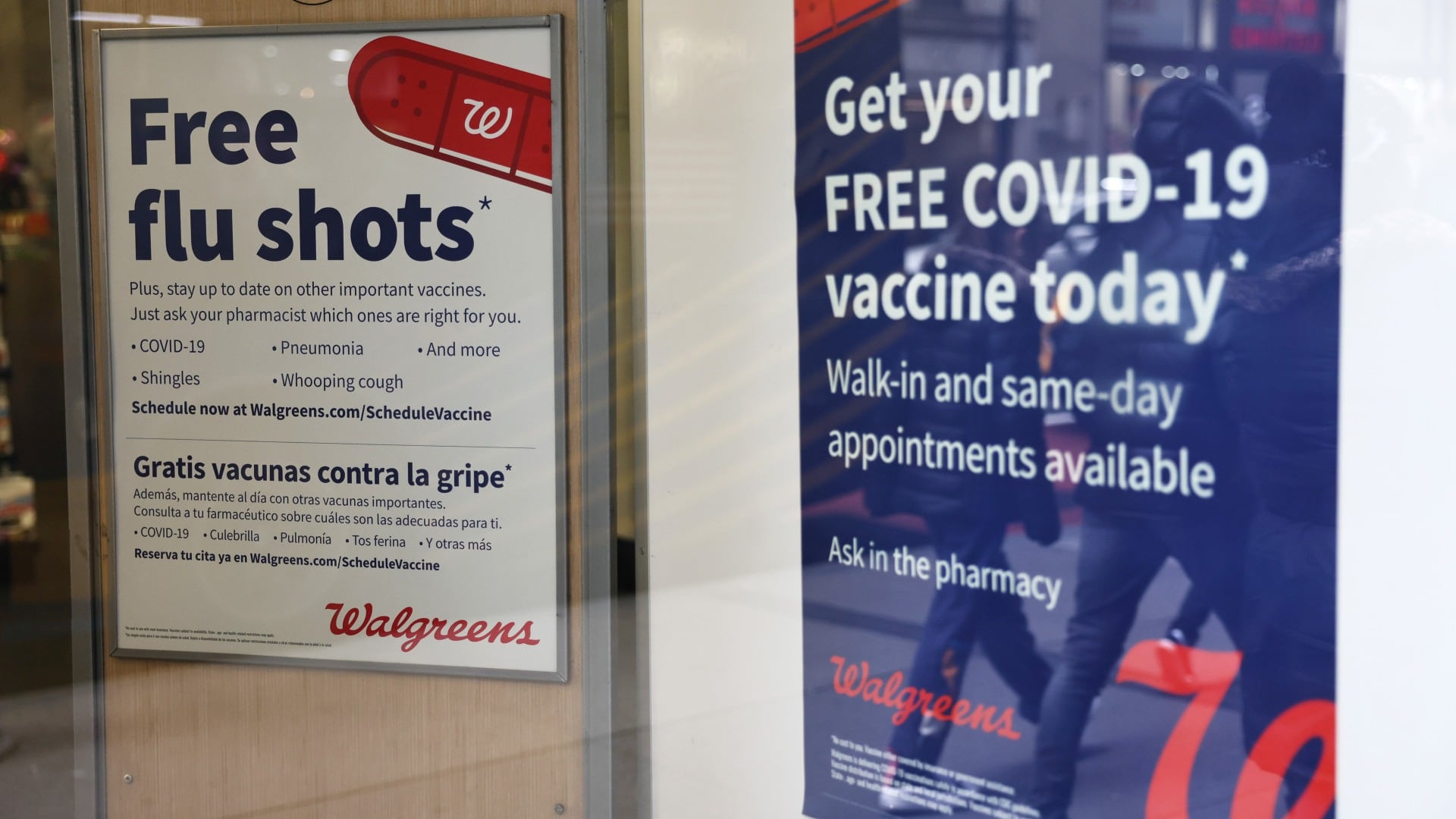
A month after federal officials recommended new versions of COVID-19 vaccines, 7% of U.S. adults and 2% of children have gotten a shot.
One expert called the rates “abysmal.”
The numbers, presented Thursday at a meeting held by the Centers for Disease Control and Prevention, come from a national survey of thousands of Americans, conducted two weeks ago.
The data also indicated that nearly 40% of adults said they probably or definitely will not get the shot. A similar percentage of parents said they did not plan to vaccinate their children.
In the late summer, government health officials made the nation's COVID-19 vaccination campaign more like the annual flu campaign.
Officials approved updated shots that have a single target, an omicron descendant named XBB.1.5. They replaced vaccines that targeted the original coronavirus strain and a much earlier omicron version. Last month, the CDC recommended the new shots for everyone 6 months and older.
The government also transitioned to a commercialized system that relied on the health-care industry — not the government — to handle the distribution of the shots. Many people who immediately went for shots said pharmacies or doctors didn't have them.
Americans have been urged to get different iterations of the vaccines for more than 2/12 years. This year, COVID-19 deaths and hospitalizations fell to lower levels than seen in the previous three years.
Cases remain low compared with the pandemic's early months. Even so, health officials say about 18,000 hospitalization and 1,200 deaths are still being reported each week.
One expert at the meeting, Dr. Camille Kotton of Harvard Medical School, called the numbers “abysmal” and said part of the problem may be patient confusion. She urged stepped-up public education efforts.
Dr. David Kimberlin, of the University of Alabama at Birmingham, also expressed dismay.
“The recommendations are not being heard," he said.
Max Lugavere explains why no one should copy President Trump's diet. Lugavere is the author of a new book titled "Genius Foods: Become Smarter, Happier, and More Productive While Protecting Your Brain For Life."
Sarah Lewin, associate editor for Space.com, discusses the recent government shutdown that caused delays at NASA over the weekend.
Rachel Feltman, science editor at PopSci, discusses the recent NASA report that found 2017 was the second warmest year on record, only behind 2016.
In this week's episode of The Crypto Craze Cheddar Anchors Brad Smith and Baker Machado explain the biggest trends in the market. Cable and satellite entertainment company Starz filed a petition, asking the FCC to step in to resolve a fight with Altice. Facebook announces an update to its news policy. Amazon is increasing its prices.
On Your Future Home: Housing trends and tips with Quicken Loans. On Between Bells: the latest from Sundance Film Festival, counting down to the government shutdown, and more. With WeWork, The Coca-Cola Company and realtor.com.
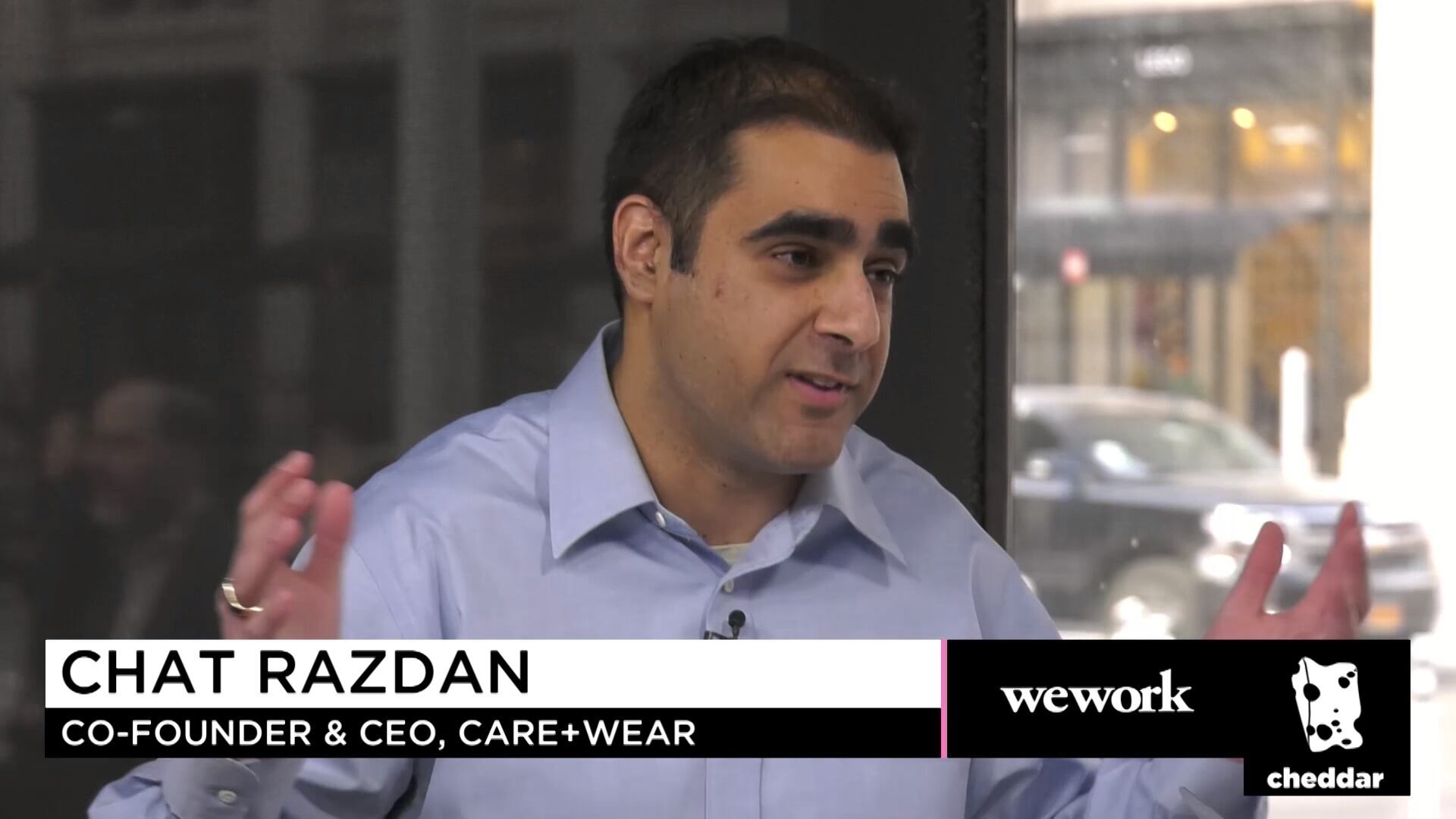
When you go to the doctor and have to strip down into a gown, it can be a little uncomfortable. Care+Wear and Parsons School Of Design are teaming up to change that.
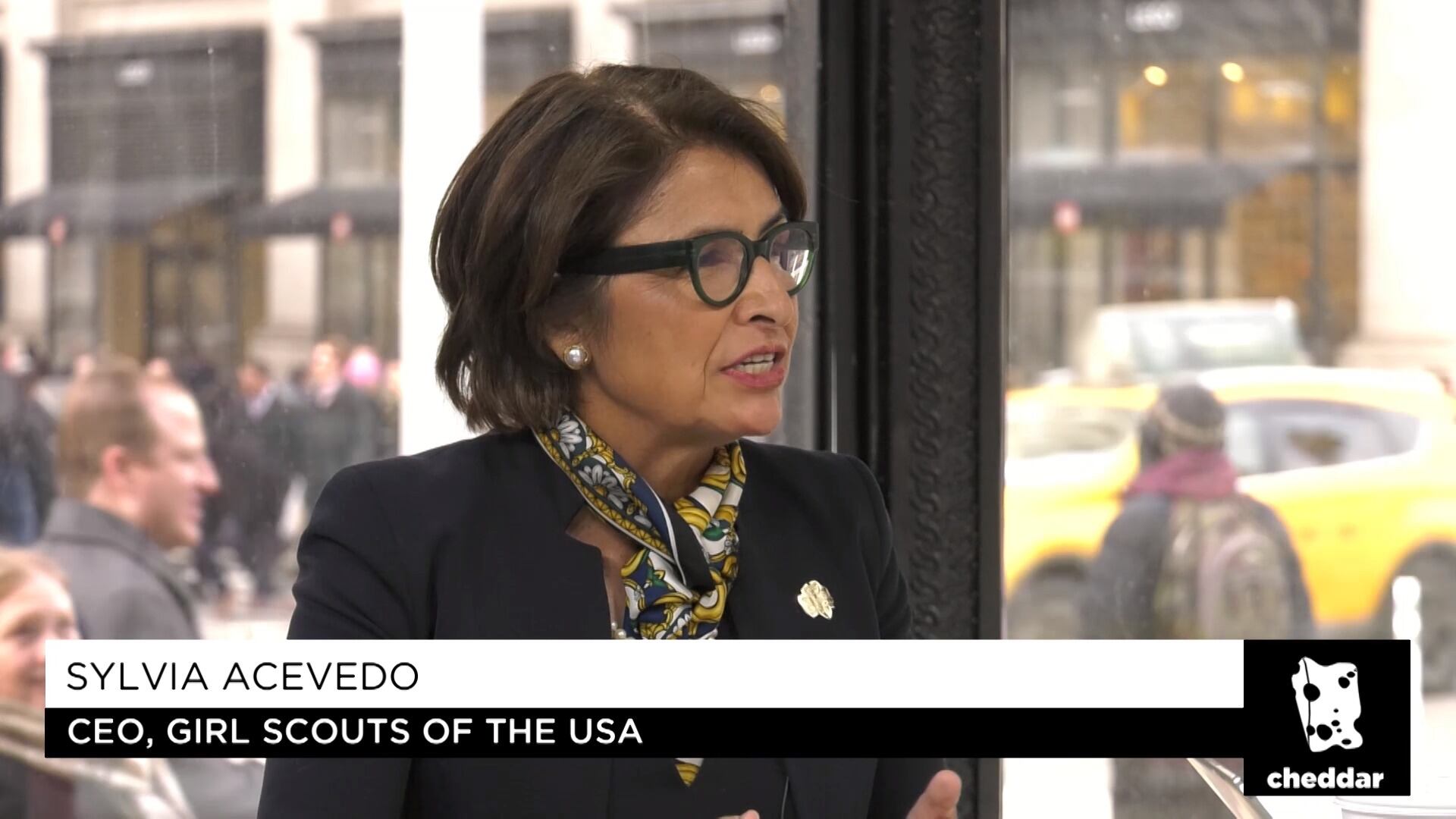
The Girl Scouts of the USA is launching its first-ever STEM education initiative for middle and high-school students. CEO Sylvia Acevedo joins Cheddar to discuss what the newly-enrolled girls will get to experience when they sign up for the program.
Amelia Urry, associate editor at The Grist, discusses the recent report by NASA which found 2017 was the warmest year on record, second only to 2016.
Kelly Beatty, senior editor of Sky & Telescope, talks SpaceX's powerful Falcon Heavy rocket, the possibility of a tax break for the company, and the upcoming lunar eclipse. The Falcon Heavy rocket is the most powerful this generation has ever seen.
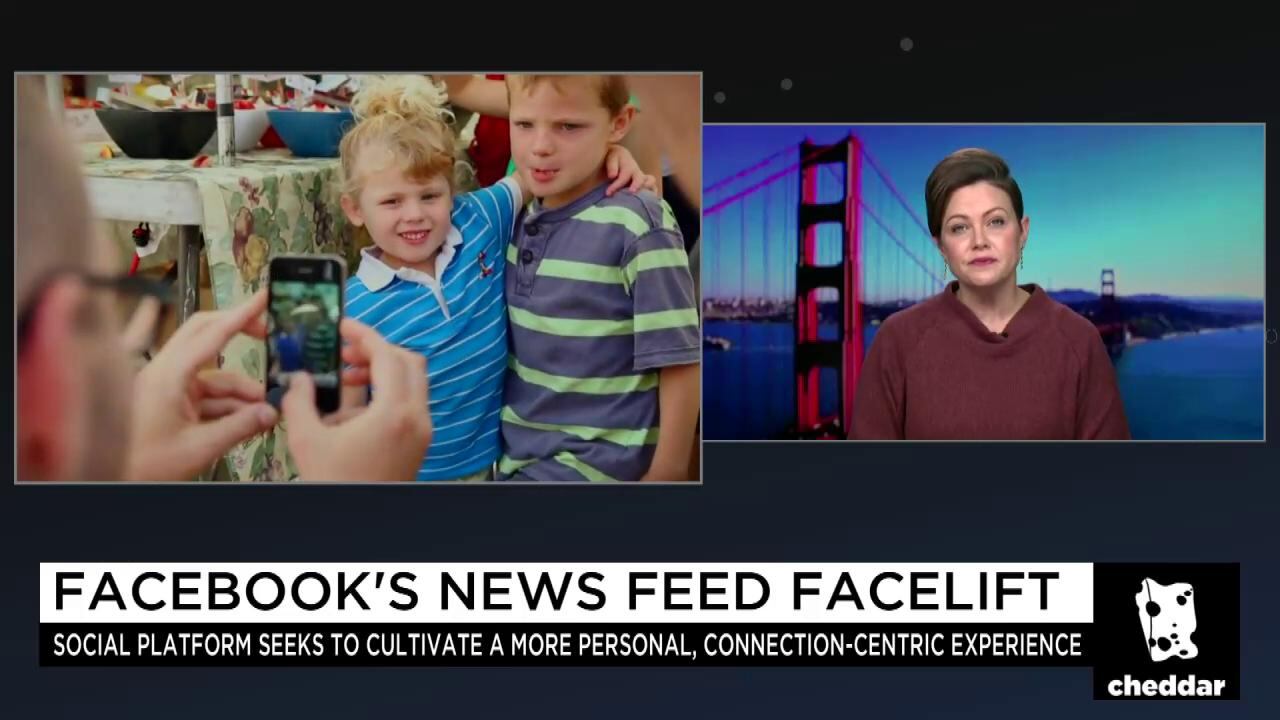
Lindsey Shepard, Director of Product Marketing for News Feed at Facebook, says the update is meant to make people's time on the platform enjoyable, which in turn will be good for businesses.