By Mike Stobbe
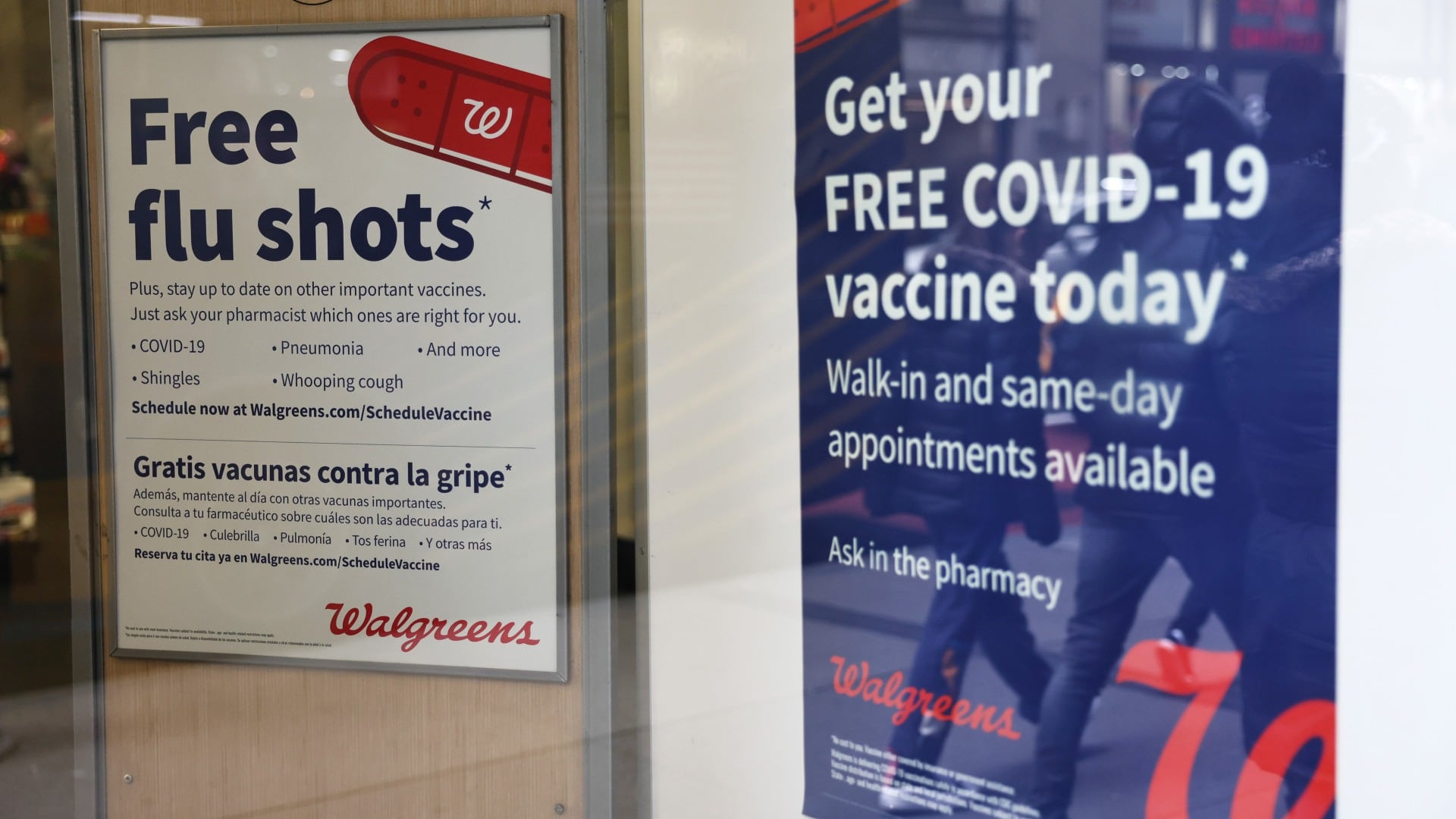
A month after federal officials recommended new versions of COVID-19 vaccines, 7% of U.S. adults and 2% of children have gotten a shot.
One expert called the rates “abysmal.”
The numbers, presented Thursday at a meeting held by the Centers for Disease Control and Prevention, come from a national survey of thousands of Americans, conducted two weeks ago.
The data also indicated that nearly 40% of adults said they probably or definitely will not get the shot. A similar percentage of parents said they did not plan to vaccinate their children.
In the late summer, government health officials made the nation's COVID-19 vaccination campaign more like the annual flu campaign.
Officials approved updated shots that have a single target, an omicron descendant named XBB.1.5. They replaced vaccines that targeted the original coronavirus strain and a much earlier omicron version. Last month, the CDC recommended the new shots for everyone 6 months and older.
The government also transitioned to a commercialized system that relied on the health-care industry — not the government — to handle the distribution of the shots. Many people who immediately went for shots said pharmacies or doctors didn't have them.
Americans have been urged to get different iterations of the vaccines for more than 2/12 years. This year, COVID-19 deaths and hospitalizations fell to lower levels than seen in the previous three years.
Cases remain low compared with the pandemic's early months. Even so, health officials say about 18,000 hospitalization and 1,200 deaths are still being reported each week.
One expert at the meeting, Dr. Camille Kotton of Harvard Medical School, called the numbers “abysmal” and said part of the problem may be patient confusion. She urged stepped-up public education efforts.
Dr. David Kimberlin, of the University of Alabama at Birmingham, also expressed dismay.
“The recommendations are not being heard," he said.
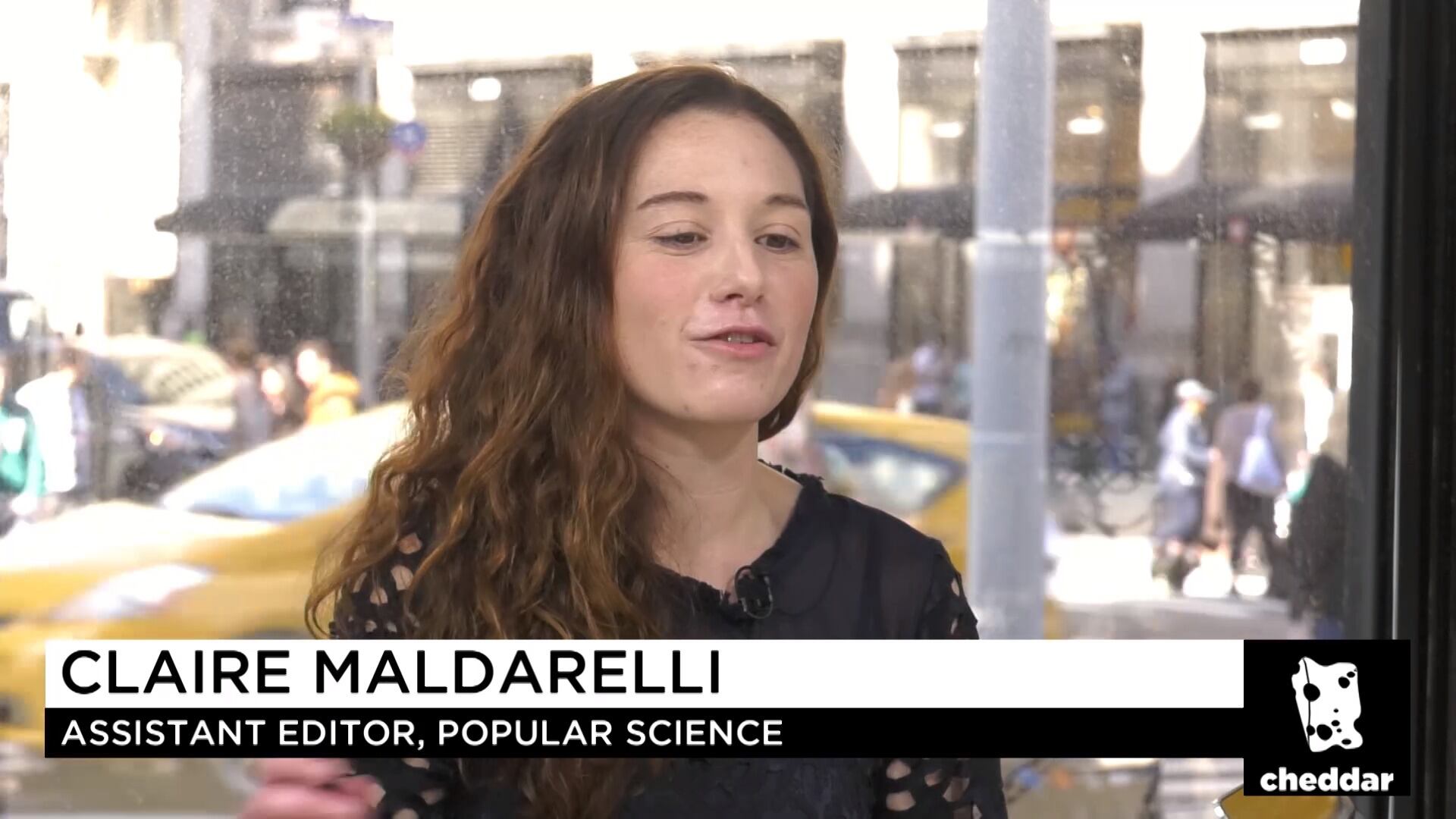
If someone told you that asthma would help you win gold at the Olympics, would you believe them? Well according to a new study, athletes with asthma are more likely to win at the Winter Games than those without these breathing problems. Popular Science's Claire Maldarelli explains why.
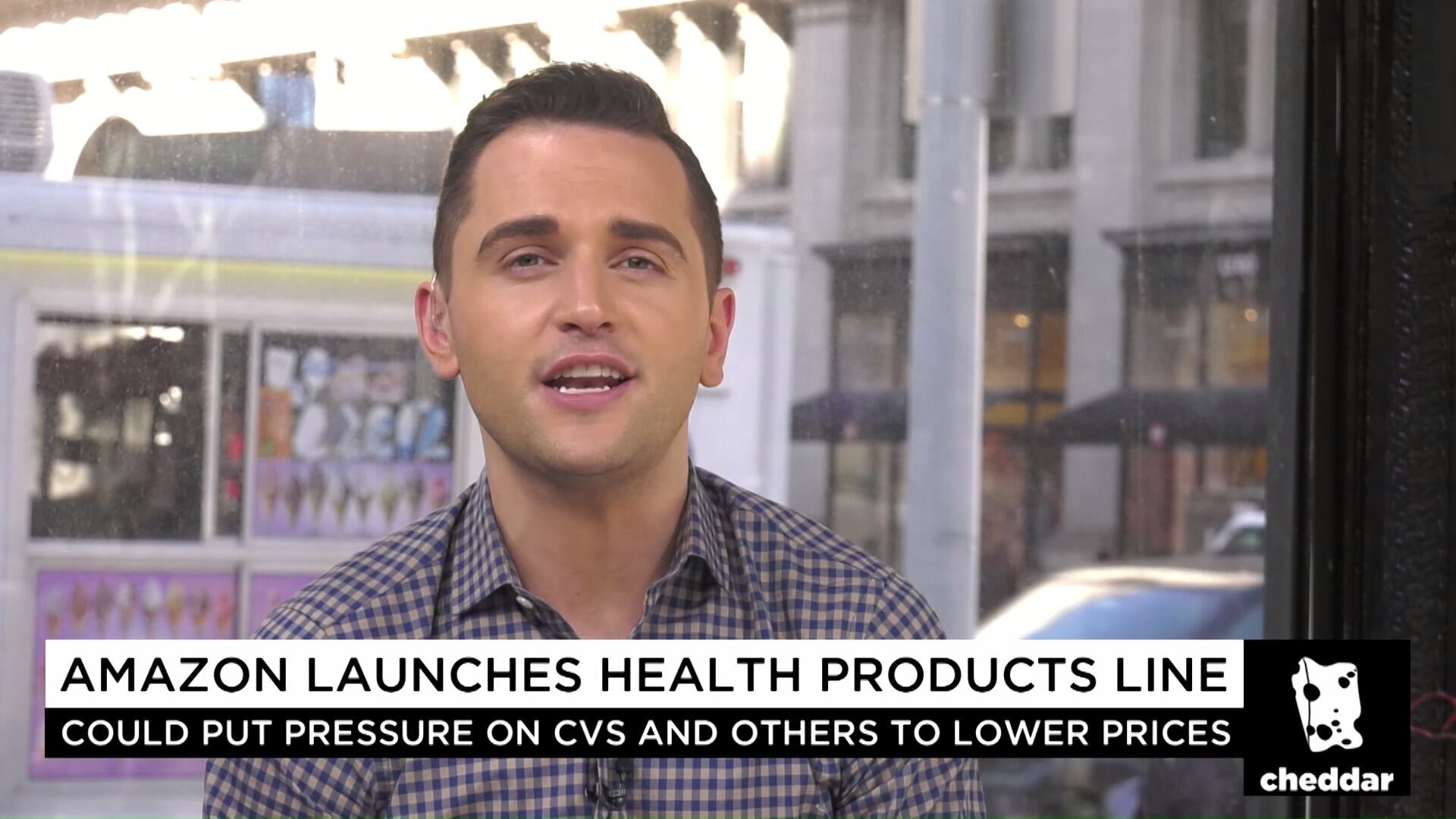
Amazon launches health products line, Chipotle adds quinoa to the menu, and Tinder reveals the most-swiped athletes in the Olympic Village.
Will Goodman, managing editor at Rockets are Cool, discusses The Boring Company securing a preliminary permit for its proposed New York to DC hyperloop.
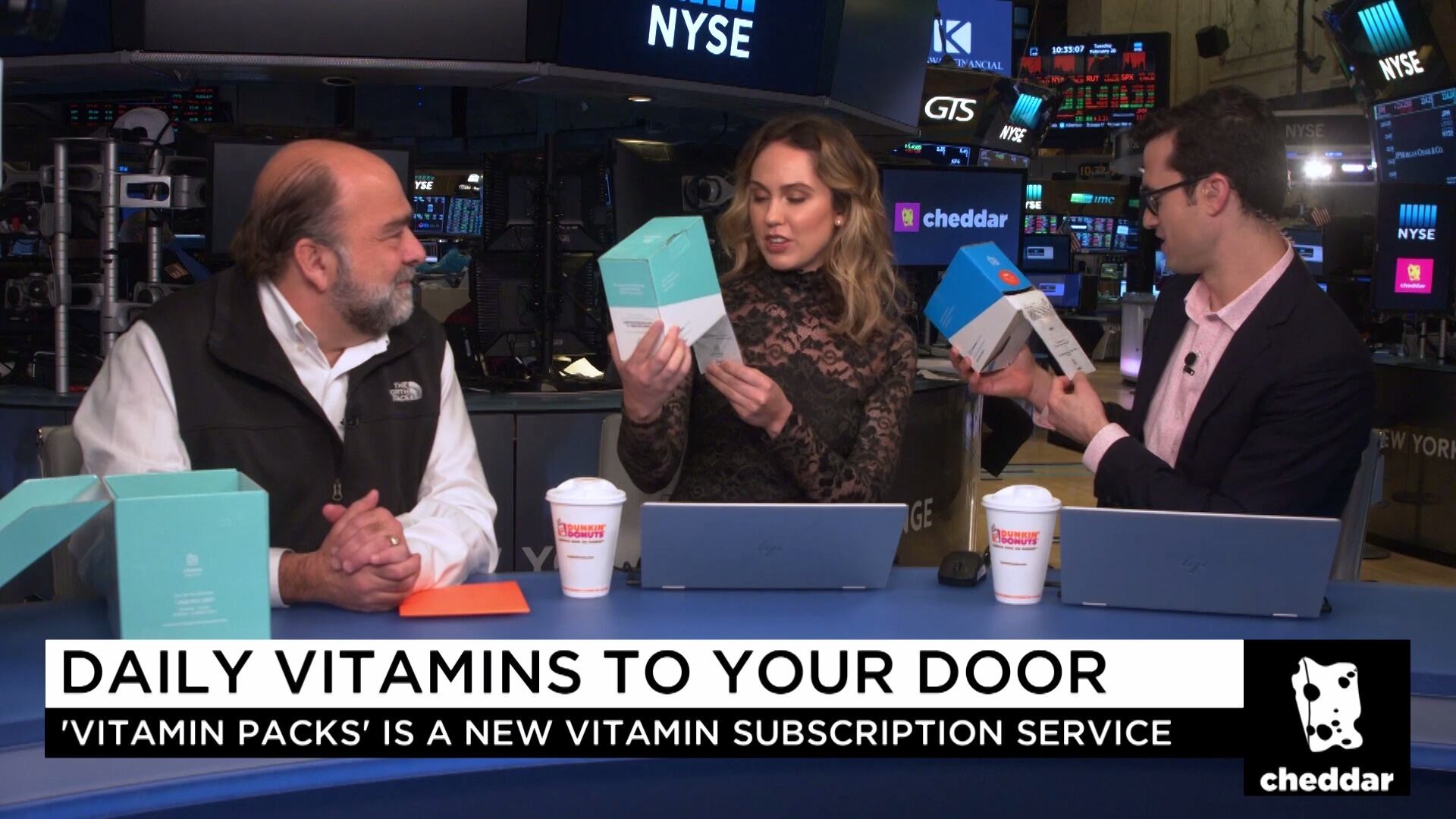
Jason Brown, CEO of Vitamin Packs, discusses how his company can deliver improved health right to your door. Vitamin Packs is a start-up subscription service that delivers personalized vitamins to consumers once a month.
Clayton Banks, CEO of tech incubator Silicon Harlem, and Jessica O. Matthews, CEO of Uncharted Power, discuss their combined effort to make New York City's Harlem neighborhood the Silicon Valley of the East Coast.
Clayton Banks, CEO of Silicon Harlem, and Jessica Matthews, CEO of Uncharted Power, are teaching the community how to build, grow, and scale their businesses.
If you are addicted to emotional shows like "This Is Us," you are not alone. And now, there is research to show why we love to cry and watch emotional TV.
Billionaire Tom Steyer is putting his personal fortune behind an effort to get President Trump out of office. Special counsel Robert Mueller has indicted 13 Russian nationals and three Russian entities for allegedly meddling in the 2016 presidential election. Coinbase users took to social media and Reddit to complain about glitches on the platform. Coinbase says the root of the problem is credit card processing managed by Visa. But, Visa says they didn't cause the problem.
"Girls" star and director Lena Dunham is sparking a national dialogue on women's health after revealing she had a hysterectomy. LiveScience's Sara Miller and SELF's Casey Gueren join Cheddar to reveal why the star elected to have the procedure.
Snap CEO Evan Spiegel is doubling down on the app redesign. Shake Shack plans to open 32-35 new locations this year. Miso Robotics, the firm behind automated burger-flipper, "Flippy," The company behind a patty-flipping robot just got a major influx of cash.