By Mike Stobbe
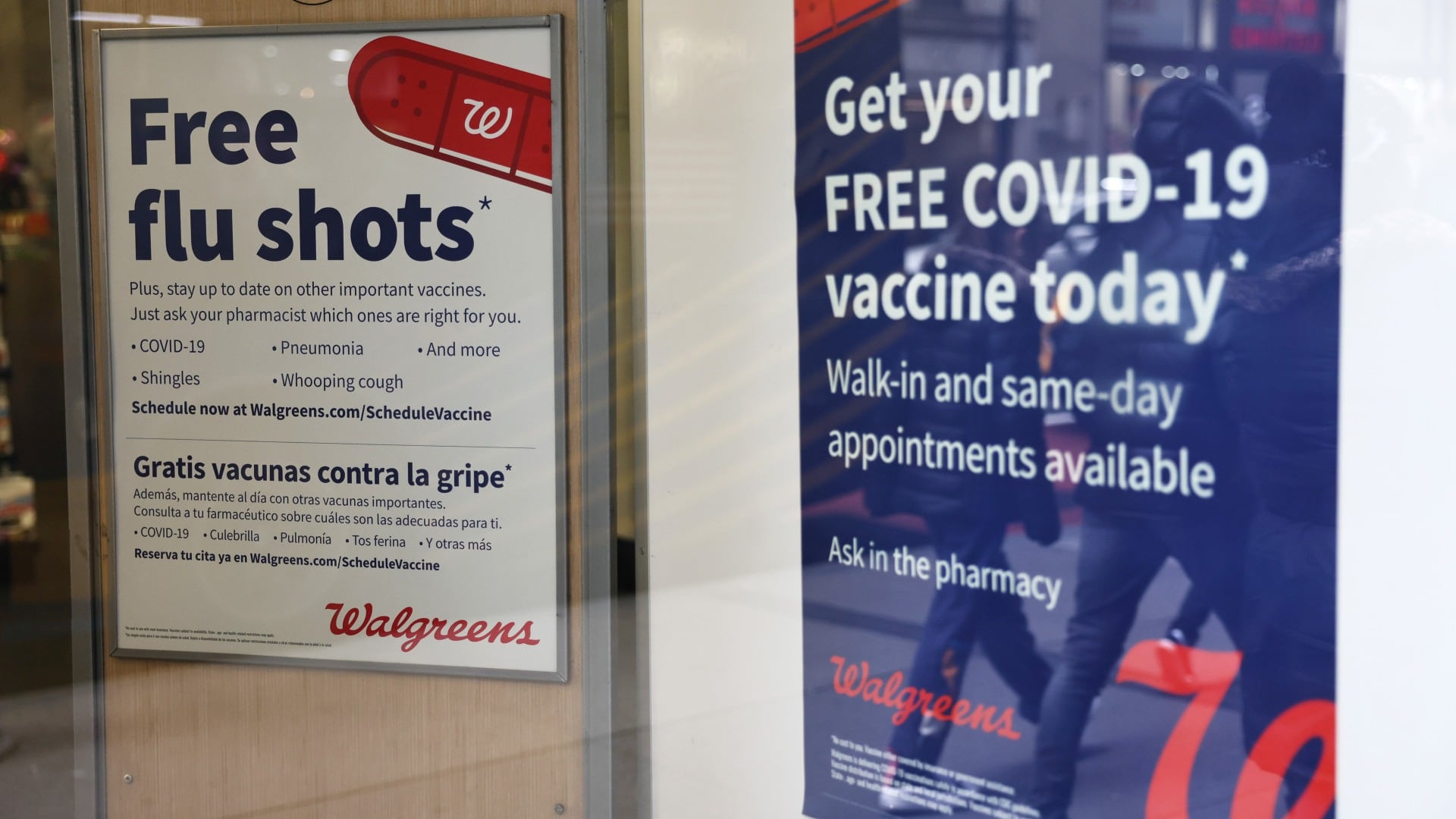
A month after federal officials recommended new versions of COVID-19 vaccines, 7% of U.S. adults and 2% of children have gotten a shot.
One expert called the rates “abysmal.”
The numbers, presented Thursday at a meeting held by the Centers for Disease Control and Prevention, come from a national survey of thousands of Americans, conducted two weeks ago.
The data also indicated that nearly 40% of adults said they probably or definitely will not get the shot. A similar percentage of parents said they did not plan to vaccinate their children.
In the late summer, government health officials made the nation's COVID-19 vaccination campaign more like the annual flu campaign.
Officials approved updated shots that have a single target, an omicron descendant named XBB.1.5. They replaced vaccines that targeted the original coronavirus strain and a much earlier omicron version. Last month, the CDC recommended the new shots for everyone 6 months and older.
The government also transitioned to a commercialized system that relied on the health-care industry — not the government — to handle the distribution of the shots. Many people who immediately went for shots said pharmacies or doctors didn't have them.
Americans have been urged to get different iterations of the vaccines for more than 2/12 years. This year, COVID-19 deaths and hospitalizations fell to lower levels than seen in the previous three years.
Cases remain low compared with the pandemic's early months. Even so, health officials say about 18,000 hospitalization and 1,200 deaths are still being reported each week.
One expert at the meeting, Dr. Camille Kotton of Harvard Medical School, called the numbers “abysmal” and said part of the problem may be patient confusion. She urged stepped-up public education efforts.
Dr. David Kimberlin, of the University of Alabama at Birmingham, also expressed dismay.
“The recommendations are not being heard," he said.
Thrive+ binds to the same brain receptors as alcohol to combat the negative effects of drinking, says CEO Brooks Powell, who started developing the pills during his sophomore year at Princeton.
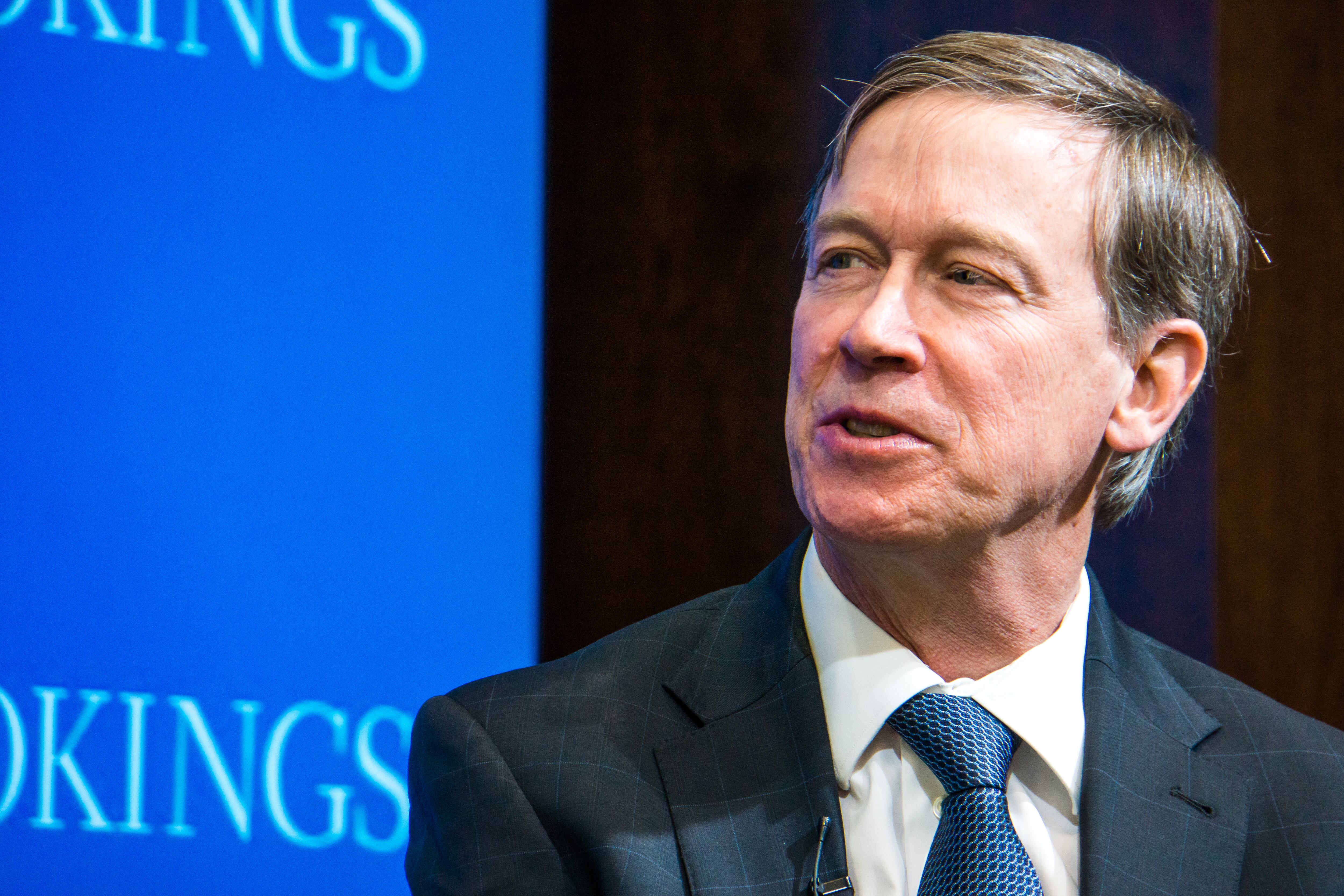
The Republican reiterated his cautious approach to legalization, despite momentum for more liberalization in a state with some of the most tolerant cannabis laws in the country.
A data breach on MyHeritage impacted more than 90 million users. David Nicholson, Co-Founder and Managing Director of Living DNA breaks down what precautions companies take in order to protect your information.
DNA testing service MyHeritage reported a data breach that gave hackers access to email addresses and passwords of over 92 million users. While genetic information wasn't exposed, Rob Verger, Assistant Tech Editor at Popular Science, says the incident serves as a reminder that "almost anything is hackable."
The dental start-up, which sells custom teeth aligners online, opened its first brick-and-mortar store to reach more consumers, says co-founder and CEO Nick Greenfield.
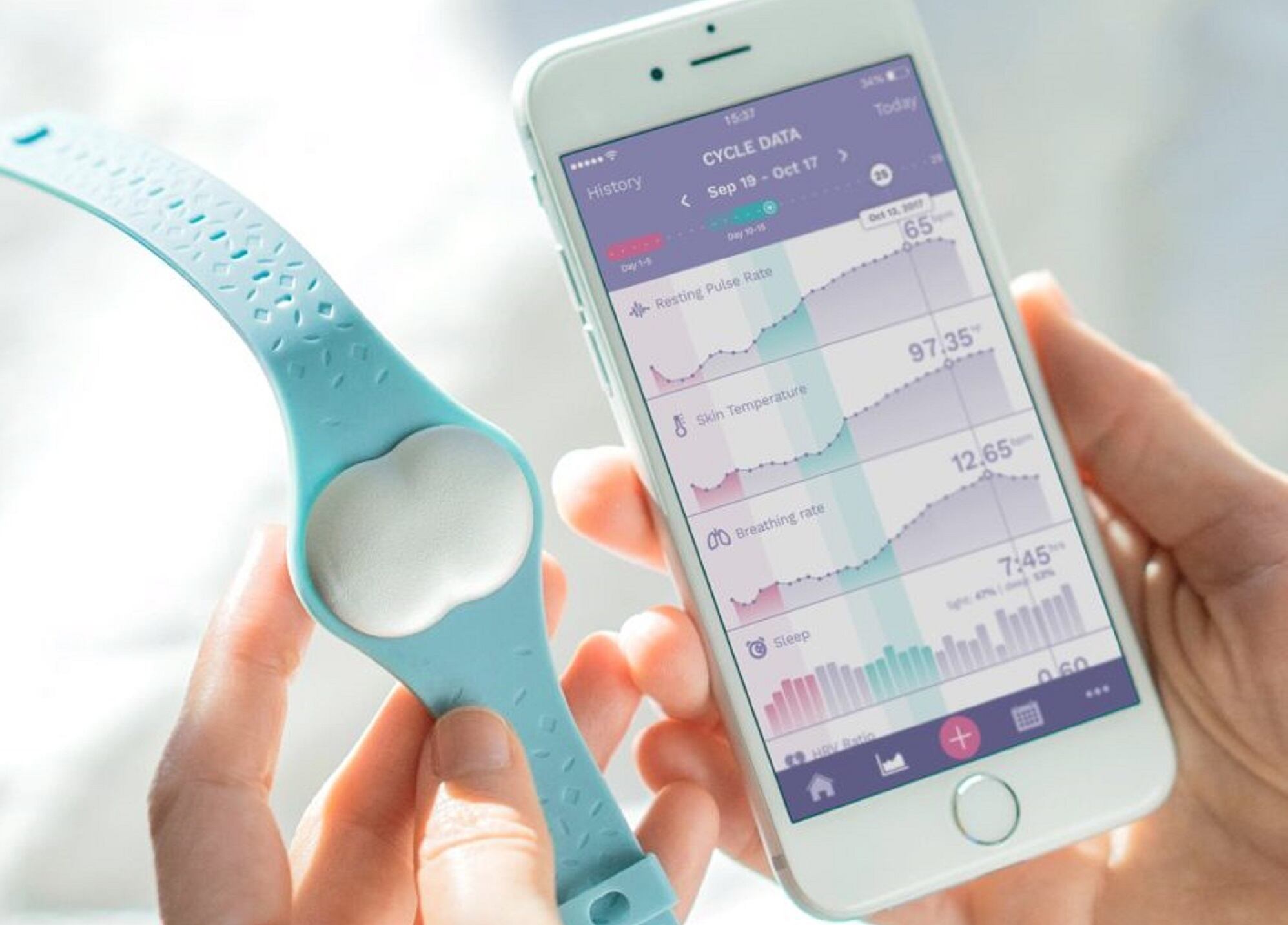
The company, which makes a FitBit-style fertility sensor, announced it will use the fresh capital to fill gaps in the market. "Women's health and women's health research has been underfunded for the last decade," says co-founder Lea von Bidder.
More than 9 million tons of unrecycled plastic waste ends up in the ocean every year, according to Jenna Jambeck, an associate professor at the University of Georgia and a National Georgraphic explorer. In its June issue, the magazine is trying to shine a light on the serious problem with a "Planet or Plastic?" initiative.
Stocks kick off the week with a rally after Treasury Secretary Steven Mnuchin said the prospect of a trade war was "on hold" following an agreement to suspend tariff threats. Tesla CEO Elon Musk unveils details of the souped-up Model 3. President Trump is going after the FBI. Fortnite is launching on Android phones this summer.
Mike Massimino, the former astronaut who became the first man to tweet from space during one of his two space flights, says companies like SpaceX, Virgin Galactic, and Blue Origin are "the best hope we have for a thriving space program."
The Falcon 9 'Block 5', which theoretically can be reused 100 times without much maintenance, took off Friday afternoon from the Kennedy Space Center in Florida. The rocket carried a communications satellite into orbit for Bangladesh and then successfully landed back on a platform in the Atlantic.