By Mike Stobbe
A month after federal officials recommended new versions of COVID-19 vaccines, 7% of U.S. adults and 2% of children have gotten a shot.
One expert called the rates “abysmal.”
The numbers, presented Thursday at a meeting held by the Centers for Disease Control and Prevention, come from a national survey of thousands of Americans, conducted two weeks ago.
The data also indicated that nearly 40% of adults said they probably or definitely will not get the shot. A similar percentage of parents said they did not plan to vaccinate their children.
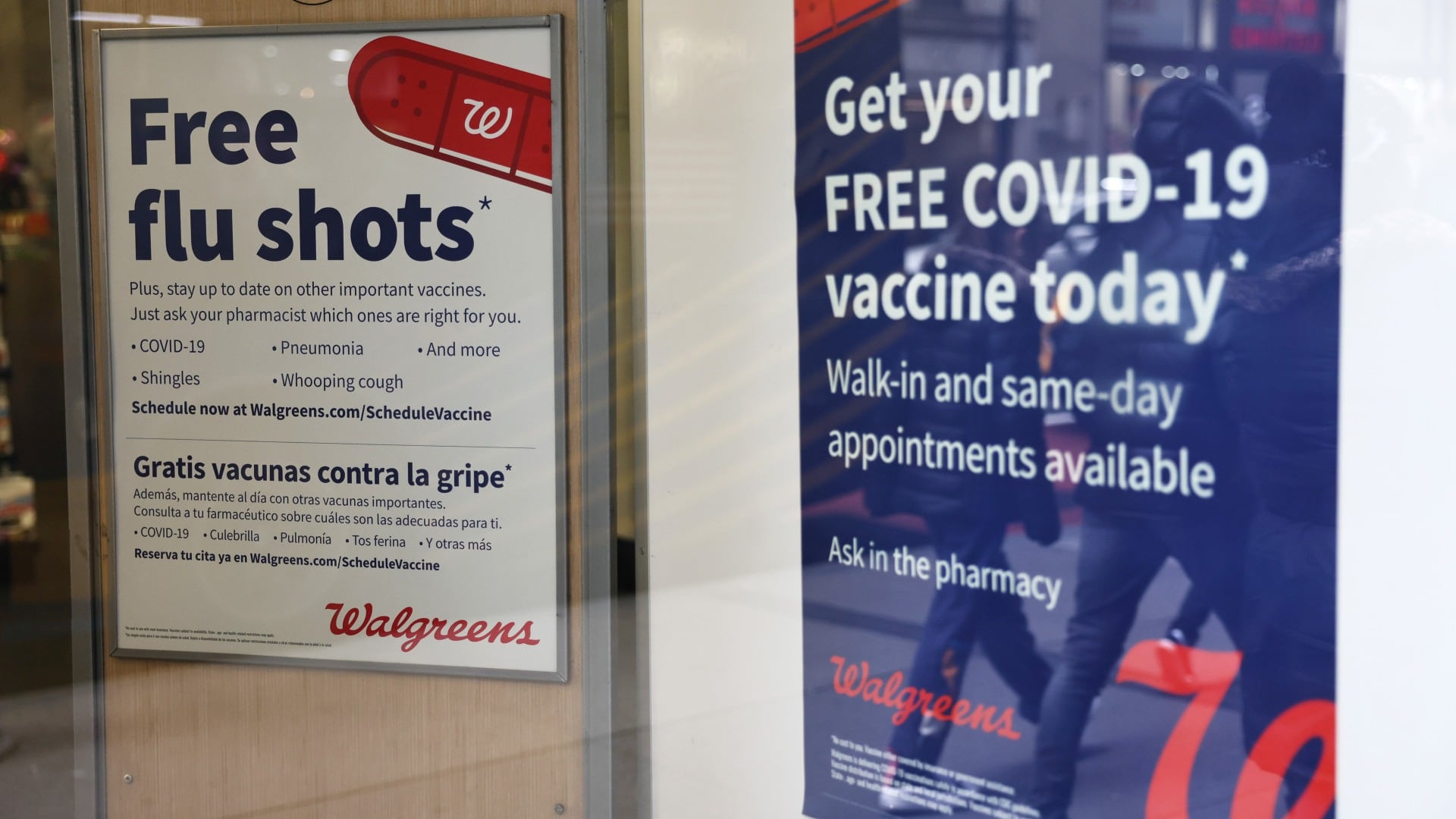
In the late summer, government health officials made the nation's COVID-19 vaccination campaign more like the annual flu campaign.
Officials approved updated shots that have a single target, an omicron descendant named XBB.1.5. They replaced vaccines that targeted the original coronavirus strain and a much earlier omicron version. Last month, the CDC recommended the new shots for everyone 6 months and older.
The government also transitioned to a commercialized system that relied on the health-care industry — not the government — to handle the distribution of the shots. Many people who immediately went for shots said pharmacies or doctors didn't have them.
Americans have been urged to get different iterations of the vaccines for more than 2/12 years. This year, COVID-19 deaths and hospitalizations fell to lower levels than seen in the previous three years.
Cases remain low compared with the pandemic's early months. Even so, health officials say about 18,000 hospitalization and 1,200 deaths are still being reported each week.
One expert at the meeting, Dr. Camille Kotton of Harvard Medical School, called the numbers “abysmal” and said part of the problem may be patient confusion. She urged stepped-up public education efforts.
Dr. David Kimberlin, of the University of Alabama at Birmingham, also expressed dismay.
“The recommendations are not being heard," he said.
New York Gov. Andrew Cuomo said Thursday that a state survey of about 3,000 people found that 13.9% had antibodies suggesting they had been exposed to the virus.
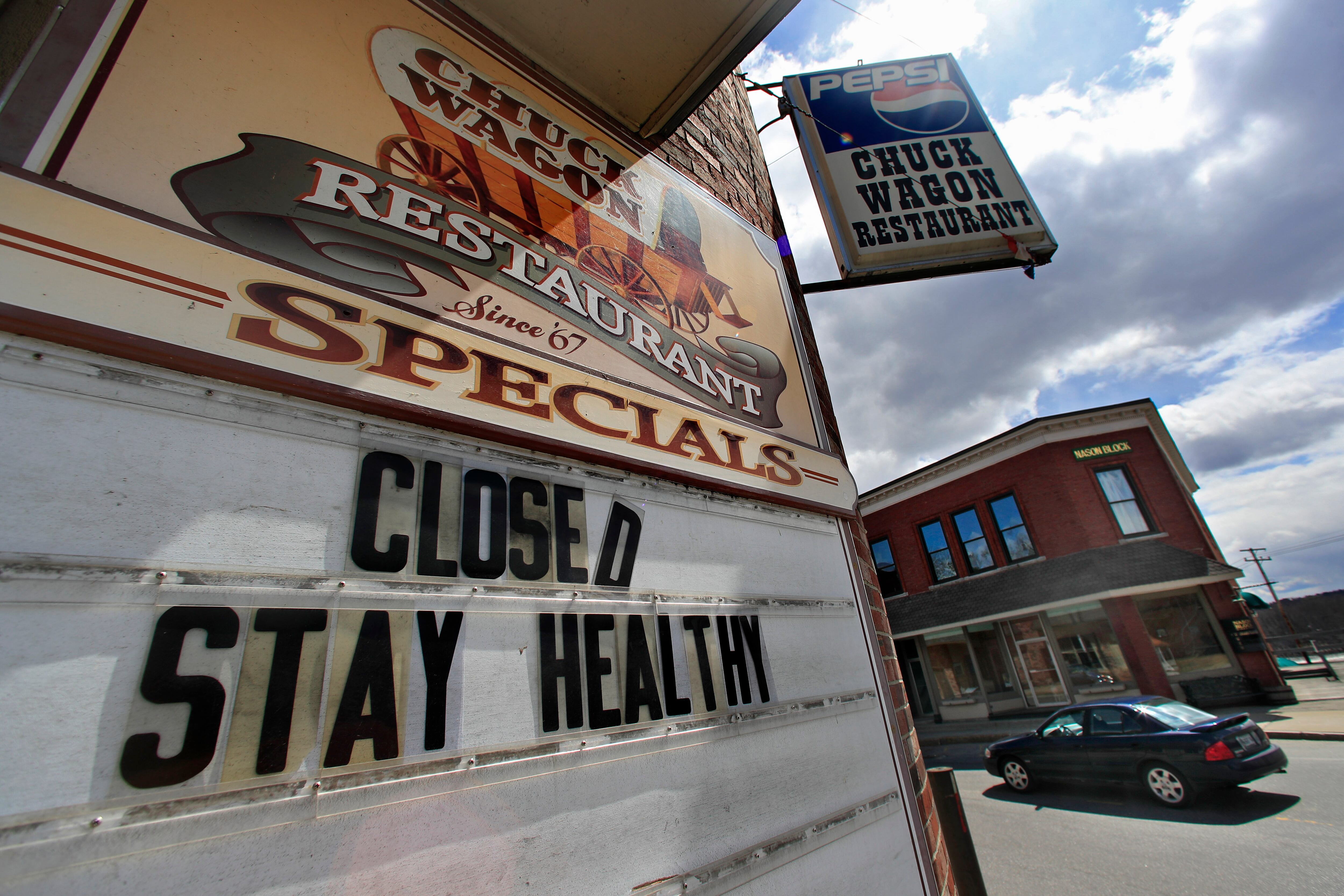
A new survey finds Americans remain overwhelmingly in favor of stay-at-home orders and other efforts to slow the spread of the coronavirus. A majority say it won’t be safe to lift such restrictions anytime soon. T
Will Shafroth, president and CEO of the National Park Foundation, told Cheddar Wednesday that the changes in the environment have allowed him to see more wildlife than he has ever seen before.
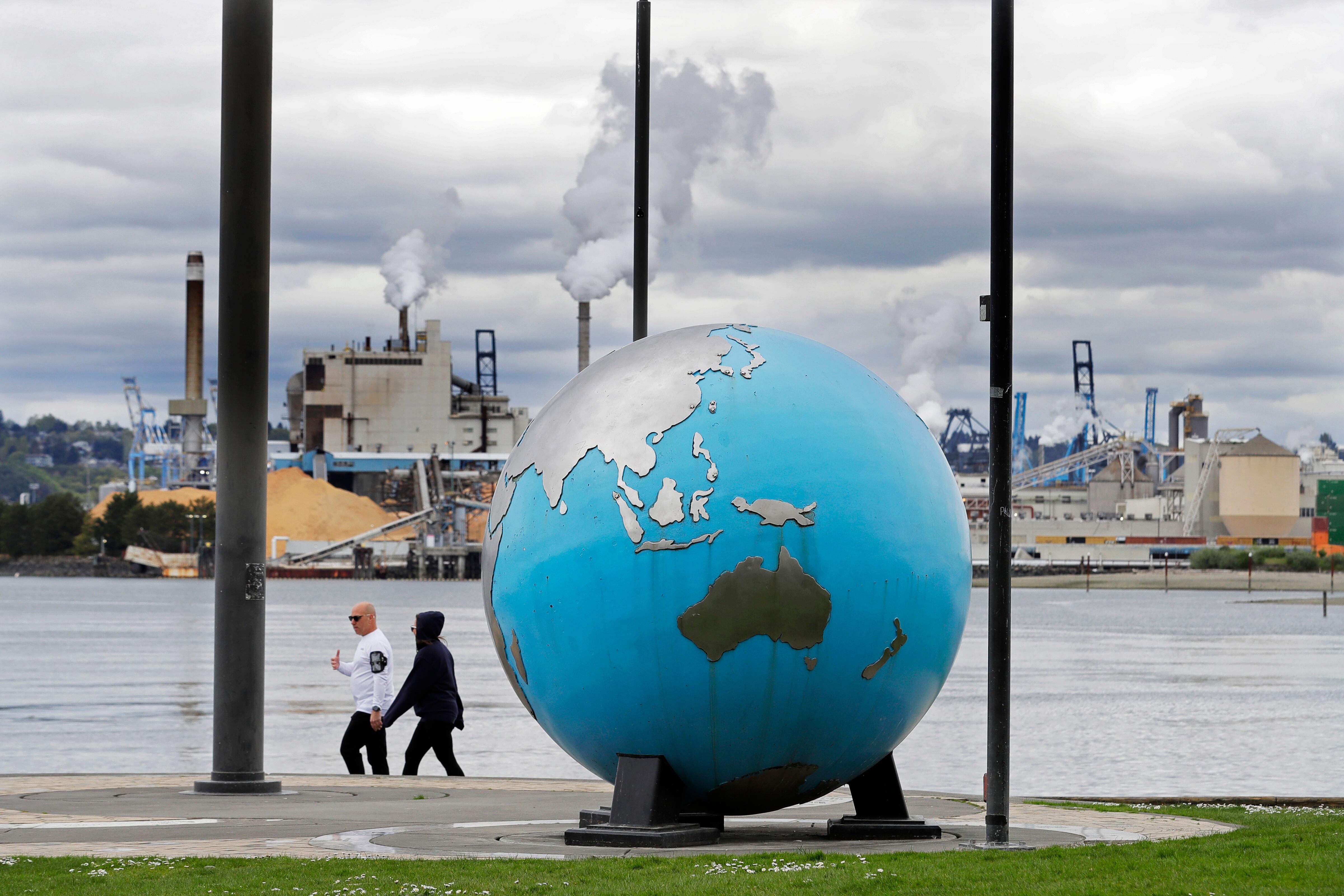
This Earth Day, you may be wondering how to help the environment, even as you prioritize health and safety by staying at home and observing social distancing. Here are five things you can do to help the planet without leaving your neighborhood (and one that requires a little more of a drive).
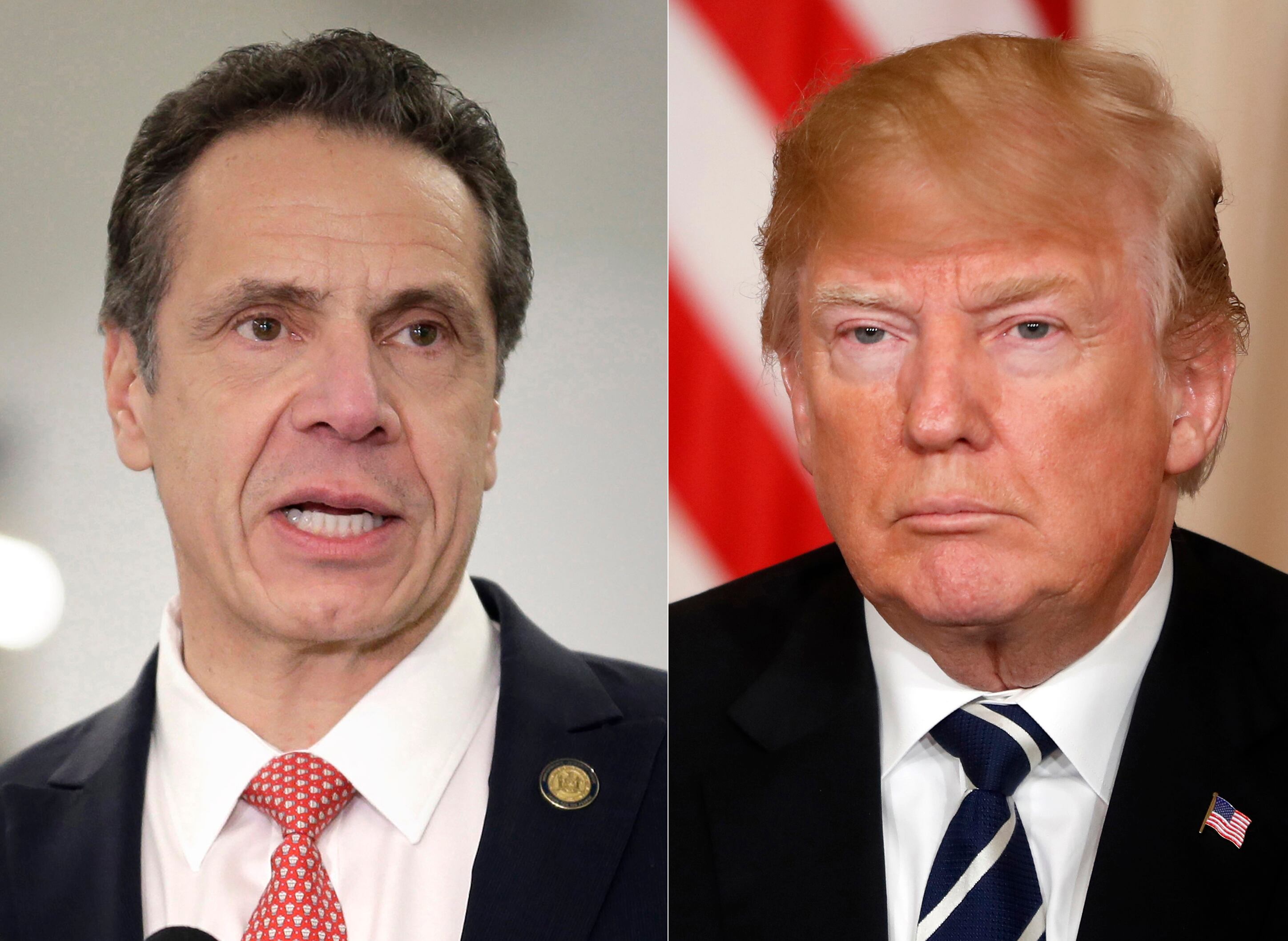
New York Gov. Andrew Cuomo said he had a “functional and effective” Oval Office meeting on Tuesday with President Donald Trump in which he pressed for more federal help as states try to increase testing for the coronavirus.
Over the past 50 years the global population has nearly doubled. Because of this, the relationship between humans and nature has had to change dramatically. Earth Decoded explores the surprising effects of our modernizing world on the planet we call home.
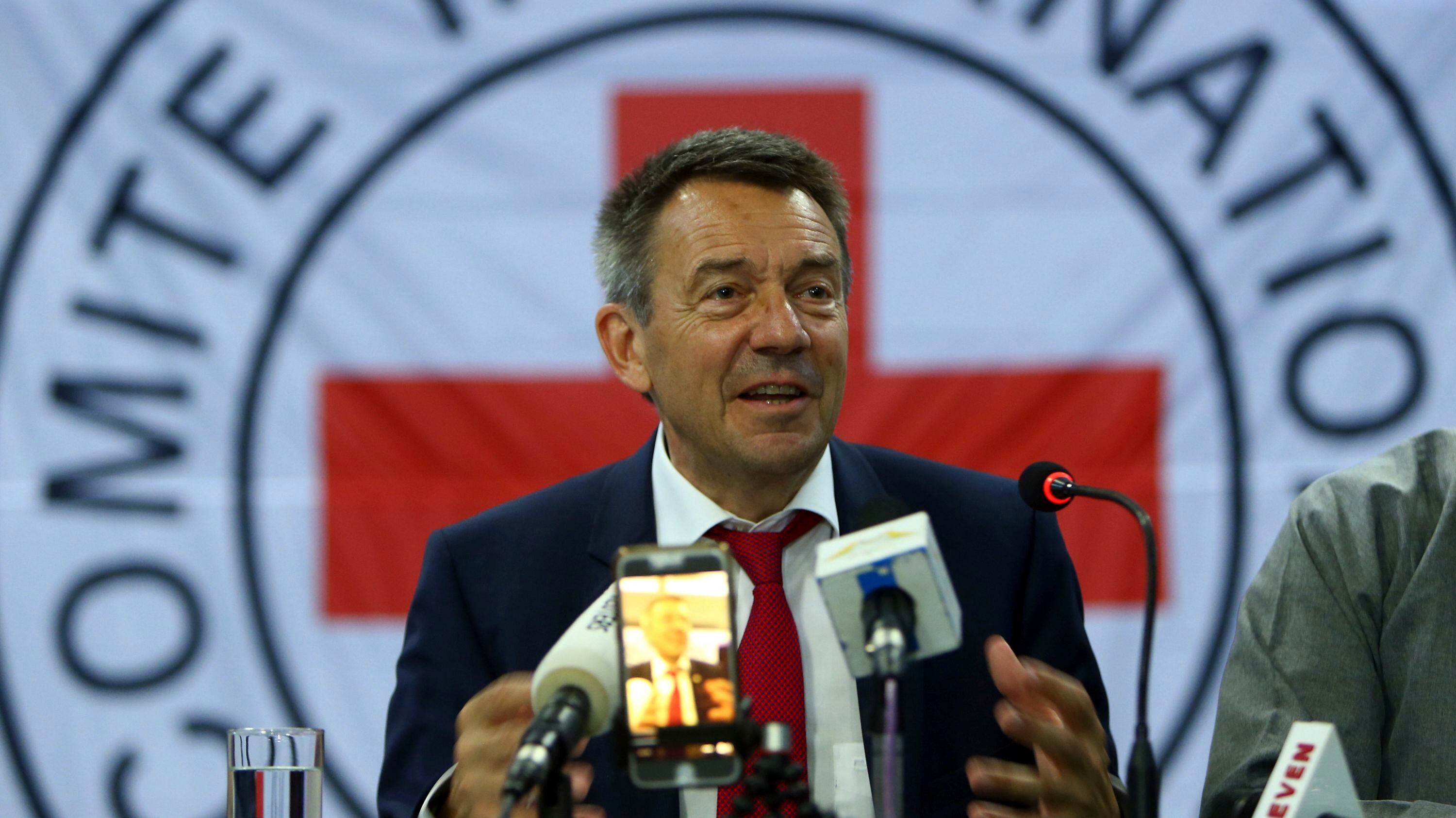
Peter Maurer, president of the International Committee of the Red Cross (ICRC), told Cheddar Monday that the countries that drew the most concerns could take this opportunity to build better health systems going forward.
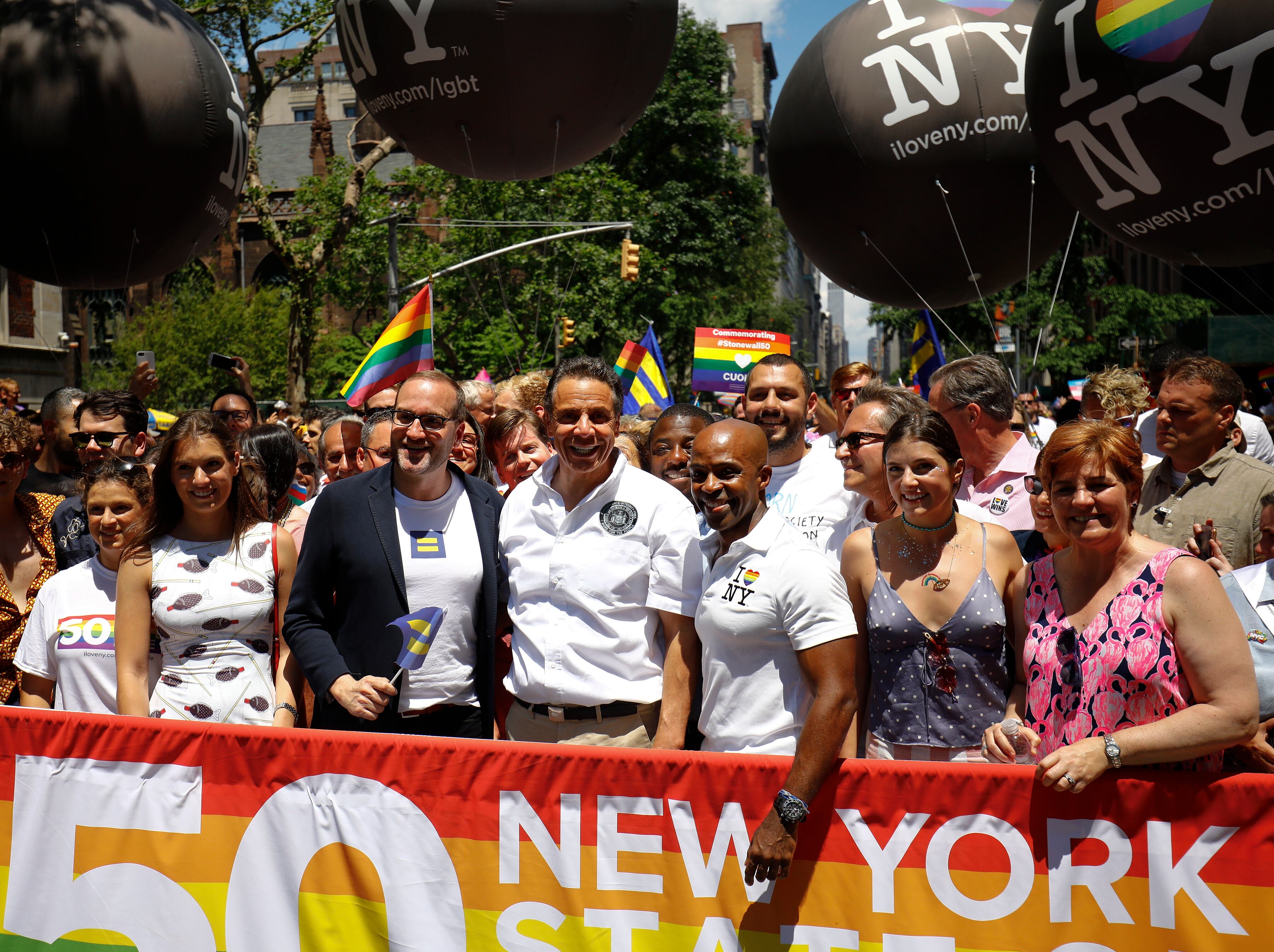
New York City won’t allow public events in June, including three of the city’s major annual celebrations: the National Puerto Rican Day Parade, the Celebrate Israel parade, and the Pride parade on its 50th anniversary.
From Wall Street to Silicon Valley, these are the top stories that moved markets and had investors, business leaders, and entrepreneurs talking this week on Cheddar.
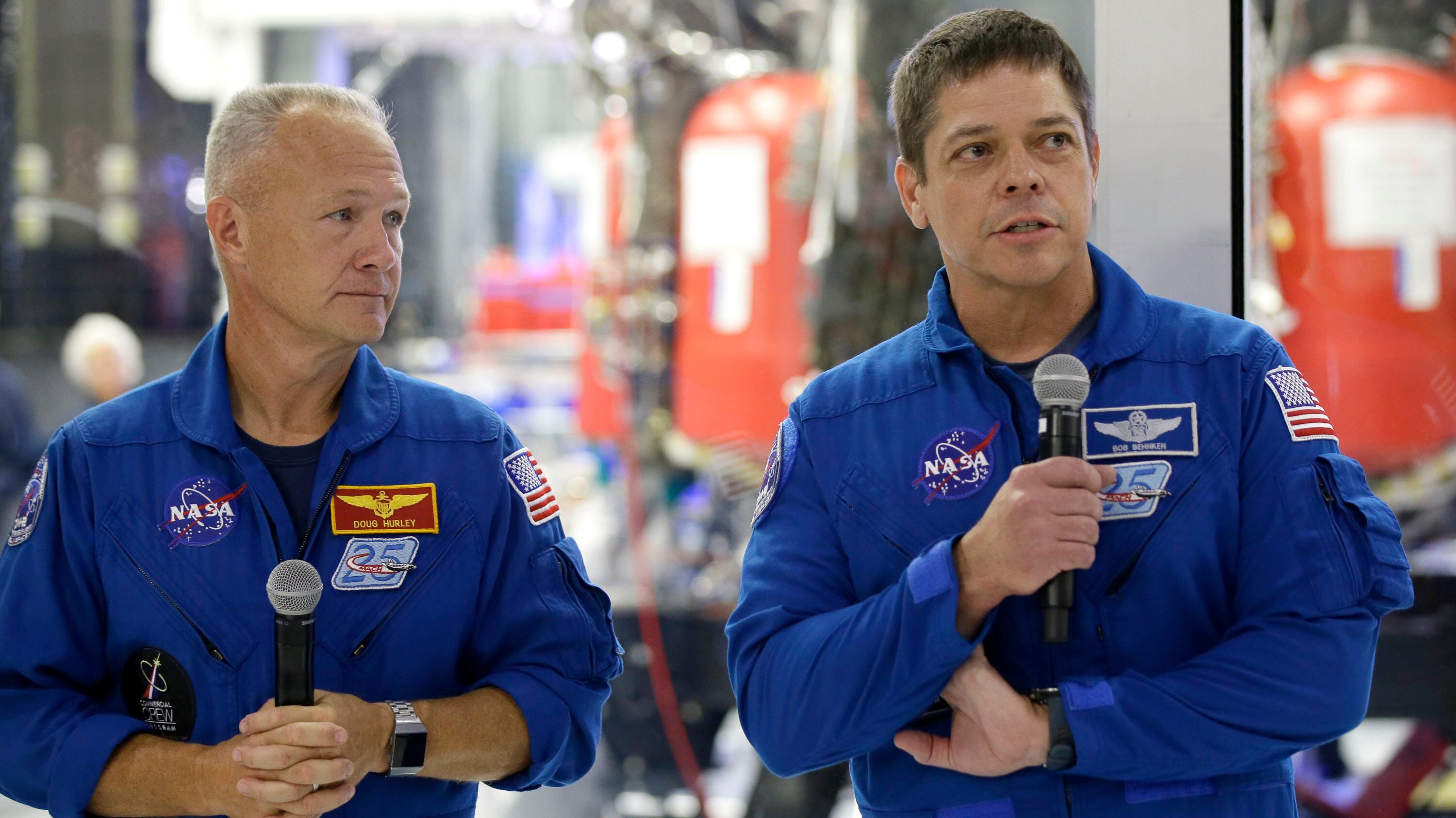
NASA and SpaceX have chosen May 27 for resuming astronaut launches from the U.S. after nine years. NASA Administrator Jim Bridenstine announced the launch date Friday.