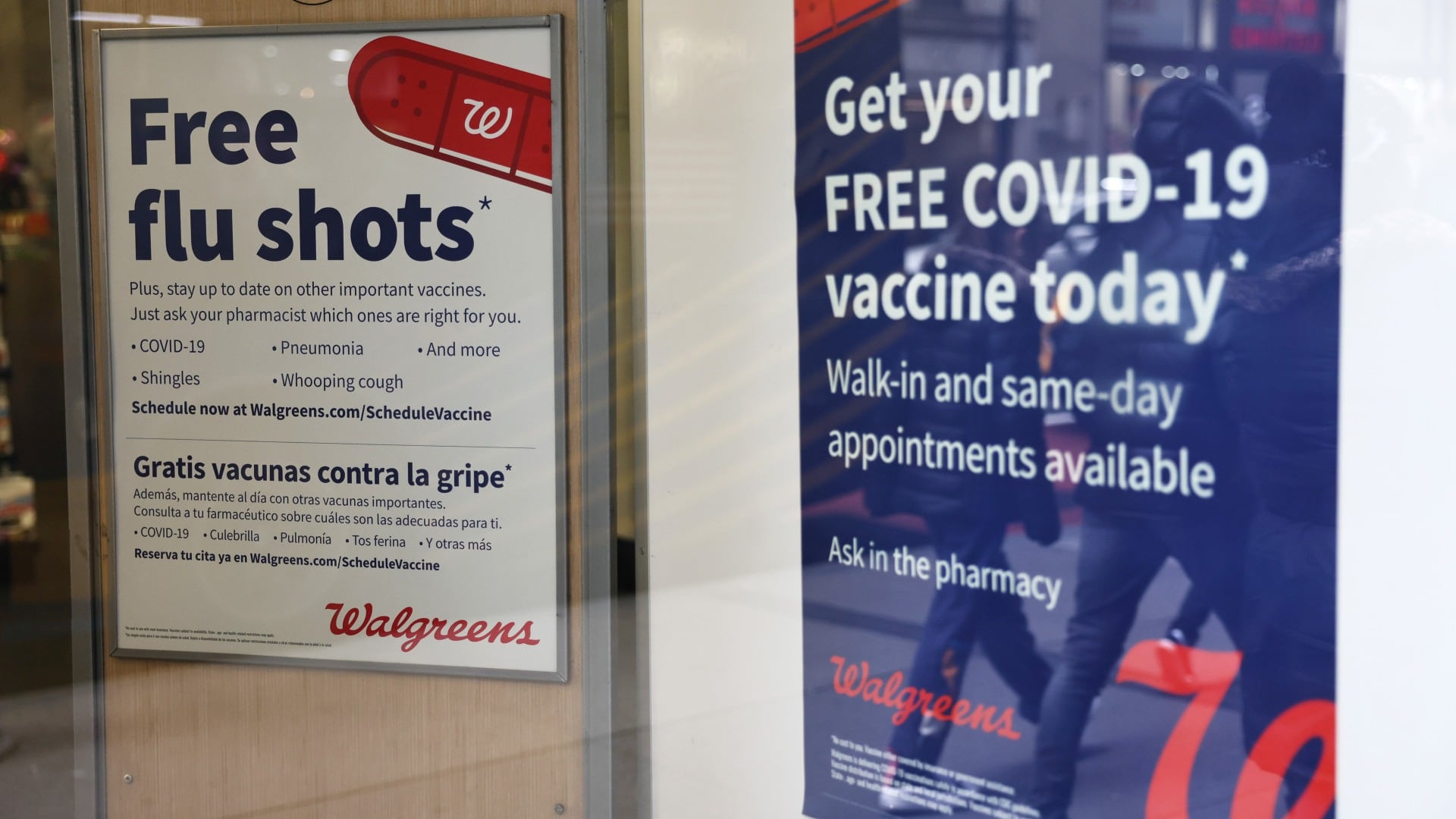
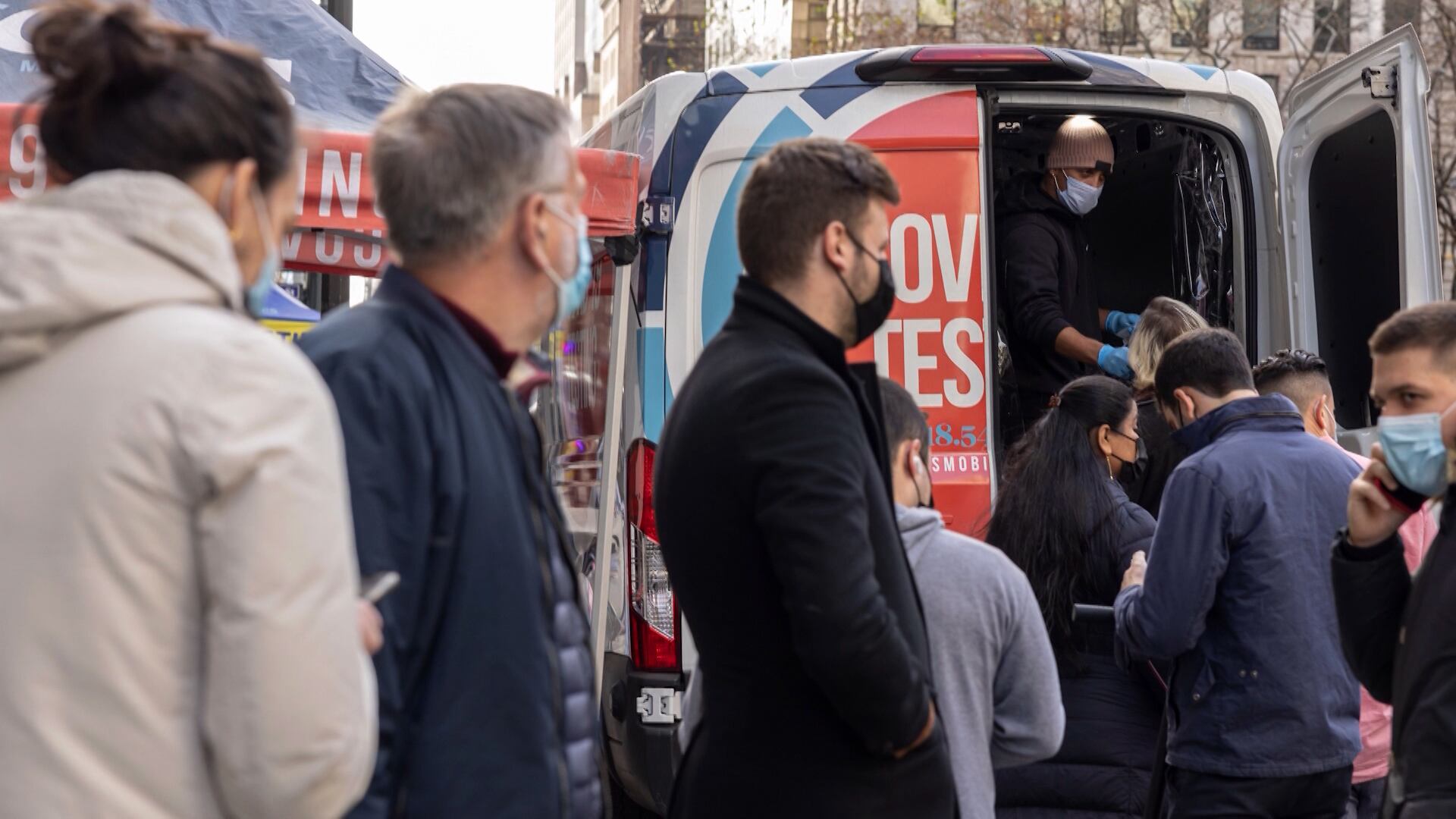
Flu and coronavirus (COVID-19) vaccine signage is seen at a Duane Reade by on Broadway on January 05, 2023 in New York City. Walgreens Boots Alliance reported their first-quarter earnings beating estimates from Wall Street amid an early flu season that boosted the demand for cough and cold medicine. (Photo by Michael M. Santiago/Getty Images)
By Mike Stobbe
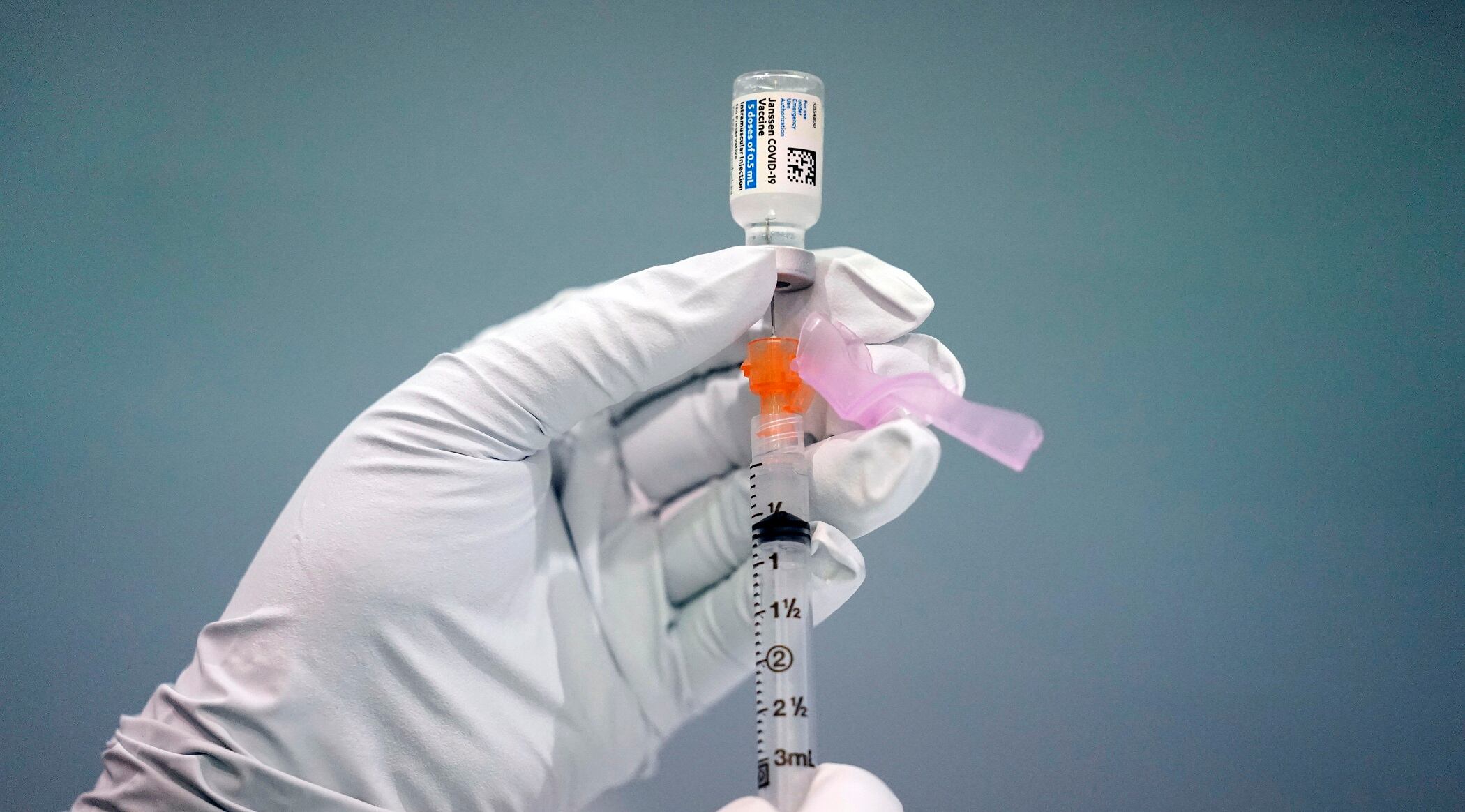
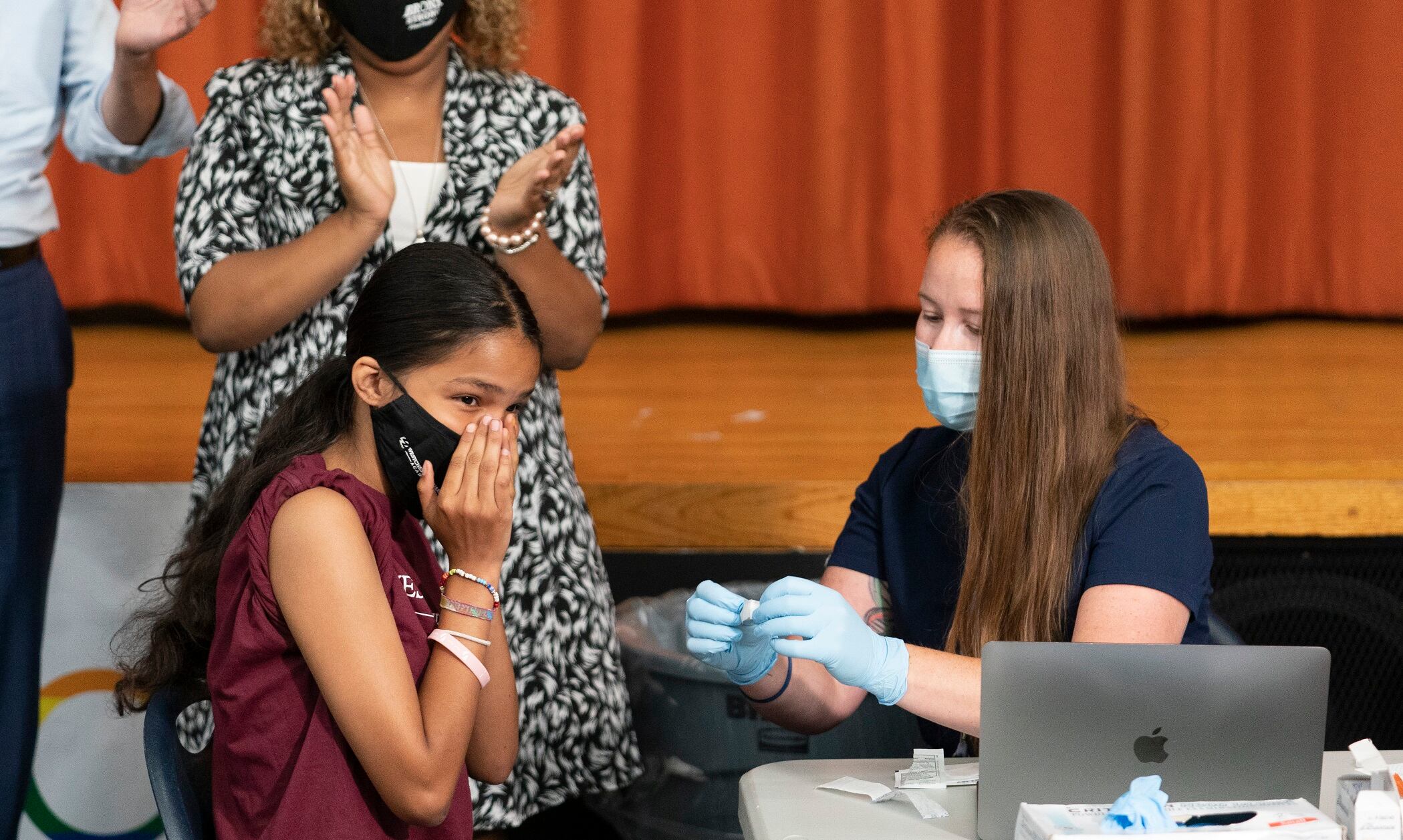
A month after federal officials recommended new versions of COVID-19 vaccines, 7% of U.S. adults and 2% of children have gotten a shot.
One expert called the rates “abysmal.”
The numbers, presented Thursday at a meeting held by the Centers for Disease Control and Prevention, come from a national survey of thousands of Americans, conducted two weeks ago.
The data also indicated that nearly 40% of adults said they probably or definitely will not get the shot. A similar percentage of parents said they did not plan to vaccinate their children.
In the late summer, government health officials made the nation's COVID-19 vaccination campaign more like the annual flu campaign.
Officials approved updated shots that have a single target, an omicron descendant named XBB.1.5. They replaced vaccines that targeted the original coronavirus strain and a much earlier omicron version. Last month, the CDC recommended the new shots for everyone 6 months and older.
The government also transitioned to a commercialized system that relied on the health-care industry — not the government — to handle the distribution of the shots. Many people who immediately went for shots said pharmacies or doctors didn't have them.
Americans have been urged to get different iterations of the vaccines for more than 2/12 years. This year, COVID-19 deaths and hospitalizations fell to lower levels than seen in the previous three years.
Cases remain low compared with the pandemic's early months. Even so, health officials say about 18,000 hospitalization and 1,200 deaths are still being reported each week.
One expert at the meeting, Dr. Camille Kotton of Harvard Medical School, called the numbers “abysmal” and said part of the problem may be patient confusion. She urged stepped-up public education efforts.
Dr. David Kimberlin, of the University of Alabama at Birmingham, also expressed dismay.
“The recommendations are not being heard," he said.
Health officials are warning of a grim winter as the Omicron variant of COVID-19 spreads rapidly across the country. New York City is the latest hotspot, with cases rising in a way the city hasn't previously seen in the pandemic. Dr. Bob Lahita, director of the Institute for Autoimmune and Rheumatic Diseases at St. Joseph Health and author of the book "Immunity Strong," joined Cheddar to discuss whether the rest of the country will follow in New York's footsteps.
Covid cases and deaths are on the rise in many parts of the country even before the Omicron variant takes hold. More than 30 states had higher seven-day averages for new cases last week than they did before Thanksgiving, according to Johns Hopkins University data, with some of the biggest increases in the Northeast. Dr. Anthony Santella, professor of Health Administration and University COVID Coordinator at the University of New Haven, joined Cheddar to discuss where we stand in the pandemic and how we can keep ourselves safe during the holidays.
Carlo's joined by a quarantining Baker to discuss the headlines from the weekend as Omicron spreads like wildfire, Manchin kills Biden's signature bill and Spider-Man throws a lifeline to the box office.
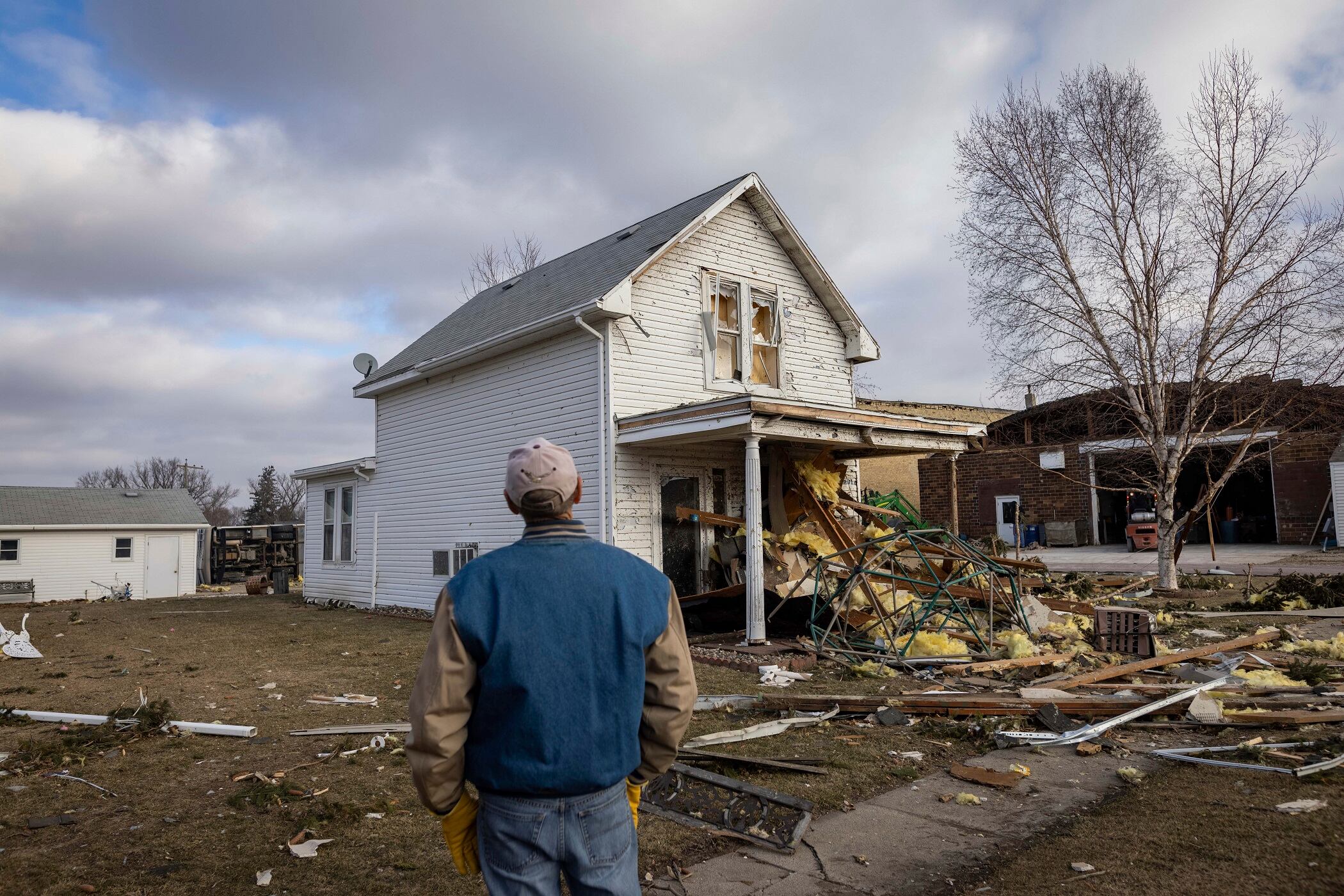
Authorities say at least five people died when a powerful storm system swept across the Great Plains and Midwest, spawning hurricane-force winds and likely tornadoes in Nebraska, Iowa and Minnesota.
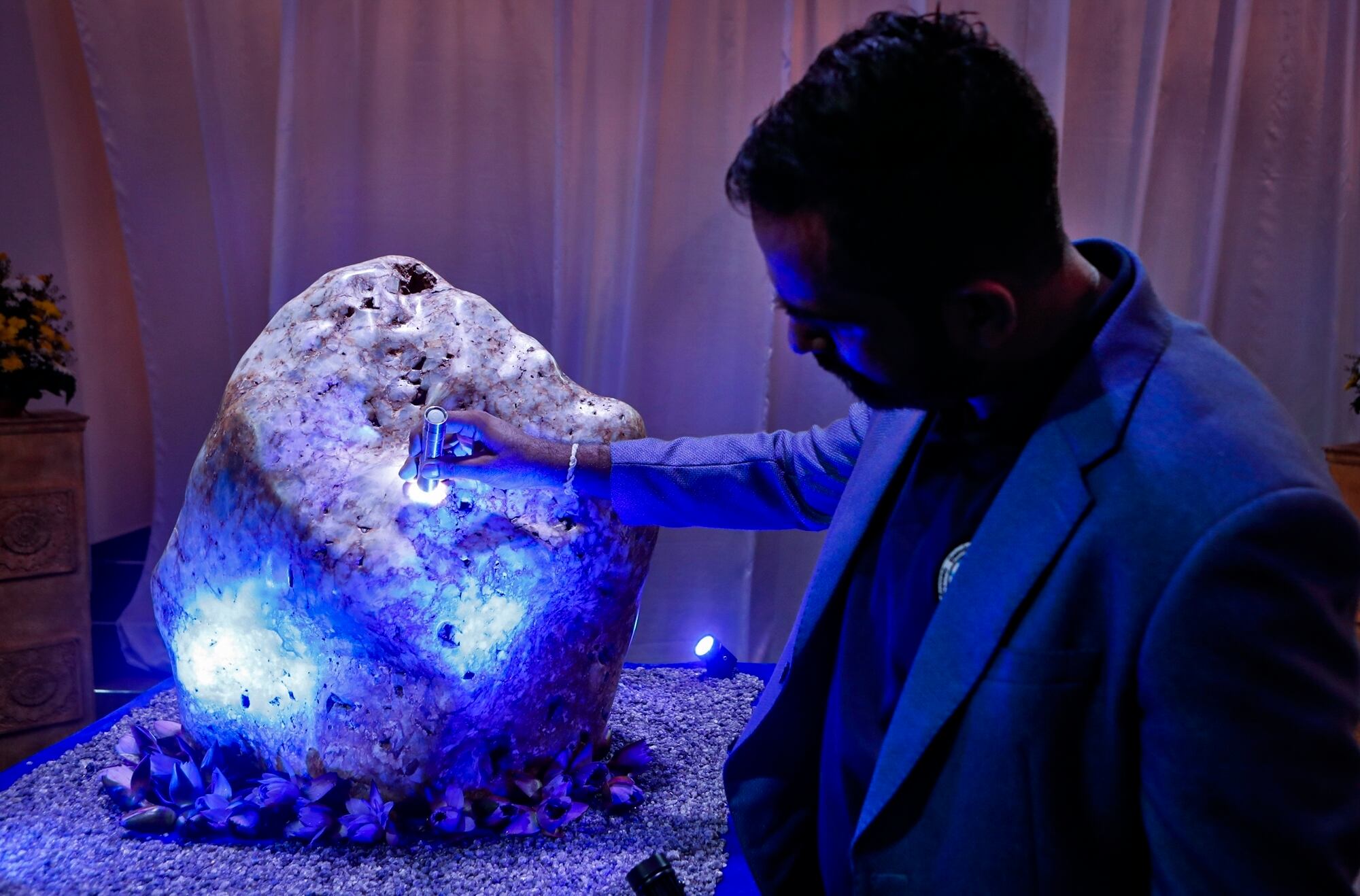
A gem company in Sri Lanka has unveiled a rare and massive gemstone weighing 683 pounds (310 kilograms) that has been certified as one of the biggest corundums ever found in the country.