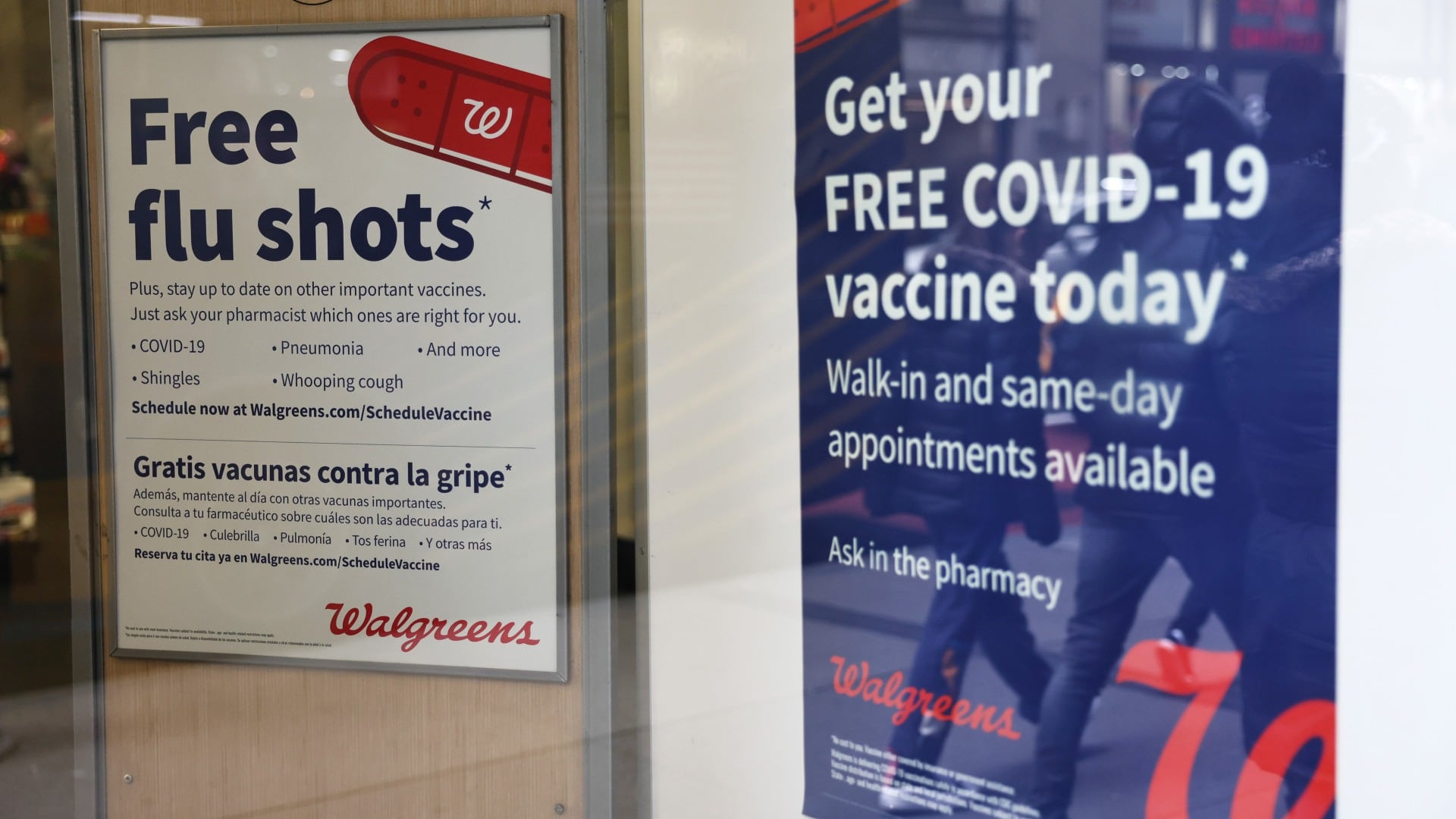
Flu and coronavirus (COVID-19) vaccine signage is seen at a Duane Reade by on Broadway on January 05, 2023 in New York City. Walgreens Boots Alliance reported their first-quarter earnings beating estimates from Wall Street amid an early flu season that boosted the demand for cough and cold medicine. (Photo by Michael M. Santiago/Getty Images)
By Mike Stobbe
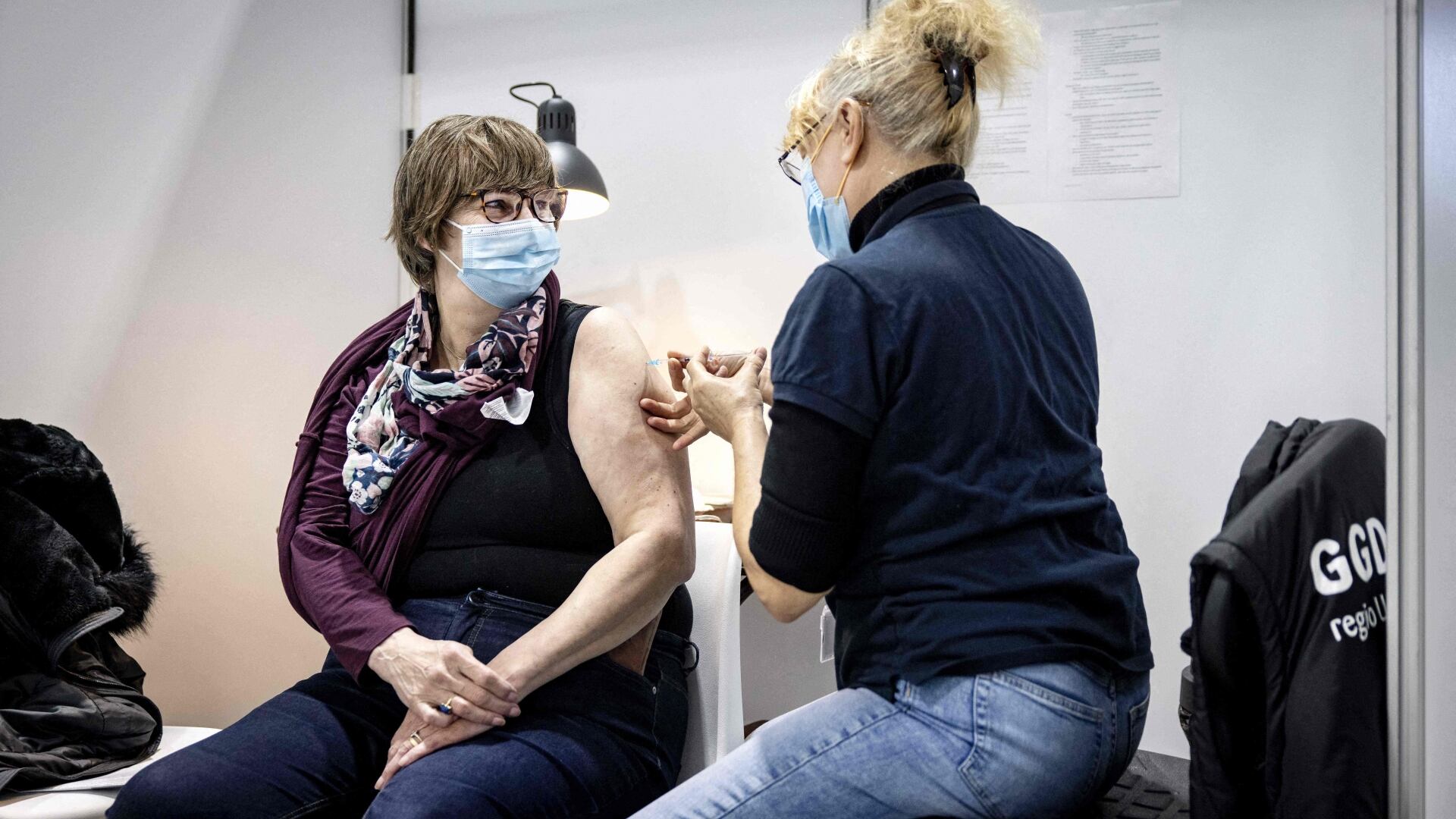
A month after federal officials recommended new versions of COVID-19 vaccines, 7% of U.S. adults and 2% of children have gotten a shot.
One expert called the rates “abysmal.”
The numbers, presented Thursday at a meeting held by the Centers for Disease Control and Prevention, come from a national survey of thousands of Americans, conducted two weeks ago.
The data also indicated that nearly 40% of adults said they probably or definitely will not get the shot. A similar percentage of parents said they did not plan to vaccinate their children.
In the late summer, government health officials made the nation's COVID-19 vaccination campaign more like the annual flu campaign.
Officials approved updated shots that have a single target, an omicron descendant named XBB.1.5. They replaced vaccines that targeted the original coronavirus strain and a much earlier omicron version. Last month, the CDC recommended the new shots for everyone 6 months and older.
The government also transitioned to a commercialized system that relied on the health-care industry — not the government — to handle the distribution of the shots. Many people who immediately went for shots said pharmacies or doctors didn't have them.
Americans have been urged to get different iterations of the vaccines for more than 2/12 years. This year, COVID-19 deaths and hospitalizations fell to lower levels than seen in the previous three years.
Cases remain low compared with the pandemic's early months. Even so, health officials say about 18,000 hospitalization and 1,200 deaths are still being reported each week.
One expert at the meeting, Dr. Camille Kotton of Harvard Medical School, called the numbers “abysmal” and said part of the problem may be patient confusion. She urged stepped-up public education efforts.
Dr. David Kimberlin, of the University of Alabama at Birmingham, also expressed dismay.
“The recommendations are not being heard," he said.
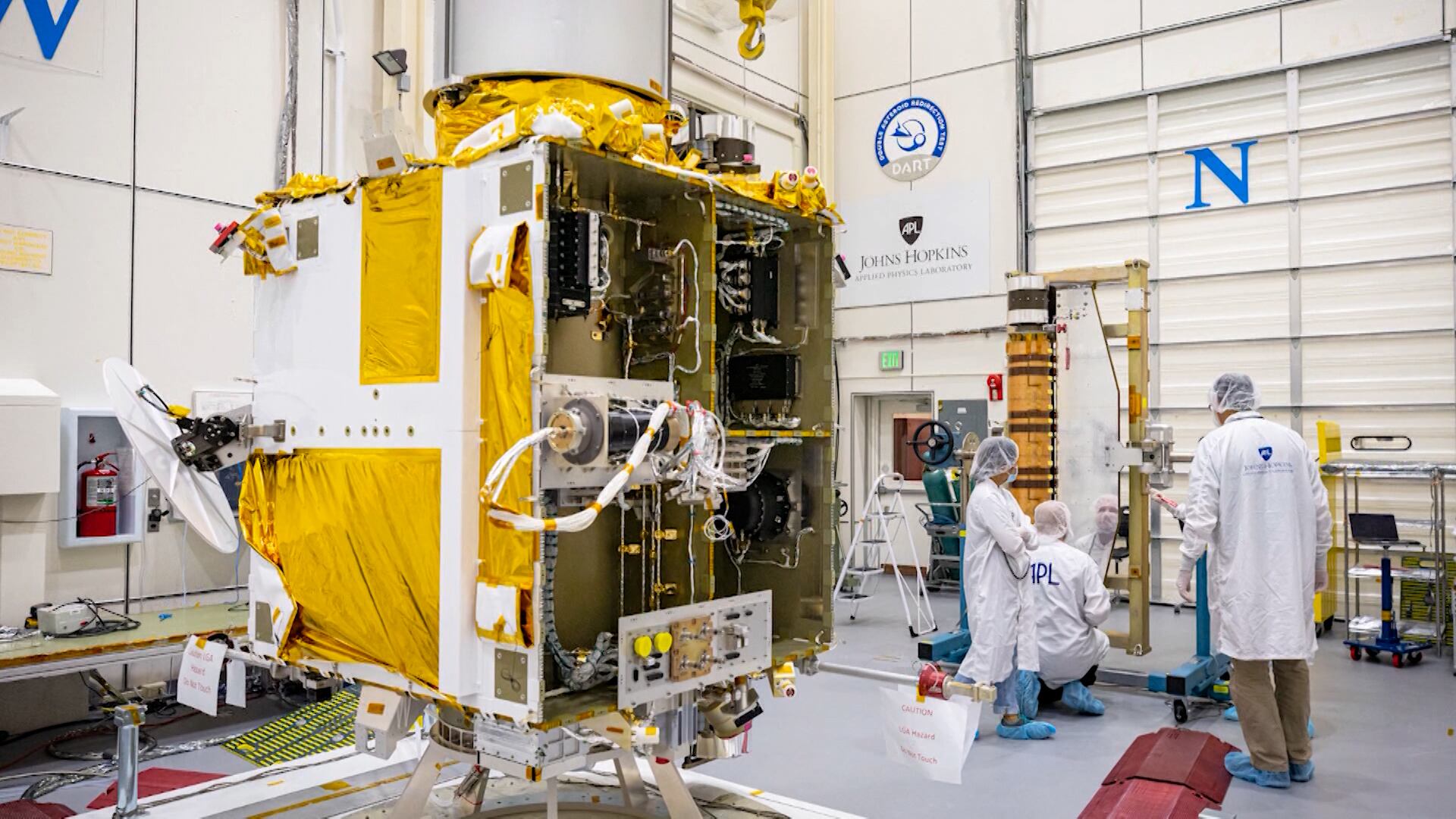
NASA is gearing up this week for a mission to launch a SpaceX Falcon 9 rocket into a near-Earth asteroid in an attempt to move it slightly off its projected course. Thomas Zurbuchen, an associate administrator for the NASA Science Mission Directorate, joined Cheddar's "Opening Bell" to provide some additional details about the Double Asteroid Redirection Test (DART) and explained why it is necessary as a means to protect Earth.
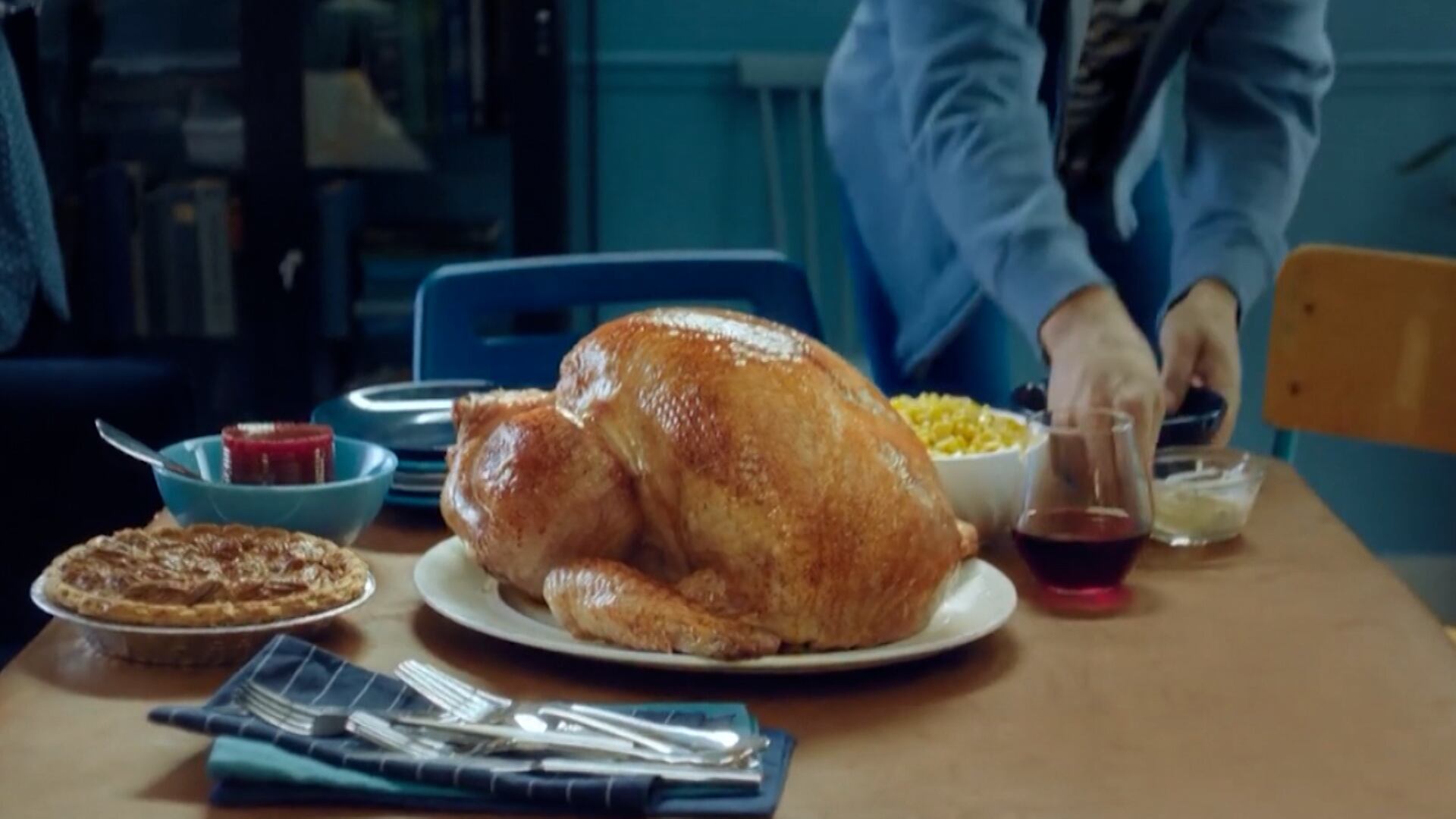
With Thanksgiving two days away, the USDA is reminding hosts of the importance of food safety. Karen Hunter, Food Safety Expert, USDA, joined Cheddar's Opening Bell to discuss the best food handling and leftover tips ahead of the holiday.
Jill and Carlo are a bit delayed today on account of Carlo's internet not working. Better late than never, they discuss what we know about the suspect in the Christmas parade crash, closing arguments in the Arbery killing trial, and more.
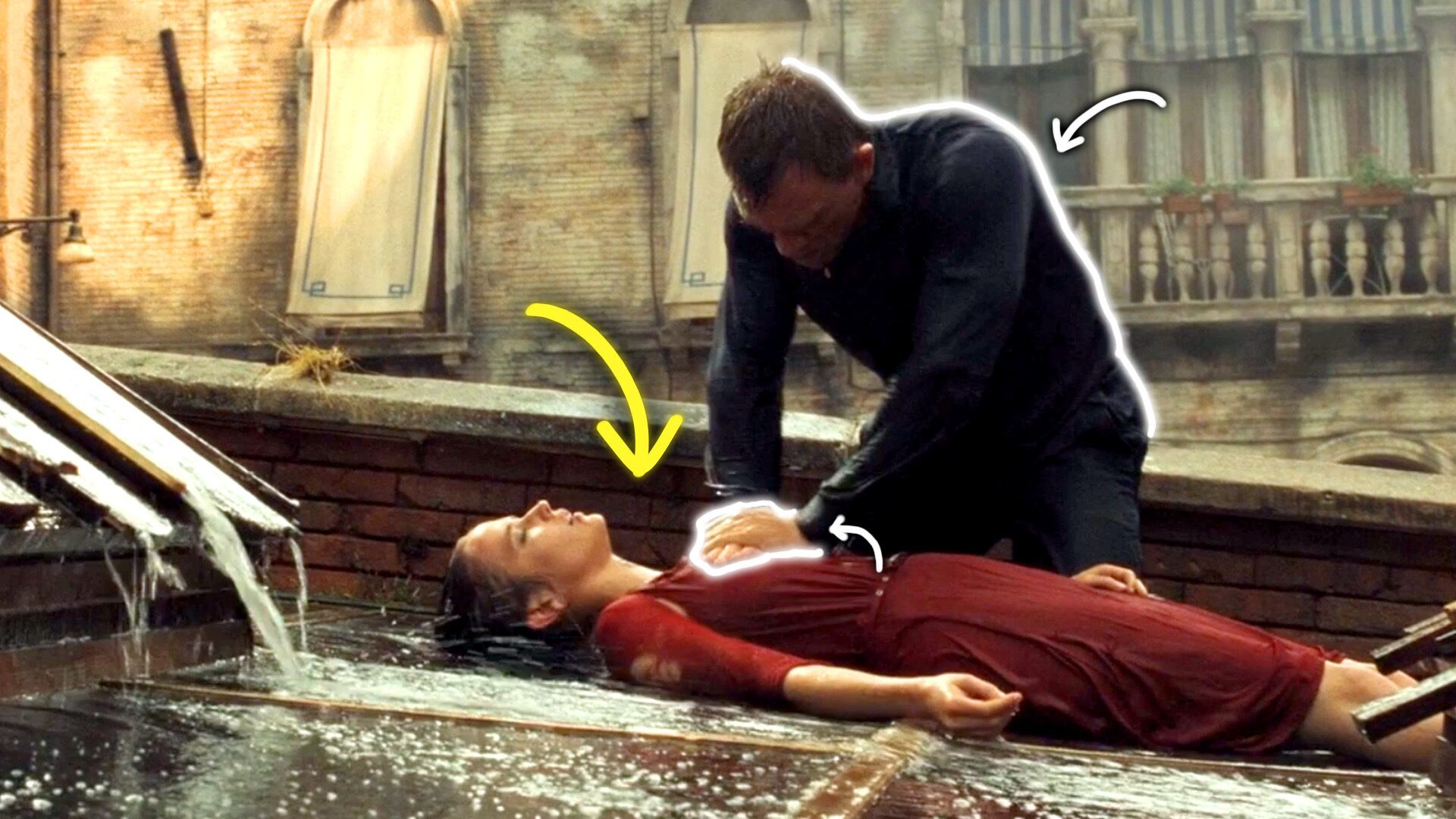
If you’ve ever watched a show or movie where a character is unconscious for some reason - drowning, electrocution, stabbed in a knife fight - you probably know what to expect next. Some hero will come perform what looks like cardiopulmonary resuscitation (CPR) for a minute or two, perhaps in slow motion, and definitely with a dramatic musical score. And bing, bang, boom, the unconscious character miraculously comes back to life.
If you’ve ever suspected that this is a gross exaggeration of the efficacy of CPR, well, you’re right. But exactly how wrong Hollywood gets CPR is hilarious at best and downright dangerous at worst.
Countries around the world continue to grapple with rising COVID cases, with Germany confirming case numbers at their highest at any point during the pandemic. German officials say that 48,000 new cases are being reported everyday.
Jill and Carlo cover the developing story out of suburban Milwaukee, where a speeding SUV careened through a Christmas parade. Looters get more brazen in San Francisco, the missing Chinese tennis star resurfaces, and more.
A CDC panel has unanimously endorsed boosters of the Pfizer and Moderna COVID-19 vaccines for all adults. Internal medicine physician Dr. Vivek Cherian joined Cheddar News to weigh in.
Neuroscientist Dr. Bankole Johnson joined Cheddar News to talk about the expectation of boosters for all U.S. adults and what the move would mean in the fight against the pandemic.
Deborah Sass, CO-CEO and Founding Partner of Space Hero, joins ChedHER to discuss how she's creating a global competition to send someone on a 10-day trip to space, her experience in the space industry without a background in STEM, and how she hopes to inspire younger generations of women.