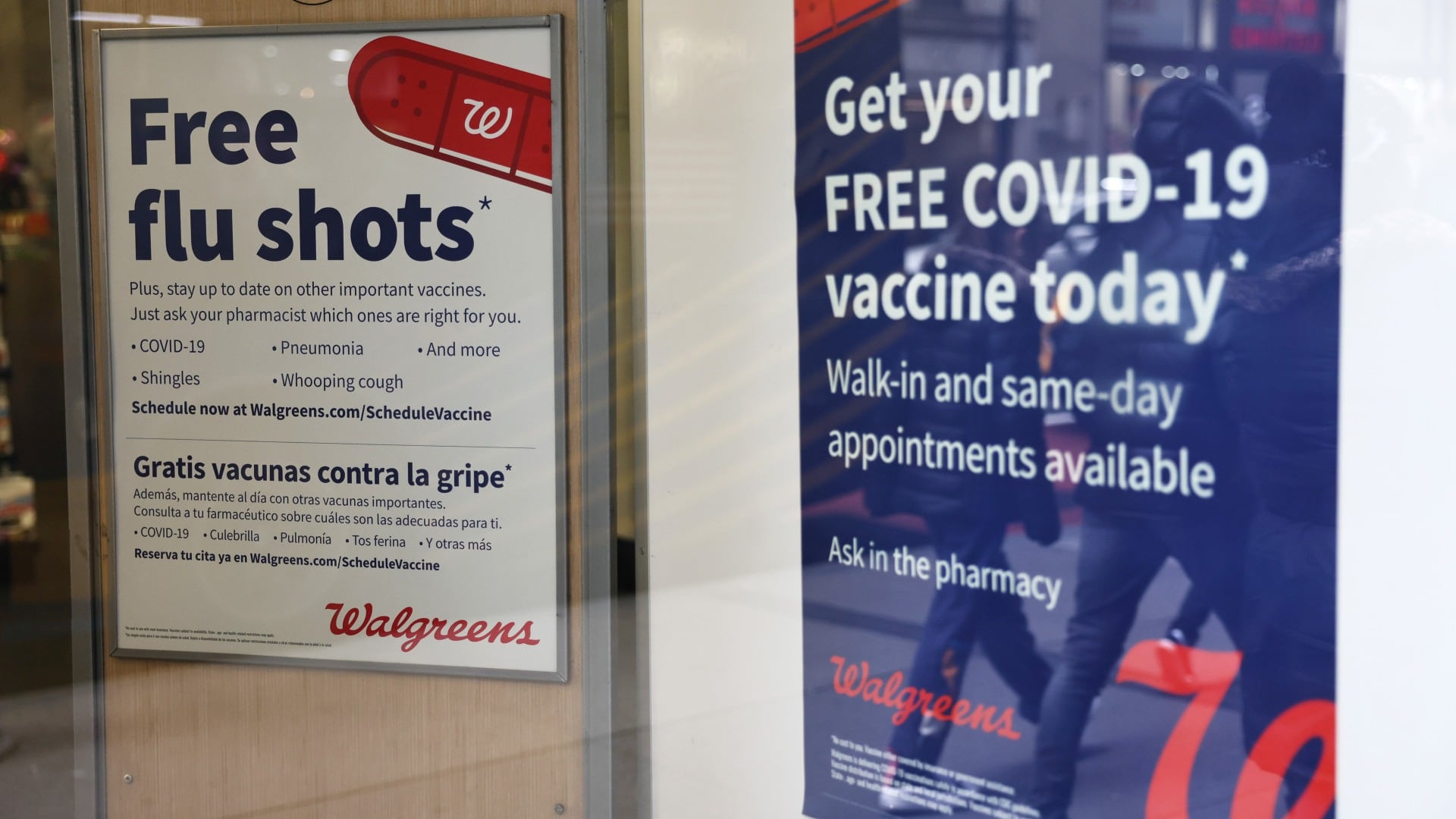
Flu and coronavirus (COVID-19) vaccine signage is seen at a Duane Reade by on Broadway on January 05, 2023 in New York City. Walgreens Boots Alliance reported their first-quarter earnings beating estimates from Wall Street amid an early flu season that boosted the demand for cough and cold medicine. (Photo by Michael M. Santiago/Getty Images)
By Mike Stobbe
A month after federal officials recommended new versions of COVID-19 vaccines, 7% of U.S. adults and 2% of children have gotten a shot.
One expert called the rates “abysmal.”
The numbers, presented Thursday at a meeting held by the Centers for Disease Control and Prevention, come from a national survey of thousands of Americans, conducted two weeks ago.
The data also indicated that nearly 40% of adults said they probably or definitely will not get the shot. A similar percentage of parents said they did not plan to vaccinate their children.
In the late summer, government health officials made the nation's COVID-19 vaccination campaign more like the annual flu campaign.
Officials approved updated shots that have a single target, an omicron descendant named XBB.1.5. They replaced vaccines that targeted the original coronavirus strain and a much earlier omicron version. Last month, the CDC recommended the new shots for everyone 6 months and older.
The government also transitioned to a commercialized system that relied on the health-care industry — not the government — to handle the distribution of the shots. Many people who immediately went for shots said pharmacies or doctors didn't have them.
Americans have been urged to get different iterations of the vaccines for more than 2/12 years. This year, COVID-19 deaths and hospitalizations fell to lower levels than seen in the previous three years.
Cases remain low compared with the pandemic's early months. Even so, health officials say about 18,000 hospitalization and 1,200 deaths are still being reported each week.
One expert at the meeting, Dr. Camille Kotton of Harvard Medical School, called the numbers “abysmal” and said part of the problem may be patient confusion. She urged stepped-up public education efforts.
Dr. David Kimberlin, of the University of Alabama at Birmingham, also expressed dismay.
“The recommendations are not being heard," he said.
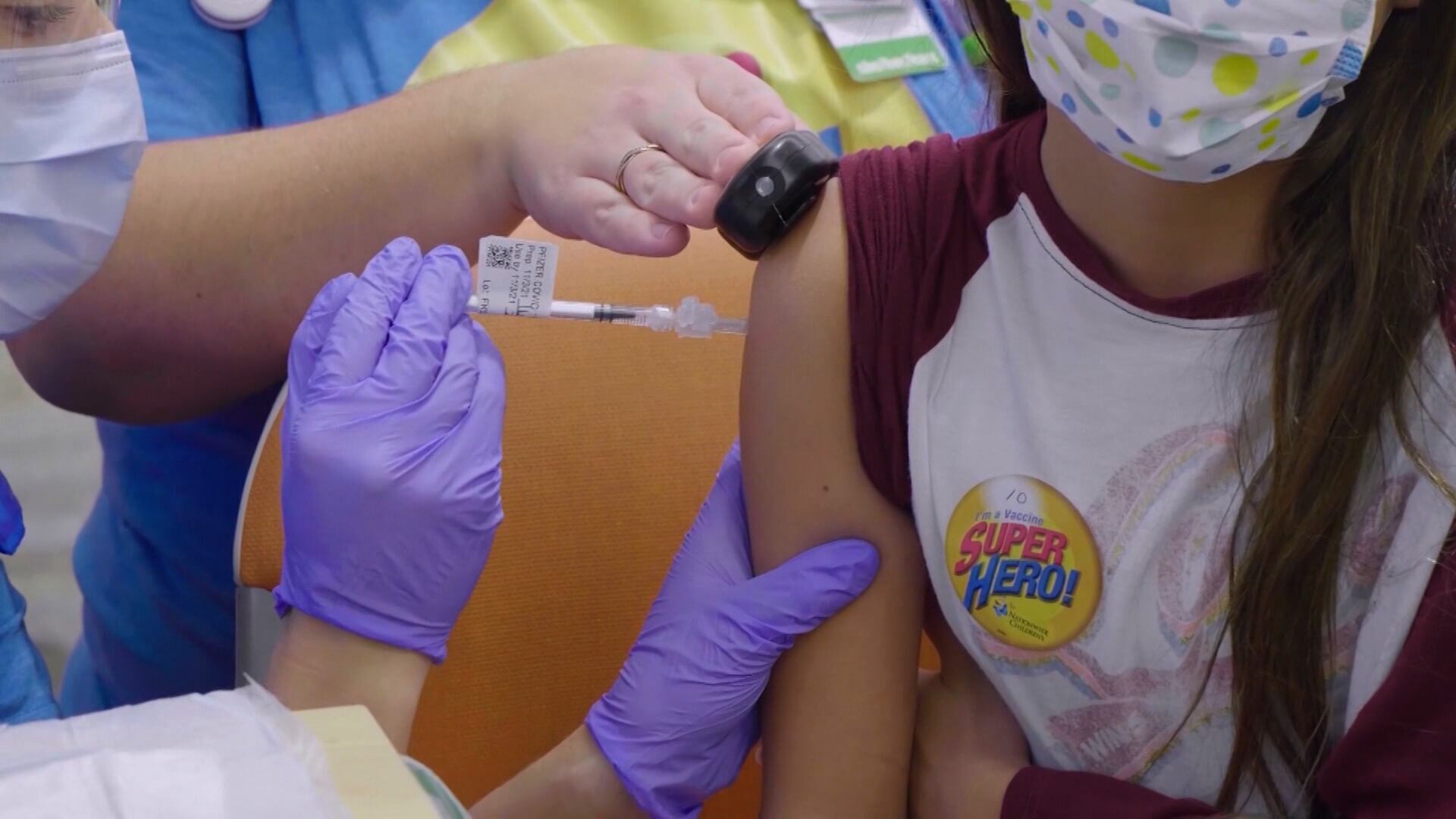
With a rising number of COVID-19 cases due to the omicron variant, the FDA is making big moves. First, Pfizer's COVID-19 booster has been authorized for those ages 12 to 15. The agency also reduced the amount of time to wait between receiving a second vaccine dose and booster from six months to five. Finally, a third primary series dose of Pfizer's shot is approved for immunocompromised children five to 11 years old. Professor Peter Pitts joins Cheddar News to discuss.
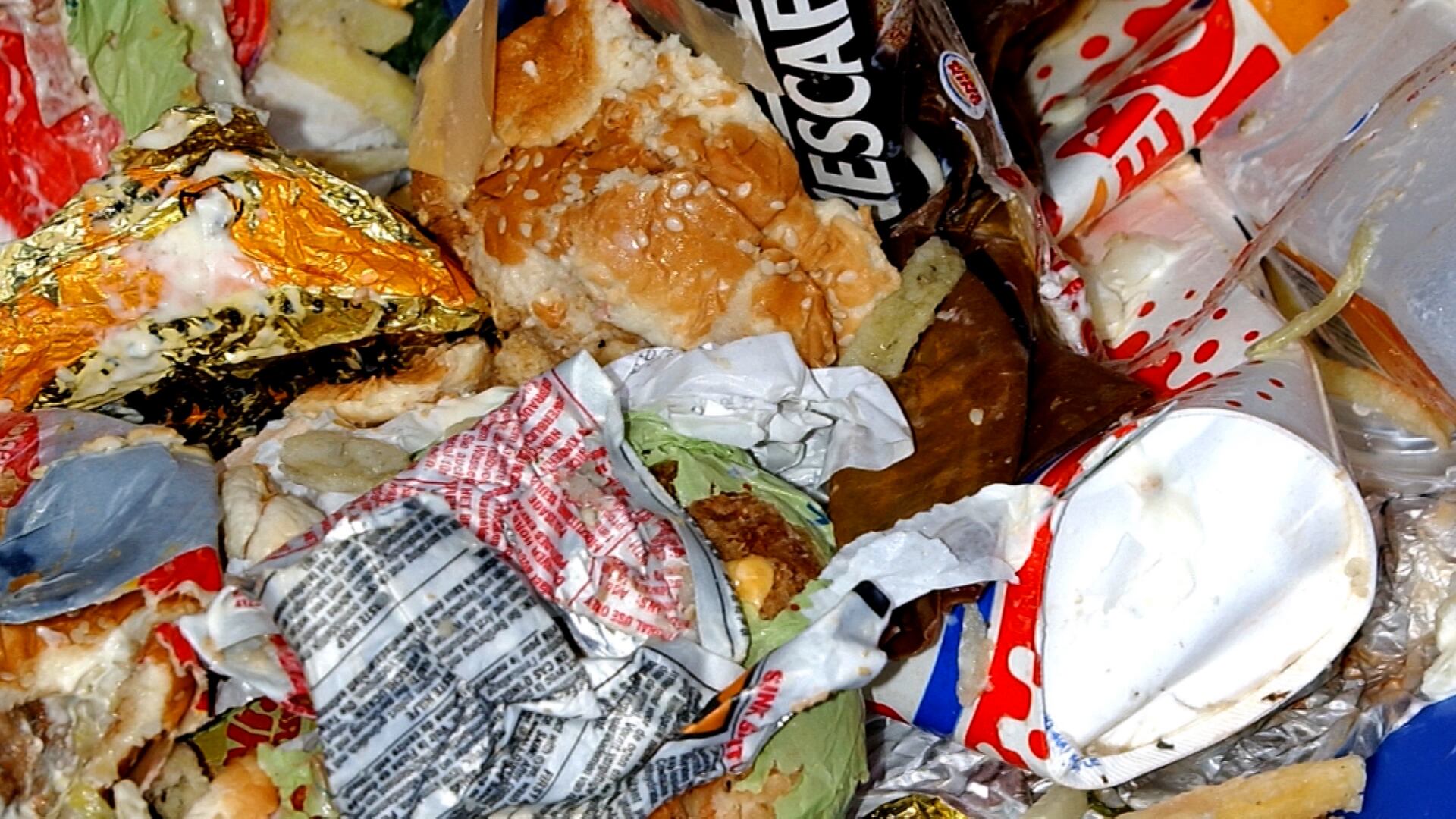
California's new composting law will affect what residents do in their kitchens. As of this week, Californians will have to recycle excess food in an effort to reduce emissions caused by food waste. Cities and counties will turn recycled food into compost or use it as a renewable energy source. California's new law is the largest mandatory residential food waste recycling program in the country. Rachel Wagoner, Director of the California Department of Resources, Recycling and Recovery called the law 'the biggest change to trash' since recycling started in the 1980s. She joined Cheddar Climate to discuss.
Deborah Brosnan, President of Deborah Brosnan & Associates, joins Cheddar Climate, where she explains why global warming brought about 'a year of reckoning' in 2021 and why previously unprecedented weather events could become the norm going forward.
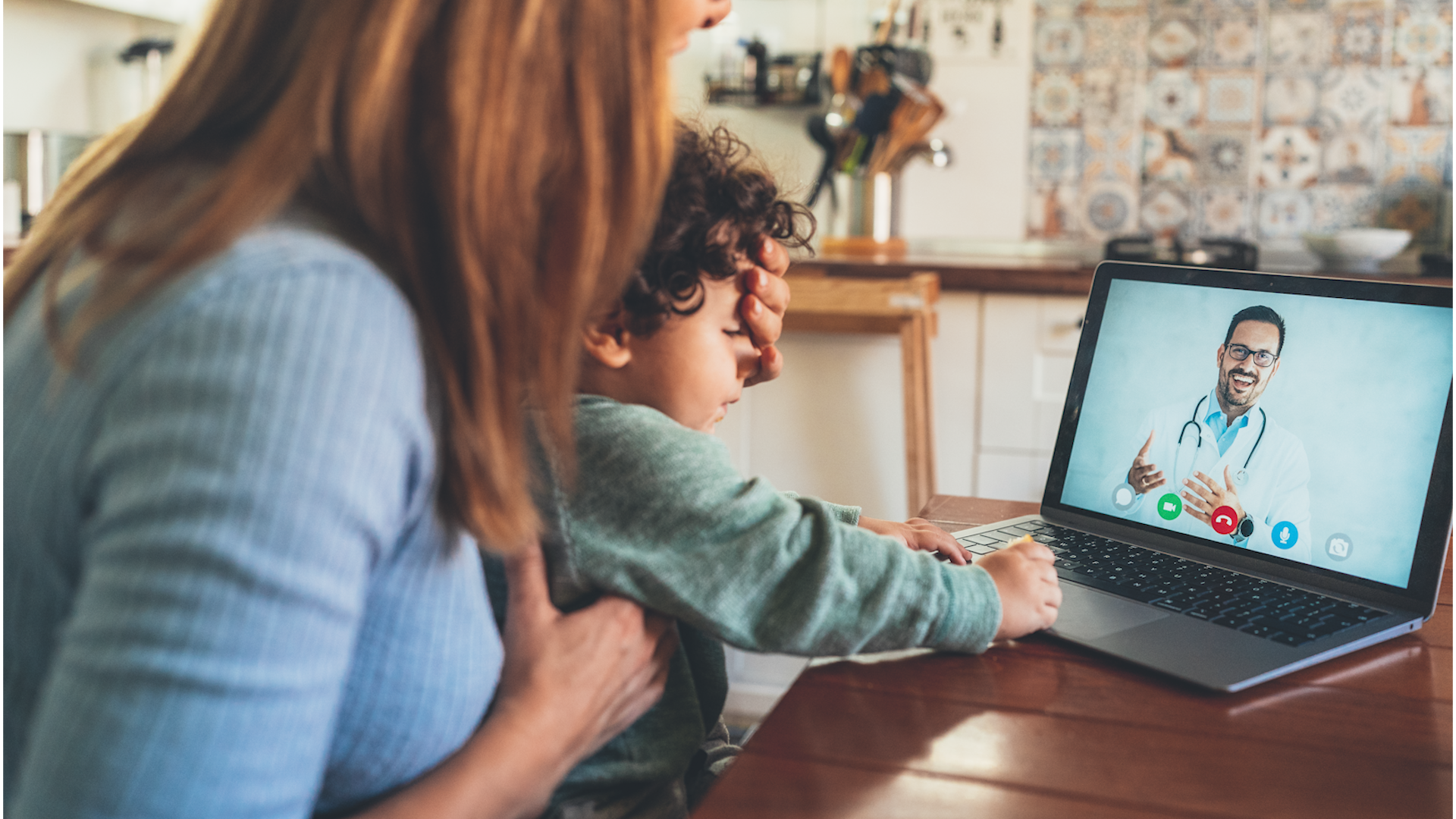
On this episode of Cheddar Reveals, Dr. Anita Gupta, Adjunct assistant professor of anesthesiology and critical care medicine at the Johns Hopkins University School of Medicine, shares her forecast for the healthcare industry in 2022; Waseem Asghar, Ph.D., Associate Professor, Department of Computer & Electrical Engineering and Computer Science, Florida Atlantic University, breaks down the latest progress, trends, and innovations in wearable health tech; Cheddar gets a look at Curiosity Stream's 'Hacking our Biome.'
Dr. Anita Gupta, Adjunct assistant professor of anesthesiology and critical care medicine at the Johns Hopkins University School of Medicine, joins Cheddar Reveals to share her forecast for the healthcare industry in 2022.
Waseem Asghar, Ph.D., Associate Professor, Department of Computer & Electrical Engineering and Computer Science, Florida Atlantic University, joins Cheddar Reveals to break down the latest progress, trends, and innovations in wearable health tech.
Washington DC and the surrounding areas saw a record breaking snow storm Monday as a strong storm system works its way across the eastern U.S. The extreme weather event caused extensive damage in the greater Washington area, leaving thousands in the region without power. Jonathan Porter, Chief Meteorologist, AccuWeather, joined Wake Up with Cheddar to discuss the fierce storm.
Sweta Chakraborty, U.S. President of We Don't Have Time and climate change expert, joins Cheddar News to discuss how mining the proper resources for the clean energy sector is crucial.
Over the past year alone, we've seen an increasing push-back on fossil fuels, legislation to reduce plastic pollution, greater protection over our worlds' forests, and a growing number of companies working to reduce total carbon footprint. To discuss the sustainability trends that defined 2021 and the changes individuals can make in 2022, J.D. Durkin is joined by Ashlee Piper, a sustainability expert and author of 'Give a Sh*t: Do Good. Live Better. Save the Planet,' joins Cheddar News.