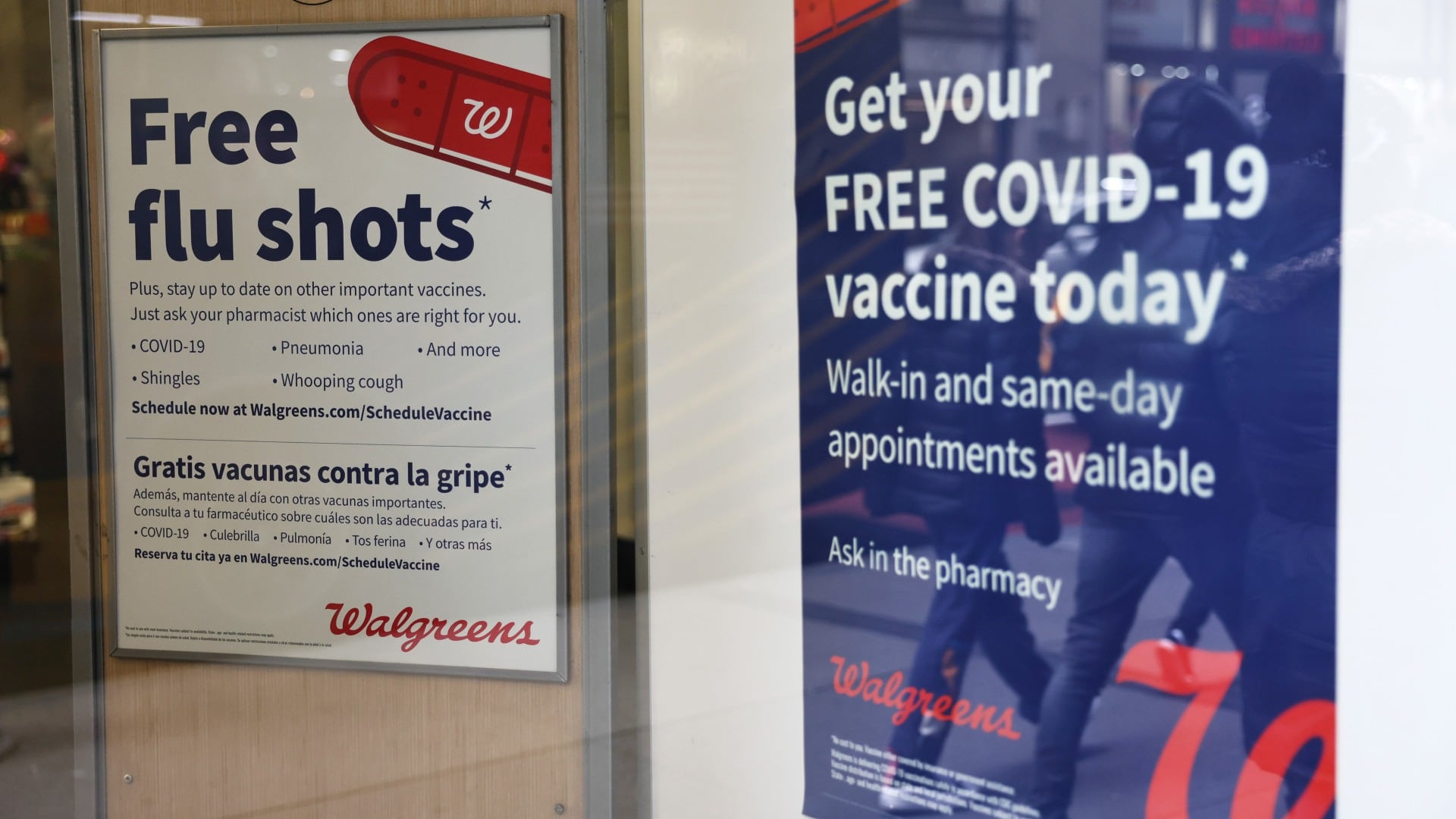
Flu and coronavirus (COVID-19) vaccine signage is seen at a Duane Reade by on Broadway on January 05, 2023 in New York City. Walgreens Boots Alliance reported their first-quarter earnings beating estimates from Wall Street amid an early flu season that boosted the demand for cough and cold medicine. (Photo by Michael M. Santiago/Getty Images)
By Mike Stobbe
A month after federal officials recommended new versions of COVID-19 vaccines, 7% of U.S. adults and 2% of children have gotten a shot.
One expert called the rates “abysmal.”
The numbers, presented Thursday at a meeting held by the Centers for Disease Control and Prevention, come from a national survey of thousands of Americans, conducted two weeks ago.
The data also indicated that nearly 40% of adults said they probably or definitely will not get the shot. A similar percentage of parents said they did not plan to vaccinate their children.
In the late summer, government health officials made the nation's COVID-19 vaccination campaign more like the annual flu campaign.
Officials approved updated shots that have a single target, an omicron descendant named XBB.1.5. They replaced vaccines that targeted the original coronavirus strain and a much earlier omicron version. Last month, the CDC recommended the new shots for everyone 6 months and older.
The government also transitioned to a commercialized system that relied on the health-care industry — not the government — to handle the distribution of the shots. Many people who immediately went for shots said pharmacies or doctors didn't have them.
Americans have been urged to get different iterations of the vaccines for more than 2/12 years. This year, COVID-19 deaths and hospitalizations fell to lower levels than seen in the previous three years.
Cases remain low compared with the pandemic's early months. Even so, health officials say about 18,000 hospitalization and 1,200 deaths are still being reported each week.
One expert at the meeting, Dr. Camille Kotton of Harvard Medical School, called the numbers “abysmal” and said part of the problem may be patient confusion. She urged stepped-up public education efforts.
Dr. David Kimberlin, of the University of Alabama at Birmingham, also expressed dismay.
“The recommendations are not being heard," he said.
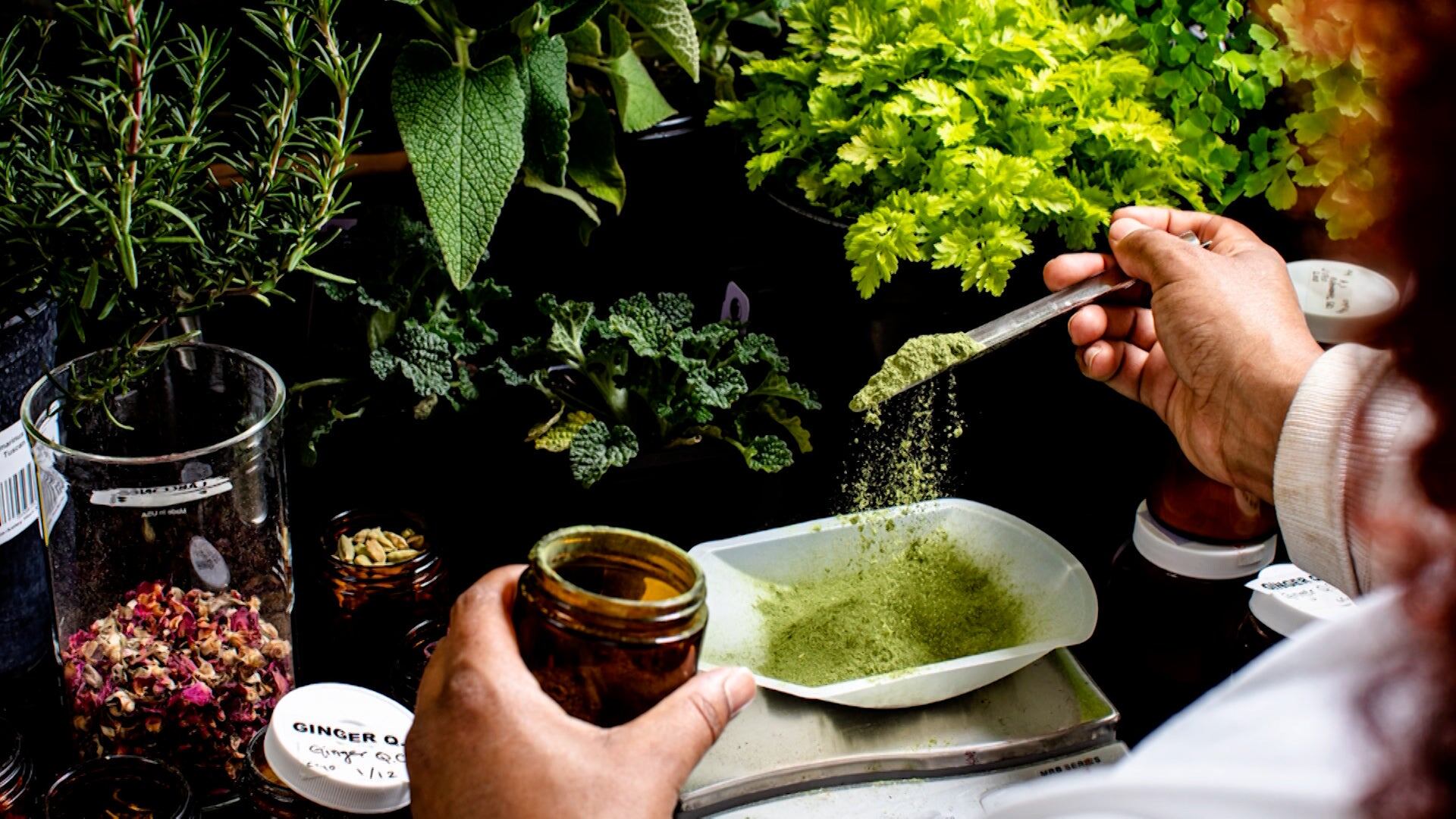
Brightseed Co-Founder Sofia Elizondo breaks down what plant bioactives are, and how they're using the latest technology to study human's biological connections with plants.
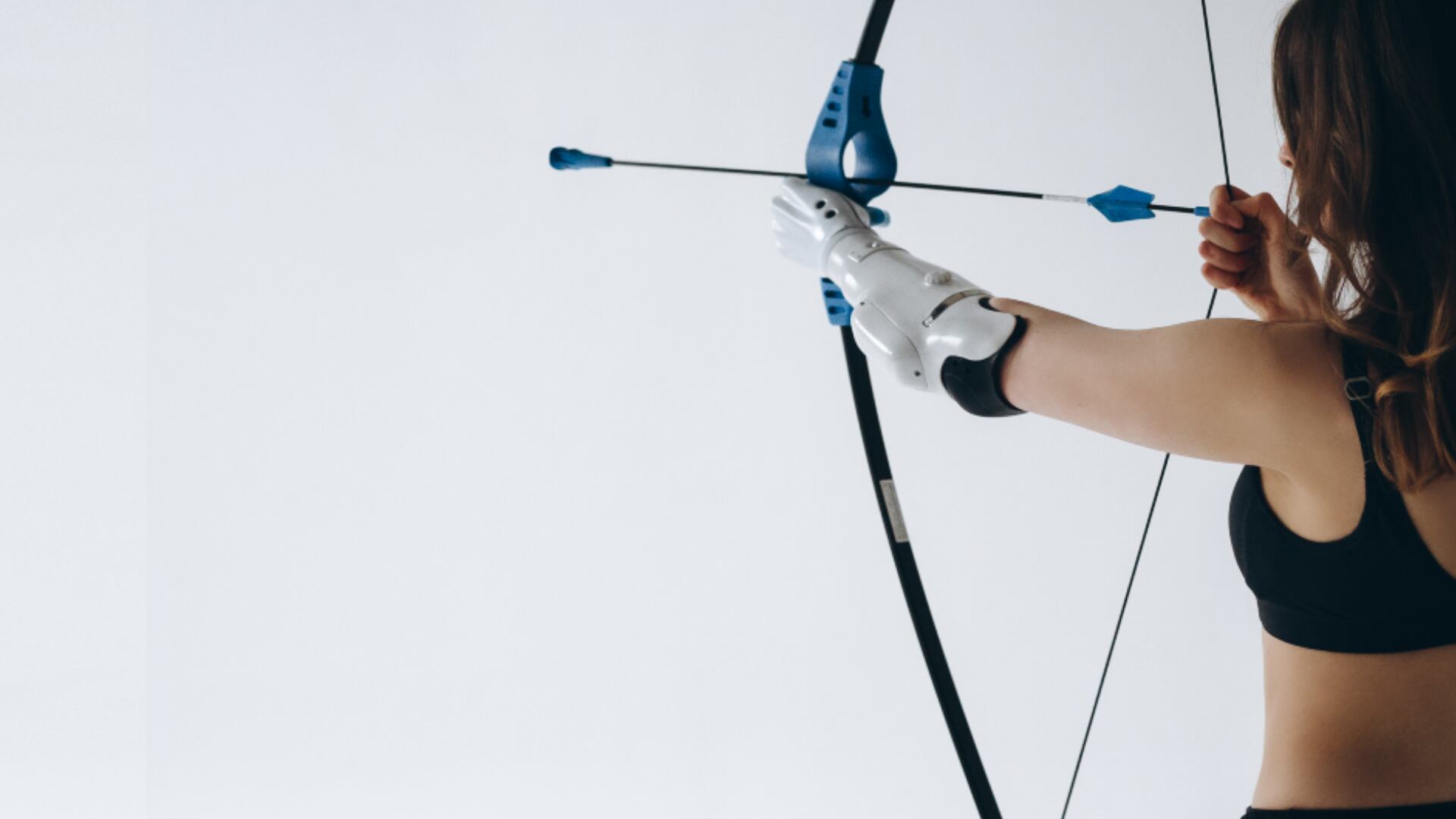
On this episode of Cheddar Innovates: Brightseed Co-Founder breaks down what plant bioactives are, and how they're using the latest technology to study human's biological connections with plants; Esper Bionics CEO breaks down how they re creating a mind-controlled bionic hand that guest smarter the more you use it; Cheddar gets a look at Curiosity Stream's 'Capturing A Black Hole In Our Milky Way.'
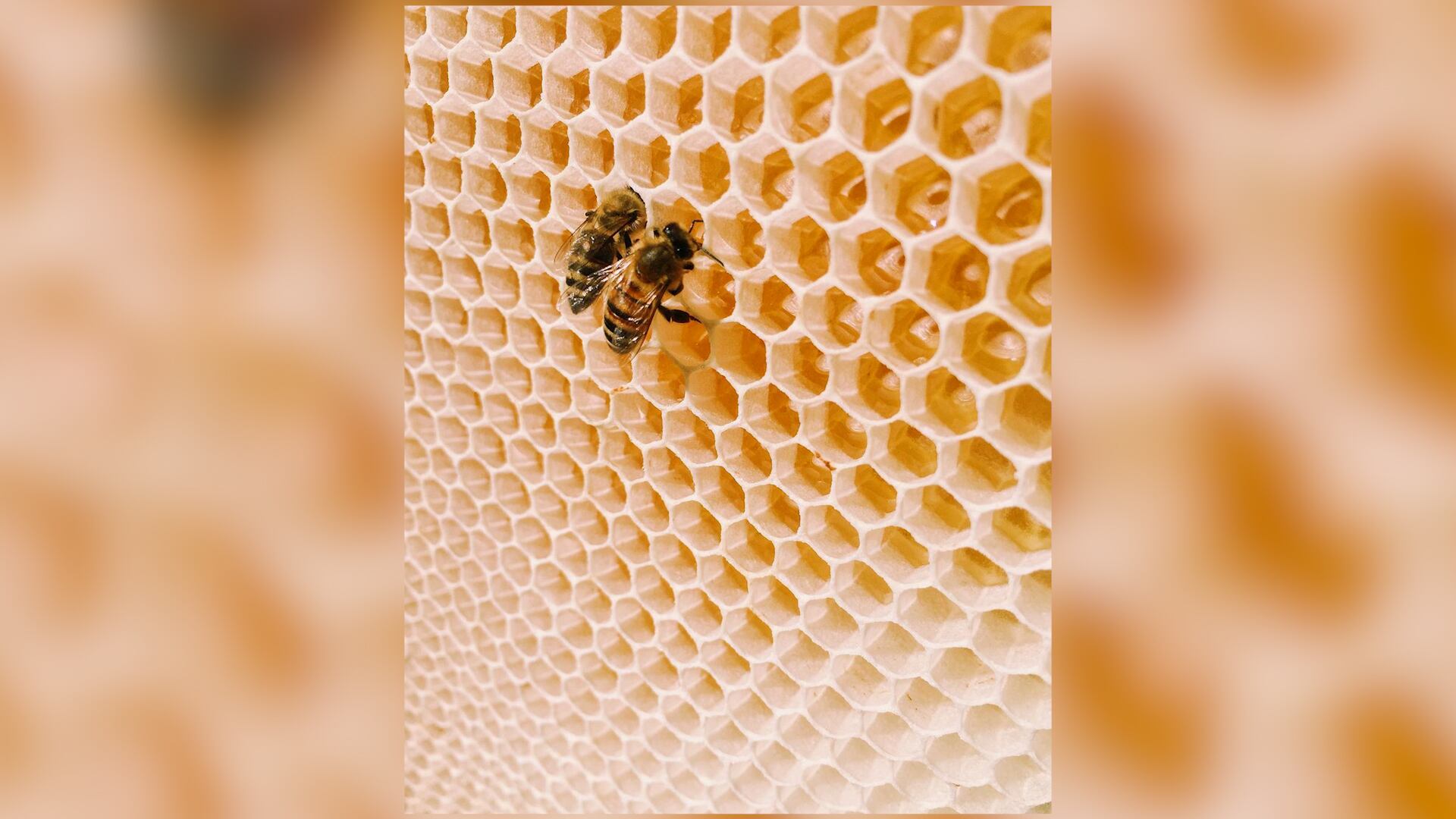
Hilary Kearney, Founder of Girl Next Door Honey, joined Closing Bell to discuss her partnership with Comvita to save the important pollinators, as bee colonies are on the decline across the United States.
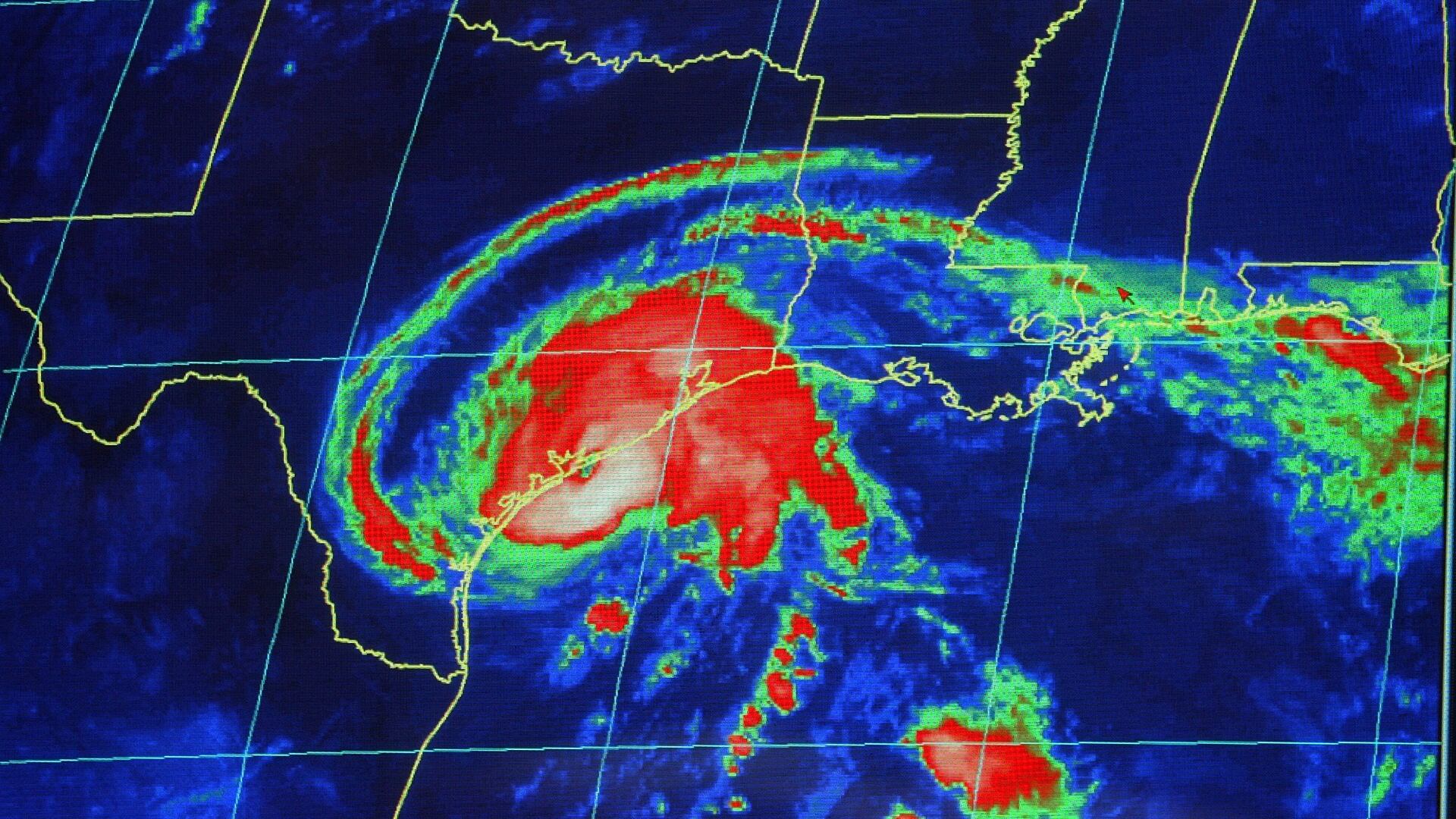
Hurricane climatologist Jill Trepanier joined Cheddar News to discuss NOAA's announced prediction for an above-normal hurricane season and what it might mean for people in the United States. "I think it's important that people who maybe haven't been used to having extreme weather events related to say tropical cycles and tropical systems, like thinking New Jersey, Northeastern seaboard, that area may get more action than they're used to in the past," she said.
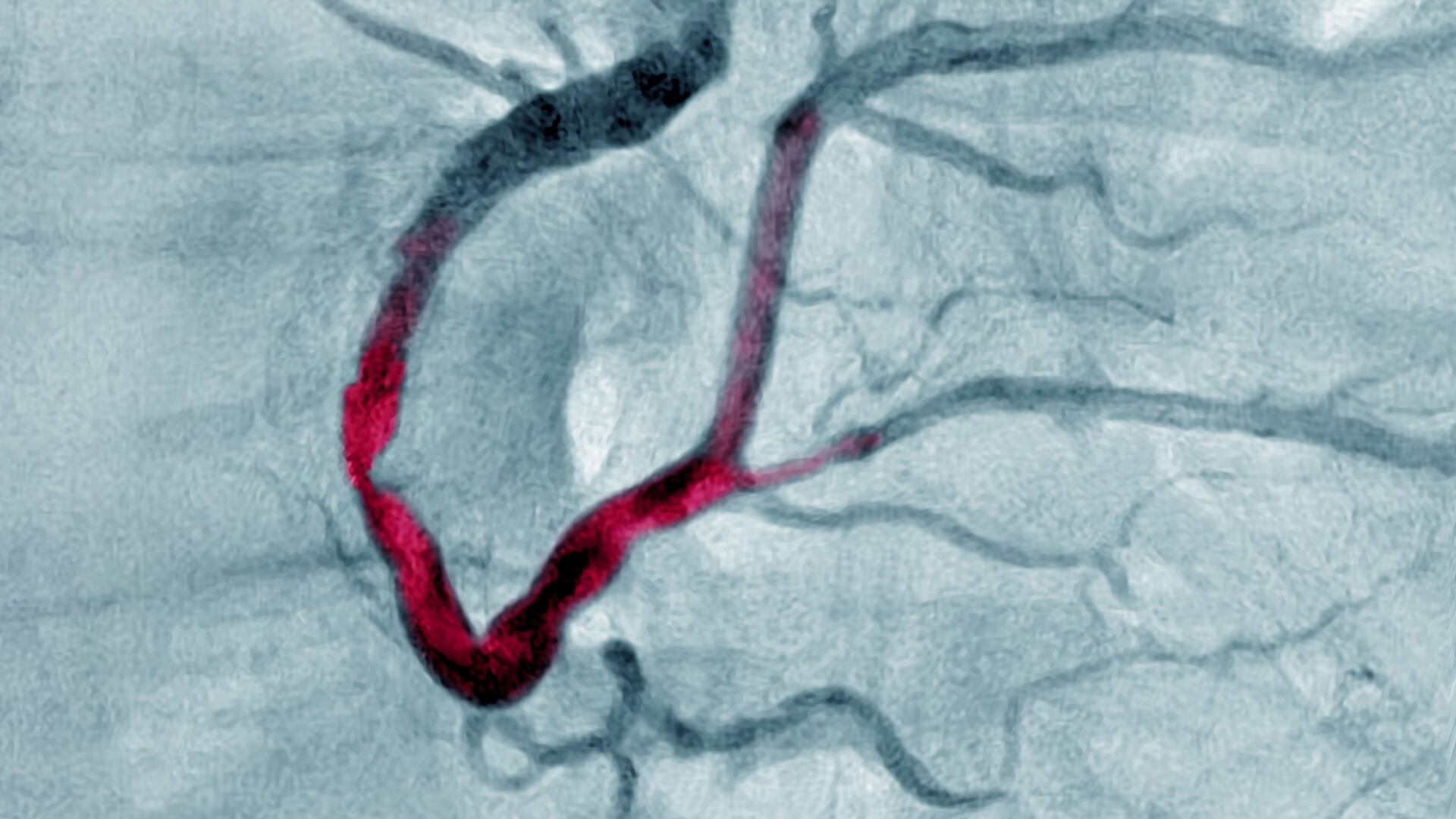
Dr. Jarrad Aguirre, Co-Founder and CEO of Miga Health, joins Cheddar News' Closing Bell, where he says his company is looking to establish the future of heart health and points to how 80% of premature heart attacks and strokes are preventable.
On this episode of Cheddar Reveals, David Keith, Professor of Applied Physics at the Harvard School of Engineering and Applied Sciences and Professor of Public Policy at the Harvard Kennedy School, and founder of Carbon Engineering outlines the viability of solar geoengineering as a solution to help reverse the effects of global warming; Lena Geraghty, Sustainability & Urban Innovation Director at National League of Cities, discusses which U.S. cities are safest from global warming and how the real estate market will be impacted from the effects of climate change; Cheddar gets a look at Curiosity Stream's 'Changing Ocean Asia.'
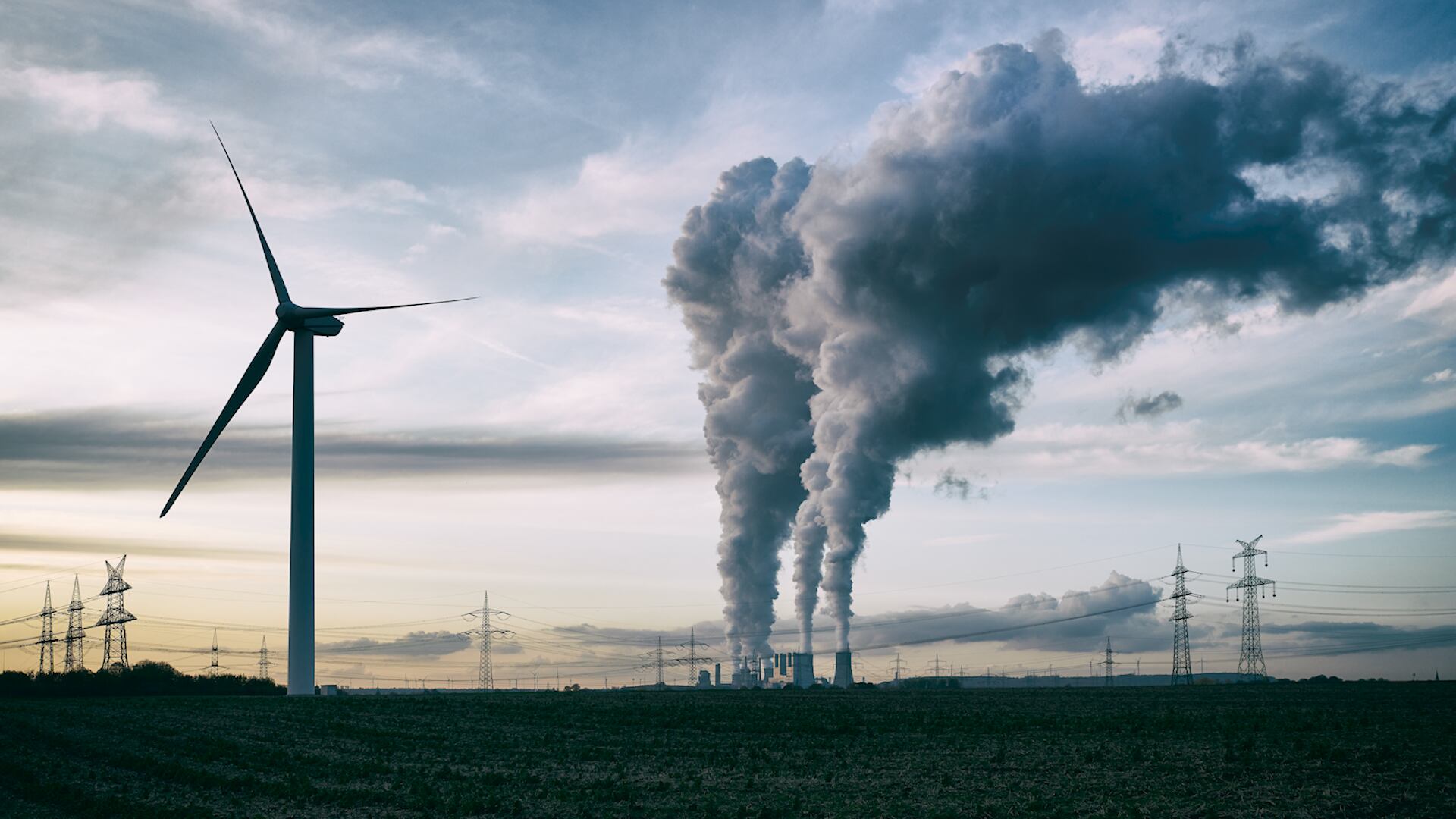
David Keith, Professor of Applied Physics at the Harvard School of Engineering and Applied Sciences and Professor of Public Policy at the Harvard Kennedy School, and founder of Carbon Engineering joins Cheddar Reveals to outline the viability of solar geoengineering as a solution to help reverse the effects of global warming.
Lena Geraghty, Sustainability & Urban Innovation Director at National League of Cities, joins Cheddar News to discuss which U.S. cities are safest from global warming and how the real estate market will be impacted from the effects of climate change.
Peggy Whitson, Director of Human Space Flight, Axiom Space, joins Cheddar Innovates to discuss Axiom's involvement in the first fully-private mission to the ISS, and her experience spending 665 days in space.
On this episode of Cheddar Innovates, Peggy Whitson, Director of Human Space Flight, Axiom Space, breaks down Axiom's involvement in the first fully-private mission to the ISS, and her experience spending 665 days in space; William Li and Danielle Chang, co-founders of The Hao Life, discuss how they're shaking up the $71 billion supplement industry by putting a modern spin on traditional natural Chinese remedies; Cheddar gets a look at Curiosity Stream's 'Sagrada Familia: Gaudi's Challenge.'