Hello? It's space calling.

That's the future communication imagined by the cellular satellite startup UbiquitiLink. The two-year old startup's plan is to build a constellation of orbital platforms that can send and receive calls to and from anywhere on Earth's surface.

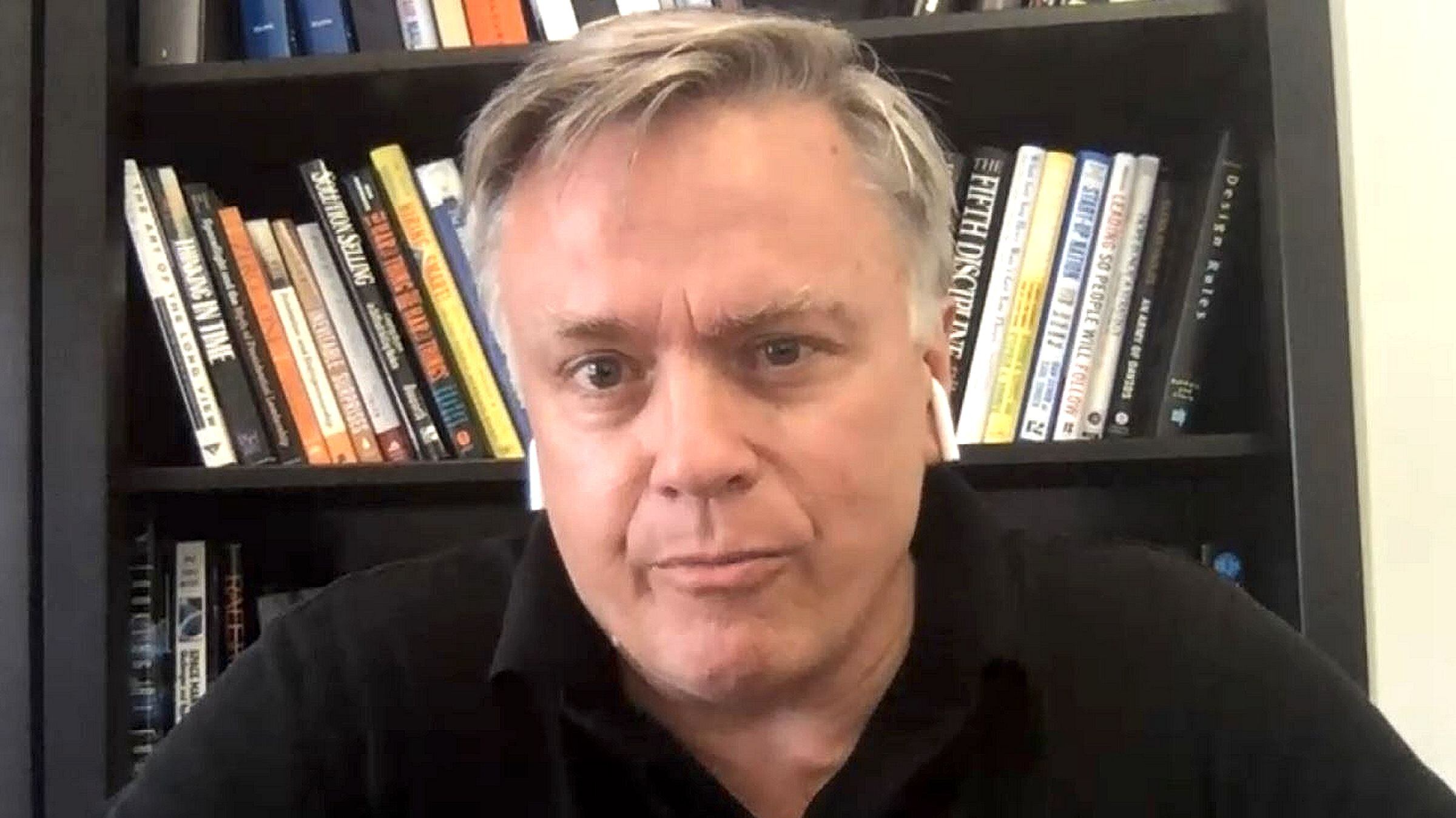
"The fundamental problem we're solving is that you can't build cell towers everywhere. They're getting to about 10 percent of the planet, where you have cities and suburbs. It makes no economic sense to build them elsewhere. They're just really expensive," co-founder and CEO Charles Miller told Cheddar.

"In the future, [your call] will stay in the cell tower on the ground when you're connected, but whenever you roam outside to an area — which is 90 percent of the Earth — where there is no cell tower, you'll roam onto the cell tower in space. In the long-term, you won't even know it."

Miller's proposed model raised about $12 million back in July, but UbiquitiLink is hoping to attract even more after additional demonstration flights scheduled over the coming months. "After we prove this technology from space, we have a bunch of big money sitting on the sideline ready to invest," he said.

The technology is meant to be integrated into existing cellular telecoms infrastructure. UbiquitiLink has already partnered with 24 mobile network operations, representing about 1.5 billion wireless users.

While there are a few other startups focused on satellite constellations for the internet, namely OneWeb, Amazon, and SpaceX, UbiquitiLink differentiates itself by focusing exclusively on cellular communications.

The company plans to have 24 to 36 satellites in orbit which will serve as the foundation for its commercial service within the next two years. By 2023, Ubiquitlink expects to be able to provide continuous coverage.

Miller concedes that satellite-based cellular communication will be slower than terrestrial cell towers, predicting the connection will be about the speed of 2G. But, he argues, it's about providing connection where previously there was none, saying: "That's infinitely faster than No-G."

In February, the company launched its first test payload to space aboard a NASA-operated vehicle traveling to the International Space Station.

Last month, the second test payload launched on SpaceX's Falcon X. Miller says he ultimately expects that UbiquitiLink will rely on launches from SpaceX or Blue Origin, rather than small launch startups.

"Small launch vehicles just aren't affordable for serving our needs. They have a really difficult business model," he said.

Share:
More In Business
OpenAI names Slack CEO Dresser as first chief of revenue
OpenAI has appointed Slack CEO Denise Dresser as its first chief of revenue. Dresser will oversee global revenue strategy and help businesses integrate AI into daily operations. OpenAI CEO Sam Altman recently emphasized improving ChatGPT, which now has over 800 million weekly users. Despite its success, OpenAI faces competition from companies like Google and concerns about profitability. The company earns money from premium ChatGPT subscriptions but hasn't ventured into advertising. Altman had recently announced delays in developing new products like AI agents and a personal assistant.
Trump approves sale of more advanced Nvidia computer chips used in AI to China
President Donald Trump says he will allow Nvidia to sell its H200 computer chip used in the development of artificial intelligence to “approved customers” in China. Trump said Monday on his social media site that he had informed China’s leader Xi Jinping and “President Xi responded positively!” There had been concerns about allowing advanced computer chips into China as it could help them to compete against the U.S. in building out AI capabilities. But there has also been a desire to develop the AI ecosystem with American companies such as chipmaker Nvidia.
Trump says Netflix deal to buy Warner Bros. ‘could be a problem’ because of size of market share
President Donald Trump says a deal struck by Netflix last week to buy Warner Bros. Discovery “could be a problem” because of the size of the combined market share. The Republican president says he will be involved in the decision about whether federal regulators should approve the deal. Trump commented Sunday when he was asked about the deal as he walked the red carpet at the Kennedy Center Honors. The $72 billion deal would bring together two of the biggest players in television and film and potentially reshape the entertainment industry.
What to know about changes to Disney parks’ disability policies
Disney's changes to a program for disabled visitors are facing challenges in federal court and through a shareholder proposal. The Disability Access Service program, which allows disabled visitors to skip long lines, was overhauled last year. Disney now mostly limits the program to those with developmental disabilities like autism who have difficulty waiting in lines. The changes have sparked criticism from some disability advocates. A shareholder proposal submitted by disability advocates calls for an independent review of Disney's disability policies. Disney plans to block this proposal, claiming it's misleading. It's the latest struggle by Disney to accommodate disabled visitors while stopping past abuses by some theme park guests.
Load More