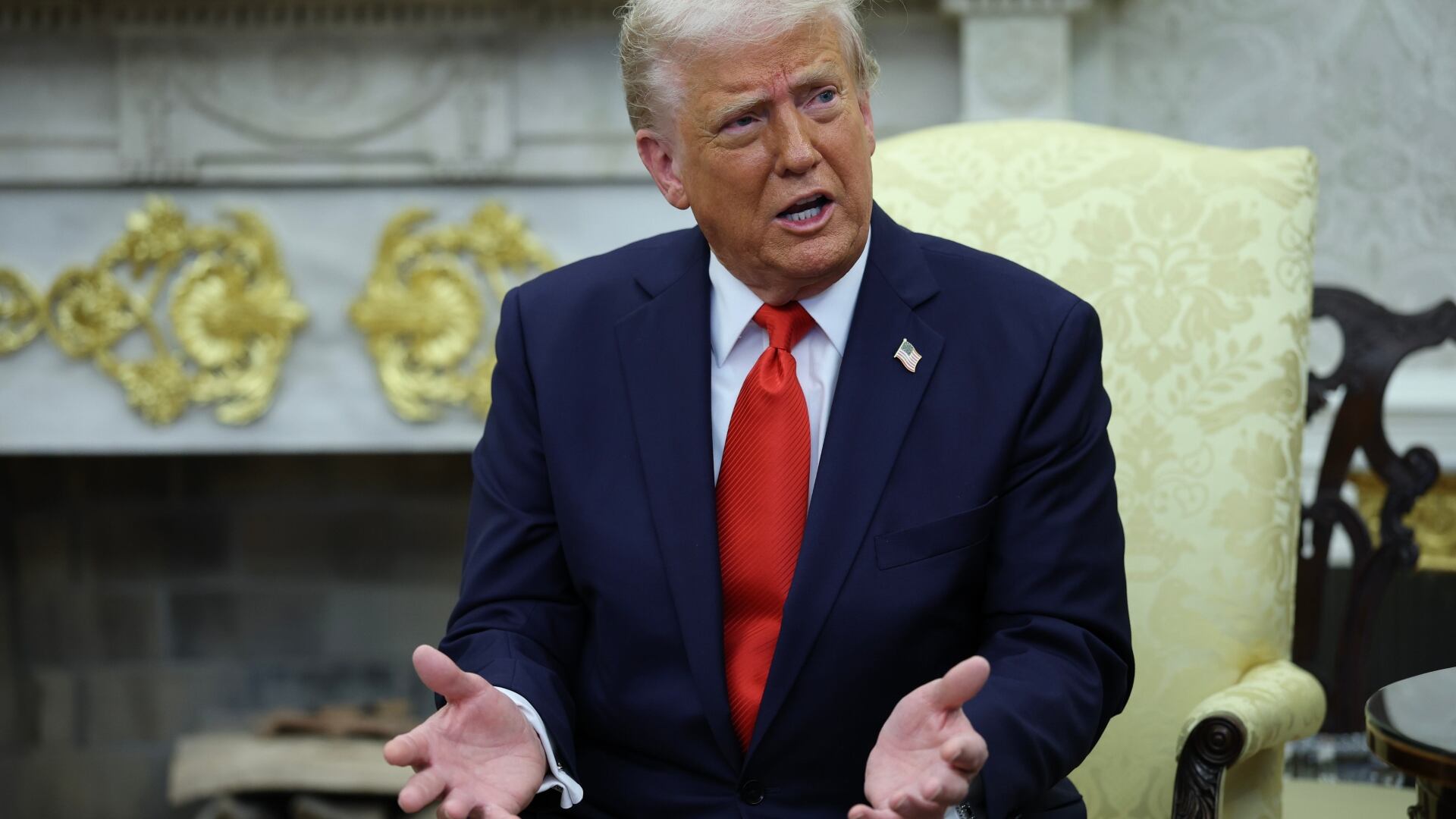
*By Alisha Haridasani* President Trump promised to bring “soaring drug prices back down to earth” on Friday, saying he would encourage more competition and stop foreign countries from keeping drug prices low so that American consumers must pay more for the same drugs. In a speech in the White House Rose Garden, Trump said his administration was "putting American patients first." His plan calls on the Food and Drug Administration to accelerate the approval of more over-the-counter drugs and introduce more generic and biosimilar drugs to increase competition. The administration's plan also aims to bolster Medicare’s prescription drug benefit, known as Part D, to have more ways of negotiating prices with drug makers. But Trump’s plan stopped short of letting Medicare negotiate prices with drug makers directly, something he talked about in his campaign. His proposal also removes the so-called "gag rule," which prevents pharmacists from informing patients about cheaper options. Stocks of some pharmaceuticals, including Johnson & Johnson and Novartis, were trading higher after Trump’s speech in the Rose Garden. That may be because the [12-point plan](https://www.whitehouse.gov/briefings-statements/president-donald-j-trumps-blueprint-lower-drug-prices/) won't do enough to pressure drug companies to lower their prices, said Adriel Bettelheim, the health care editor at Politico. “I think it’s more bark than bite,” said Bettelheim. “I think the investors are kind of relieved. They see this is a series of possible options, incremental administrative steps that maybe lower some patients’ drug costs but don’t actually get at the company’s abilities to set prices.” A major pillar of Trump’s proposal includes pressuring foreign countries to pay more for American drugs. On average, prescription medications comprised around [17 percent](https://www.ncbi.nlm.nih.gov/pubmed/27552619) of overall personal health care costs for Americans in 2016. Patients in the U.S. pay as much as six times more for drugs than patients in other countries, according to the International Federation of Health Plans. Foreign governments can offer cheaper drugs to patients overseas by negotiating directly with American drug makers and implementing price control measures in their countries. Though the administration can’t force other governments to pay more for American drugs, it can renegotiate trade agreements and toughen intellectual property protections to have that effect, said Bettelheim. “Whether it has a corresponding effect of lowering prices here in the United States is another story,” he said. For full interview, [click here](https://cheddar.com/videos/trump-outlines-plan-to-lower-drug-prices).