By Eddie Pells, Stephen Wade, and Mari Yamaguchi
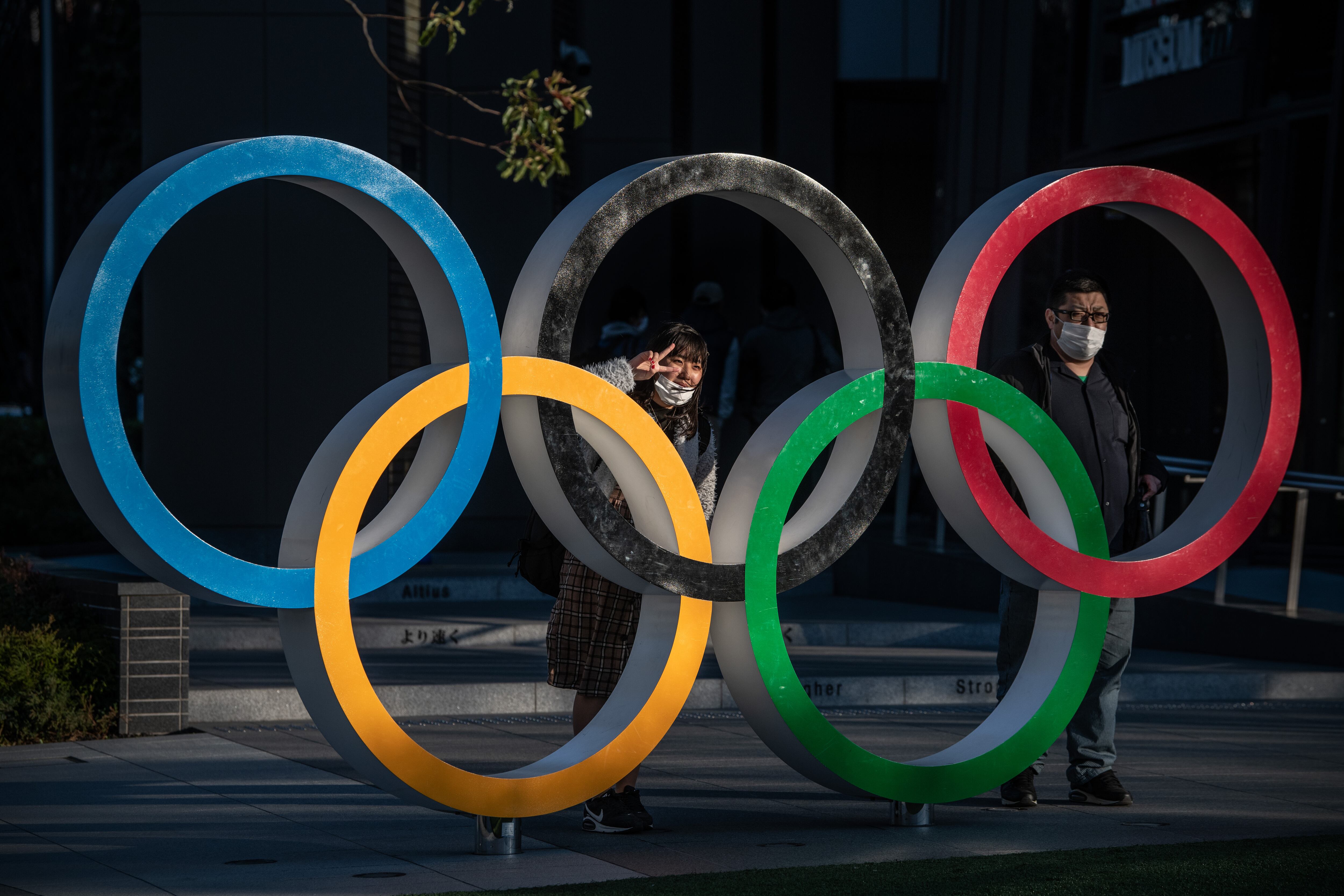
The IOC announced a first-of-its-kind postponement of the Summer Olympics on Tuesday, bowing to the realities of a coronavirus pandemic that is shutting down daily life around the globe and making planning for a massive worldwide gathering in July a virtual impossibility.
The International Olympic Committee said the Tokyo Games “must be rescheduled to a date beyond 2020, but not later than summer 2021, to safeguard the health of the athletes, everybody involved in the Olympic Games and the international community.”
It was an announcement seen as all but a certainty as pressure mounted from nervous athletes, sports organizations and national Olympic committees — all confronting the reality that training and qualifying schedules, to say nothing of international anti-doping protocols, had been ruptured beyond repair.
Four-time Olympic hockey champion Hayley Wickenheiser, the first IOC member to criticize the body’s reluctance to postpone, called it the “message athletes deserved to hear.”
“To all the athletes: take a breath, regroup, take care of yourself and your families. Your time will come,” she wrote on Twitter.
IOC President Thomas Bach and Japanese prime minister Abe Shinzo met via phone Tuesday morning, and they, along with a handful of executives from the IOC and Japan’s organizing committee, agreed to make the call.
Other Olympics — 1916, 1940 and 1944 — have been canceled because of war, but none have ever been postponed for any reason, let alone a renegade virus that has accounted for more than 375,000 cases worldwide, with numbers growing exponentially. The Tokyo Games would still be called the 2020 Olympics, even though they will be held in 2021.
“The leaders agreed that the Olympic Games in Tokyo could stand as a beacon of hope,” the IOC said in a statement.
The decision offers a sense of relief for athletes, who no longer have to press forward with training under near-impossible conditions, unsure of when, exactly, they need to be ready — and for what.
“Thankful to finally have some clarity regarding The Olympic Games. A huge decision but I think the right one for sure,” British sprinter Adam Gemili said on Twitter. “Time to regain, look after each other during this difficult period and go again when the time is right!”
One reason the IOC took longer to make the decision was because it wanted to figure out logistics. It will be a daunting challenge. Many of the arenas, stadiums and hotels are under contract for a games held from July 24-August 7. Remaking those arrangements is doable, but will come at a cost. Tokyo has already spent a reported $28 billion to stage the games.
There’s also the matter of the international sports schedule. Virtually all 33 sports on the Olympic program have key events, including world championships, on the docket for 2021. Perhaps the best example of what a disruption this can cause would come from track. Famous Hayward Field at University of Oregon was rebuild and expanded at the cost of $200 million to hold next year’s world championships. Now that event could be postponed, canceled or see its stature greatly diminished if its run within months of a rescheduled Olympics.
“A lot can happen in one year, so we have to think about what we have to do,” said Toshiro Muto, the CEO of the organizing committee. “The decision came upon us all of a sudden.”
But for weeks, it was becoming increasingly clear that pressing on with a July 24 starting date was no longer a choice.
Virtually every sport across the globe has suspended play in the wake of the pandemic. The worldwide economy is faltering and people are increasingly being told it’s not safe to congregate in large groups or, in some cases, even to leave their houses. Gyms are closed across America. Holding Olympic trials in a matter of months was becoming a virtual impossibility.
Olympic committees in Canada and Australia were saying they either would not, or could not, send a team to Tokyo in July. World Athletics and the three biggest sports in the United States — swimming, track and gymnastics — were calling for a postponement.
As recently as Sunday, the IOC was saying it would take up to four weeks to reach a decision. Four weeks ended up being two days.
The decision came only a few hours after local organizers said the torch relay would start as planned on Thursday. It was expected to start in northeastern Fukushima prefecture, but with no torch, no torchbearers and no public.
Those plans also changed.
The flame will be stored and displayed in Fukushima. Like everything else in the Olympic world, it’s next move will be determined at a later date.