By Matthew Perrone
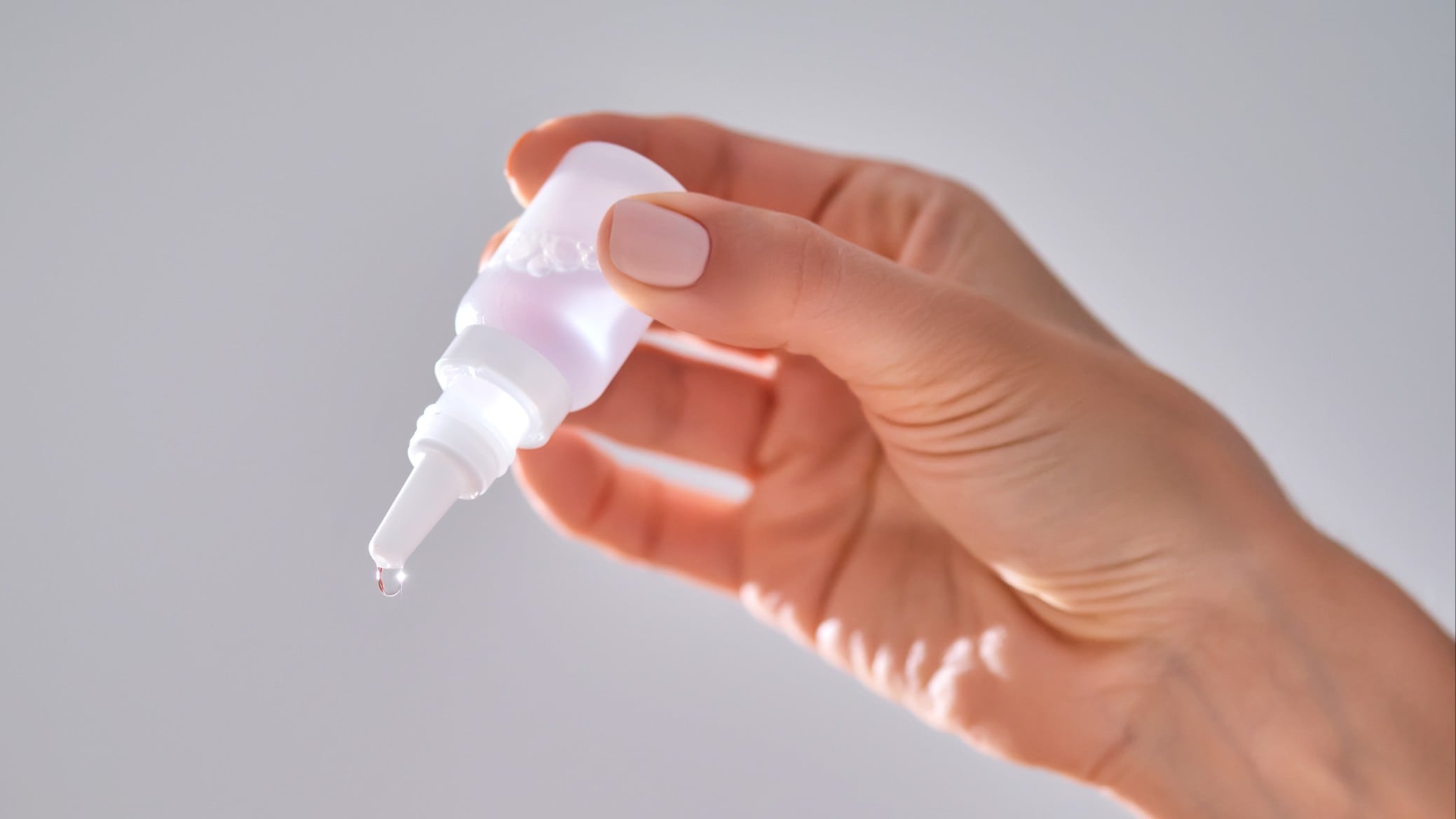
When you buy eyedrops at a U.S. store, you might assume you're getting a product made in a clean, well-maintained factory that’s passed muster with health regulators.
But repeated recalls involving over-the-counter drops are drawing new attention to just how little U.S. officials know about the conditions at some manufacturing plants on the other side of the world — and the limited tools they have to intervene when there's a problem.
The Food and Drug Administration is asking Congress for new powers, including the ability to mandate drug recalls and require eyedrop makers to undergo inspections before shipping products to the U.S. But experts say those capabilities will do little without more staff and resources for foreign inspections, which were a challenge even before the COVID-19 pandemic forced regulators to skip thousands of visits.
“The FDA is not getting its job done in terms of drug quality assurance inspections abroad,” said David Ridley of Duke University and co-author of a recent paper tracking the downturn in inspections. “Very few foreign drugmakers have been inspected in the past four years.”
In 2022, FDA foreign inspections were down 79% from 2019, according to agency records collected by Ridley's group. Inspections increased this year but are still far below pre-pandemic levels.
FDA spokesman Jeremy Kahn said: “The FDA works to inspect as many facilities possible, but ultimately industry is responsible for the quality of their products."
An October recall of two dozen eyedrop brands came after FDA staff found cracked floors, barefoot workers and other unsanitary conditions at a Mumbai plant that supplied products to CVS, Walmart and other major retailers. It was the first time FDA staff had visited the site.
That inspection was prompted by an earlier recall of tainted eyedrops from a different Indian plant that's been linked to four deaths and more than a dozen cases of vision loss. That plant had also never been previously inspected.
“These are very rare instances, but what we’ve seen is that these products can cause real harm,” said Dr. Timothy Janetos, an ophthalmologist at Northwestern University. “Something needs to change.”
Experts point to three possible changes:
EARLIER INSPECTIONS
Prescription medicines are highly regulated. Before a drugmaker can sell one in the U.S., it must undergo FDA review to establish its safety and effectiveness. As part of the process, the FDA typically inspects the factory where the drug will be made.
But eyedrops and other over-the-counter products don’t undergo preliminary review or inspections. Instead, they are governed by a different system called a monograph, essentially a generic recipe for all medicines in a particular class. So long as drugmakers attest that they are using the standard recipe, they can launch a product within days of filing with the FDA.
“It’s nothing more than electronic paperwork,” said Dr. Sandra Brown of the Dry Eye Foundation, a nonprofit advocating for increased regulation. “There’s no requirement for the facility to be inspected prior to shipping for sale.”
The FDA says it has flexibility to adjust its review process “to ensure safety."
But the agency is asking Congress for the power to require manufacturers of eyedrops and other sterile products to give at least six months notice before shipping products from a new factory. That would give inspectors time to visit facilities that aren’t on their radar.
The proposal could face pushback from some over-the-counter drugmakers, who aren’t accustomed to preapproval inspections.
But Brown says the unique risks of tainted eyedrops require a different approach from pills and tablets.
“Anything you swallow is going to meet up with your stomach acid, which is going to kill most bacteria," Brown said. “It’s much more dangerous to put a product in your eye.”
REQUIRING RECALLS
The FDA warned consumers in late October not to use the eyedrops sold at CVS, Rite-Aid and other stores. But the products weren’t officially recalled until Nov. 15, almost three weeks later.
That's because Indian manufacturer, Kilitch Healthcare, initially declined to cooperate. The FDA can force recalls of food, medical devices and many other products, but it lacks the same authority for drugs and instead must ask companies to voluntarily take action.
The FDA recently asked Congress for mandatory recall authority over drugs.
FUNDING FOREIGN INSPECTORS
Since the 1990s, drug manufacturing has increasingly moved to India, China and other lower-cost countries.
The Government Accountability Office has raised concerns for years about the FDA’s oversight of the global supply chain, flagging it as a “high-risk” issue for more than a decade.
The FDA said in a statement it uses “all available tools” to ensure Americans get “high quality, safe and effective” medications.
The agency generally prioritizes factories that have never been inspected or haven’t been inspected in the last five years. It halted most routine, in-person foreign inspections in March 2020 and did not resume them until 2022. The agency didn’t conduct any inspections in India during the first year of COVID-19.
FDA leaders have long said it's challenging to recruit and keep overseas inspectors.
Experts say Congress can and should address that.
“Federal hiring is inherently slow and pay is often not competitive,” said Ridley, the Duke researcher. ”Congress needs to try and help FDA solve that problem and then hold them responsible for staffing inspections.”
The Associated Press Health and Science Department receives support from the Howard Hughes Medical Institute’s Science and Educational Media Group. The AP is solely responsible for all content.