WPP CEO Sir Martin Sorrell on the State of Advertising
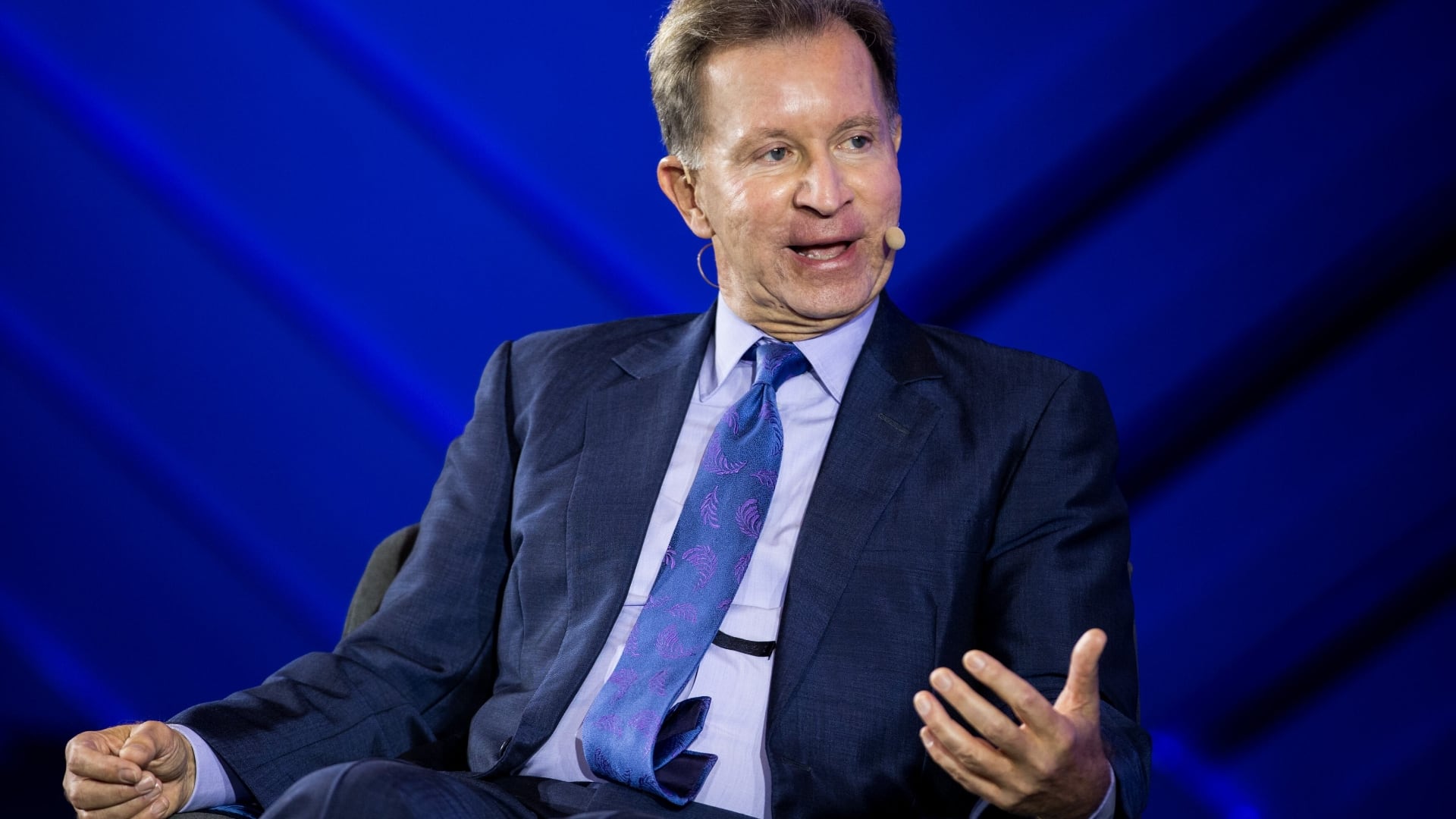
From the WPP Stream in Ojai, California Cheddar's CEO Jon Steinberg speaks with WPP CEO Sir Martin Sorrell about the future of advertising.
The ad exec says clients want platforms like Snap and Pinterest to succeed. With the duopoly of Google and Facebook dominating the industry, with 75 percent of digital advertising and 30 percent of the entire ad market, his clients want control to be more distributed.
While Sorrell has seen Google as a "frenemy" in the past, he says he now sees the technology giant as a "flexible friend," because it's become more responsive to concerns. One of the reasons for Google's shift, Sorrell says, is the rise of companies like Amazon which provide an existential threat to the search and advertising model.
There's also been a lot of talk about how the rise of artificial intelligence may impact the American workforce. Sorrell says technology could be a net destroyer of jobs, and he expects that to become an increasingly critical political issue.
Last month, WPP cut its growth forecast for the third time this year. In the latest quarterly, revenue grew 0.8 percent to $4.78 billion. Sorrell says, "It's been very tough," and he's looking to see how things pan out next year. On the future of advertising, Sorrell says investment in innovation and branding is critically important.
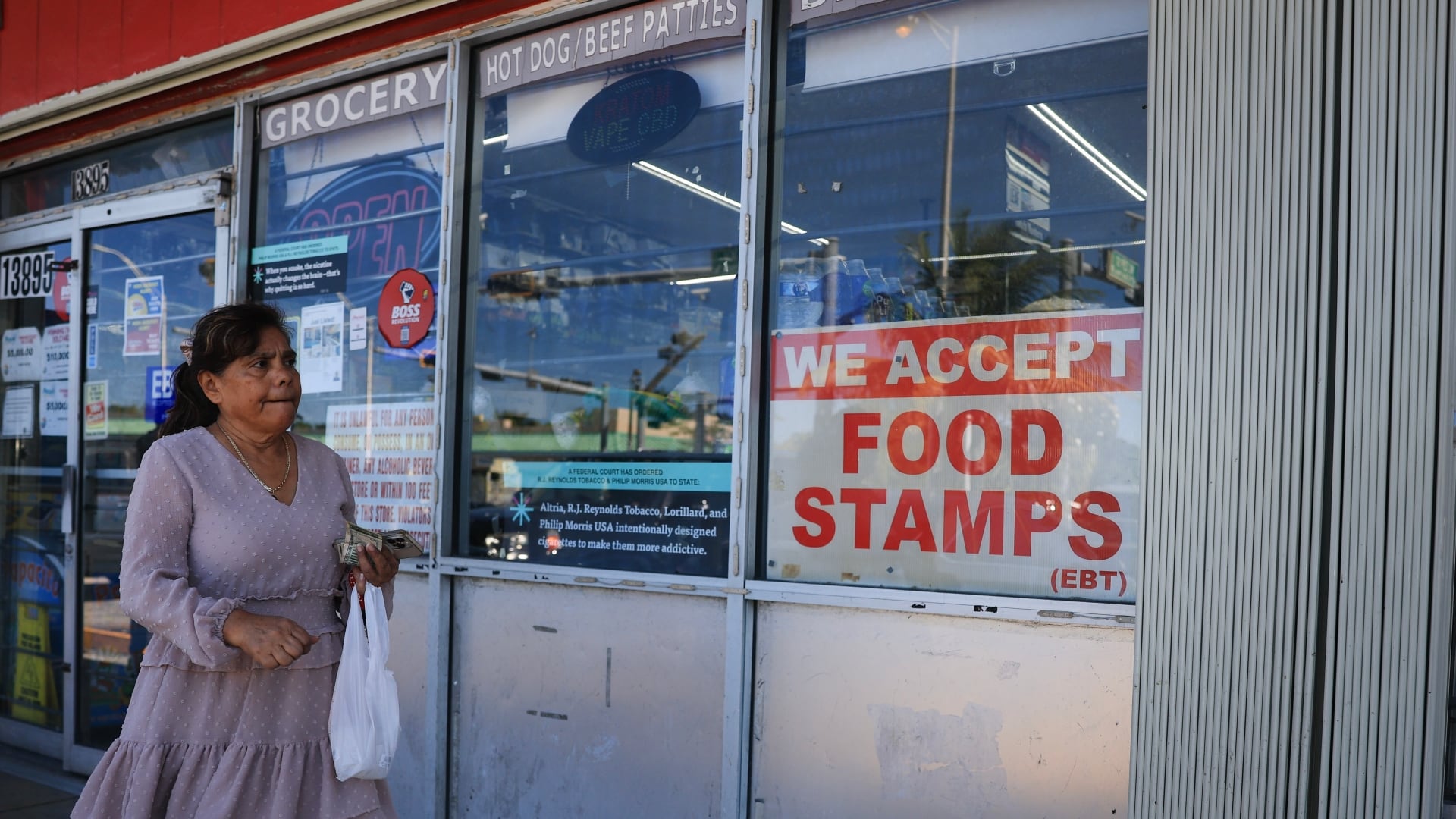
Sabrina Siddiqui, National Politics Reporter at The Wall Street Journal, joins to break down the SNAP funding delays and the human cost of the ongoing shutdown.
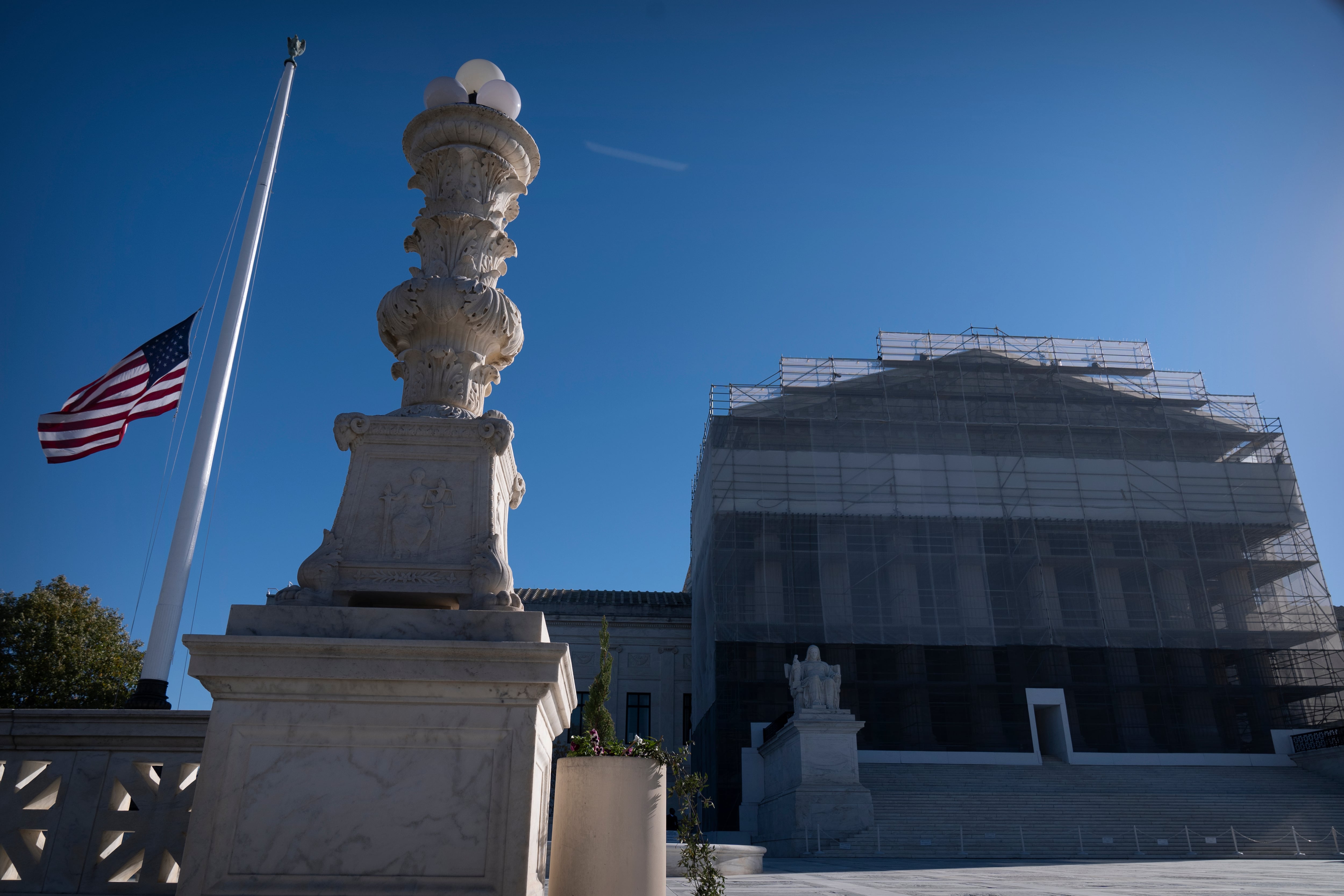
Arguments at the Supreme Court have concluded for the day as the justices consider President Donald Trump's sweeping unilateral tariffs in a trillion-dollar test of executive power.
AI is reshaping investigations. Longeye CEO Guillaume Delepine shares how their AI workspace empowers law enforcement to uncover insights faster and smarter.
Stephen Kates, Financial Analyst at Bankrate, joins to discuss the Fed’s 25-basis-point rate cut, inflation risks, and what it all means for consumers and marke
Big tech earnings take center stage as investors digest results from Alphabet, Meta, Microsoft, Amazon, and Apple, with insights from Gil Luria of D.A. Davidson
Disney content has gone dark on YouTube TV, leaving subscribers of the Google-owned live streaming platform without access to major networks like ESPN and ABC. That’s because the companies have failed to reach a new licensing deal to keep Disney channels on YouTube TV. Depending on how long it lasts, the dispute could particularly impact coverage of U.S. college football matchups over the weekend — on top of other news and entertainment disruptions that have already arrived. In the meantime, YouTube TV subscribers who want to watch Disney channels could have little choice other than turning to the company’s own platforms, which come with their own price tags.