WPP CEO Sir Martin Sorrell on the State of Advertising
From the WPP Stream in Ojai, California Cheddar's CEO Jon Steinberg speaks with WPP CEO Sir Martin Sorrell about the future of advertising.
The ad exec says clients want platforms like Snap and Pinterest to succeed. With the duopoly of Google and Facebook dominating the industry, with 75 percent of digital advertising and 30 percent of the entire ad market, his clients want control to be more distributed.
While Sorrell has seen Google as a "frenemy" in the past, he says he now sees the technology giant as a "flexible friend," because it's become more responsive to concerns. One of the reasons for Google's shift, Sorrell says, is the rise of companies like Amazon which provide an existential threat to the search and advertising model.
There's also been a lot of talk about how the rise of artificial intelligence may impact the American workforce. Sorrell says technology could be a net destroyer of jobs, and he expects that to become an increasingly critical political issue.
Last month, WPP cut its growth forecast for the third time this year. In the latest quarterly, revenue grew 0.8 percent to $4.78 billion. Sorrell says, "It's been very tough," and he's looking to see how things pan out next year. On the future of advertising, Sorrell says investment in innovation and branding is critically important.
As commercial options tighten, more travelers are turning to private aviation. Wheels Up CEO George Mattson breaks down capacity and demand challenges.
Layoffs, hiring slowdowns, and shifting skill demands dominate this year’s job talk. LinkedIn’s Kory Kantenga explains what workers should watch for next.
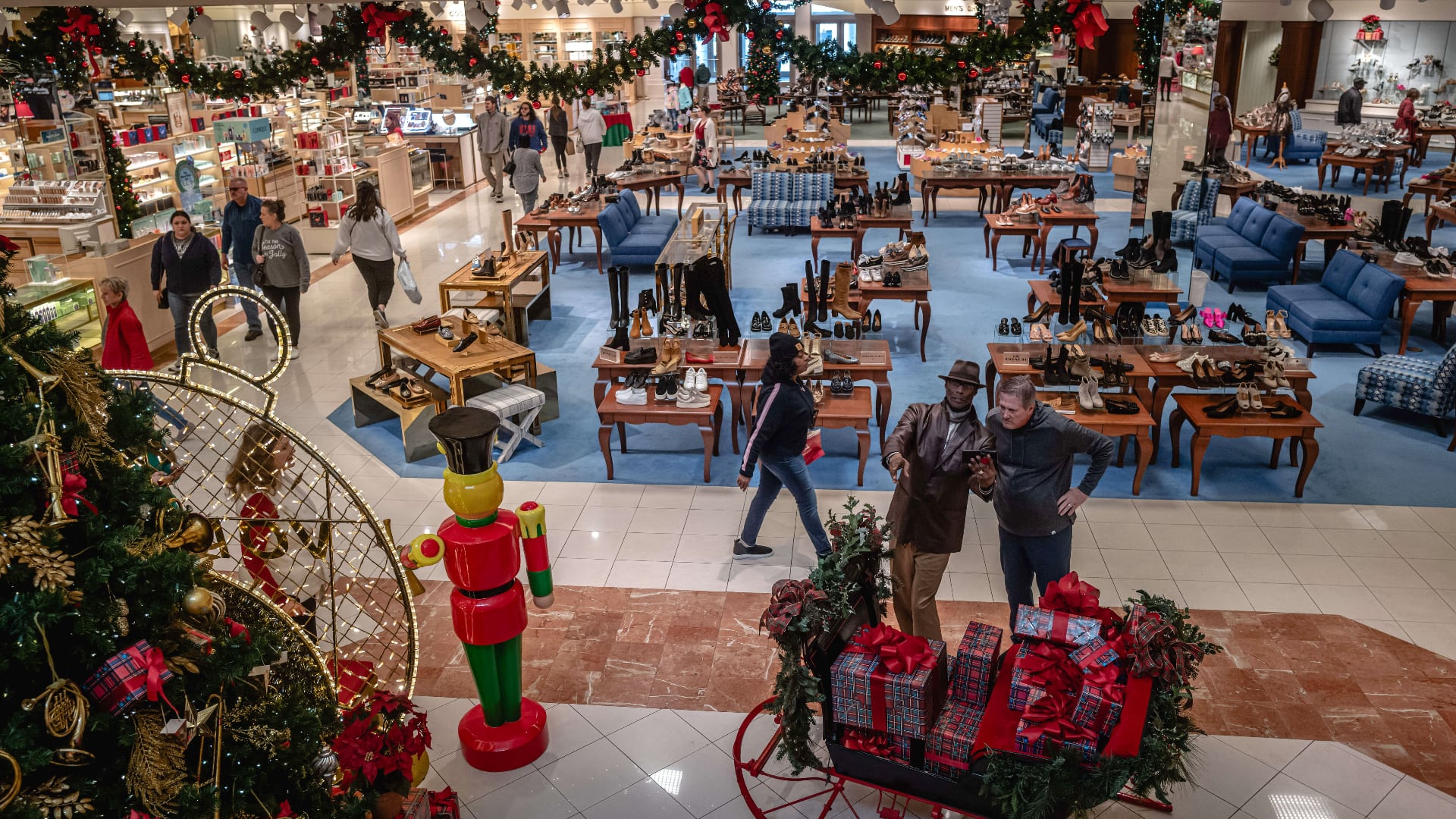
Retailers face tariffs and cost challenges this holiday season. Wells Fargo's Lauren Murphy shares insights on pricing, promotions, and shopping trends.
Dateability, founded by sisters Jacqueline and Alexa Child, is the only dating app for disabled and chronically ill communities, fostering love without limits.
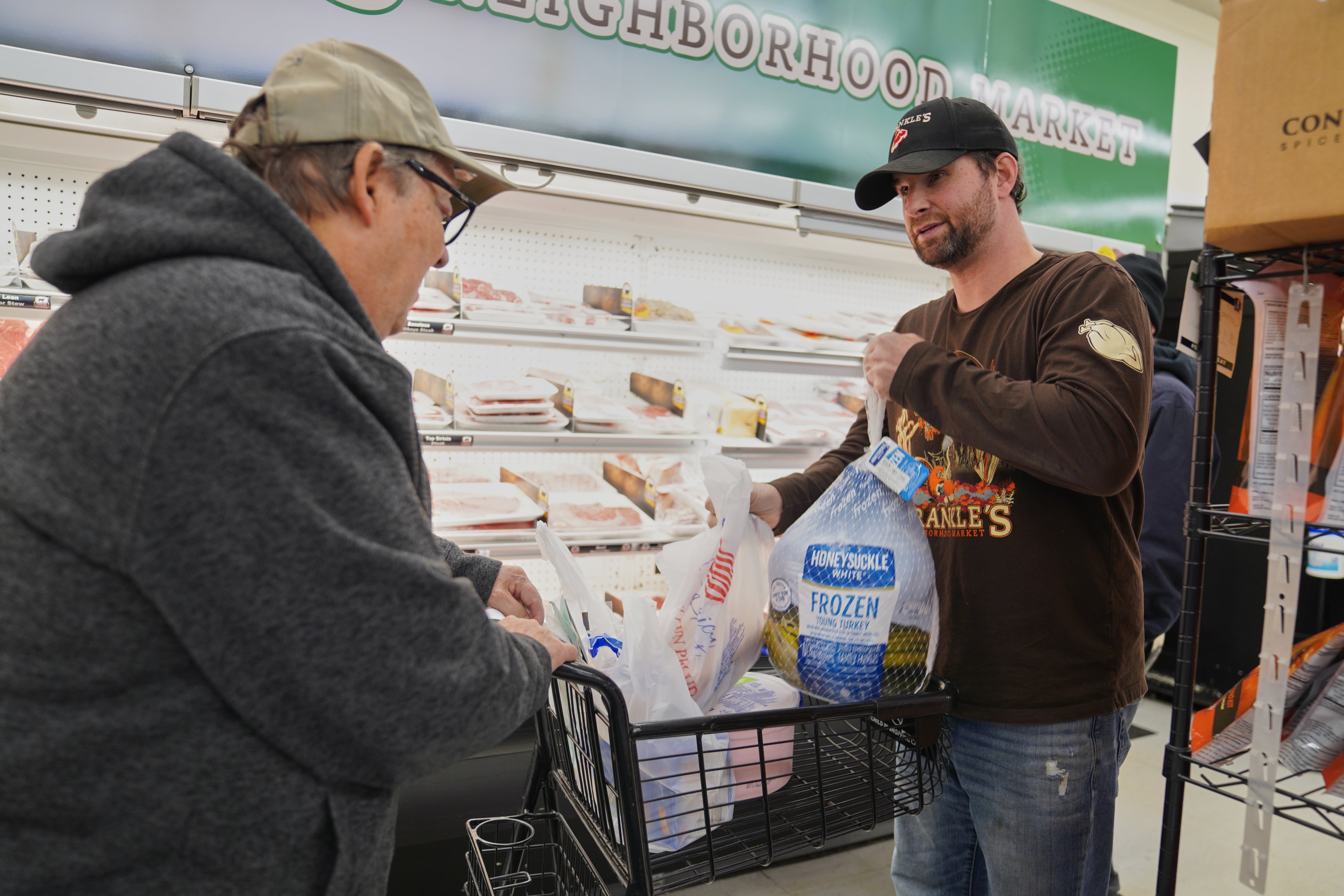
Some small grocery stores and neighborhood convenience stores are eager for the U.S. government shutdown to end and for their customers to start receiving federal food aid again. Late last month, the Trump administration froze funding for the SNAP benefits that about 42 million Americans use to buy groceries. The U.S. Department of Agriculture says about 74% of the assistance was spent last year at superstores like Walmart and supermarkets like Kroger. Around 14% went to smaller stores that are more accessible to SNAP beneficiaries. A former director of the United Nations World Food Program says SNAP is not only a social safety net for families but a local economic engine that supports neighborhood businesses.
Andy Baehr, Head of Product at CoinDesk Indices, breaks down crypto’s Black Friday crash, Bitcoin dipping under $100K, and what’s driving the market rout.