WPP CEO Sir Martin Sorrell on the State of Advertising
From the WPP Stream in Ojai, California Cheddar's CEO Jon Steinberg speaks with WPP CEO Sir Martin Sorrell about the future of advertising.
The ad exec says clients want platforms like Snap and Pinterest to succeed. With the duopoly of Google and Facebook dominating the industry, with 75 percent of digital advertising and 30 percent of the entire ad market, his clients want control to be more distributed.
While Sorrell has seen Google as a "frenemy" in the past, he says he now sees the technology giant as a "flexible friend," because it's become more responsive to concerns. One of the reasons for Google's shift, Sorrell says, is the rise of companies like Amazon which provide an existential threat to the search and advertising model.
There's also been a lot of talk about how the rise of artificial intelligence may impact the American workforce. Sorrell says technology could be a net destroyer of jobs, and he expects that to become an increasingly critical political issue.
Last month, WPP cut its growth forecast for the third time this year. In the latest quarterly, revenue grew 0.8 percent to $4.78 billion. Sorrell says, "It's been very tough," and he's looking to see how things pan out next year. On the future of advertising, Sorrell says investment in innovation and branding is critically important.
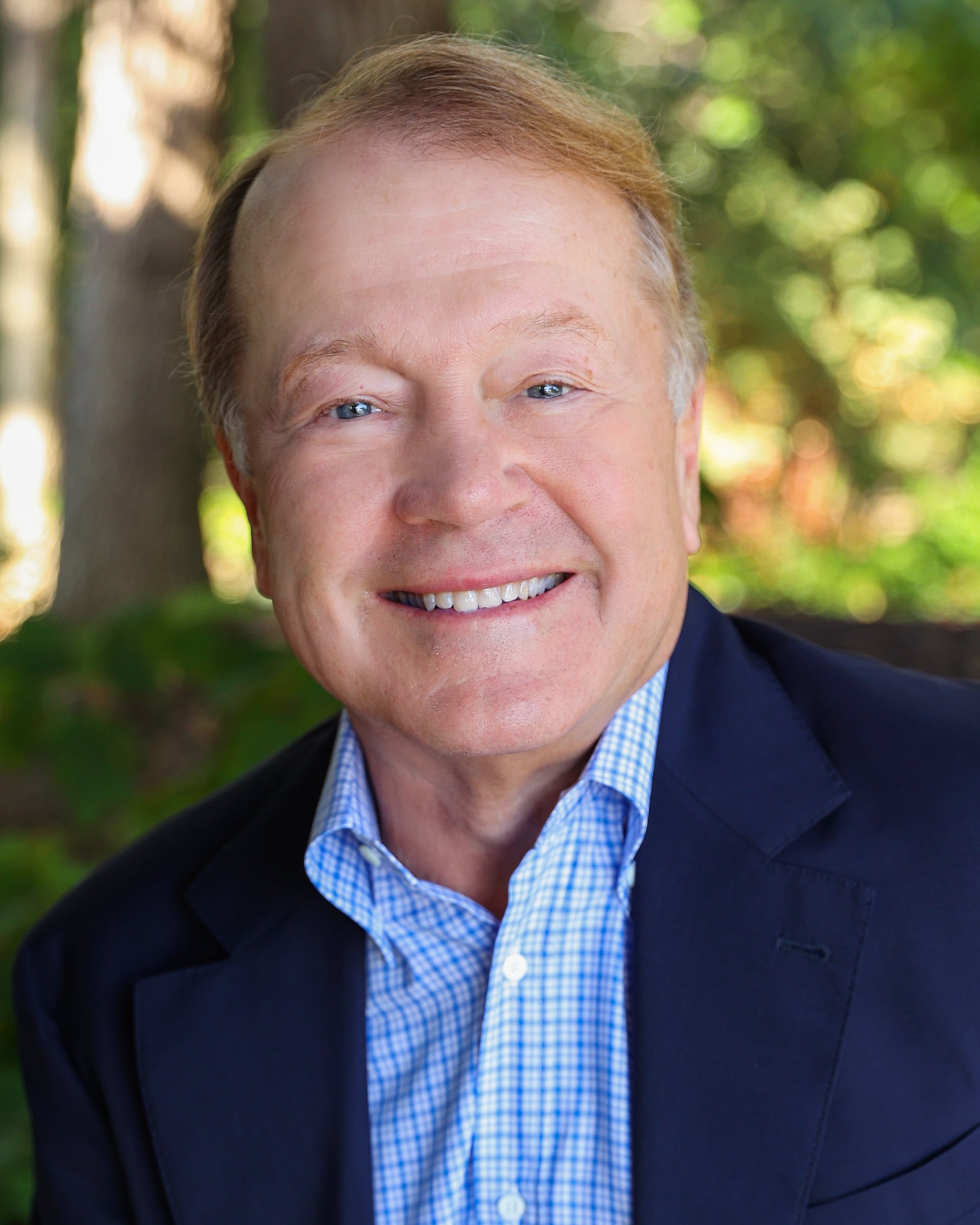
Former Cisco Systems CEO John Chambers learned all about technology’s volatile highs and lows as a veteran of the internet’s early boom days during the late 1990s and the ensuing meltdown that followed the mania. And now he is seeing potential signs of the cycle repeating with another transformative technology in artificial intelligence. Chambers is trying take some of the lessons he learned while riding a wave that turned Cisco into the world's most valuable company in 2000 before a crash hammered its stock price and apply them as an investor in AI startups. He recently discussed AI's promise and perils during an interview with The Associated Press.
Grove Collaborative’s CEO shares how the company is reinventing everyday goods with sustainability at the core and working toward a plastic-free future.
Atlanta Mayor Andre Dickens shares plans for affordable housing, community-led growth, and why private and public grocery stores could be key to food equity.
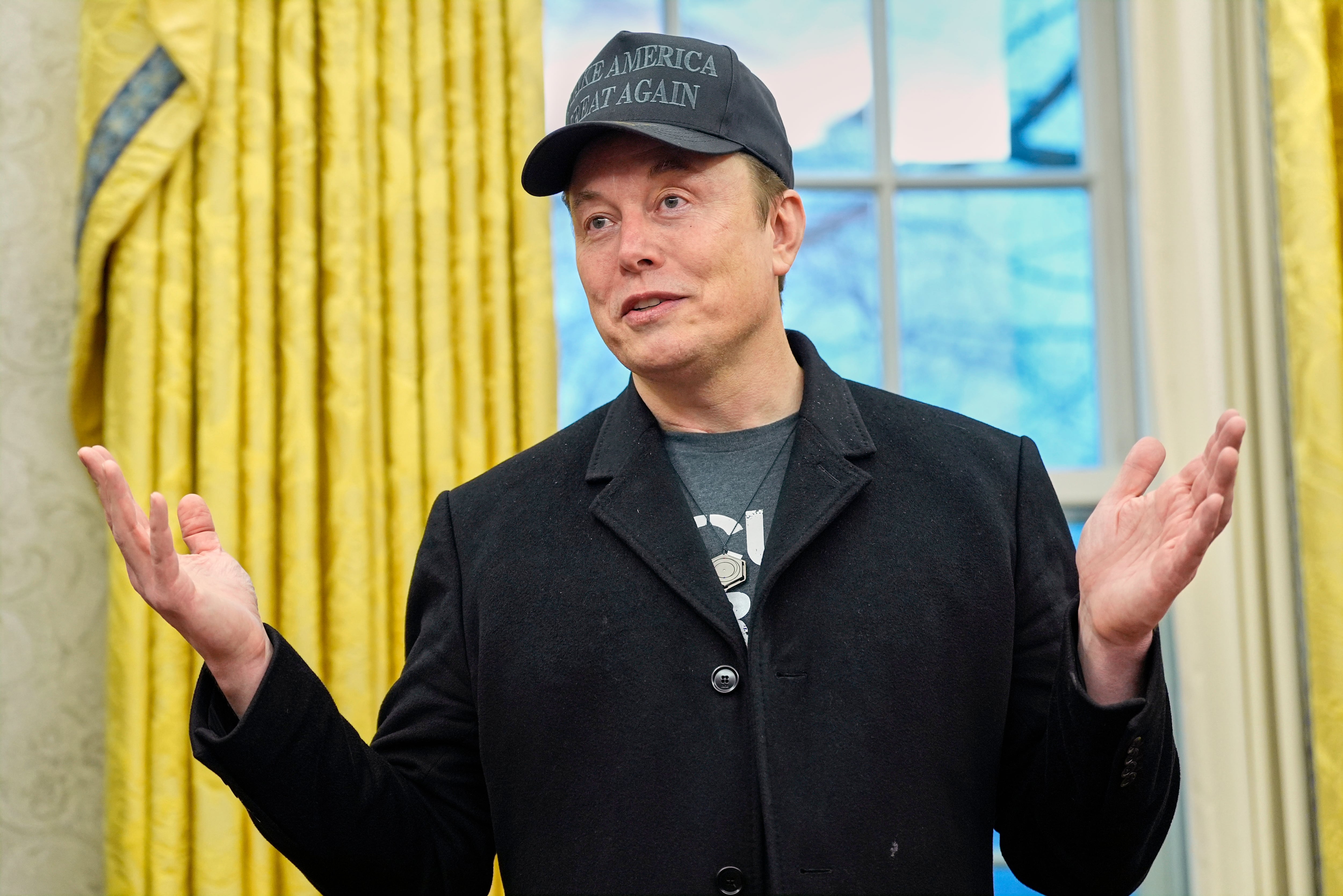
Tesla reported a surprise increase in sales in the third quarter as the electric car maker likely benefited from a rush by consumers to take advantage of a $7,500 credit before it expired on Sept. 30. The company reported Thursday that sales in the three months through September rose 7% compared to the same period a year ago. The gain follows two quarters of steep declines as people turned off by CEO Elon Musk’s foray into right-wing politics avoided buying his company’s cars and even protested at some dealerships. Sales rose to 497,099 vehicles, compared with 462,890 in the same period last year.
Tom’s Guide Editor-in-Chief Mark Spoonauer breaks down Apple & Amazon's latest product drops—what's hot, what's hype, and what really matters for users.
InnerPlant CEO Shely Aronov reveals how engineered crops like soybeans and corn emit signals when stressed—offering farmers early warnings to boost yields.