Wonolo Looks to Hook More Blue-Collar Gig Workers as It Grows On-Demand Staffing Platform
*By Michael Teich*
Silicon Valley is in a race to develop tech that will hook the 60 million American gig economy workers.
Wonolo, a platform connecting on-demand workers with employers, now has an extra $32 million in funding to help win over the on-demand workforce. The company's co-founder and COO, AJ Brustein, told Cheddar in an interview that Wonolo's emphasis on blue-collar employees sets it apart from competitors like Uber, which announced last month it will develop its own on-demand staffing business called Uber Works.
"It's great that Uber is looking at this space. It really validates the opportunity here and shows the way work is getting matched today with traditional staff companies isn't the right way."
But Brustein doesn't consider Uber a competitor, because he says the ride-hailing company is targeting a different kind of worker.
Uber is focusing on restaurants and hospitality, while Wonolo is focused on lighter contract work ー hourly, blue-collar, warehouse-type gigs, he said.
The latest round of funding, led by Bain Venture Capital's Jamison Hill, puts Wonolo's total funding to $60 million. Brustein said the company's business model appeals to investors because Wonolo offers its workers freedom, something he said is hard to find in more traditional jobs.
"Unemployment continues to go down, but people are looking for jobs that offer something that companies aren't providing today, which is flexibility," he said.
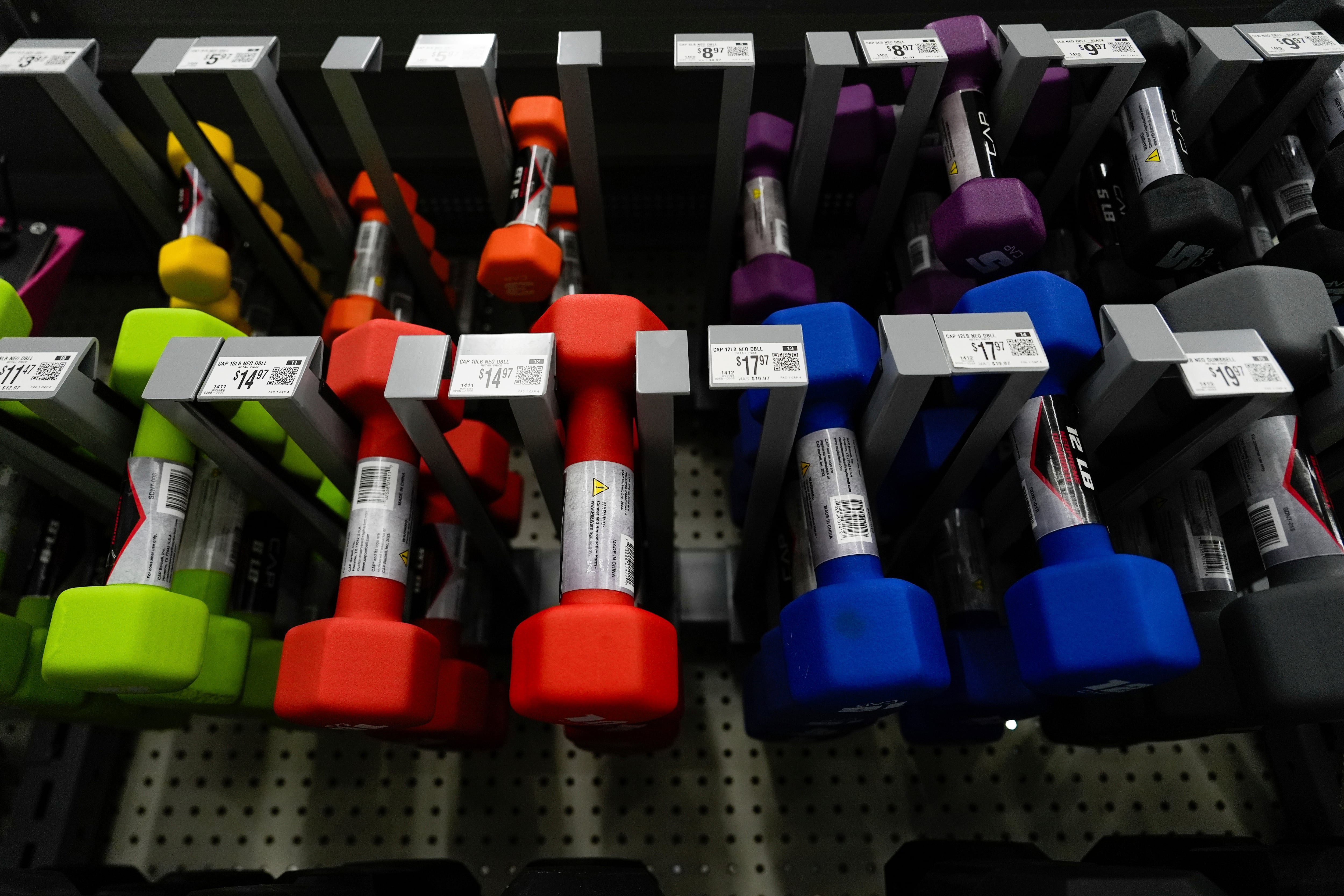
Walmart, which became the nation’s largest retailer by making low prices a priority, has found itself in a place it’s rarely been: Warning customers that prices will rise for goods ranging from bananas to car seats.
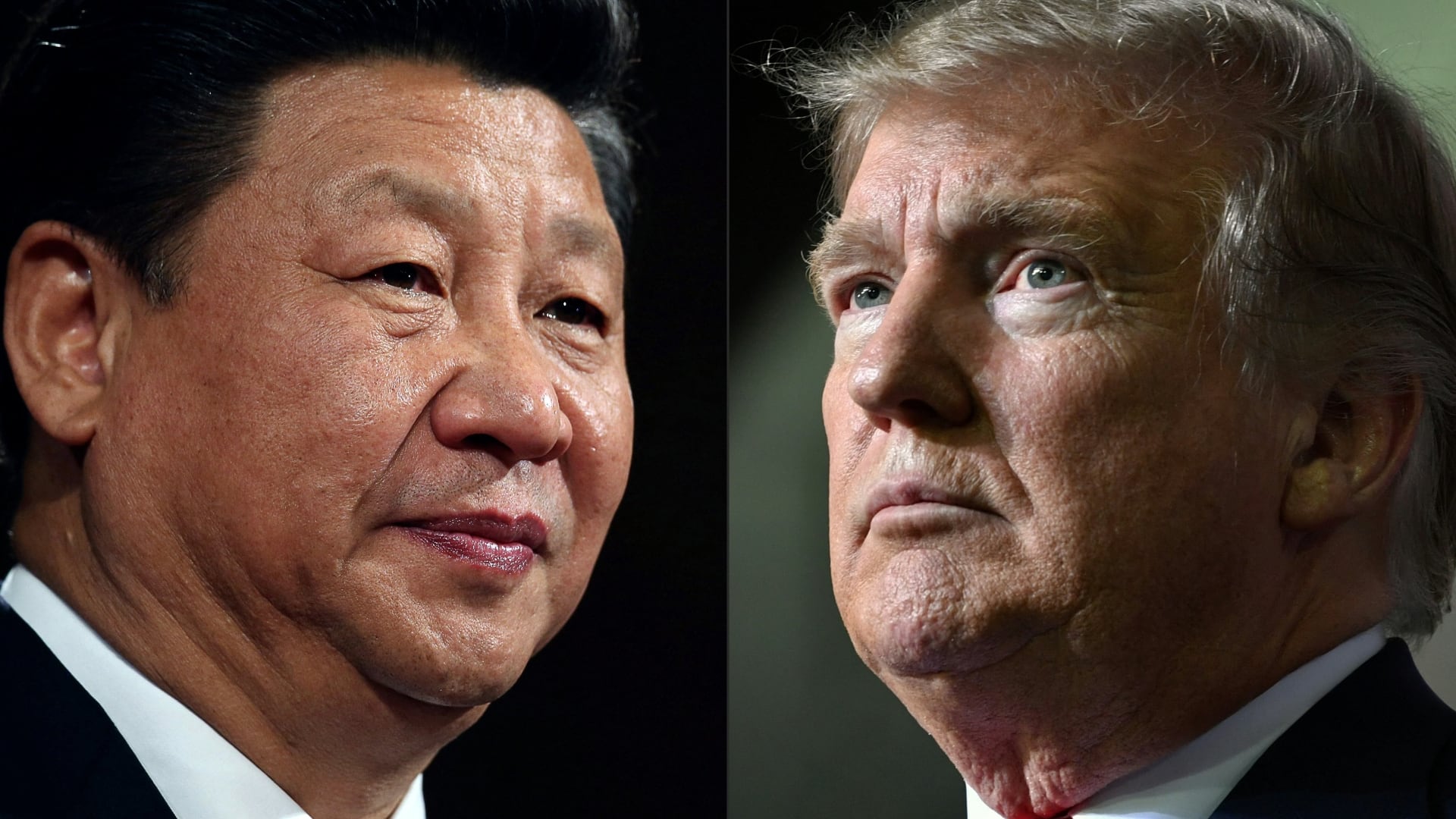
Chris Beauchamp, Chief Market Analyst at IG International, joins J.D. Durkin to give analysis on the recent trade truce between the U.S. and China. Watch!
Shan Aggarwal, VP of Corporate and Business Development at Coinbase, discusses the company's acquisitio of Deribit as it heads into the S&P 500. Watch!
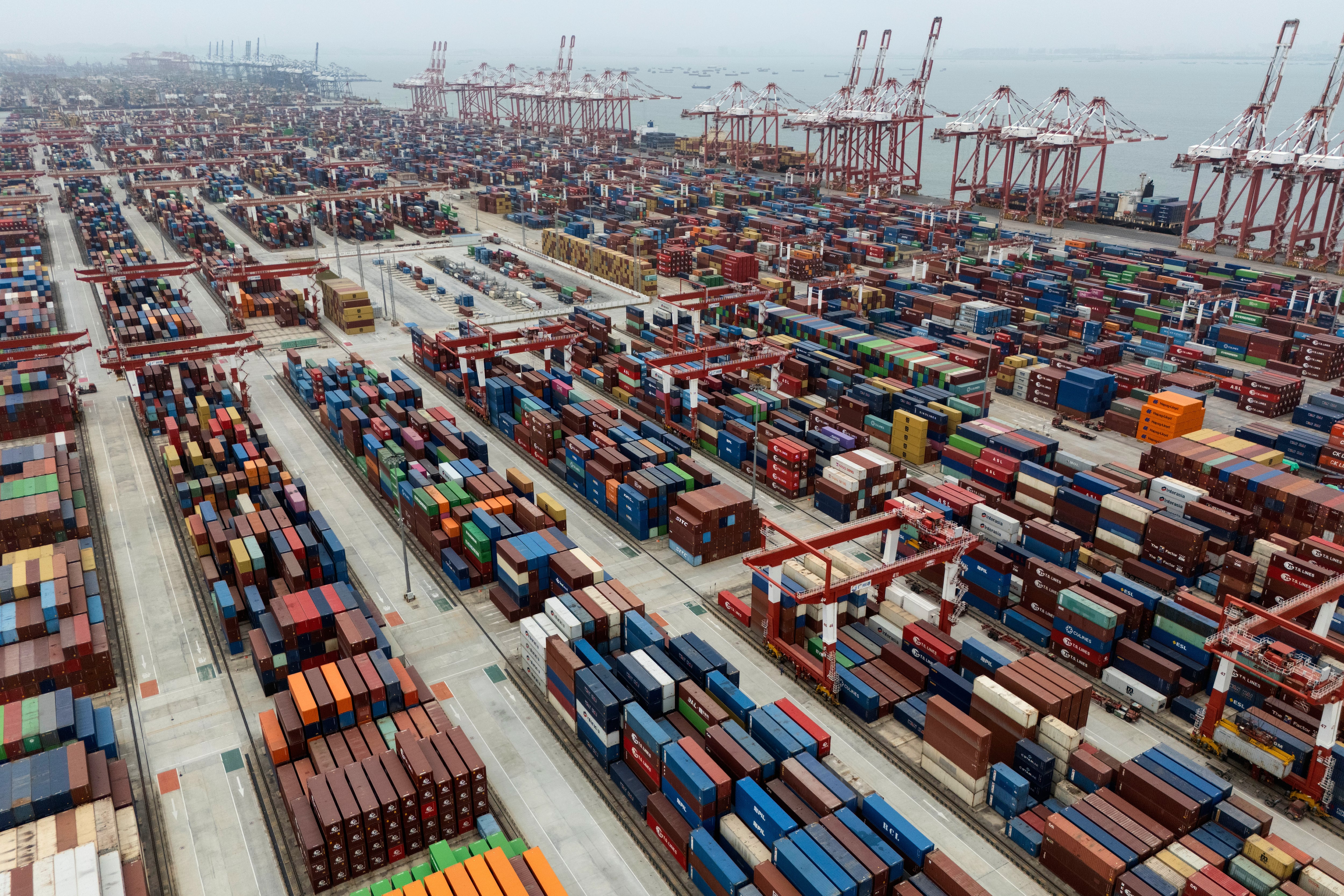
American businesses that rely on Chinese goods are reacting with muted relief after the U.S. and China agreed to pause their exorbitant tariffs on each other’s products for 90 days. Many companies delayed or canceled orders after President Donald Trump last month put a 145% tariff on items made in China. Importers still face relatively high tariffs, however, as well as uncertainty over what will happen in the coming weeks and months. The temporary truce was announced as retailers and their suppliers are looking to finalize their plans and orders for the holiday shopping season. They’re concerned a mad scramble to get goods onto ships will lead to bottlenecks and increased shipping costs.
Shopping expert Trae Bodge discusses how talks between the U.S. and China is good news for now, but uncertainty remains for back-to-school and the holidays.
Jake Traylor, White House reporter at Politico, joins Cheddar to discuss how Trump is aiming to lower drug prices and how it differs from Biden's approach.