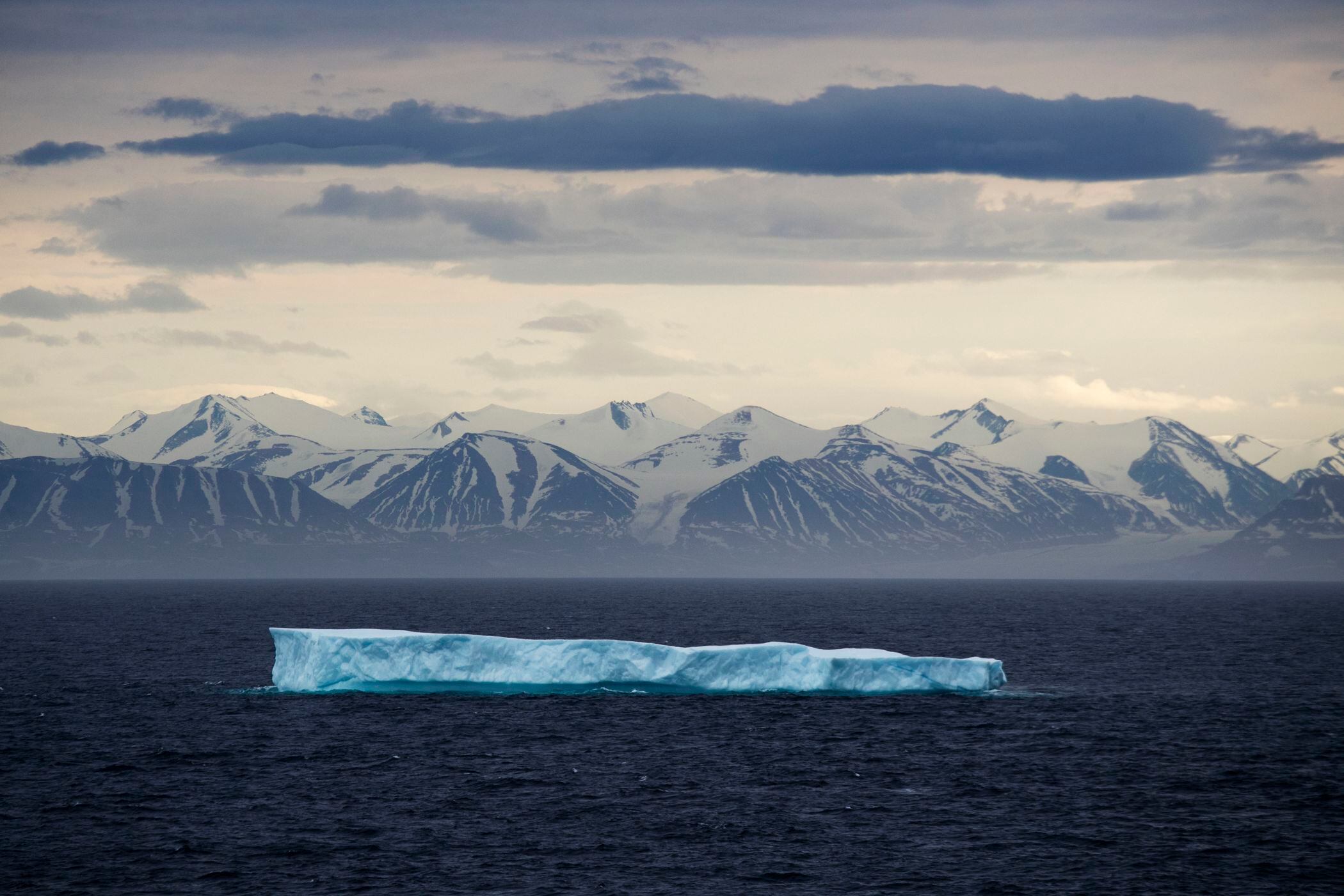
In this July 24, 2017 file photo, an iceberg floats past Bylot Island in the Canadian Arctic Archipelago. The National Oceanic and Atmospheric Administration’s annual Arctic Report Card, released on Tuesday, Dec. 8, 2020, shows how warming temperatures in the Arctic are transforming the region's geography and ecosystems. (AP Photo/David Goldman, File)
By Christina Larson
This year's vast wildfires in far northeastern Russia were linked to broader changes in a warming Arctic, according to a report Tuesday by the National Oceanic and Atmospheric Administration.
Wildfires are a natural part of many boreal ecosystems. But the extent of flames during the 2020 fire season was unprecedented in the 2001-2020 satellite record, and is consistent with the predicted effects of climate change, said Alison York, a University of Alaska Fairbanks fire scientist and a contributor to the annual Arctic Report Card.
The recent wildfires were exacerbated by elevated air temperatures and decreased snow cover on the ground in the Arctic region, the report found.
The past year — from October 2019 to September 2020 — was the second warmest on record in the Arctic, the report said. And the extent of snow on the ground in June across the Eurasian Arctic was the lowest recorded in 54 years.
Under those conditions, trees and plants “are just more flammable,” said York.
“The Arctic isn’t just this collection of components, it’s really an integrated system,” said Dartmouth sea ice scientist Don Perovich, who contributed to the report. "When something happens to one part of the system, it has cascading effects," he said.
Satellites recorded the second lowest extent of sea ice in September since record-keeping began 42 years ago, the report found.
Melting ice is both a result of increased temperatures and an accelerator of further changes, Perovich said. “As sea ice thins, more light can penetrate into the ocean, with unclear impacts for ecosystems,” he said.
As snow and ice cover decreases, the land and ocean surfaces also absorb more heat.
“Changes in the Arctic climate are important because the Arctic acts as a refrigerator for the rest of the world — it helps cool the planet,” said Lawrence Mudryk, a report contributor and a climate scientist at Environment and Climate Change Canada, a governmental research group.
“How much of the Arctic continues to be covered by snow and sea ice reflects part of how efficiently that refrigerator is working,” he said.
Last year's report included essays and research contributed by the Arctic's Indigenous communities for the first time. But in 2020, close collaboration between visiting scientists and Indigenous communities was not possible because of travel restrictions related to COVID-19.
Report contributor Matthew Druckenmiller, a climate scientist at the University of Colorado Boulder, said efforts to involve Indigenous communities would resume after the pandemic subsides.
The consequences of a warming Arctic are already felt far beyond the region.
“The Arctic continues to be a warning siren of how our Earth system is changing and it is important for policymakers and the public to understand that the impacts don’t stay in the Arctic with the polar bears,” said University of Georgia meteorology professor Marshall Shepherd, who was not involved in the report.
“We feel them, too, through changes in our weather patterns, sea level rise, and fisheries."
___
The Associated Press Health and Science Department receives support from the Howard Hughes Medical Institute’s Department of Science Education. The AP is solely responsible for all content.
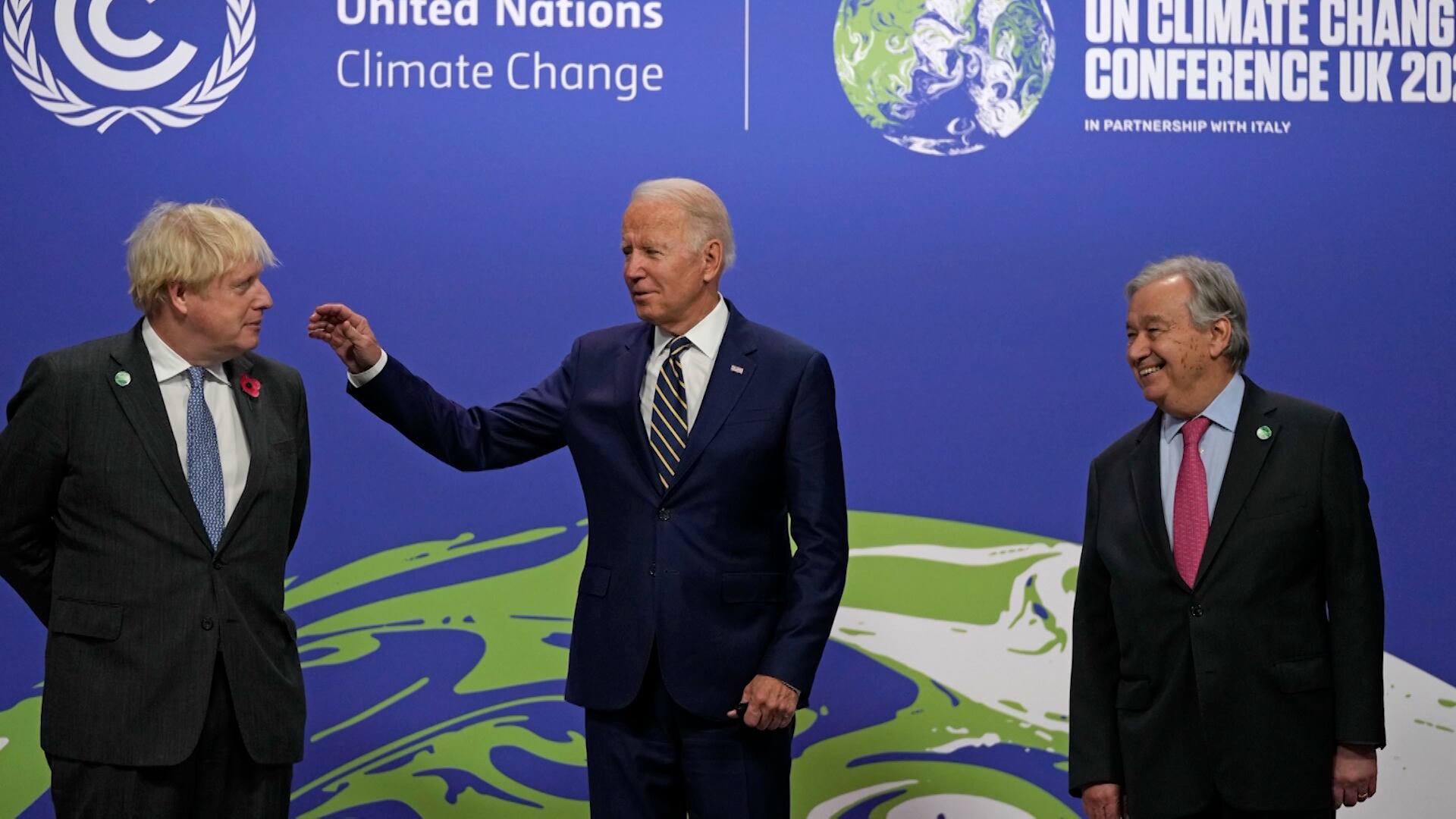
The two-week COP26 climate conference has now ended with leaders reaching a deal, but so far the deal is getting mixed reviews from climate experts across the globe. Chloe Demrovsky, president and CEO of Disaster Recovery Institute International, explains that while the agreement is a step forward in some ways, the world still has much more to work on in order to keep warming to below 2 degrees Celsius.
Jill and Carlo cover the latest with the infrastructure bill, the growing state rebellion over boosters, Trump's dereliction of duty on the pandemic, Taylor Swift's reign of cultural domination and more.
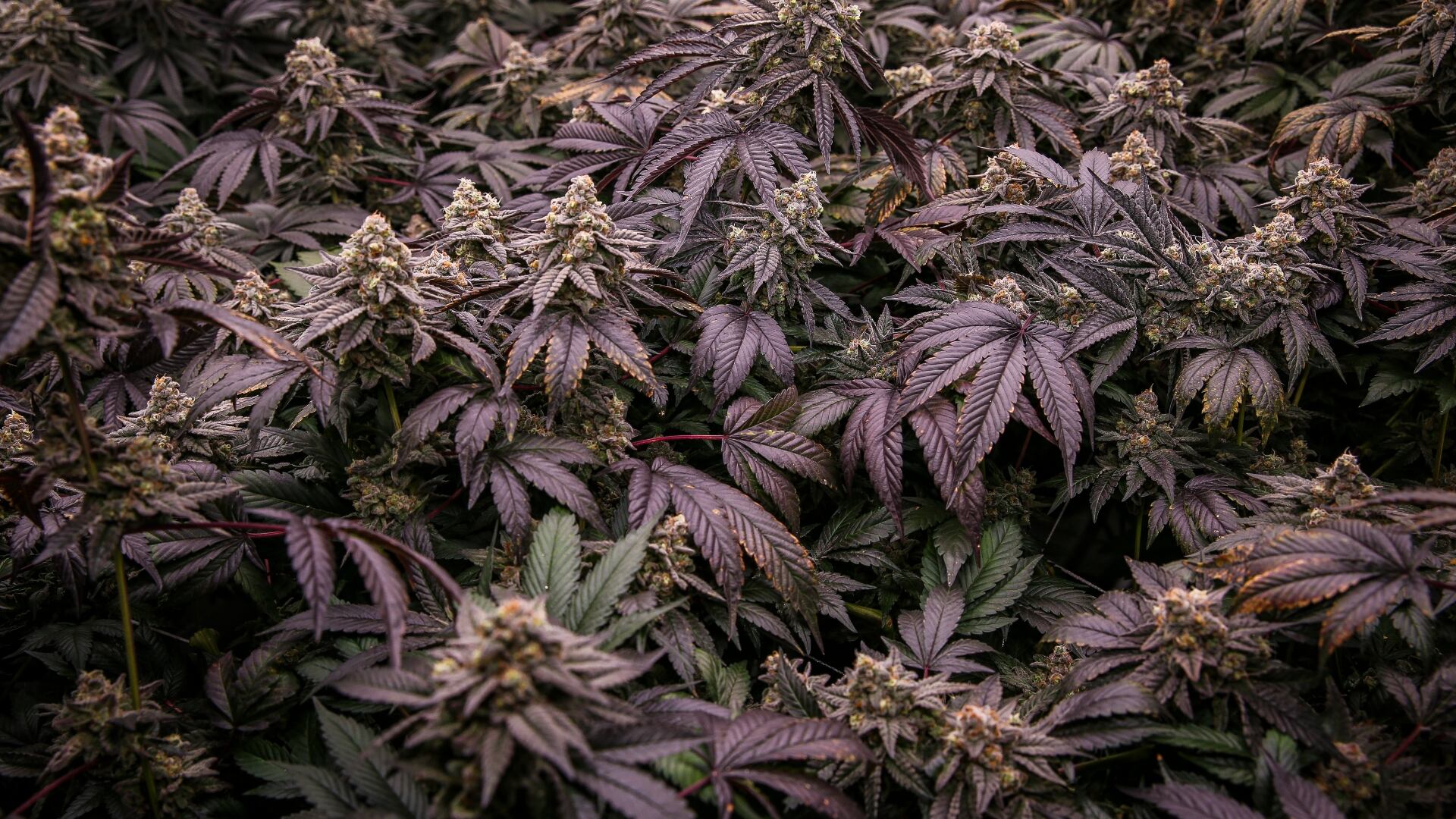
Aurora Cannabis CEO Miguel Martin joins Cheddar News' Closing Bell to discuss the company's latest earnings results, how it will achieve positive EBITDA by 2023, and the state of the cannabis industry amid potential U.S. federal legalization.
Moderna is defending its COVID-19 vaccine after a study found an increase in reports of myocarditis, which is an inflammation of the heart, in males ages 12 to 29 — about 13.3 cases in every 100,000 subjects. The pharmaceutical giant said the benefits of the vaccine outweigh the risk of the possible negative side effect.
The parent company of North Face, Vans and Supreme, VF Corp, released its fourth annual "Made for Change" sustainability and responsibility report. It details the company's ongoing efforts to tackle social and climate related issues. This comes as climate experts continue to warn about the dangers of fast fashion and its impact on global CO2 emissions. Sean Cady, Vice President of Global Sustainability, Responsibility and Trade at VF Corporation, joins Cheddar News to discuss.
A jam-packed Freitag pod with Carlo and Baker: new Covid hotspots, Kyle Rittenhouse trial, Belarus making trouble for Europe, red-hot housing market, and how to manage a PR crisis the right way.
As the UN climate conference is set to wrap this week, we take a look at pledges that world leaders have signed onto so far and the most important developments to come out of COP26. Sandeep Pai, Senior Research Lead at the Just Transition Initiative, joins Cheddar Climate to discuss the most important global initiatives and biggest pledges made by global leaders, and whether or not they can truly make an impact if two of the world's biggest economies, China and Russia, did not attend and are not fully committed to major climate initiatives.
A group of health experts from around the world is issuing a dire warning about the climate crisis, saying that climate change is the greatest global health threat facing the world this century and is set to become the 'defining narrative of human health.' The Lancet medical journal stated that warning in its annual report, along with a policy brief for the United States detailing actions the country can take to stop millions of unnecessary deaths. Director of Climate for Health at EcoAmerica Rebecca Rehr joined Cheddar Climate to discuss.
The COP26 summit in Scotland is in its final days, and the U.N. has just released a draft of an agreement for more than 200 world leaders to sign on Friday. The draft urges nations to set more aggressive goals in cutting emissions, while also calling for coal to be phased out. Chloe Demrovsky, President and CEO of Disaster Recovery Institute International, joins Cheddar News to discuss this agreement.
SpaceX and NASA have collaborated on another successful launch sending four astronauts to the international space station. The international crew will stay in orbit aboard the ISS for six months.