Wikipedia has joined the ranks of online platforms such as Facebook, Twitter, and Google to take steps to prevent disinformation on Election Day.
"When we talk about disinformation, what we mean is coordinated attempts to misinform the public, to get people to think about something that is incorrect or to get people to do something based on false information," Ryan Merkley, chief of staff at the Wikimedia Foundation, the nonprofit behind the online encyclopedia, told Cheddar. "When we talk about misinformation, what we mostly mean is when those attempts are successful and well-meaning folks who actually believe that information spread it even further."
In order to combat both mis- and disinformation, the nonprofit has assembled a special task force of technical, legal, and communication staff to provide support to the thousands of unpaid volunteers who the site relies on to write and edit entries.
"The number one defense against disinformation is volunteers showing up every day editing those articles, over 50 million articles worldwide, 300-plus languages," Merkley said. "Every day volunteers root out bad information and make sure that what's there is reliably sourced and available to everybody."
Merkley stressed that this is nothing new for Wikipedia. After two decades of building its capacity for transparency and accountability, he's confident the site can weather the 2020 election.
That doesn't mean the nonprofit isn't pulling out the stops for this highly-anticipated and contentious presidential election. One precaution, for instance, includes limiting edits of the 2020 U.S. election page to volunteer accounts older than 30 days and that have at least 500 edits to their name
Merkley explained that Wikimedia feels a special responsibility to ensure accuracy, given how much of the internet is integrated with its vast information database.
"If you ask Alexa a question, it's often answering with information pulled straight from Wikipedia, or if you do a Google search, in the sidebar where you see other information, a lot of that is pulled straight from Wikipedia," he said. "So if it's wrong on our platform, it could be wrong everywhere, and we care very deeply about getting that right."
As for the possibility of disinformation coming from the highest levels of power, Merkley said it makes no difference to Wikipedia's approach.
"Mis- and disinformation can come from anywhere," he said. "The important thing is whether or not that source is verifiable, whether the facts are reliable facts. It's less about where it comes from and more about what is the impact that is intended from that information."
Following the surprising big beat on estimates for the January jobs report, William M. Rodgers III, vice president and director of the Institute for Economic Equity at the Federal Reserve Bank of St. Louis, joined Cheddar News to break down the data. “We ended 2021 with a strong crescendo to a recovery that had taken hold, and we started 2022 in good fashion." He also discussed the dueling pressures of wage growth and inflation.
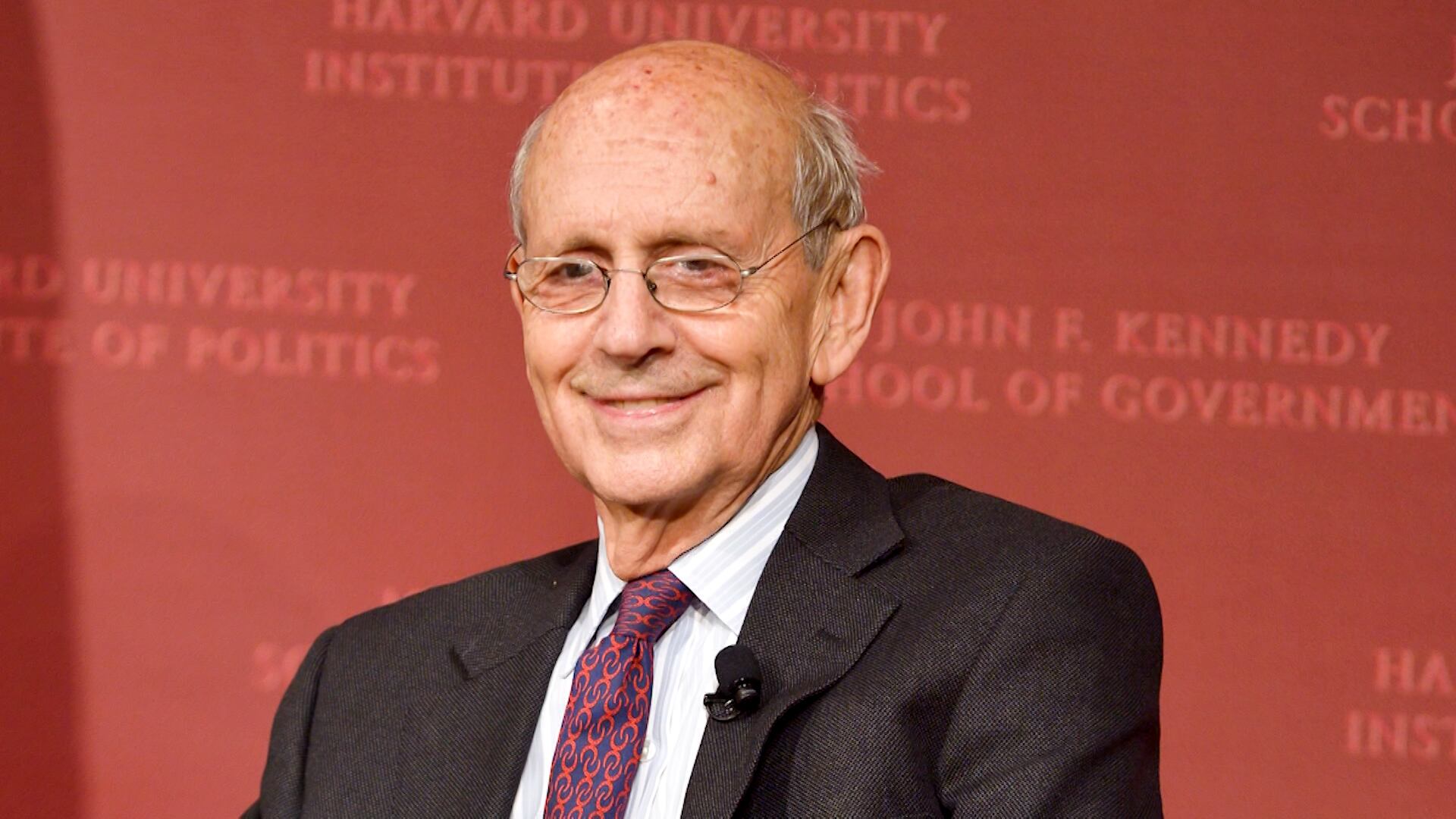
Jessica Mason Pieklo, senior vice president and executive editor of the Rewired News Group and co-host of the podcast. "Boom! Lawyered," joins Cheddar Politics to discuss Justice Stephen Breyer's retirement, legacy and potential replacement on the Supreme Court.
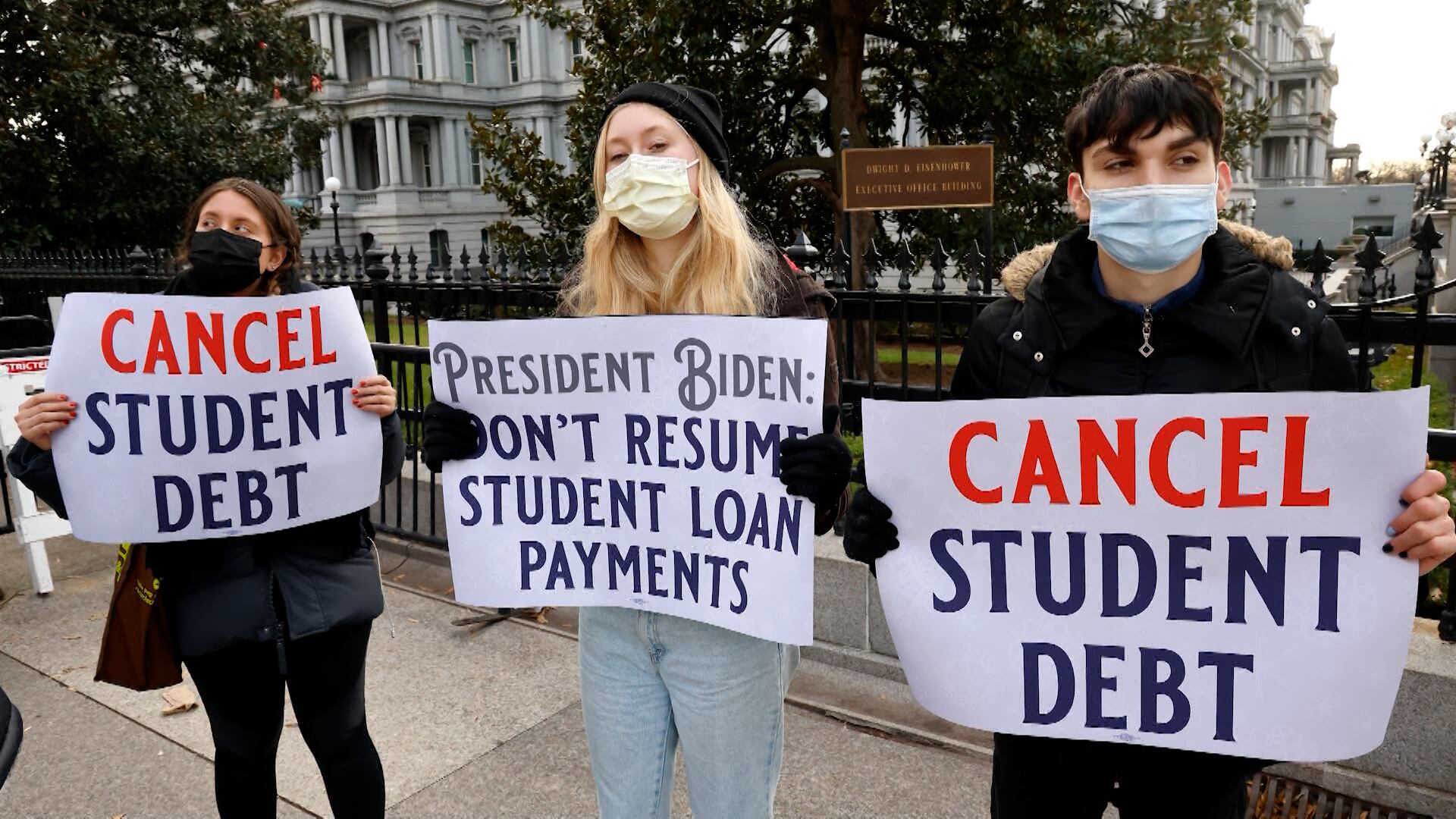
The Biden administration delivered a temporary win for student loan borrowers this year by extending the moratorium on federal payments for a few more months. That moratorium is coming to an end on May 1st and borrowers will again have their monthly loan payment plopped in their lap.
Stephanie Vanderslice, a creative writing professor paying off debt through the Parent Plus program, and Mike Pierce, executive director of the Student Borrower Protection Center, join Cheddar Politics to discuss.
2022 was already going to be a big year for the Supreme Court. We have decisions on major issues like abortion and gun rights on the way. Then, Justice Stephen Breyer announced his retirement and that set up a major confirmation fight for later this year. Amy Howe, co-founder of SCOTUSblog, joins Cheddar Politics to discuss.
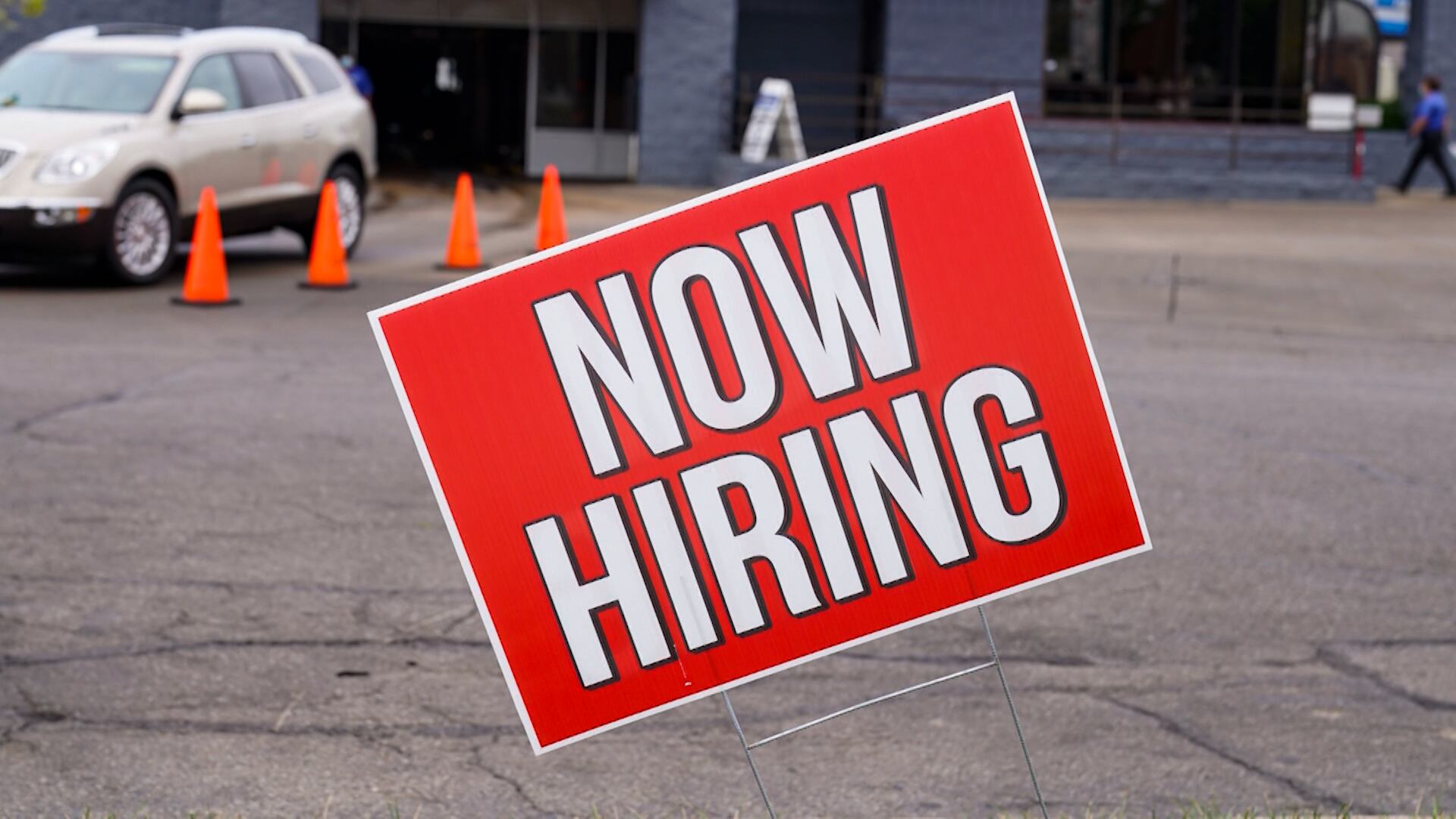
The Labor Department released a better-than-expected report of 467,000 jobs added in January. Heather Boushey, Council of Economic Advisers Member for President Biden, joined Cheddar to tout the administration's handling of the economy amid the pandemic and the upward revisions for the previous month. "It also shows that, because of the revisions, the economy was stronger over the past couple of months," she said. "I don't think that this can be said enough, but economic forecasting during an historic pandemic is extremely difficult." Boushey also addressed issues involving wage growth versus the rapid rise of inflation.
The Labor Department's January jobs report showed 467,000 jobs were added, compared to the 150,000 that were projected, a sign that employment is continuign to return to pre-pandemic levels. Lindsey Piegza, chief economist at investment bank Stifel, joined Cheddar to break down the report, noting the big gains but adding a note of caution. "Remember, even with this morning's stellar report, we're still millions below that level that we had reached prior to the onset of COVID-19," she said." Yes, we are recapturing jobs. We still have further ground that needs to be made before we can talk about reaching that previous peak." Piegza also discussed the role of the Federal Reserve going forward as the employment figures turn more positive.
As President Biden's poll numbers fall with Black voters, Rep. Ayanna Pressley (D-Mass. 7th District) joined Cheddar to discuss what she feels could help the embattled administration: deliver on policies. Pressley pointed to stalled legislation such as new voting rights laws and Build Back Betters and canceling student loan debt, which would go a long way to improving his standing with Black constituents. "President Biden has the authority and the power to alleviate this burden, which would also help in closing the racial wealth gap, and he can do it by executive action with the stroke of a pen," she said. "And it doesn't require one vote from Congress. So, the Biden administration just needs to deliver to Black America in a tangible and impactful way."