Wikipedia has joined the ranks of online platforms such as Facebook, Twitter, and Google to take steps to prevent disinformation on Election Day.
"When we talk about disinformation, what we mean is coordinated attempts to misinform the public, to get people to think about something that is incorrect or to get people to do something based on false information," Ryan Merkley, chief of staff at the Wikimedia Foundation, the nonprofit behind the online encyclopedia, told Cheddar. "When we talk about misinformation, what we mostly mean is when those attempts are successful and well-meaning folks who actually believe that information spread it even further."
In order to combat both mis- and disinformation, the nonprofit has assembled a special task force of technical, legal, and communication staff to provide support to the thousands of unpaid volunteers who the site relies on to write and edit entries.
"The number one defense against disinformation is volunteers showing up every day editing those articles, over 50 million articles worldwide, 300-plus languages," Merkley said. "Every day volunteers root out bad information and make sure that what's there is reliably sourced and available to everybody."
Merkley stressed that this is nothing new for Wikipedia. After two decades of building its capacity for transparency and accountability, he's confident the site can weather the 2020 election.
That doesn't mean the nonprofit isn't pulling out the stops for this highly-anticipated and contentious presidential election. One precaution, for instance, includes limiting edits of the 2020 U.S. election page to volunteer accounts older than 30 days and that have at least 500 edits to their name
Merkley explained that Wikimedia feels a special responsibility to ensure accuracy, given how much of the internet is integrated with its vast information database.
"If you ask Alexa a question, it's often answering with information pulled straight from Wikipedia, or if you do a Google search, in the sidebar where you see other information, a lot of that is pulled straight from Wikipedia," he said. "So if it's wrong on our platform, it could be wrong everywhere, and we care very deeply about getting that right."
As for the possibility of disinformation coming from the highest levels of power, Merkley said it makes no difference to Wikipedia's approach.
"Mis- and disinformation can come from anywhere," he said. "The important thing is whether or not that source is verifiable, whether the facts are reliable facts. It's less about where it comes from and more about what is the impact that is intended from that information."
David Levine, elections integrity fellow with Alliance for Securing Democracy, joins Cheddar News to discuss Politico's bombshell finding revealing the RNC's plan to contest the elections.
A survey by the BMO Real Financial Progress Index found that 25 percent of Americans are pulling back on retirement contributions to offset the cost of inflation. This comes as market volatility reduced retirement savings with the S&P 500 shedding more than 12 percent this year alone.
As abortion rights take center stage in courts around the country, so do discussions about reproductive health. Signs and social media posts say things like "protect women's rights" and "her body, her choice," leaving others who need and receive abortions completely out of the picture. The potential end to Roe v. Wade would impact far more people and facilities than you may think. Cheddar News' Baker Machado breaks it all down.
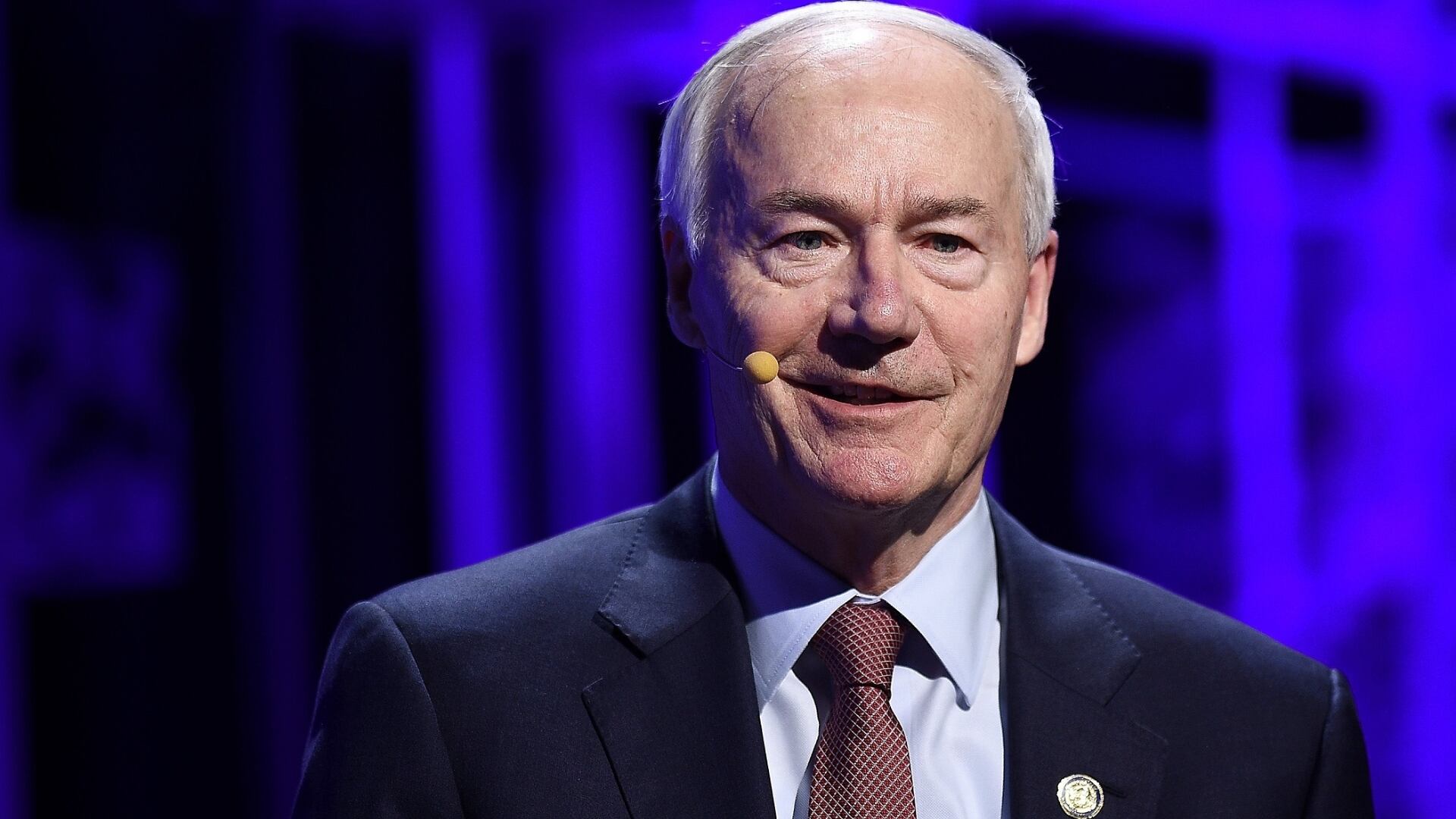
Arkansas is planning to reshape itself by putting a strong emphasis on technology through computer science in the classroom. Governor Asa Hutchinson joined Cheddar News Buffa to discuss the state's efforts to promote itself as a future tech hub. “It gives young people such a huge opportunity for success," he noted. The term-limited governor also touched on the issue of gun ownership, offering up the idea of possibly raising the age limit to obtain rifles like the AR-15 to 21 instead of 18 as it currently stands.
The dating app Bumble has sponsored bills and pushed lawmakers to criminalize the online practice of sending unsolicited nudes or “cyberflashing." Payton Iheme, Bumble's head of public policy for the Americas, joined Cheddar News to discuss why the app was going after the harassing behavior beyond its own platform. "Now, while we went to work internally in the company, and we created something called private detector to automatically blur those images so the user can decide if they want to see them, there's nothing for the rest of the internet," she said. "And so that's why we went to work with these laws."
Constituent service platform Indigov recently raised $25 million in a Series B funding round. Indigov bills itself as a constituent relationship management tool that helps elected officials improve the way they organize, respond to, and engage those they serve. The startup's services are being used by federal, state, and local governments across the country, including the U.S. House of Representatives. Alex Kouts, founder & CEO of Indigov, joins Cheddar News' Closing Bell to discuss.