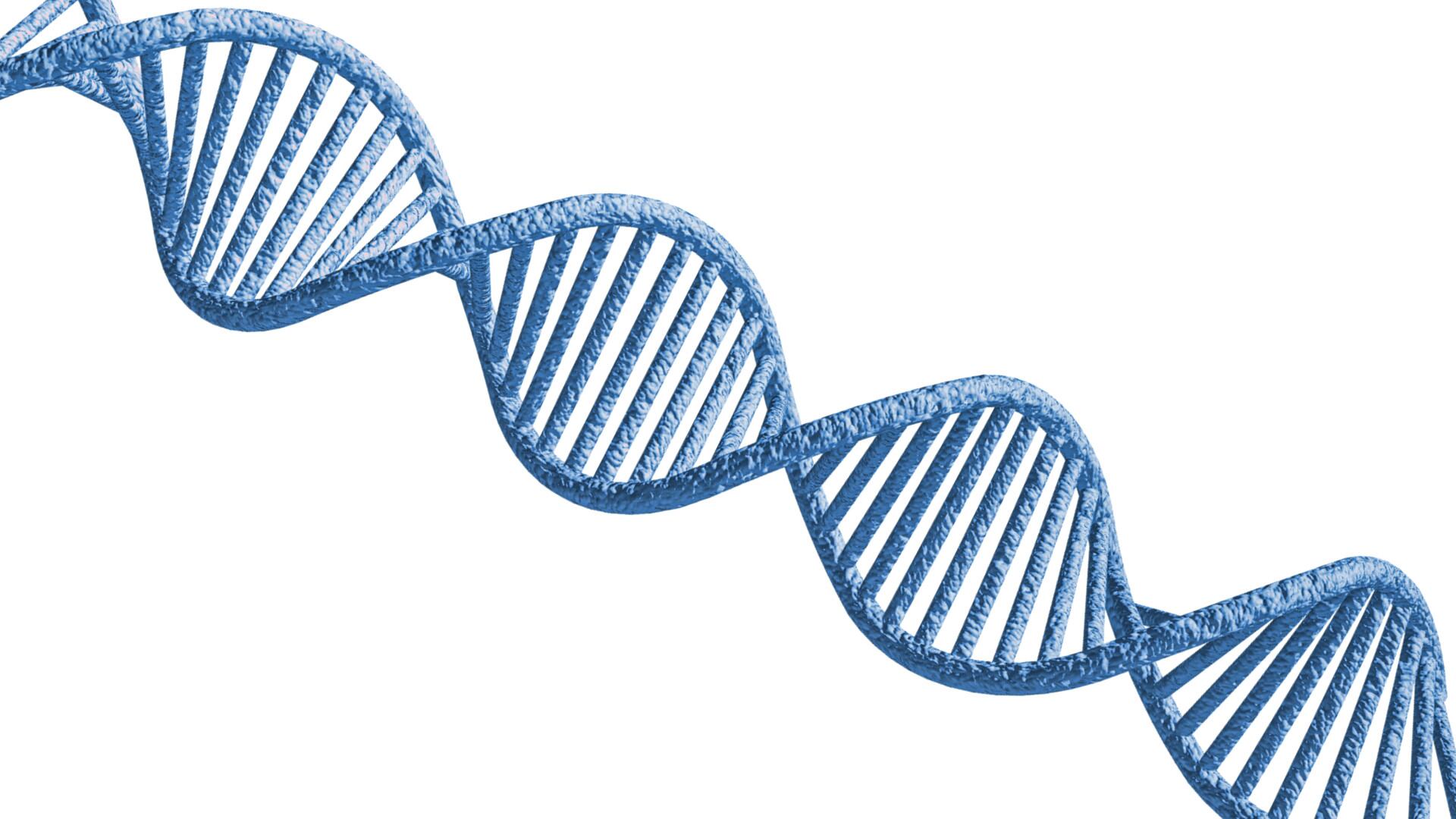
The birds and the bees talk may need an upgrade soon. Scientists are working on ways to use blood and skin cells to replace sperm and eggs. So, will sex go by the wayside?
Karen Weintraub writes about the science behind these headlines in Scientific American. She says we are still years away from human babies being created with eggs and sperm. So far scientists have only created eggs out of skin cells from mice.
The idea of creating babies without parents will likely raise a number of ethical and cultural questions. Weintraub says the scientific studies are still in such early stages that they haven't begun to receive cultural scrutiny.
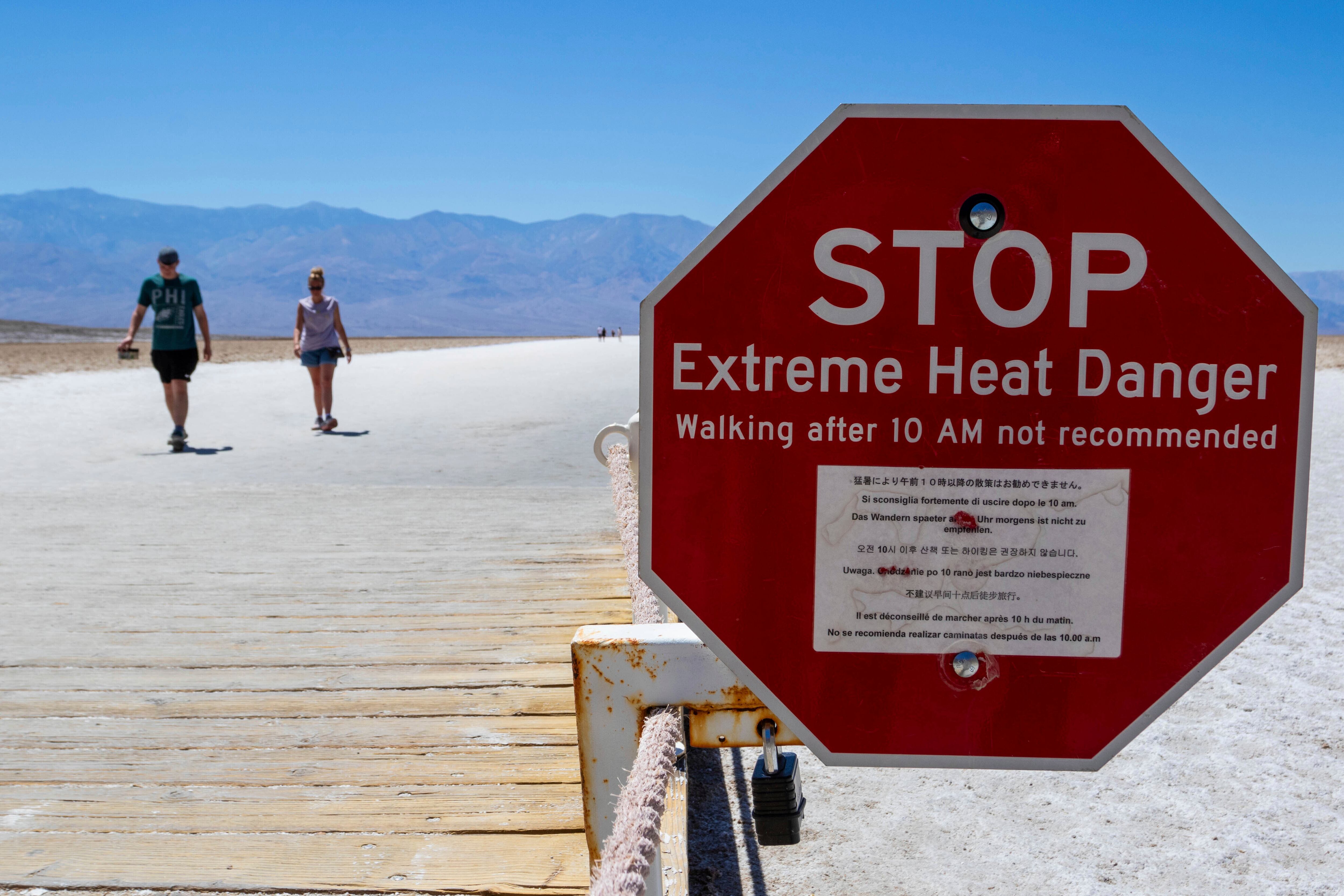
Temperatures in central and southern California could hit 120 degrees Fahrenheit this weekend.
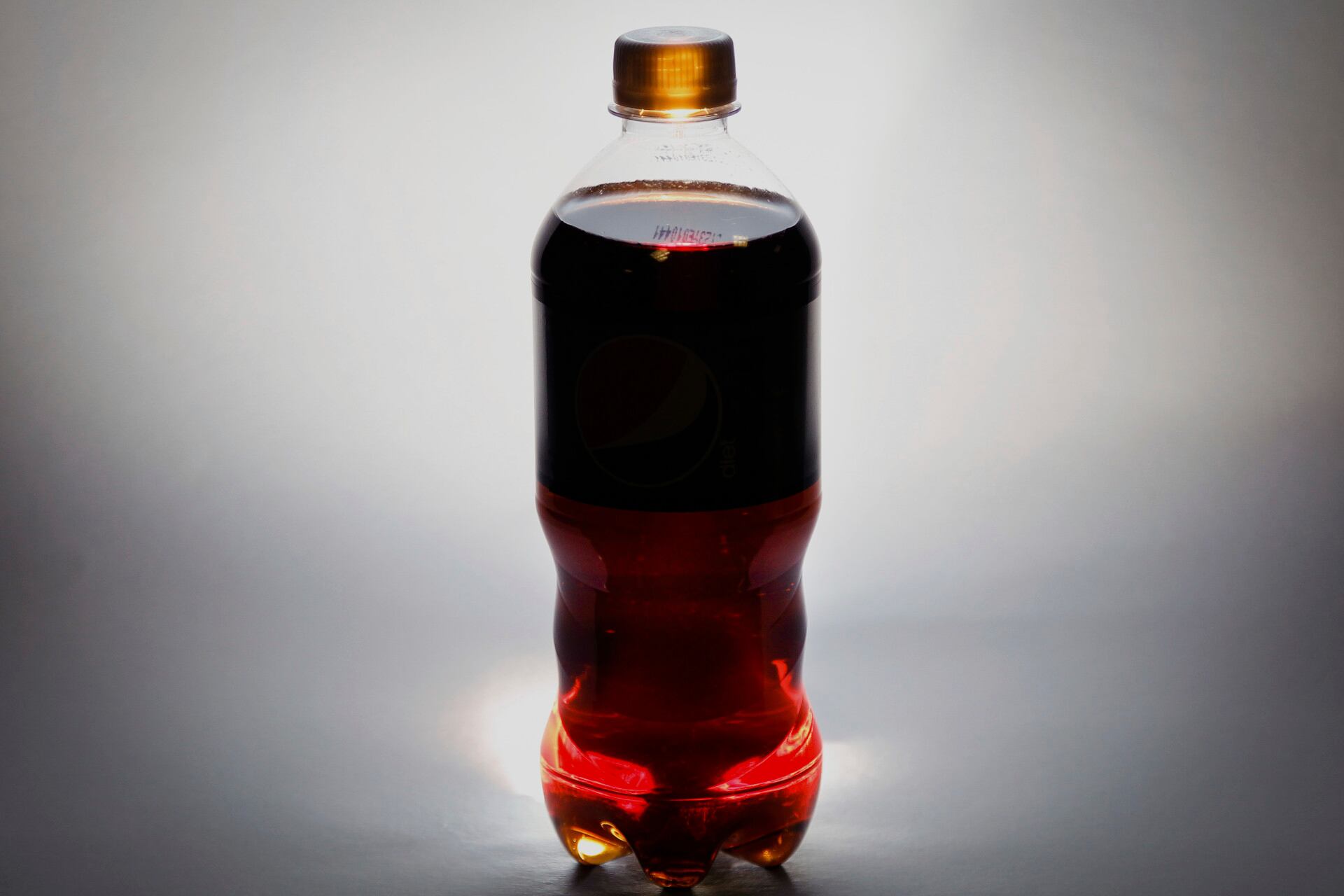
The World Health Organization moved to classify aspartame, the artificial sweetener in diet soda, as a possible carcinogen.
The World Health Organization's cancer agency has deemed the sweetener aspartame — found in diet soda and countless other foods — as a “possible” cause of cancer, while a separate expert group looking at the same evidence said it still considers the sugar substitute safe in limited quantities.
More than a third of Americans were under extreme heat advisories, watches and warnings Thursday as a blistering heat wave that's been baking the nation spread further into California, forcing residents to seek out air conditioning or find other ways to stay cool in triple-digit temperatures.
Tourists in central Athens huddled under mist machines, and zoo animals in Madrid were fed fruit popsicles and chunks of frozen food, as southern Europeans braced for a heat wave Thursday, with a warning of severe conditions coming from the European Union’s space agency.
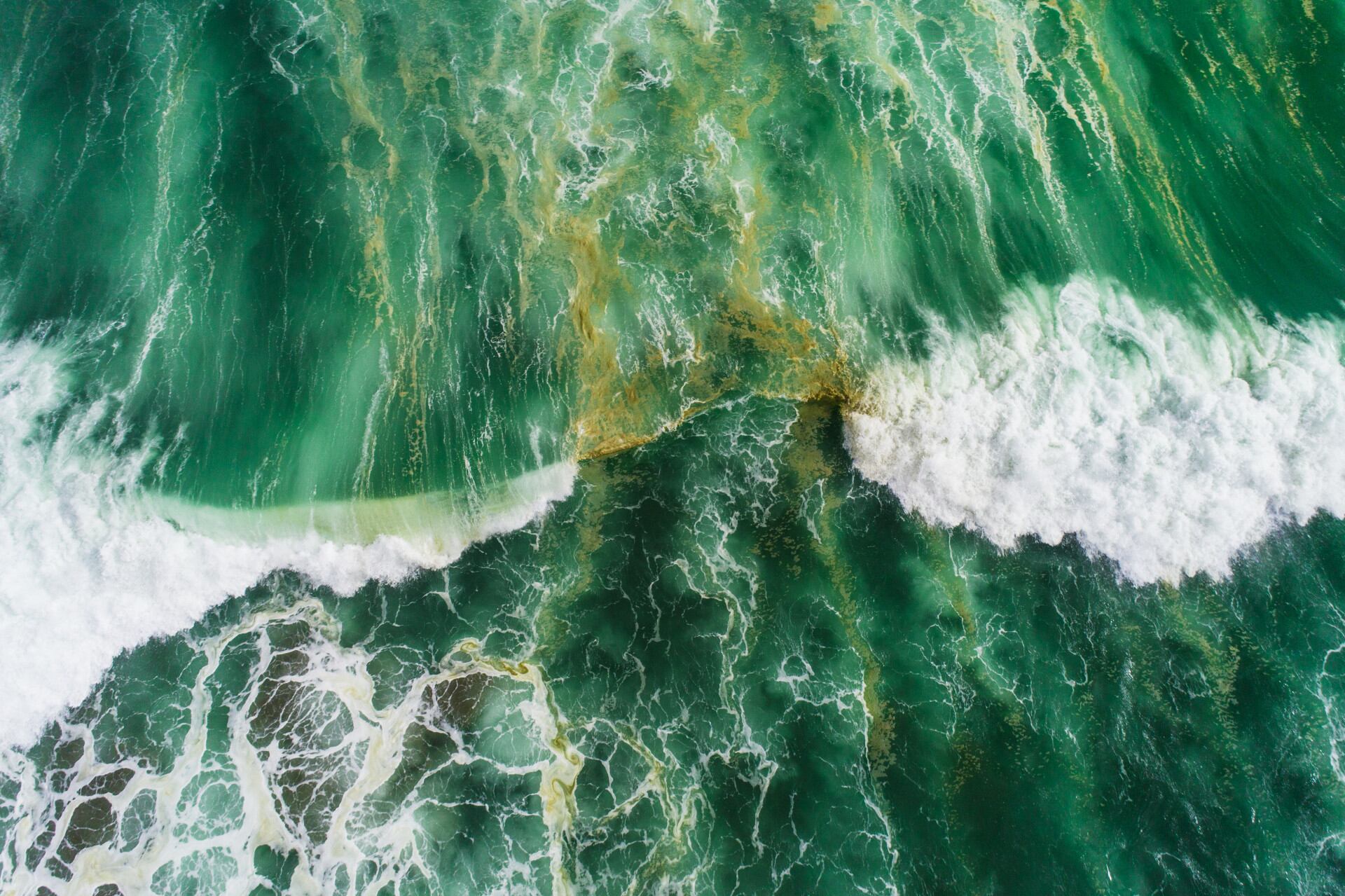
A new study published in Nature has found that more than 56 percent of the world's oceans have changed color in the past 20 years, and climate change is to blame.
Recently discovered teeth of a two-million-year-old human relative in Africa could give researchers new insight into genetics.