The market is seeing red again.
On the first trading day of the second quarter, the Dow slipped by more than 400 points, and the tech-heavy Nasdaq ended the day nearly three percent lower.
“We saw overnight China announced a tariff of up to 25 percent on about...130 U.S. products,” explained Matthew Battipaglia, Portfolio Manager at Washington Crossing Advisors.
China’s new tariffs hit a myriad of American goods, including fruits and pork, imports of which amount to around $3 billion.
The announcement comes merely weeks after President Trump slapped taxes on aluminum and steel imports from China and announced plans to tax $50 billion more worth of Chinese goods.
These trade war warning shots from two of the world’s largest economies worried investors Monday. They also added pressure to a market that was already heading downwards on negative news from the tech world.
Reports of Apple potentially ditching Intel and using its own chips for Mac computers drove Intel’s shares down by as much as nine percent. [Tesla, Facebook, and Amazon](https://cheddar.com/videos/facebooks-data-policies-are-like-cigarette-labels) also resumed their downward spirals to start the quarter.
Former Navy SEAL Clint Emerson offers tips for businesses seeking to protect themselves from high-tech threats.
Workers are now navigating weekly changes from the app companies, including changes to pay calculations and reduced work flexibility.
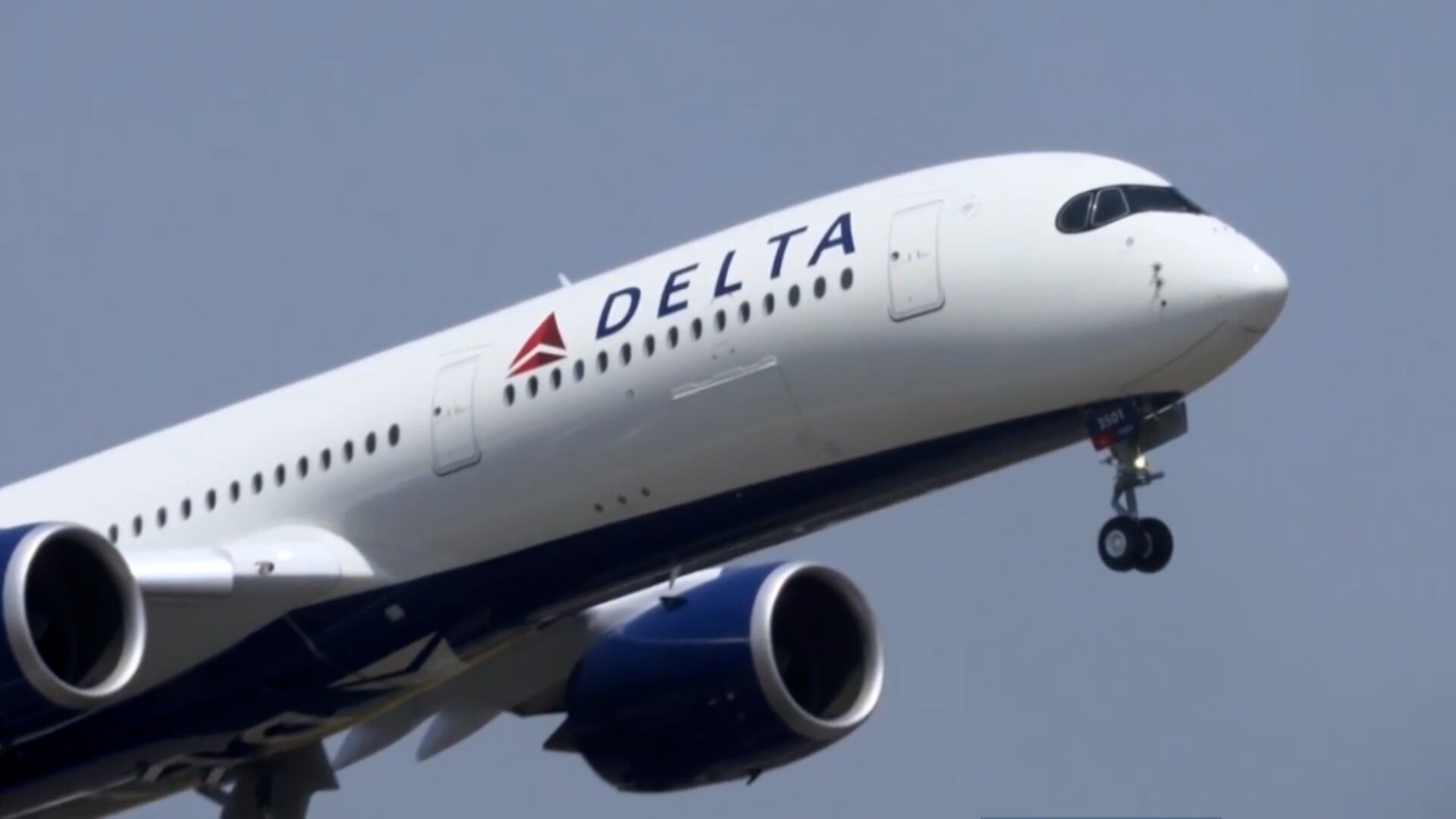
In case you needed yet another incentive to cram all your travel items into a carry-on, Delta Airlines has just boosted the cost of your first checked bag by 17 percent.
Lawmakers in at least seven states are taking big legislative swings to regulate bias in artificial intelligence.
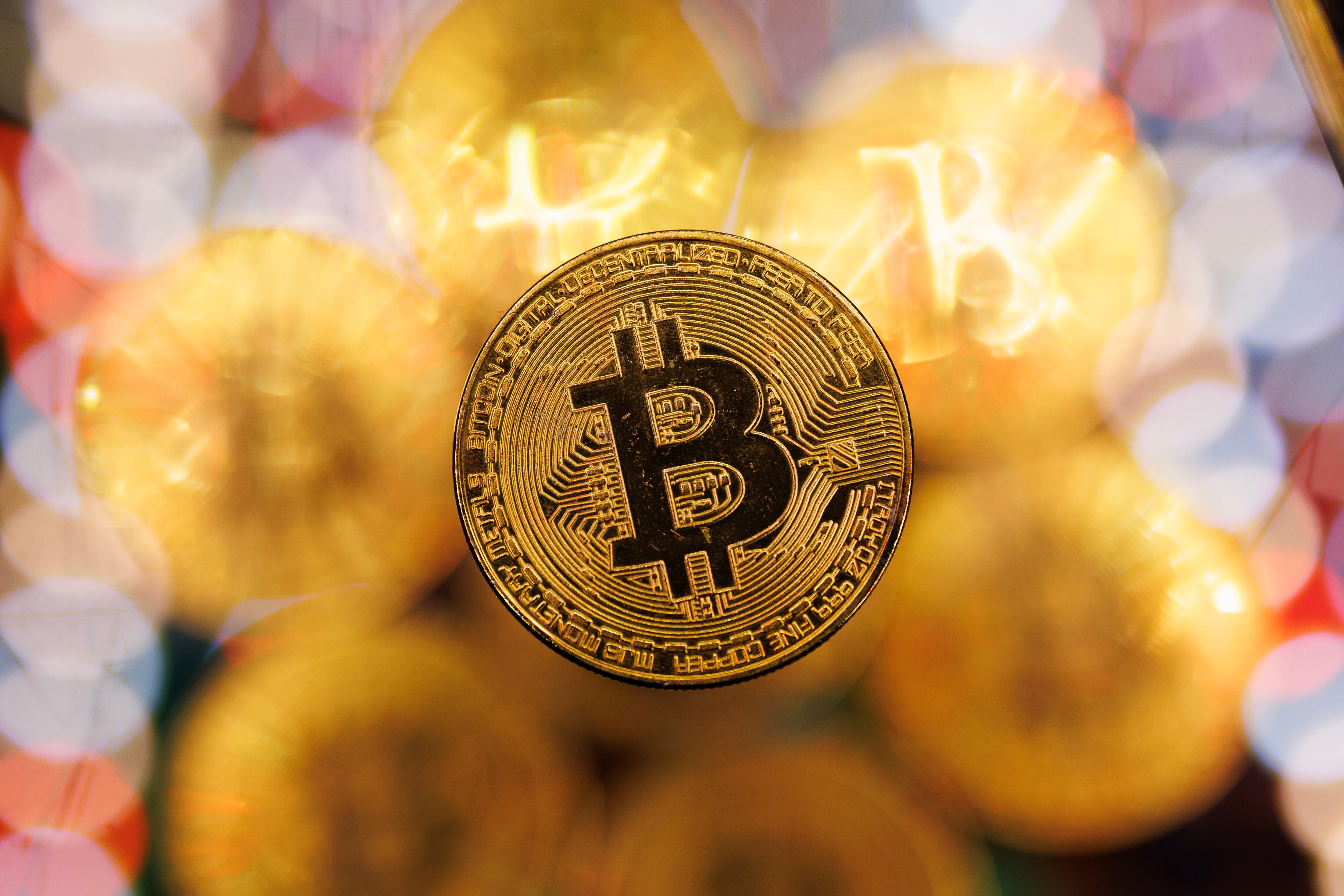
Spot Bitcoin ETF glee and pre-halving hype combined to top the cryptocurrency's previous record from November 2021.
Spring has sprung! Time to tackle more than your garden.
Time for Kylie to get that cat?
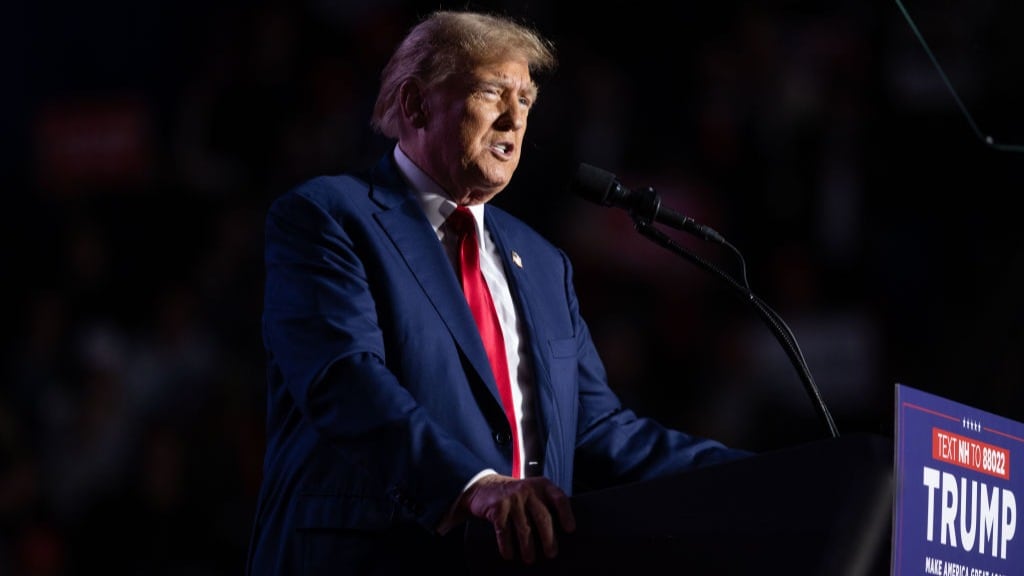
The U.S. Supreme Court unanimously decided Monday to restore former president Donald Trump to 2024 presidential primary ballots. The court Monday rejected state attempts to hold the Republican former president accountable for the Capitol riot.
With warmer days and holidays ahead, it’s time to start planning.
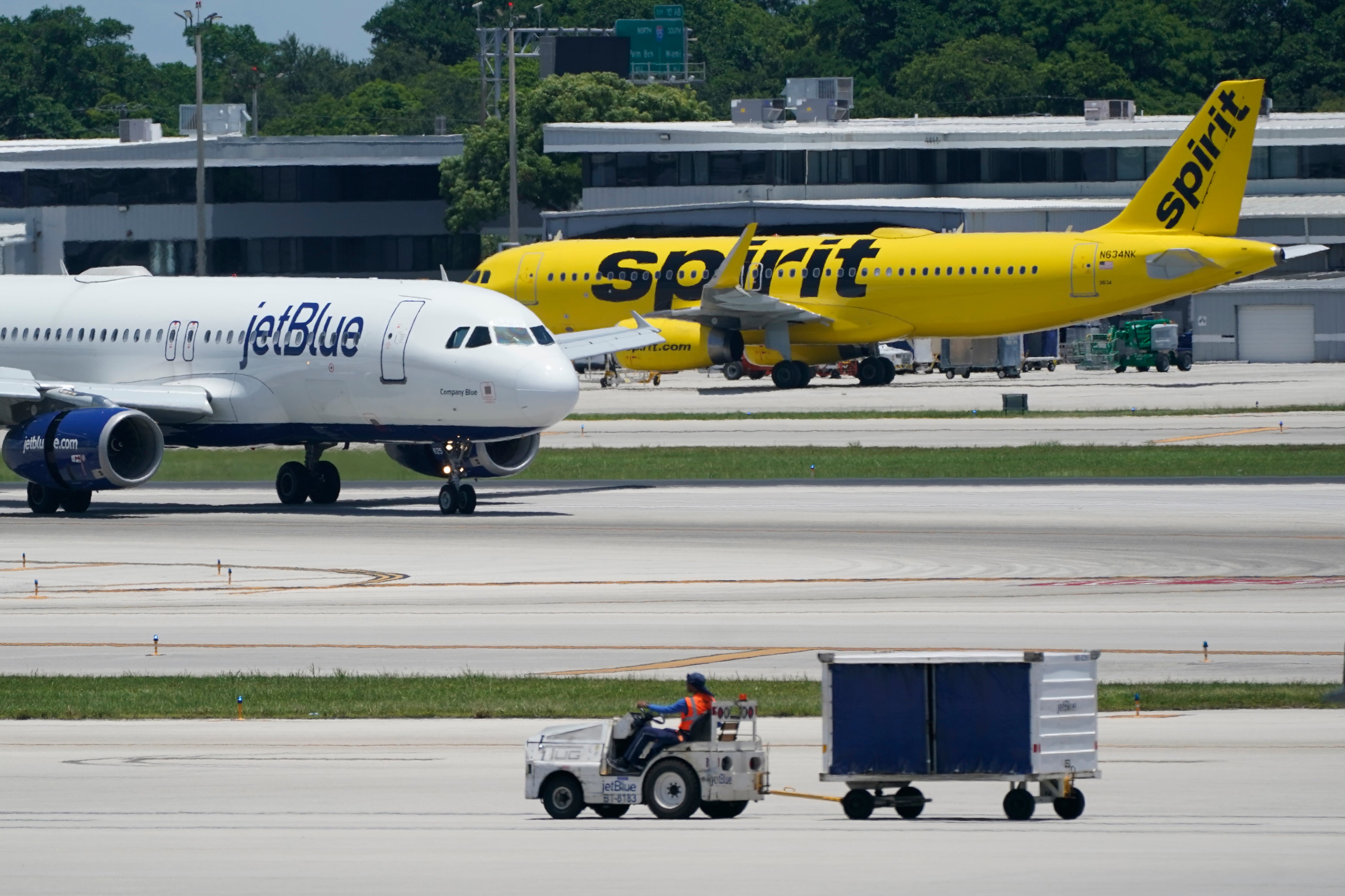
JetBlue and Spirit Airlines are ending their proposed $3.8 billion merger after a federal judge blocked the deal, ruling it would hurt competition.