The Biden administration is set to boost the health standards of meals provided in public schools across the U.S.
The plan is to reduce the amount of sugars, salt and fat used to prepare foods for meals like school lunch and breakfast. It's a similar plan to that of the Obama administration's Health, Hunger Free Kids Act, which required schools to provide more fruits, veggies, whole grains and fat free or low fat milks.
Agriculture Secretary Tom Vilsack said raising the nutritional standards of school meals is key to children's overall success.
"This is a national security imperative. It's a healthcare imperative for our children. It's an equity issue. It's an educational achievement issue. And it's an economic competitiveness issue," he said.
The new rules are set to roll out over the next several years with the hope that by 2024, 80 percent of grains in schools will be whole.
"School meals happen to be the meals with the highest nutritional value of any meal that children can get outside the home," Vislack said.
However, the plan to increase the health benefits of foods for youth is not universally shared. Advocates for the dairy industry say they are concerned. Some school officials also say the rolled back ingredients will limit which food menu options, which could ultimately push students toward less healthier options.
"Most districts allow students to leave campus. They'll be hitting the convenience stores, the fast-food restaurants," Michael Gasper, nutrition services supervisor for Holmen, Wisconsin school district, said.
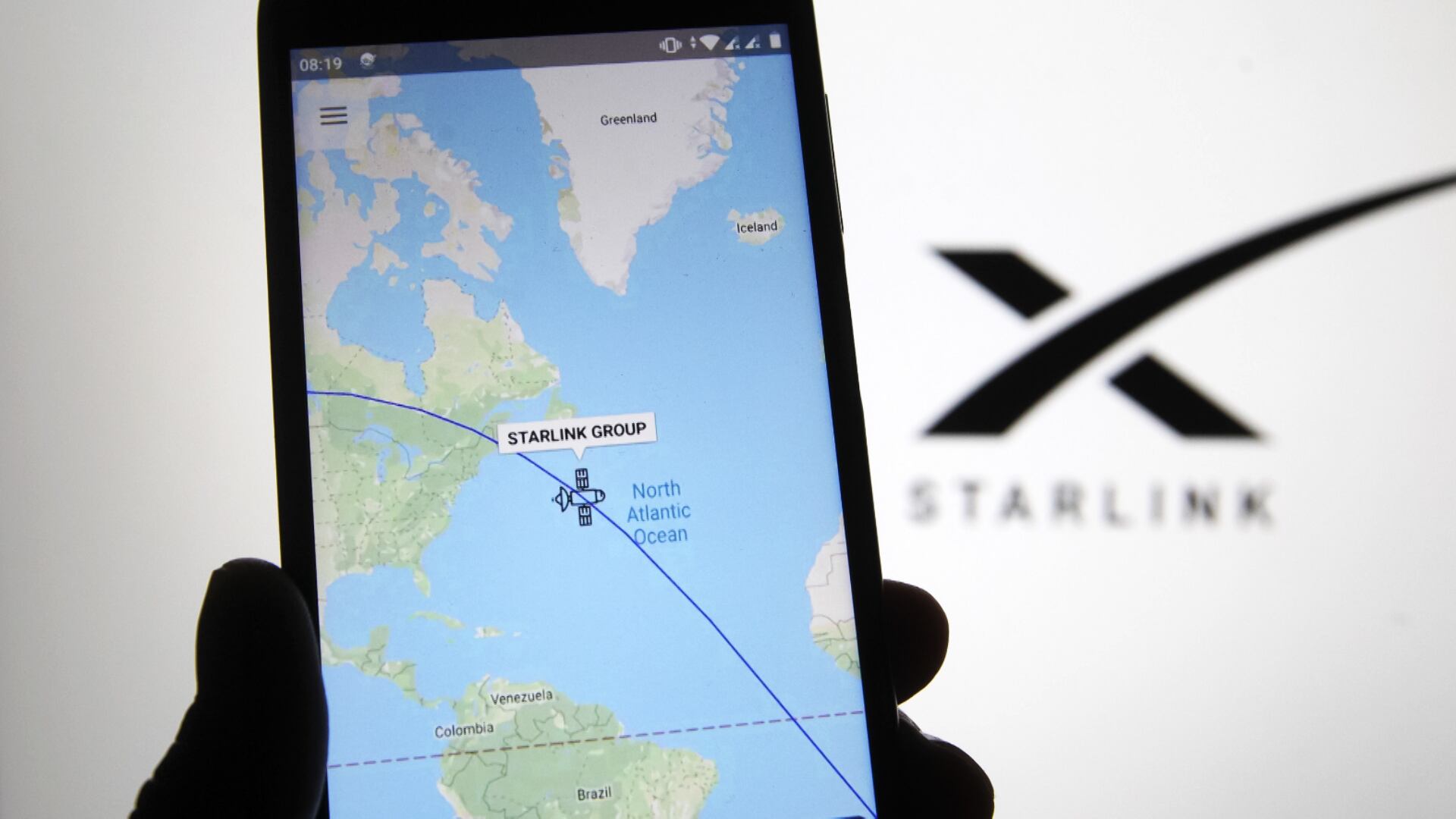
Amazon plans to launch its first prototype satellites for Project Kuiper, an internet-from-space venture, in 2022. It's the first major step in the e-commerce giant's plan to rival SpaceX by building a network of satellites in space, providing internet to rural, underserved communities around the world. Loren Grush, senior science reporter for the Verge, discusses the project and how it could transform internet access moving forward.
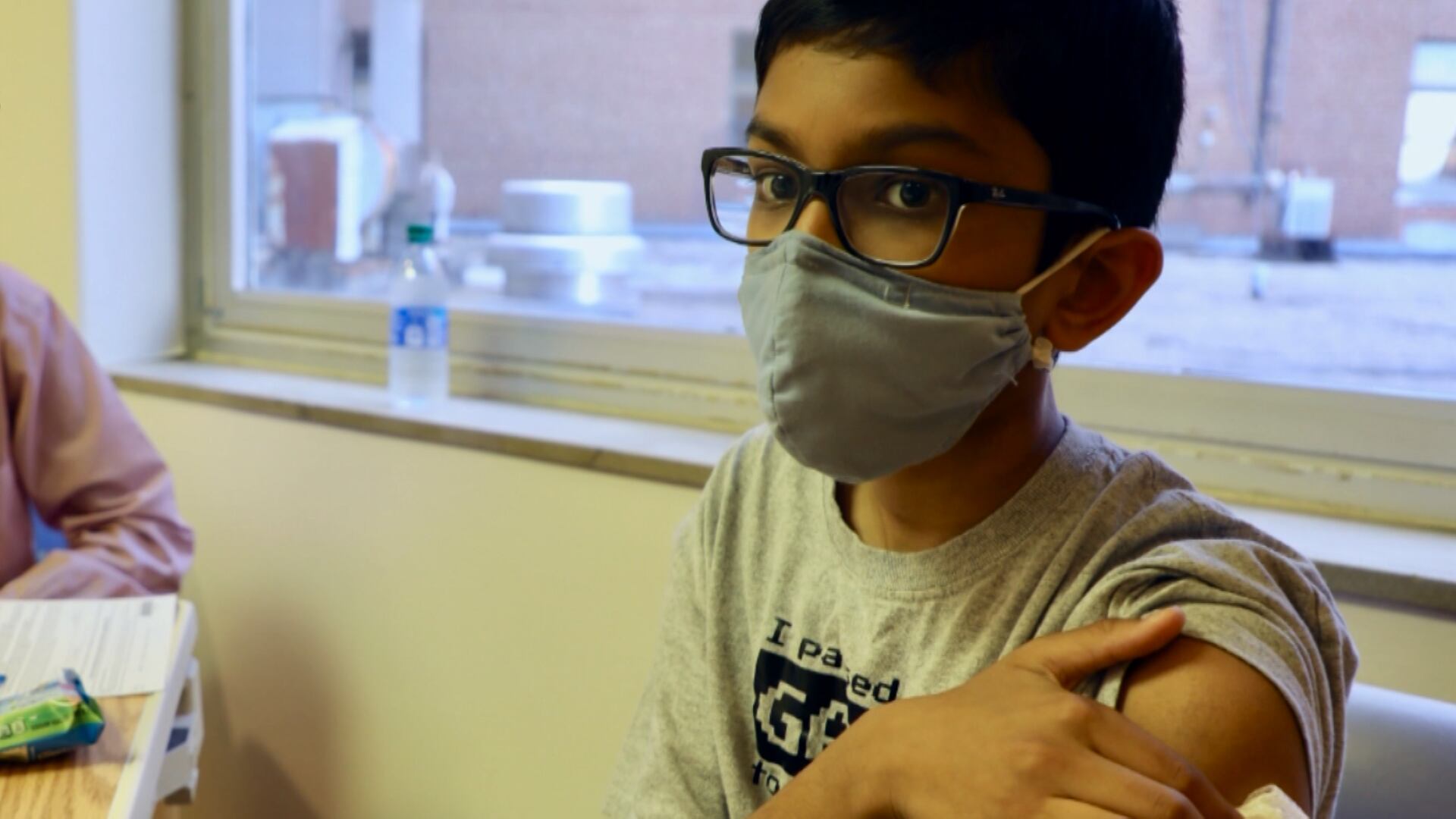
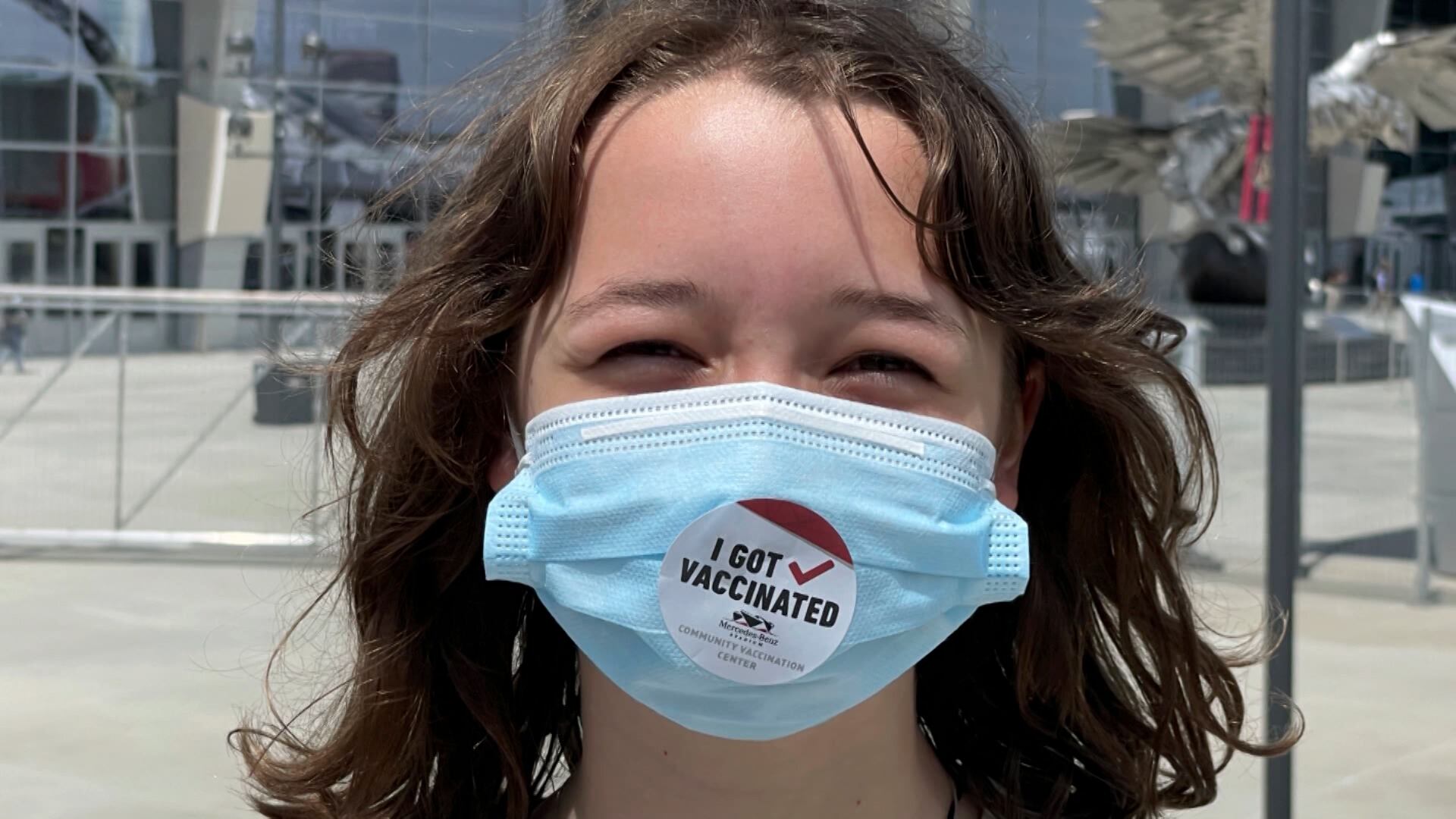
The FDA is assessing whether the Moderna vaccine can cause heart problems in adolescents. Professor Peter Pitts, founder of the Center for Medicine in the Public Interest and former FDA Associate Commissioner, discusses what the FDA is looking into and what it means for the millions of kids yet to be vaccinated.
Pfizer posted an earnings beat in its third quarter, with revenue soaring over 134% thanks to solid Covid-19 vaccine sales. Pfizer also raised its outlook for the full-year, expecting revenue to surpass $80 billion. Peter Andersen, CEO & founder of Andersen Capital Management, joined Cheddar Movers to discuss.
Cheddar gets a look at Curiosity Stream's 'Ancient Oceans'; Deep-sea biologist Heather Bracken-Grissom sheds light on some of the monsters that we can and cannot explain lurking in the darkness of the ocean's depths; Tim Janssen, CEO of Sofar Ocean, discusses Sofar Ocean's latest round of Series B funding, and how Sofar Ocean is helping connect all five oceans to help everything from climate change to the global shipping industry.
Tim Janssen, CEO of Sofar Ocean, joins 'Cheddar Reveals' to discuss Sofar Ocean's latest round of Series B funding, and how Sofar Ocean is helping connect all five oceans to help everything from climate change to the global shipping industry.
Deep-sea biologist Heather Bracken-Grissom joins 'Cheddar Reveals' to shed light on some of the monsters that we can and cannot explain lurking in the darkness of the ocean's depths.
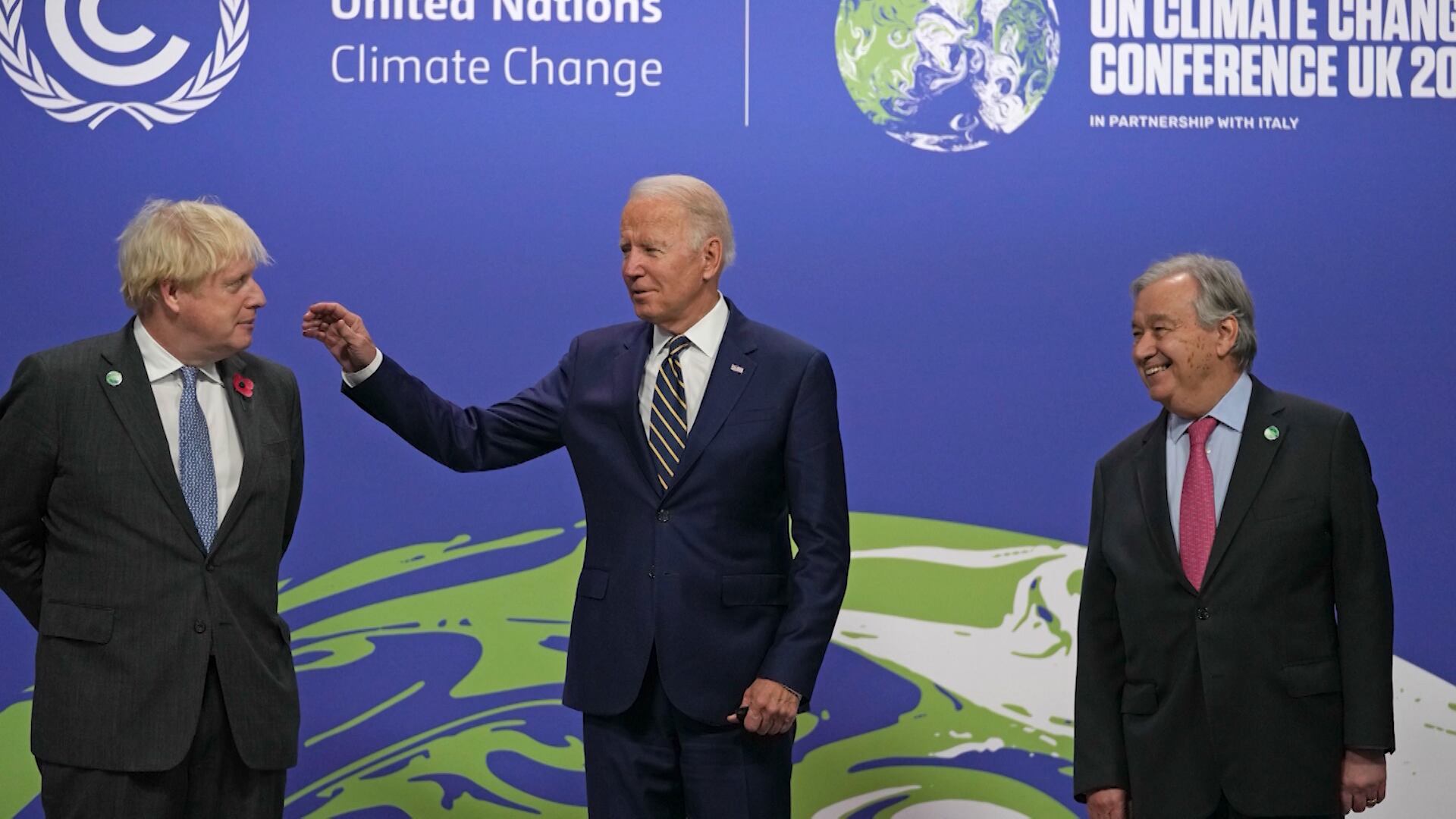
Leaders around the world have come together to discuss plans to bring action towards the Paris Agreement along with solutions on how to solve the evolving climate change crisis at the COP26 Summit. President and CEO of Center for International Environmental Law Carroll Muffett, joined Cheddar to discuss more.
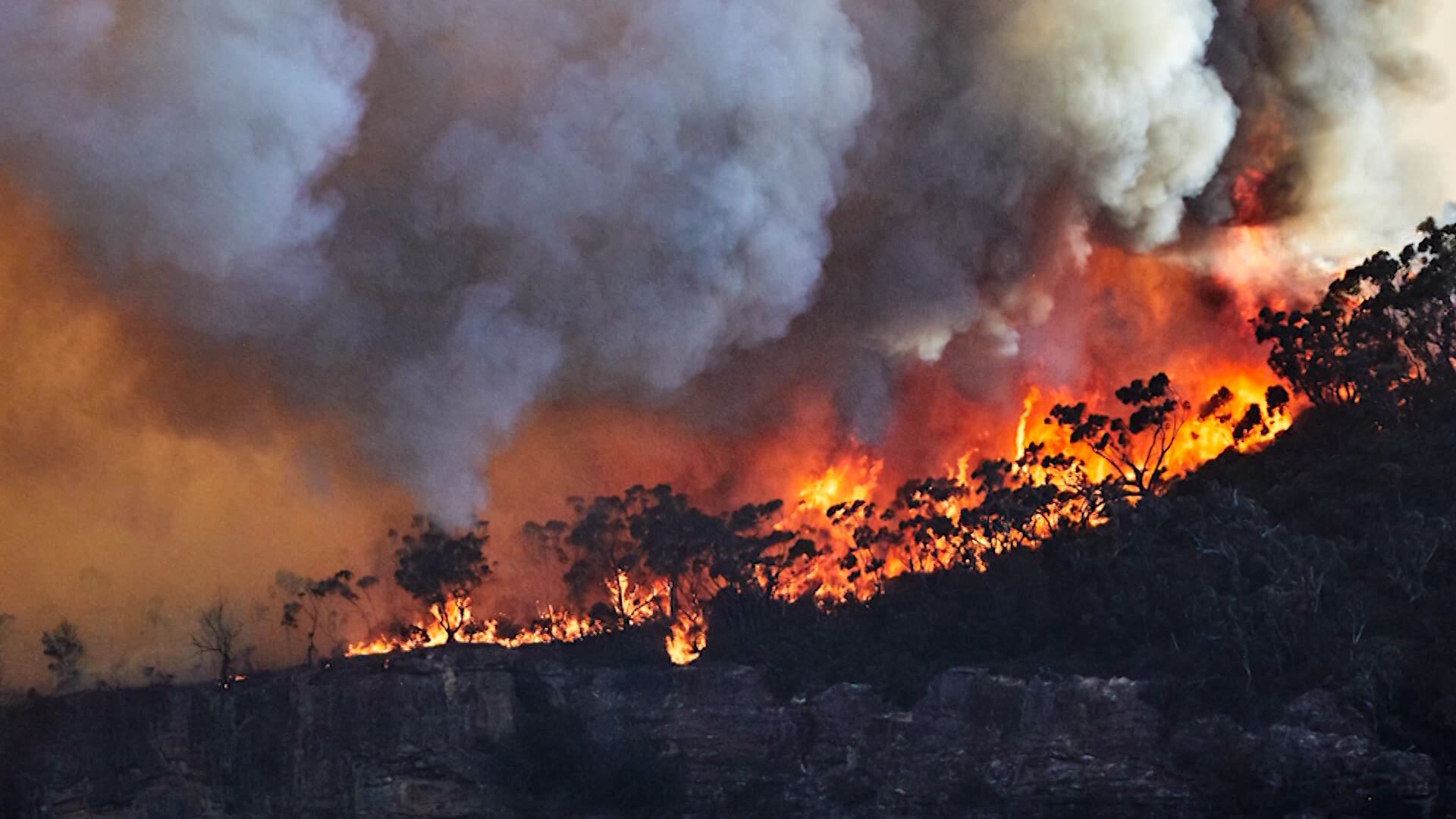
Rachel Cleetus, the policy director and lead economist of the climate and energy program for the Union of Concerned Scientists, joined Cheddar to break down some of the key goals from the COP26 summit and why leaders must focus on the science of climate change instead of getting bogged down by petty politics and the fossil fuel industry. "The main thing they have to do, make sure we're cutting our emissions sharply within this decade because the science shows that we have to cut global emissions in half by 2030 if we're going to meet our goals of averting some of the most catastrophic impacts of climate change," she said.
Coastal cities around the world are grappling with sea level rise. And building a seawall? Not so fast. While a sea wall can be effective in certain scenarios, it can make the effects of sea level rise worse. That’s why municipalities are looking into creative alternatives.