WASHINGTON (AP) — A legislative package to end the government shutdown appears on track Monday after a handful of Senate Democrats joined with Republicans to break the impasse in what has become a deepening disruption of federal programs and services, the longest in history.
What’s in and out of the bipartisan deal drew sharp criticism and leaves few senators fully satisfied. The legislation provides funding to reopen the government, including for SNAP food aid and other programs, while also ensuring backpay for furloughed federal workers the Trump administration had left in doubt.
But notably lacking is any clear resolution to expiring health care subsidies that Democrats have been fighting for as millions of Americans stare down rising insurance premiums. That debate was pushed off for a vote next month, weeks before the subsidies are set to expire.
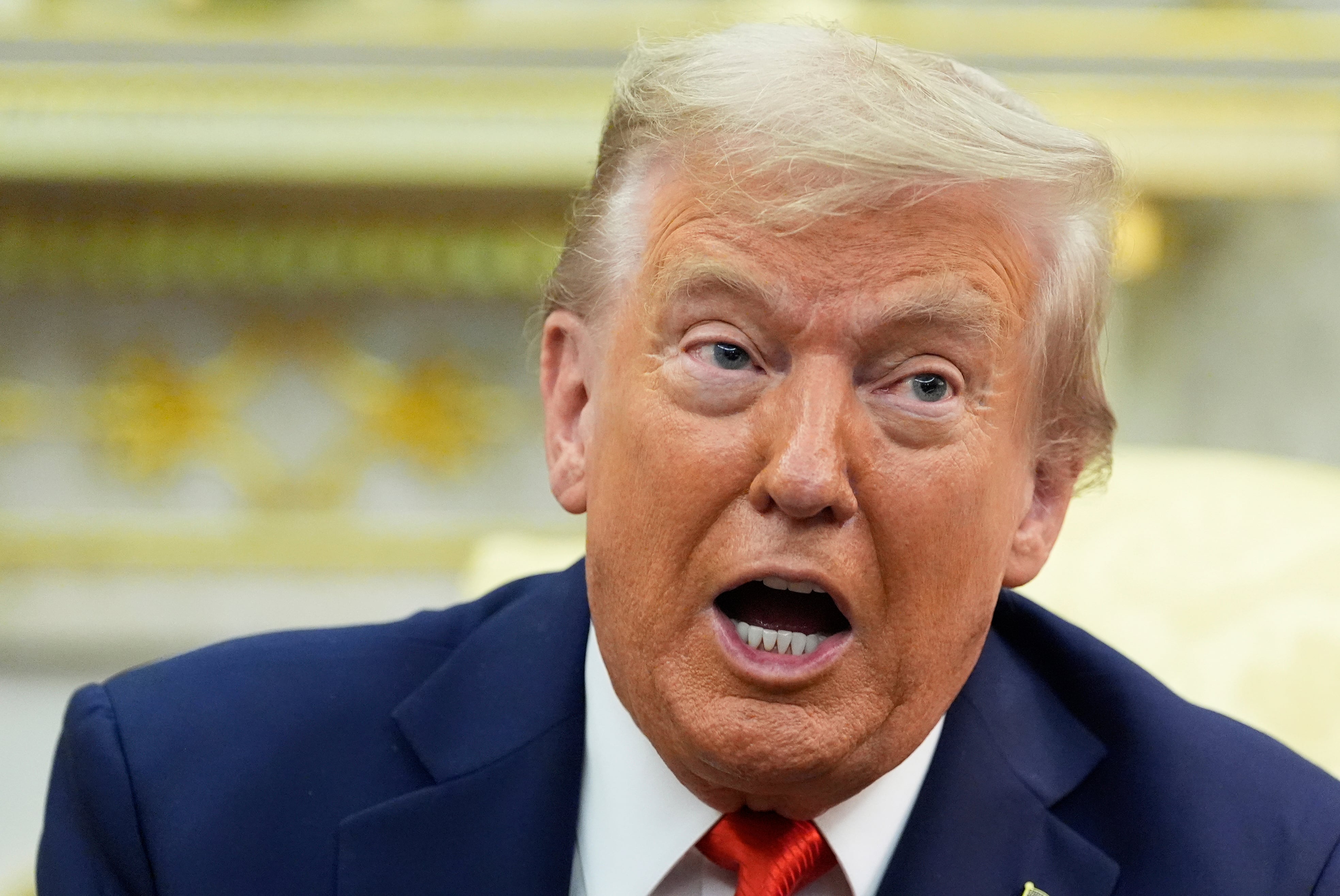
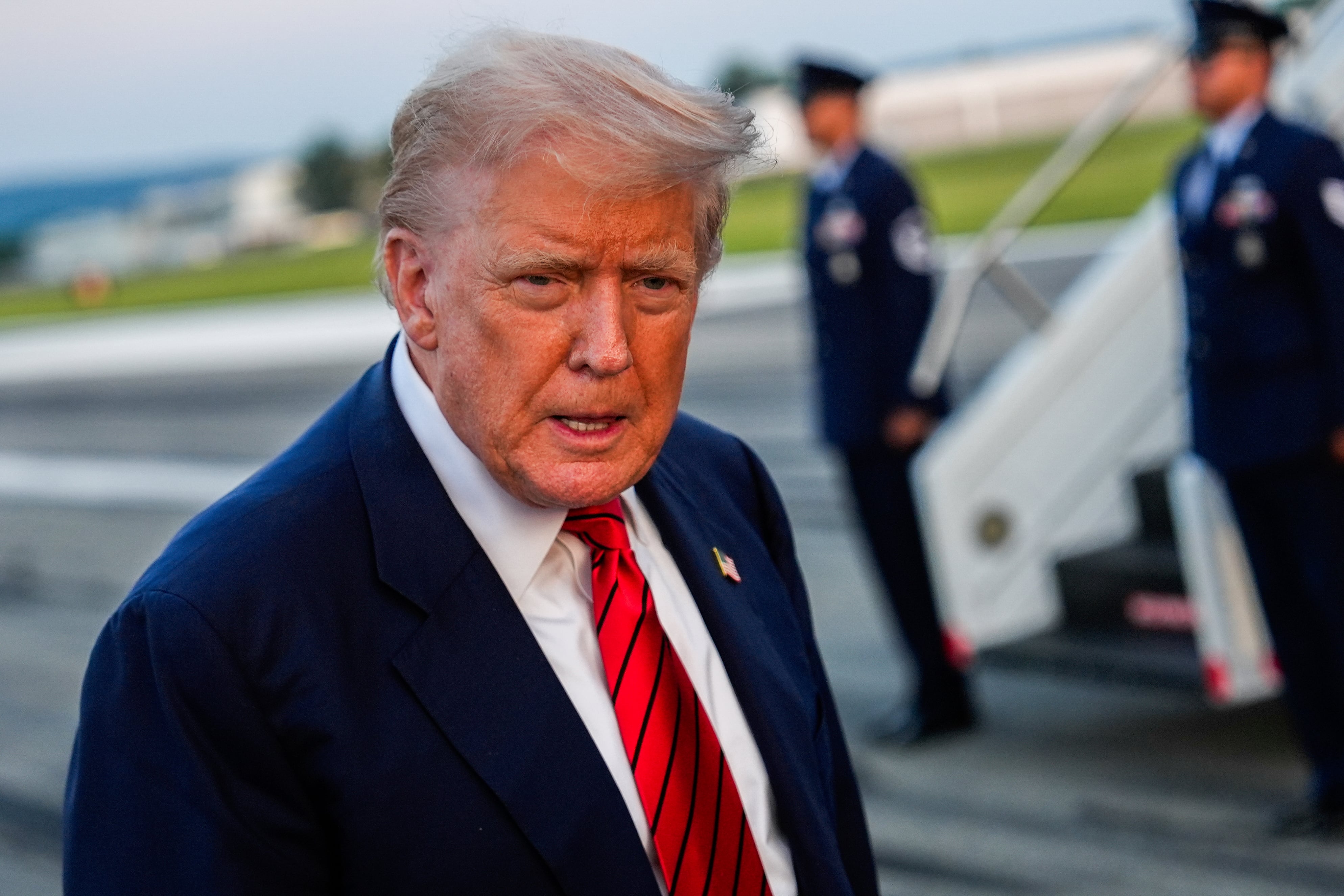
President Donald Trump noted the deal as he arrived at the White House after watching the Washington Commanders’ game on Sunday evening against the Detroit Lions, on the 40th day of the funding lapse. “It looks like we’re getting close to the shutdown ending,” he said.
The Senate could wrap up passage as soon as Monday. The bill cleared a procedural hurdle, 60-40, late Sunday, with eight Democrats joining most Republicans. In a rare dissent, Senate Democratic Leader Chuck Schumer of New York voted against because it failed to fully address the health care funds.
It would next go to the House, where lawmakers have been away since September but were being told to prepare to return to Washington this week. Then, it’s to Trump’s desk for his signature.
Here’s a look at the deal as it’s moving through Congress:
Funding to reopen the government, for now
Included is funding to keep much of the federal government running for the next couple of months, to Jan. 30, with a stopgap measure. It largely funds government operations at their current rates.
Yet in a breakthrough for what’s considered a more normal appropriations process, the package also includes several bills to fully fund other government operations including agricultural programs and military construction along with veterans’ affairs for the full fiscal year, through September 2026.
Additionally, the package ensures states would be reimbursed for money they spent to keep the Supplemental Nutrition Assistance Program, known as SNAP, and the Women, Infants and Children program, or WIC, running during the shutdown.
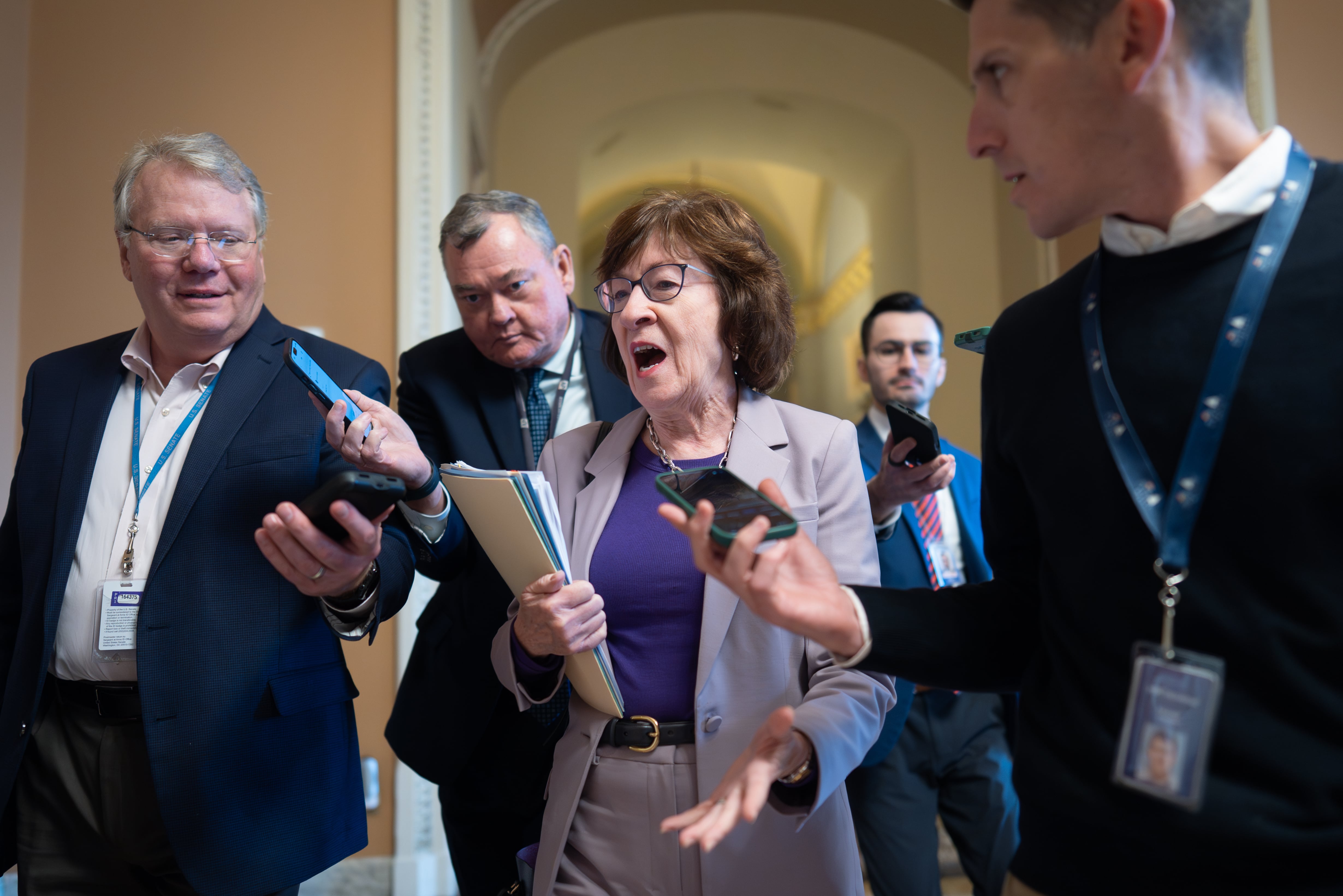
Republican Sen. Susan Collins of Maine, the chair of the Appropriations Committee, said she was “relieved.”
“This shutdown has gone on far too long,” she said. ”And I also think it’s highly significant that we’ll have three yearlong appropriations bills attached. Veterans Day is coming very soon, and it would be wonderful if we get the full-year Veterans Affairs bill signed into law.”
Health care funding still up for debate
The Democrats failed to secure their main demand during the shutdown, which was an extension of the health care subsidies that many of the 24 million people who buy insurance through the Affordable Care Act rely on to help defray costs.
Instead, the package guarantees a vote on the issue in December — which was not enough for most of the Democrats, who rejected the deal and voted against it.
“The American people want us to stand and fight for health care,” said Sen. Elizabeth Warren, D-Mass.
Federal workers get a reprieve
The package seeks to roll back some of the Trump administration’s shutdown-related hits to the federal workforce. Employees have faced repeated threats of firings and mass layoffs this year.
The stopgap measure reinstates federal workers who had received reductions in force, or layoff, notices and protects against such future actions.
It also would provide back pay for federal workers who were furloughed or working without pay during the shutdown — something that’s traditionally provided but that the Trump administration had threatened was not guaranteed.
Getting the bill to the president’s desk
Political and procedural hurdles remain as Congress, which is controlled by Republicans, slogs through more voting and the shutdown entered its 41st day Monday.
Senators hope to skip past a series of steps that could drag voting out all week if the dissenters put up a prolonged fight.
One Republican, Sen. Rand Paul of Kentucky, voted against advancing the package Sunday, and he is said to have concerns over a hemp industry provision. And three ultra-conservative GOP senators held up voting for more than two hours as they demanded consideration of their ideas. It is unclear if any of them plans to stage further protests.
Democrats, who have fought for the past month in their hopes of preserving the health care subsidies, also could delay final passage, and their next steps are uncertain.
And the package faces fresh scrutiny once it goes to the House, where Speaker Mike Johnson of Louisiana holds a slim GOP majority and would likely need almost all Republicans to support the bill in the face of objections from Democrats who are holding out for the health care funds.
House Democratic Leader Hakeem Jeffries of New York said the party will fight the bill, forcing the Republicans in the House to pass it largely on their own.
“We will not support spending legislation advanced by Senate Republicans that fails to extend the Affordable Care Act tax credits” Jeffries said. “Donald Trump and the Republican Party own the toxic mess they have created.”