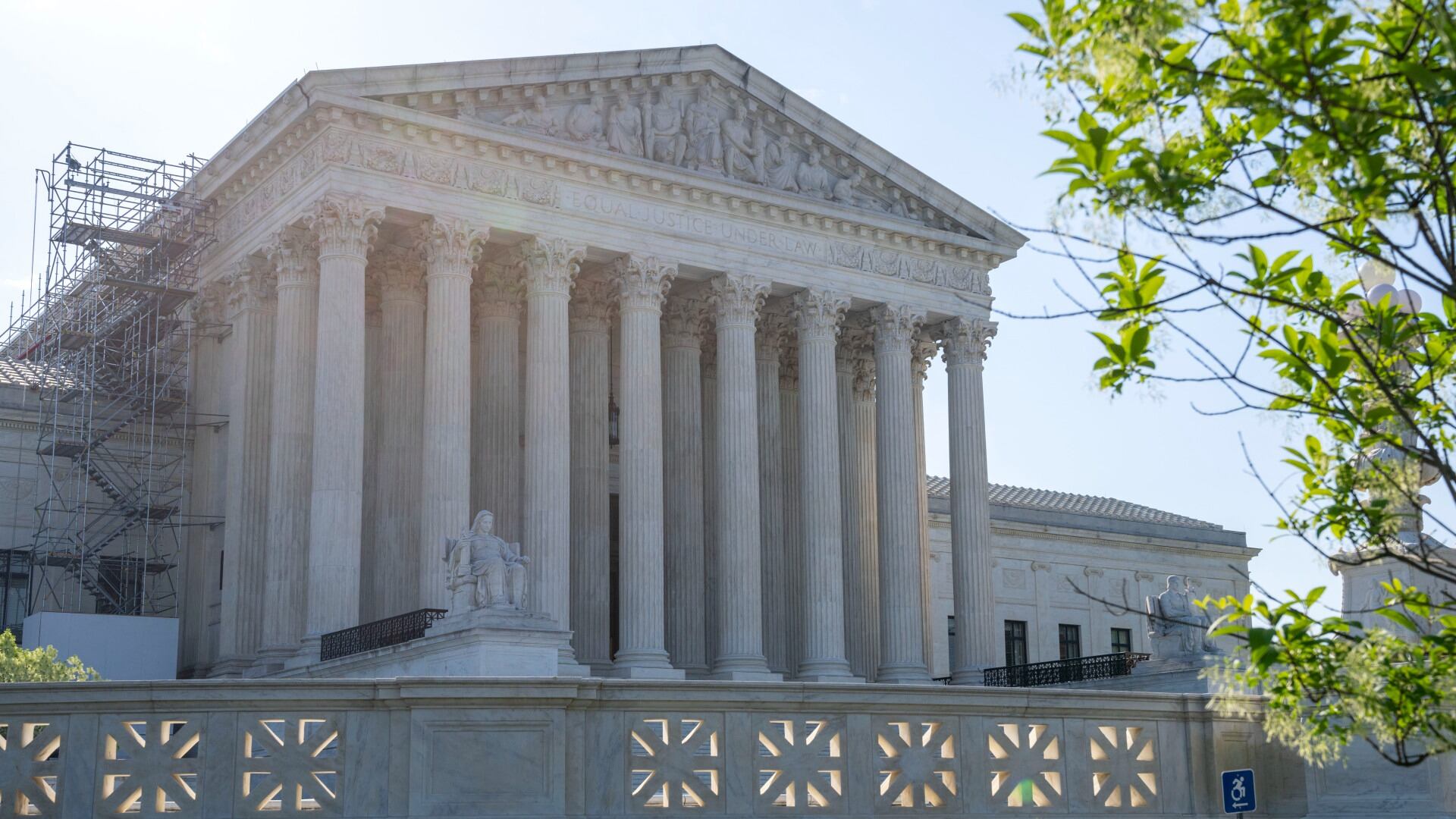
President Joe Biden's plan to wipe thousands of dollars in student loan debt for millions of Americans will be at stake as the Supreme Court is set to hear arguments on Tuesday.
In August, the White House mapped out a roadmap to eliminate some debt for a swath of middle- and low-income Americans. Potentially, people making under $125,000 annually could have their student loans reduced by $10,000. Those who have received Pell Grant funds could have a total of $20,000 wiped off of their balance.
A national student loan repayment freeze had been enacted after President Donald Trump declared a national emergency at the start of the COVID-19 pandemic in March 2020. The freeze was then extended by Trump and Biden under the Higher Education Relief Opportunities for Students Act several times since.
An estimated 43 million Americans would benefit from the forgiveness plan if the court sides with the Biden administration. At least 26 million debt holders have already applied, with 16 million of them approved.
If the case is decided against the relief plan, borrowers would have 60 days after the decision to begin making payments — many of whom would be paying for the first time in three years. At the latest, payments could resume in August if a decision has not been reached by June 30.
The Supreme Court on Thursday preserved the system that gives preference to Native American families in foster care and adoption proceedings of Native children, rejecting a broad attack from some Republican-led states and white families who argued it is based on race.
The U.S. Department of Agriculture said Wednesday it hopes to weed out false or misleading animal-welfare claims on meat and poultry packaging with new guidance and testing.
New York City is paying to house newly-arrived migrants in hotel rooms. Cheddar News takes a closer look at one of the hotels, the Holiday Inn, which is housing about 15,000 migrants over the next 15 months.
We've been closely following the migrants that were sent to various cities across the United States. Now New York City is paying for hotel rooms for migrants who were sent there. Cheddar's own Ashley Mastronardi has a closer look at one of the hotels.
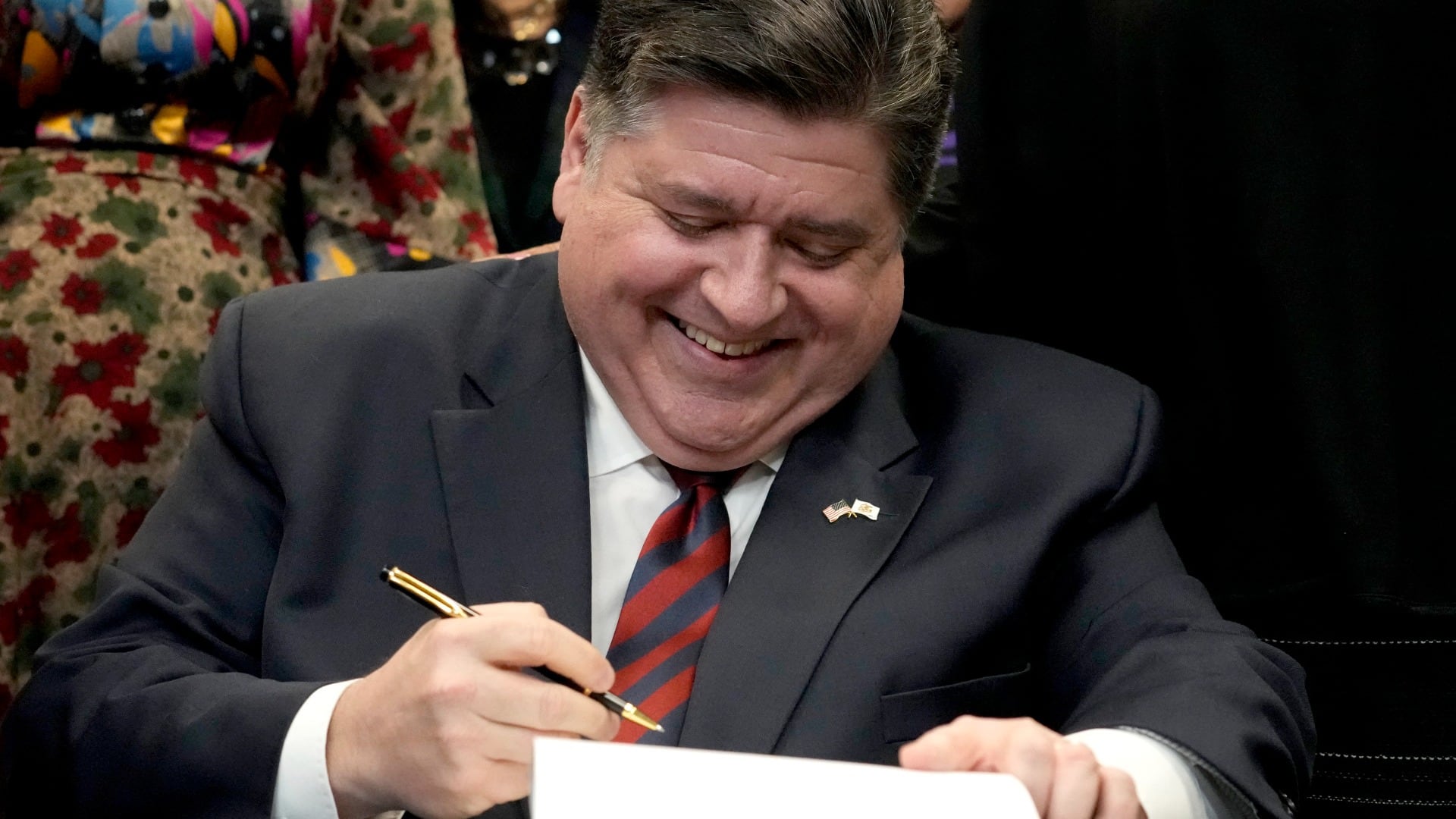
Illinois Governor J.B. Pritzker signed a bill that stops public schools and libraries from banning books.
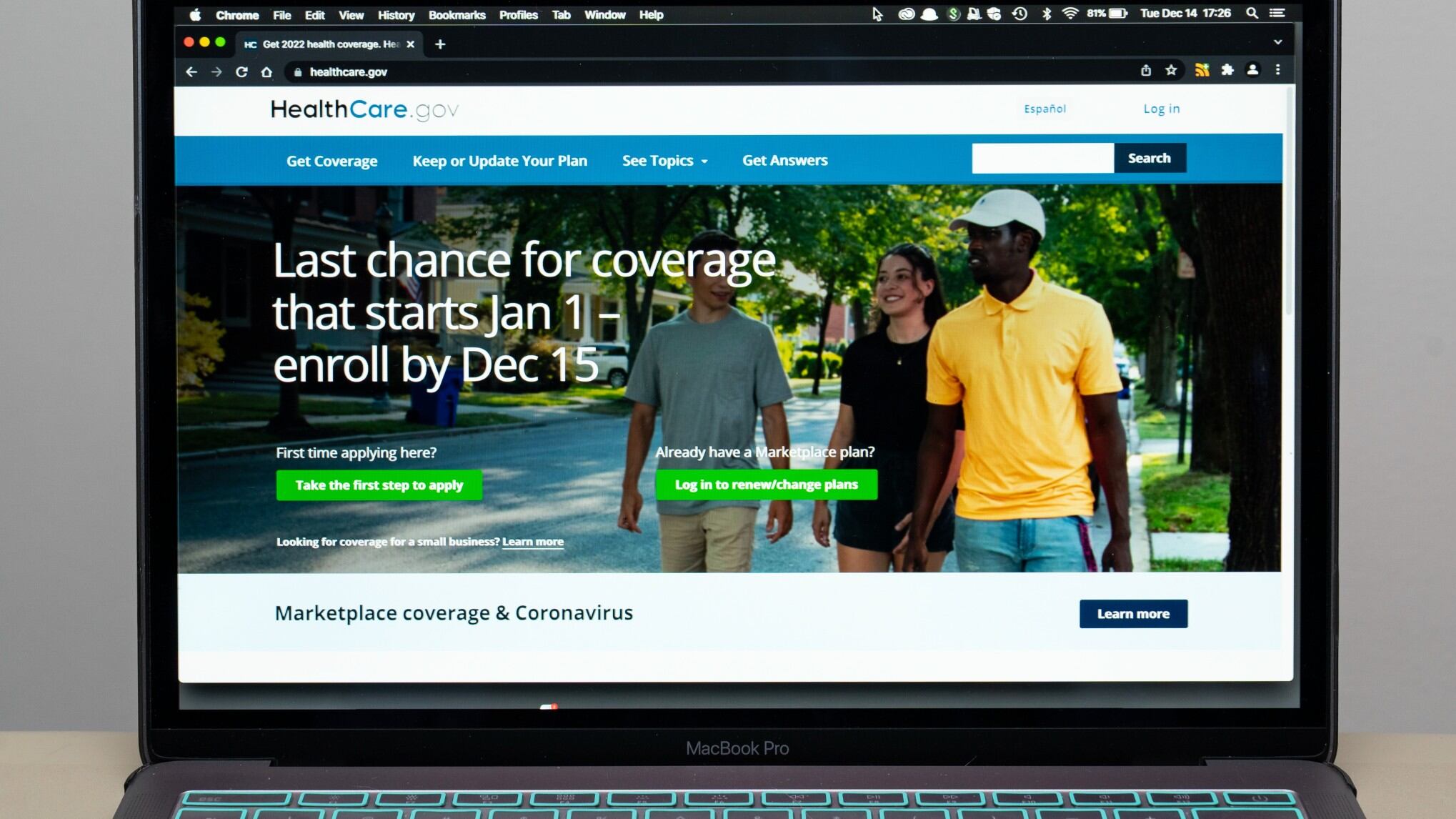
The Biden administration reached a deal to preserve a federal mandate requiring health insurers to cover preventive care at no extra cost for patients.
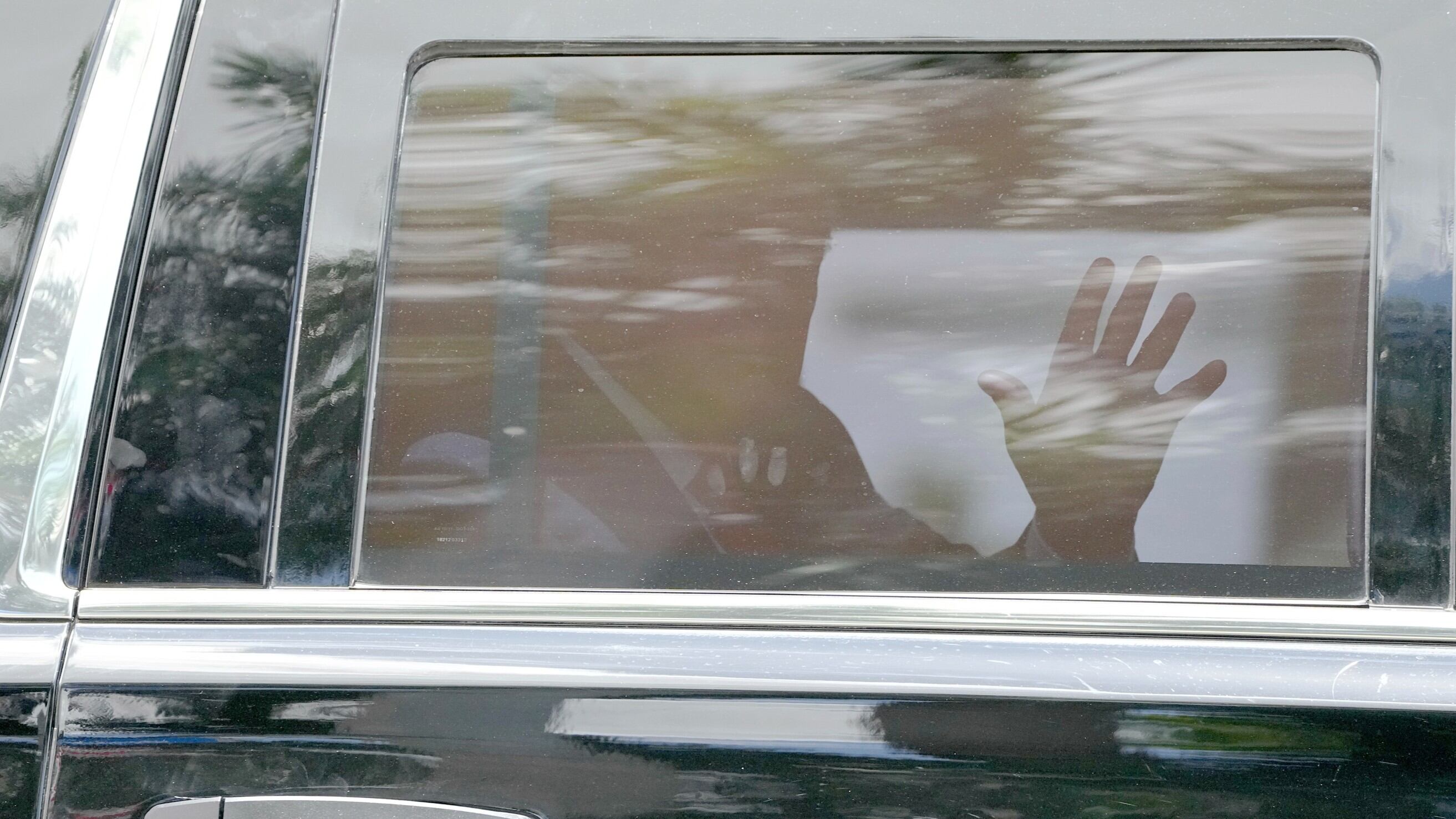
Former President Donald Trump arrives for his arraignment in Miami.
The government can keep enforcing “Obamacare” requirements that health insurance plans cover preventative care — such as HIV prevention, some types of cancer screenings and other illnesses — while a legal battle over the mandates plays out, under a court agreement approved Tuesday.
Two men who were active-duty members of the Marines Corps when they stormed the U.S. Capitol pleaded guilty on Monday to riot-related criminal charges.
The Human Rights Campaign, for the first time in its 40-year history, declared a state of emergency for the LGBTQ+ community as anti-LTBTQ+ sentiment is on the rise. Cheddar News explains.