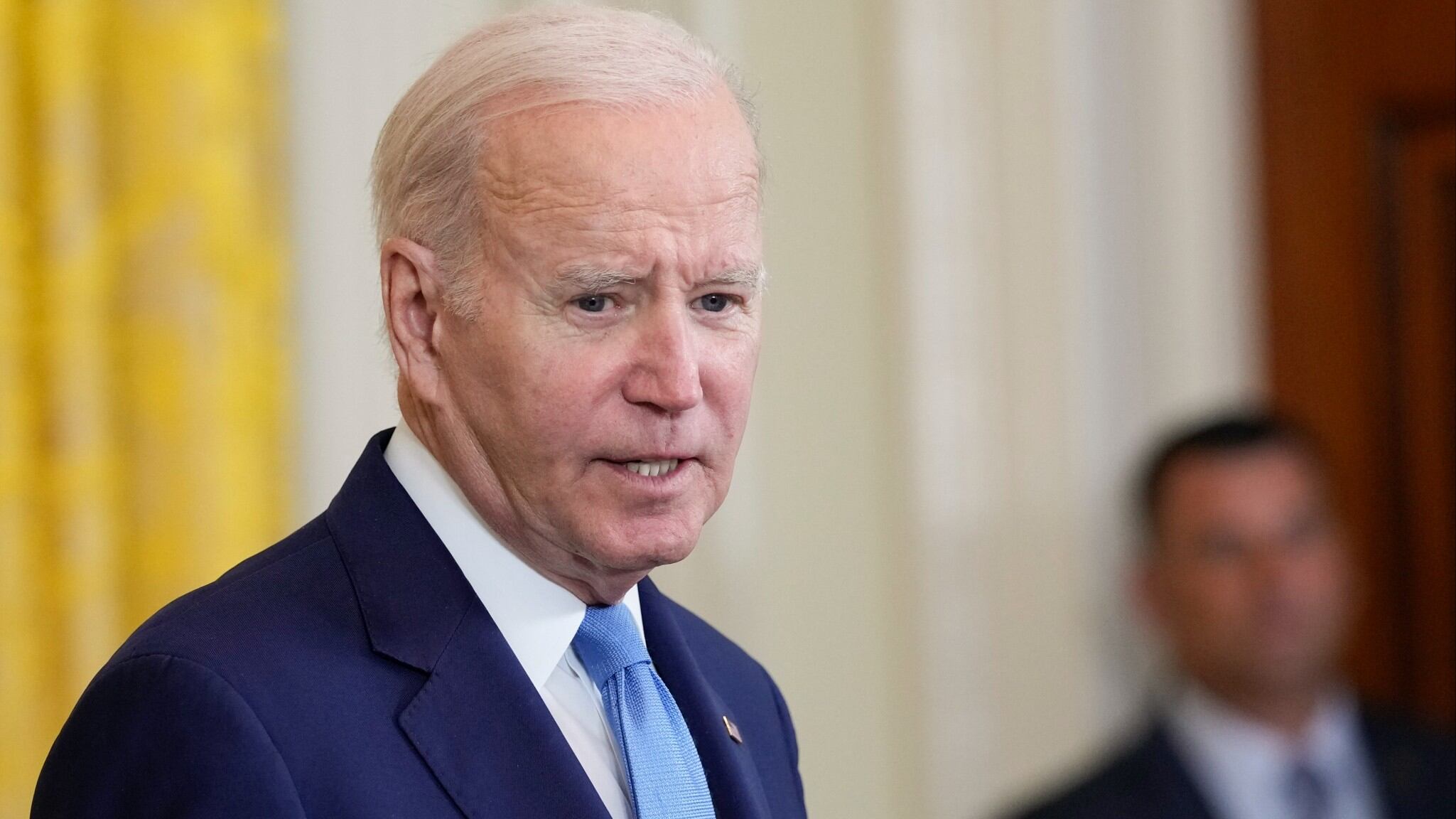
President Joe Biden's plan to wipe thousands of dollars in student loan debt for millions of Americans will be at stake as the Supreme Court is set to hear arguments on Tuesday.
In August, the White House mapped out a roadmap to eliminate some debt for a swath of middle- and low-income Americans. Potentially, people making under $125,000 annually could have their student loans reduced by $10,000. Those who have received Pell Grant funds could have a total of $20,000 wiped off of their balance.
A national student loan repayment freeze had been enacted after President Donald Trump declared a national emergency at the start of the COVID-19 pandemic in March 2020. The freeze was then extended by Trump and Biden under the Higher Education Relief Opportunities for Students Act several times since.
An estimated 43 million Americans would benefit from the forgiveness plan if the court sides with the Biden administration. At least 26 million debt holders have already applied, with 16 million of them approved.
If the case is decided against the relief plan, borrowers would have 60 days after the decision to begin making payments — many of whom would be paying for the first time in three years. At the latest, payments could resume in August if a decision has not been reached by June 30.
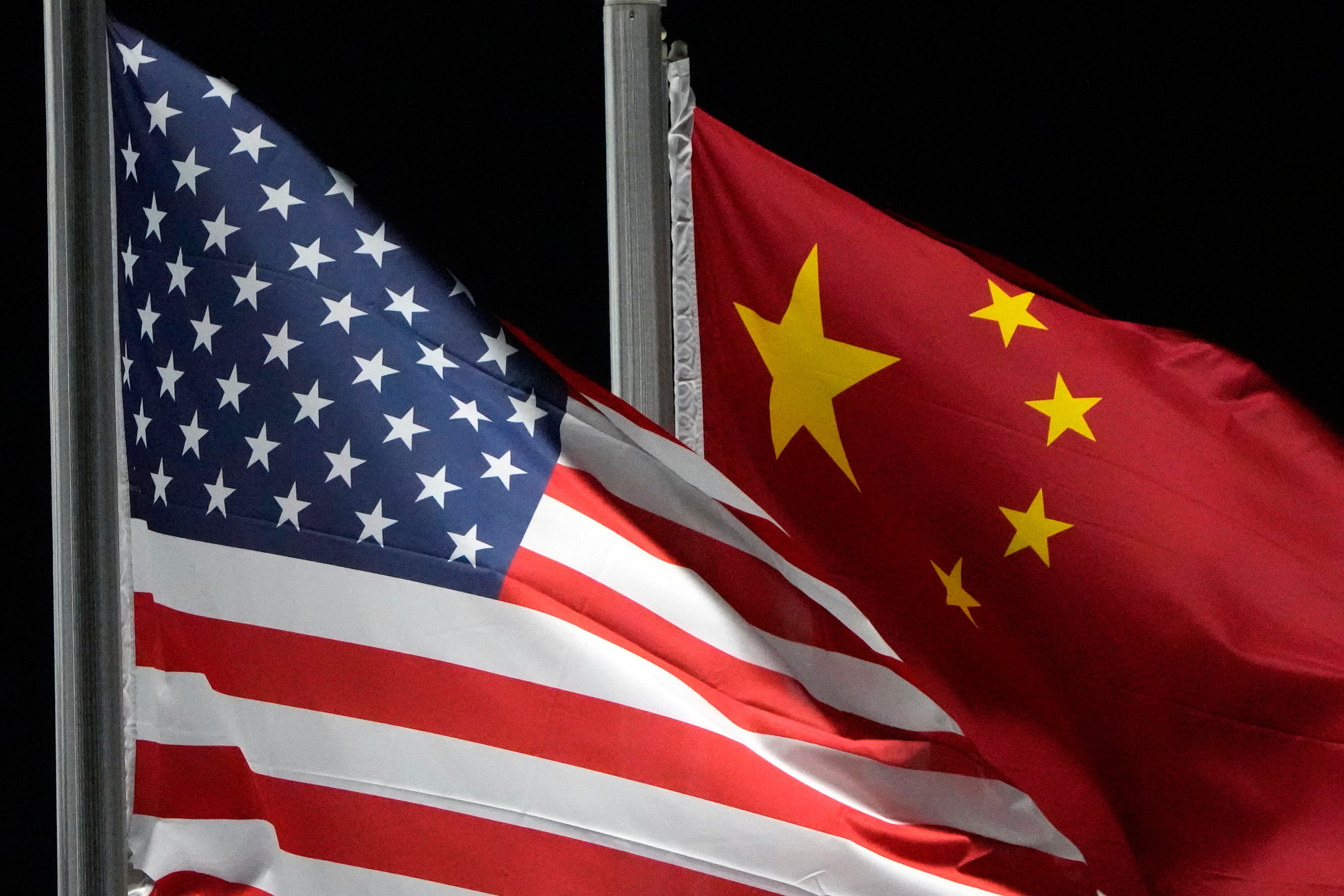
China has restricted exports of high-tech metals gallium and germanium, which are critical to making chips, in response to the U.S. blocking them from access to advanced chips.
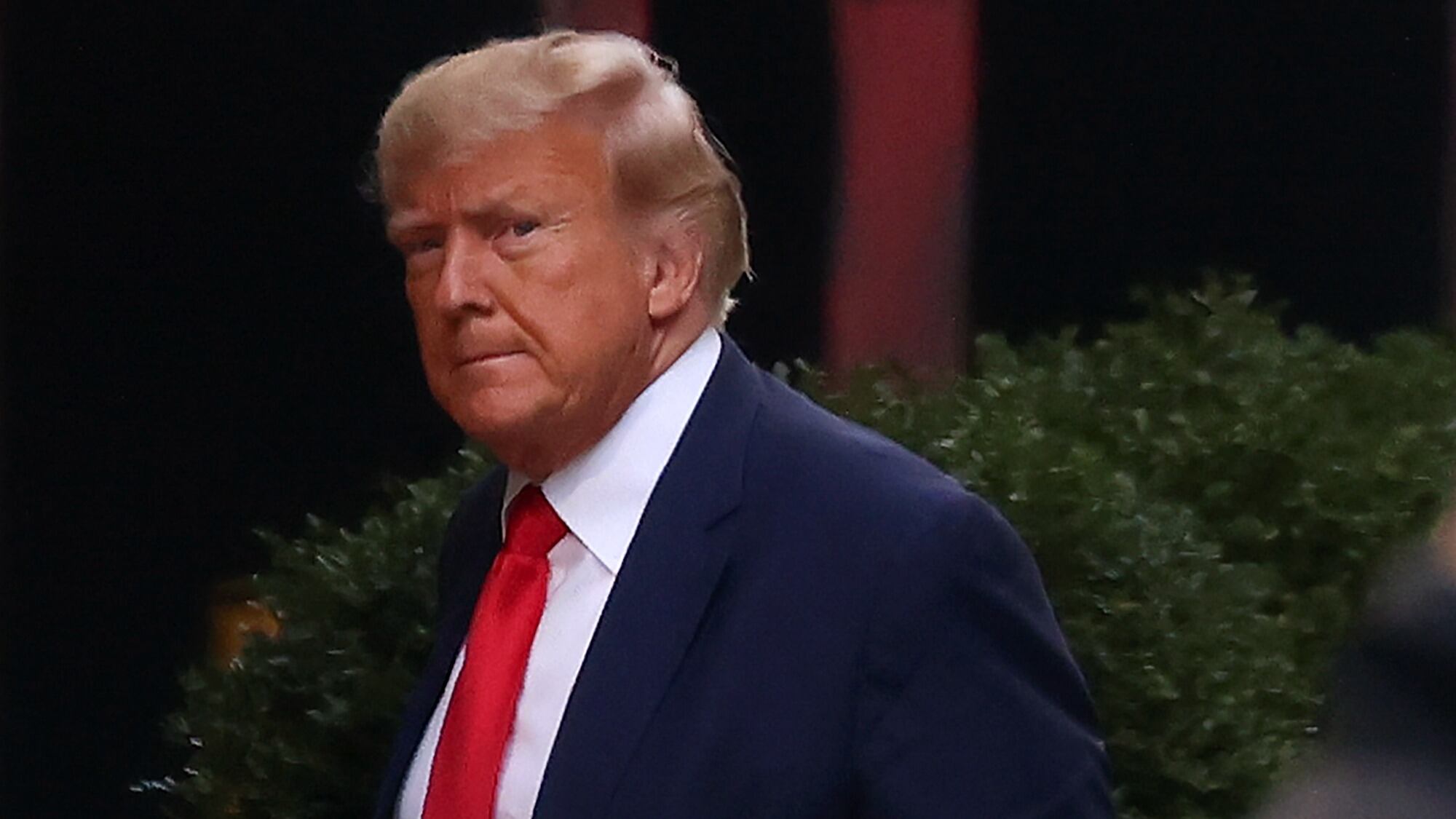
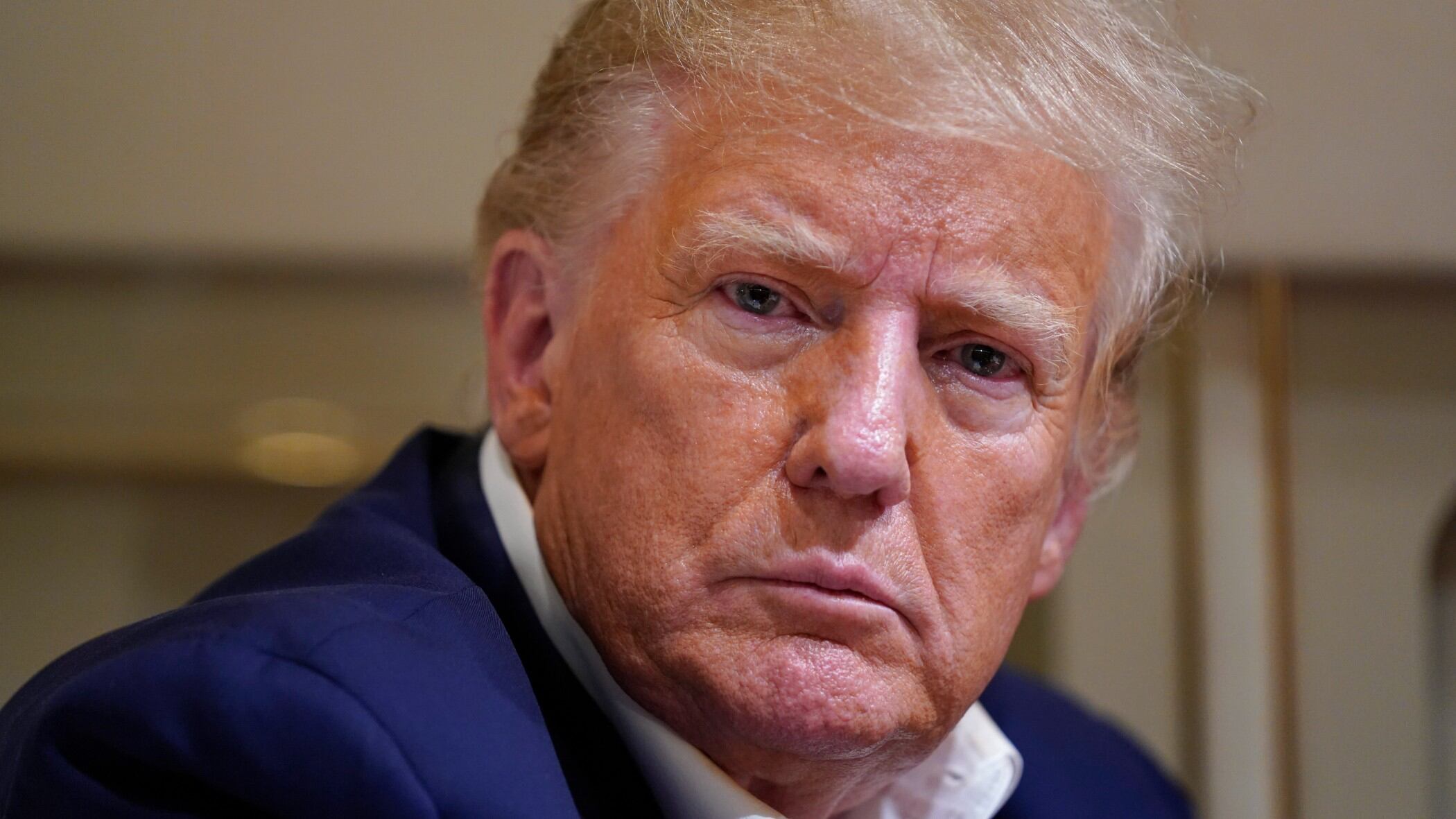
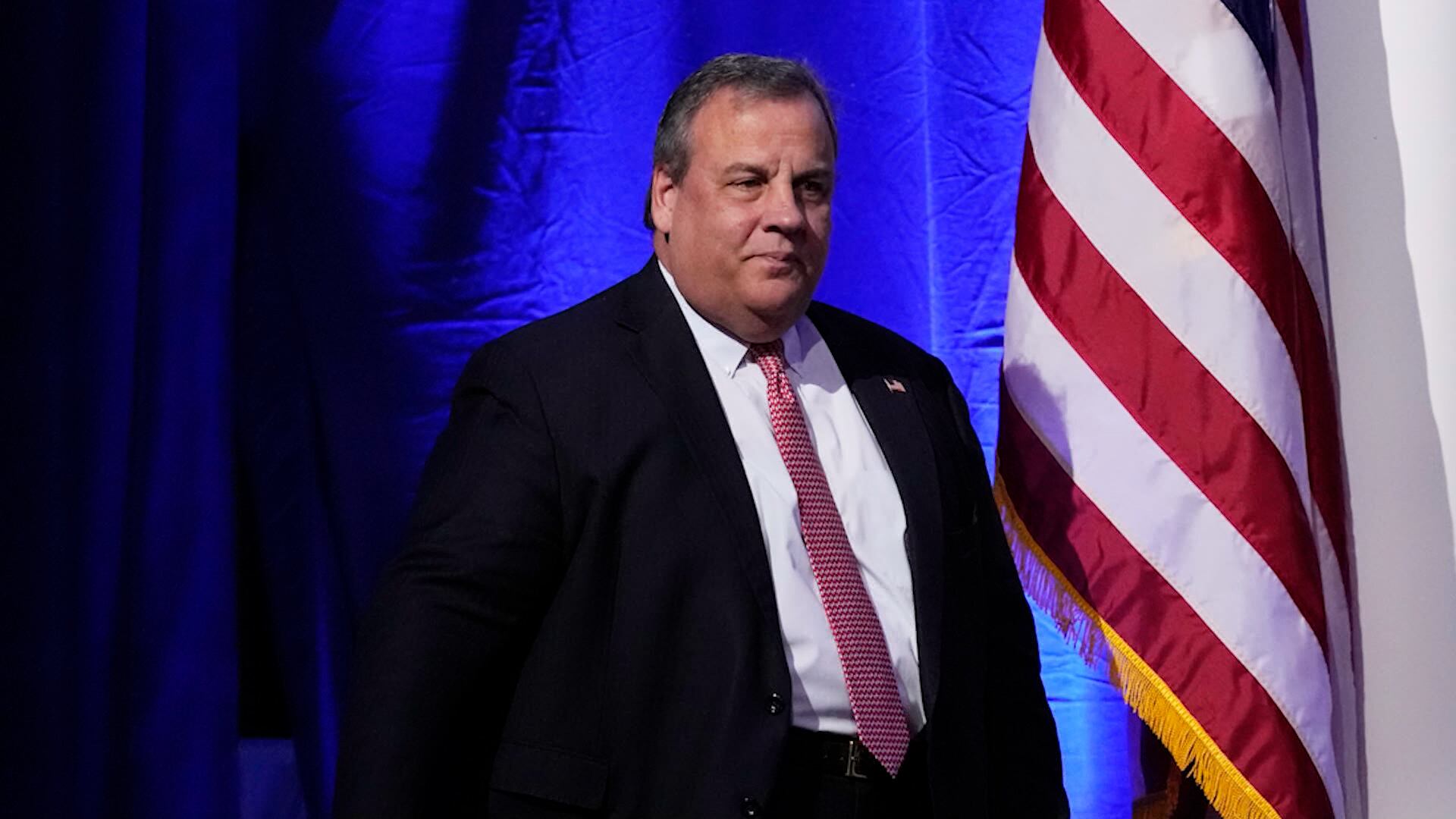
Former New Jersey Gov. Chris Christie said President Joe Biden and former President Donald Trump are "beyond their sell-by date" in an interview with The New York Times.
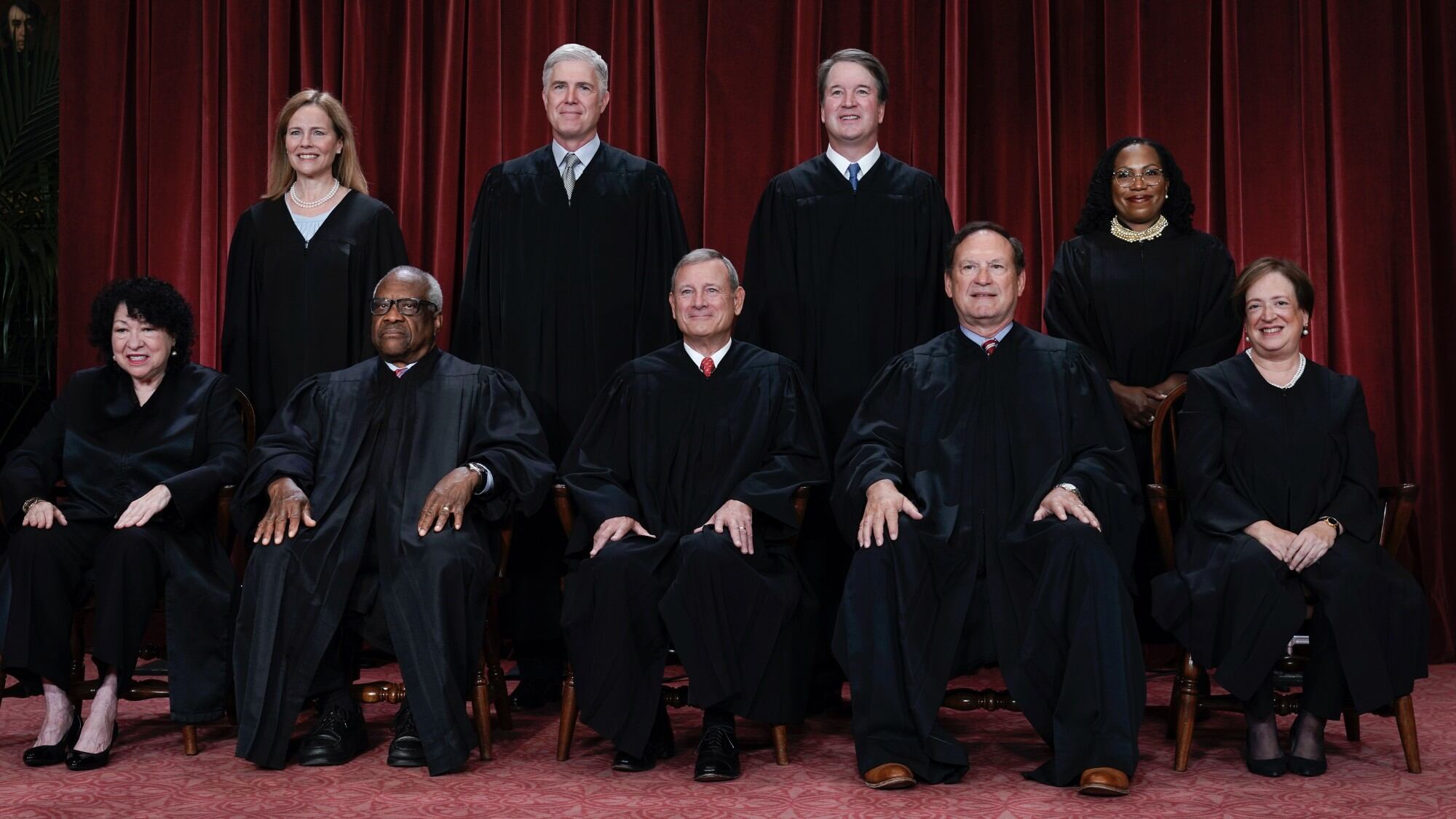
Overturning Roe v. Wade and eliminating affirmative action in higher education had been leading goals of the conservative legal movement for decades. In a span of 370 days, a Supreme Court reshaped by three justices nominated by President Donald Trump made both a reality.