Diet Coke’s decision to launch a slate of new flavors had some critics wondering if the company was heading for another “New Coke” disaster.
But one executive says Coca-Cola has learned from past mistakes.
“We’ve learned that when you have a great thing, you don’t mess with it,” Rafael Acevedo, the company’s North America group director, told Cheddar, pointing out that, unlike with the 1985 marketing fiasco, the classic Diet Coke isn’t going anywhere.
What is changing is the packaging -- the company introduced slimmer cans -- and the flavor options. Ginger Lime, Feisty Cherry, Zesty Blood Orange, and Twisted Mango were added to the line up.
“We’re targeting spice seekers, and we want to target those people who are trying to look for bolder flavors and new experiences,” Acevedo said. “We saw that the sleek can actually connects with the new target as well, it makes the brand feel more premium and more modern. So all the research that we have is telling us that consumers absolutely love it.”
And Diet Coke certainly did its research. The company spent over two years working on this project and talked to about 10,000 consumers to figure out what would work.
For full interview [click here](https://cheddar.com/videos/diet-coke-refreshes-itself-for-2018).
The dreaded Netflix crackdown on profile sharing translated into a major boost in subscribers while the promised rate cuts seem to be a far off fantasy.
After the 2021 boom, IPO activity slowed down significantly, in part due to monetary policy – but things are getting moving again with tech-friendly companies like Iboutta and Rubrik making a public debut.
With an increasing demand for mental health services, one person wanted to change the therapy game. In 2017, CEO Alex Katz founded Two Chairs, a company that uses technology to match patients with the right therapist.
Not only is April Financial Literacy Month, it’s also the kickoff of the spring homebuying season. So now is the time to make sure you have a financial plan in place – and why it might not be wise for that to include buying your first home.
While the U.S. may slowly be on the path to lowering inflation (and therefore interest rates), Europe has thoroughly trounced America, putting it on the path to lower rates by this summer.
April's release of the monthly Housing Starts and Building Permits reports by the Census Bureau provides crucial insights into the construction activity in the housing market. These reports are an economic indicator, shedding light on the current state of the housing market and its broader economic impact.
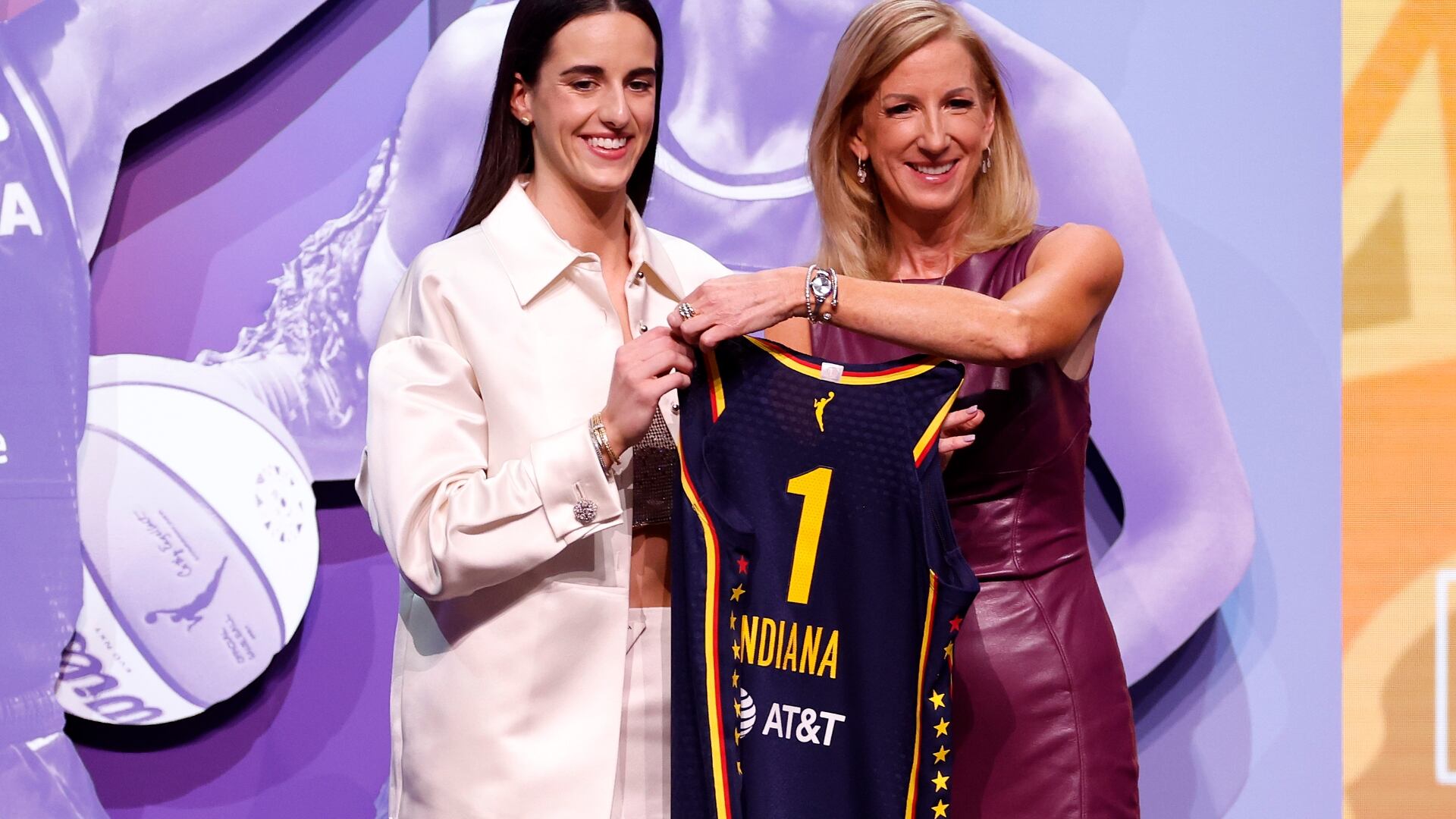
Caitlin Clark is heading to the Indiana Fever, the number one draft pick and the highest-scoring college basketball player of all time. And while she may not be getting millions from the WNBA, there's a few ways she'll net compensation for her generational talents.