Waze Brings Beacon Tech to NYC to Clear Tunnel Congestion
*By Michael Teich*
Waze is rolling out its beacon technology in New York City to improve tunnel navigation and help drivers commute in and out of the Big Apple.
The company is teaming up with New York's MTA and the Port Authority of New York and New Jersey to install beacons in bridges and tunnels that are used to journey in and out of Manhattan. The launch follows installations in nine other cities around the world, including U.S. cities Chicago, Boston, and Pittsburgh.
"This allows us to basically locate the users inside the tunnels," said head of Waze Beacons Gil Disatnik in an interview on Cheddar Tuesday.
"With the beacons, we are to provide this continuous location throughout the tunnel."
Waze Beacons were invented in-house at Waze, and installations began in 2016. The technology brings navigation to drivers underground where GPS signal is lost. The microcontrollers, which transmit a Bluetooth signal delivering continuous underground coverage, have been added in the Lincoln Tunnel, Holland Tunnel, Queens-Midtown Tunnel, and Hugh L. Carey Tunnel. Waze said nearly 4 million people use its app in New York City, but it does not monetize the beacons.
"There's no financial stake for us in this. We don't make money selling beacons," Disatnik said. "For us, it's really all about making traffic smoother and better for everyone, Waze users and non-Waze users alike. This technology is open for everyone to use."
Google ($GOOGL) acquired Waze in 2013 for $966 million.
For full interview [click here](https://cheddar.com/videos/waze-rolls-out-new-tech-in-nyc-to-ease-traffic).
The video announcement Friday came after weeks of speculation spread on social media about her whereabouts and health since she was hospitalized in January for unspecified abdominal surgery.
Chip Giller, co-founder, and Amy Seidenwurm, Chief of Programs and Strategy at Agog: The Immersive Media Institute, discuss how the organization uses the virtual world to make real change.
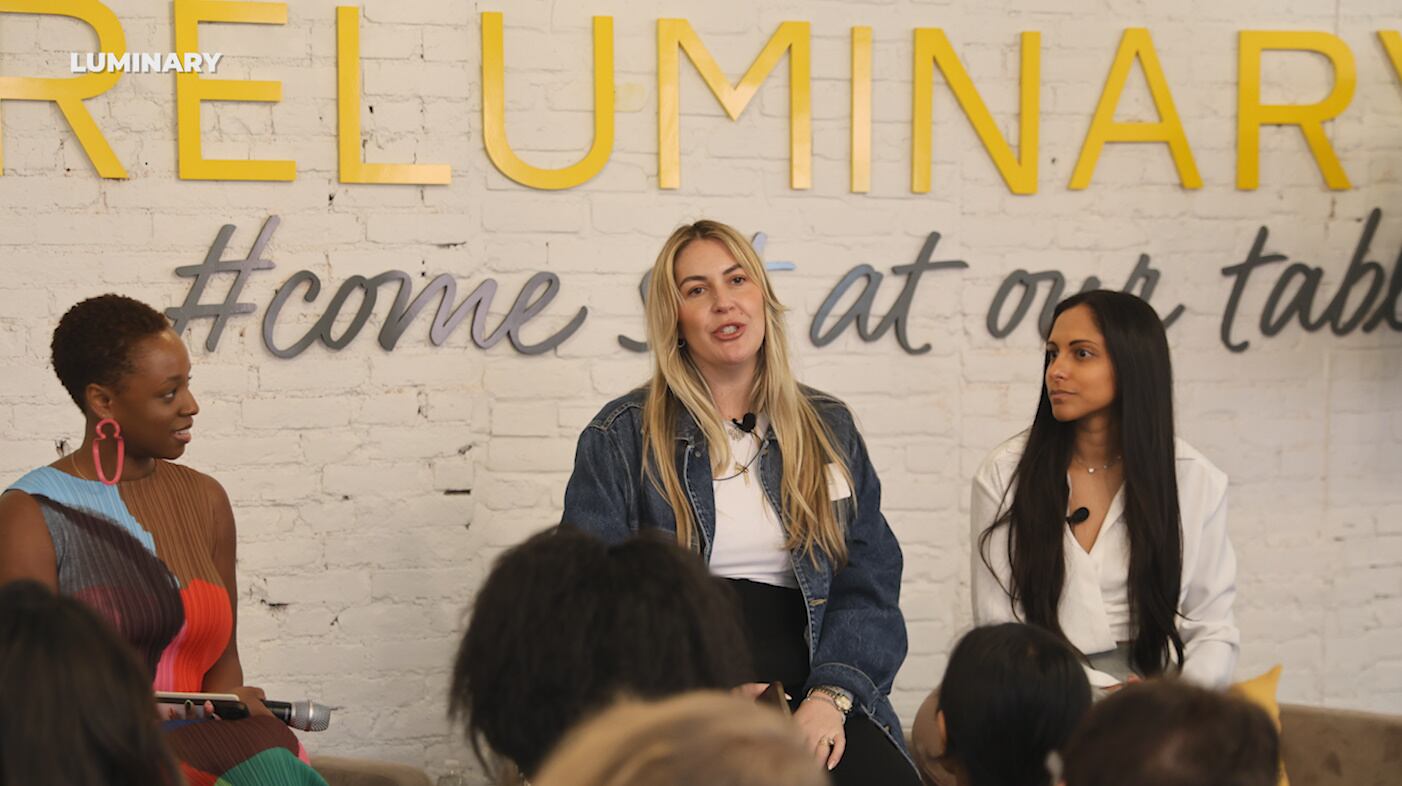
Luminary founder and CEO Cate Luzio shares some of the company’s latest Women’s History Month events and why there’s so much to celebrate about women in the workplace.
WSJ reporter Ray Smith breaks down why more companies are offering ‘dry’ promotions – a responsibility or title bump with no pay raise – and the pros and cons of accepting them.
Apple says a Justice Department antitrust lawsuit accusing it of engineering an illegal monopoly in smartphones in the U.S. is “wrong on the facts and the law.”
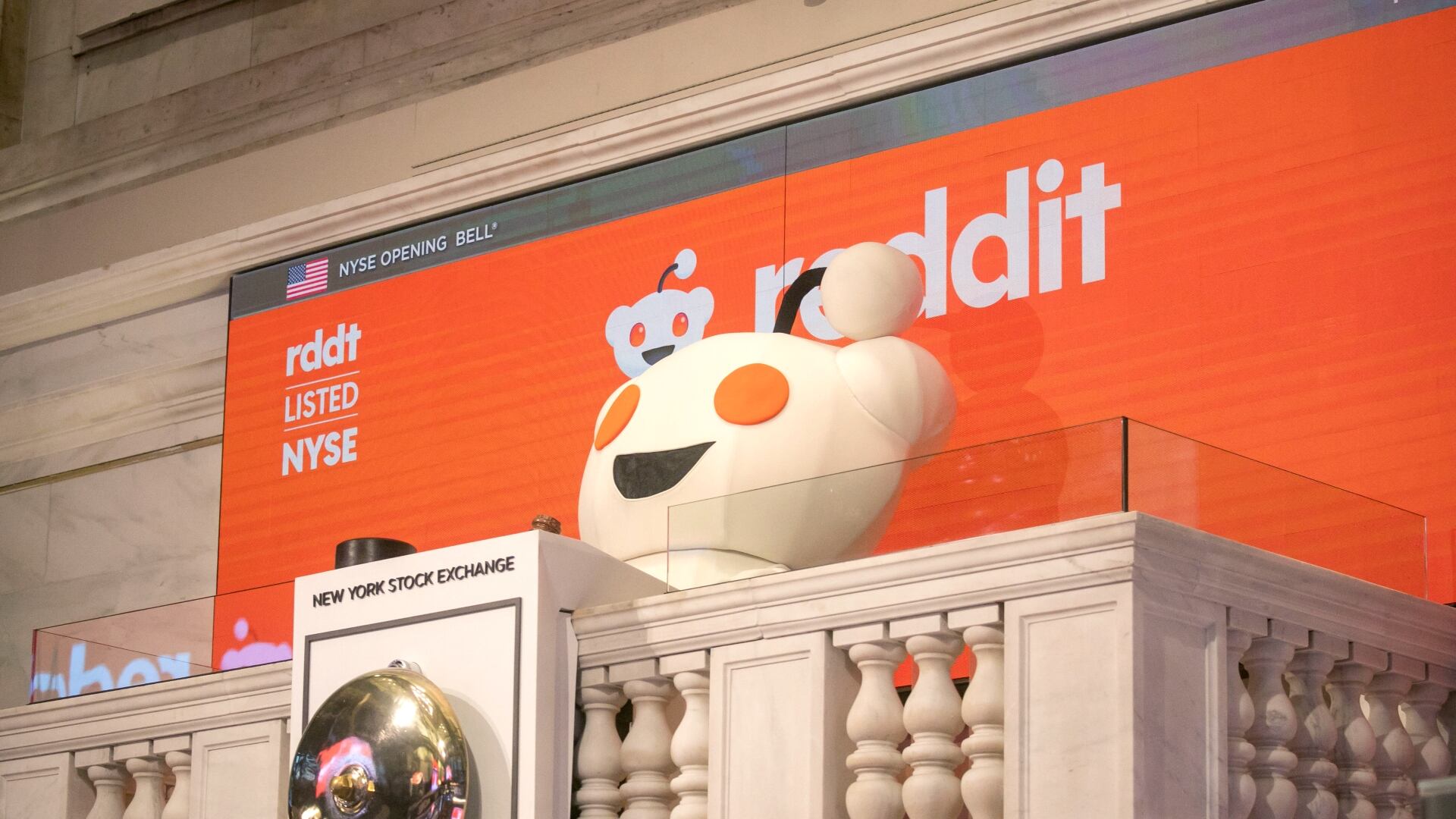
As Reddit shares begin trading at the NYSE, ‘Einstein of Wall Street’ Peter Tuchman breaks down the social platform’s debut and what it means for the overall IPO market in 2024.
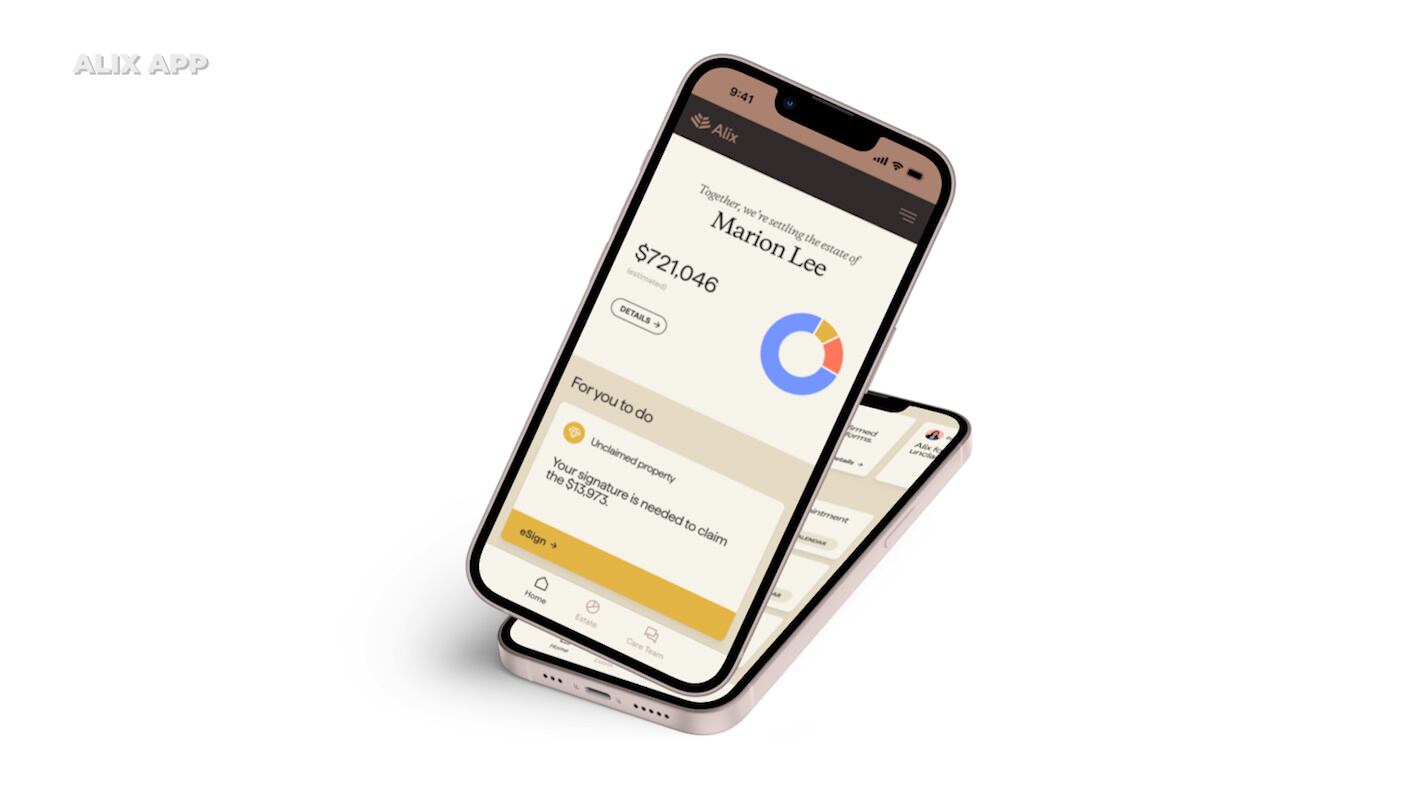
CEO and co-founder of Alix, Alexandra Mysoor, discusses why it’s so important for everyone, regardless of income, to both plan and settle their estates.
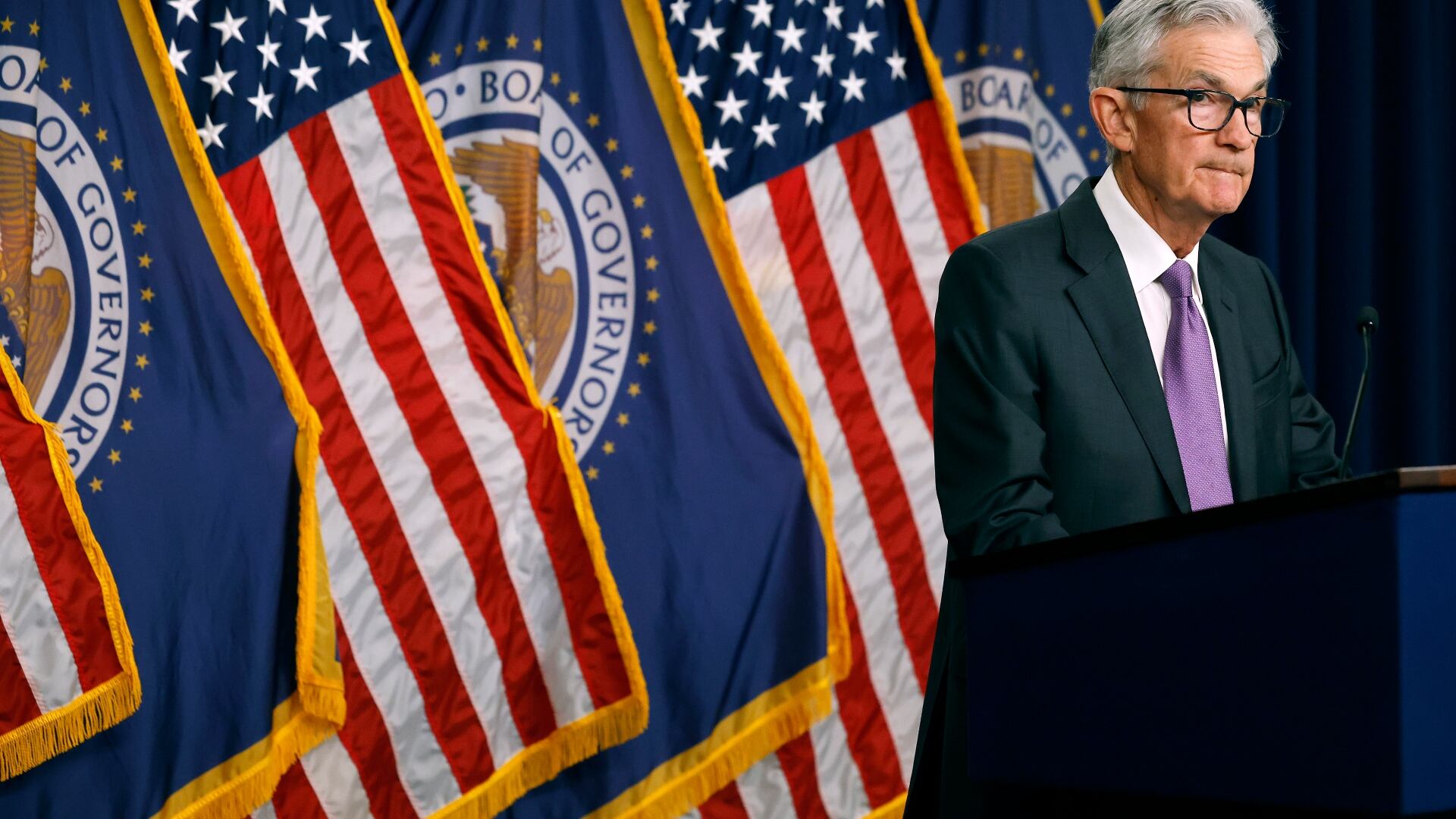
After the Fed forecast three cuts to come in 2024, Kevin D. Mahn, President and CIO at Hennion & Walsh Asset Management breaks down why the market looks strong, and he sees some reasons for concern in Reddit’s choice to IPO.