It's all about the groceries.
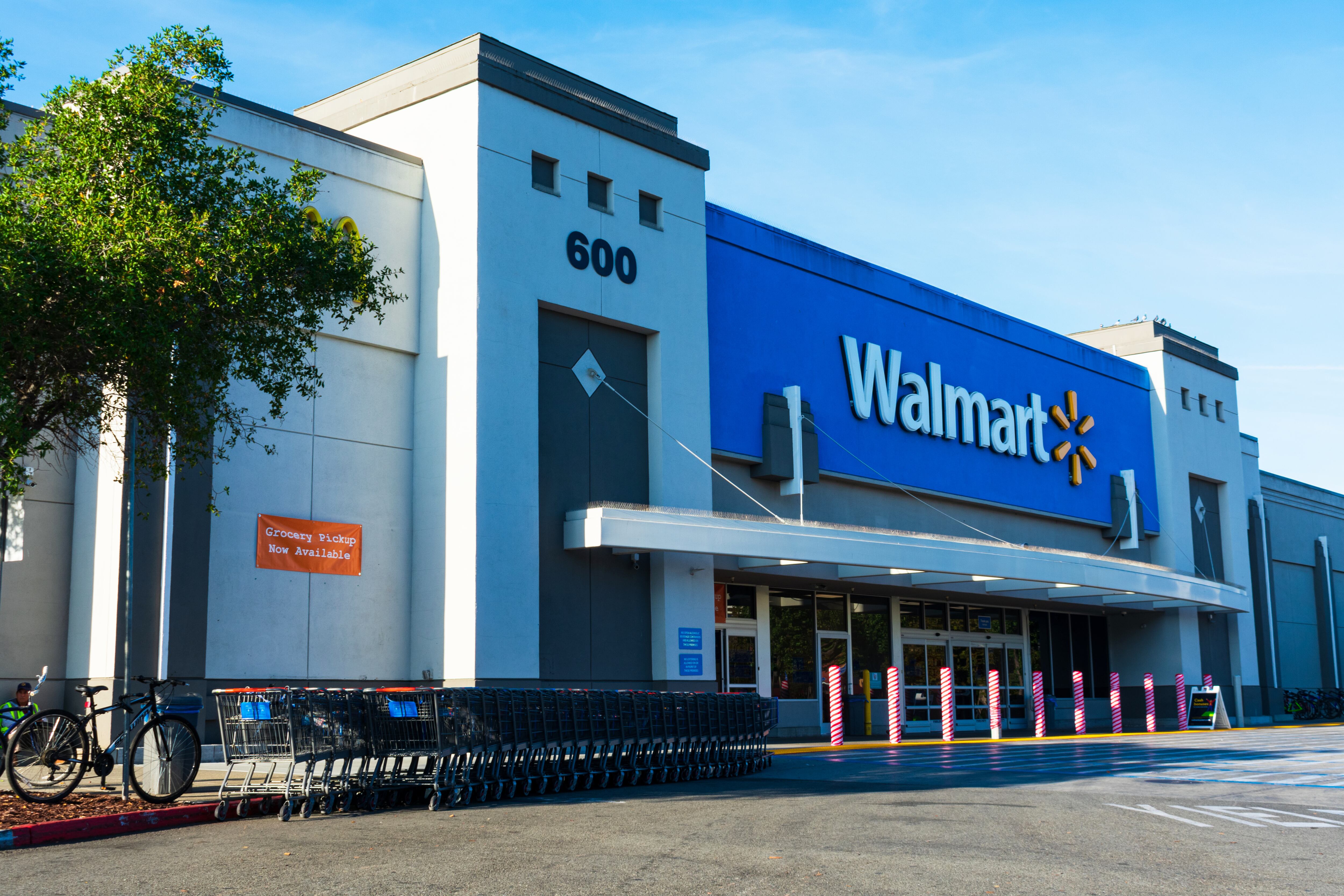
Walmart shares hit fresh 52-week highs Thursday morning after the retailer beat earnings expectations thanks, in large part, to a booming e-commerce and grocery delivery business.
Online sales jumped 41 percent in the most recent quarter with the important same-store-sales metric rising by over 3 percent.
Adjusted earnings per share were $1.16, above the consensus forecast of $1.09.
In a conference call with investors, Walmart CEO Doug McMillon praised the company's employees for driving its continued transformation into an e-commerce giant. "Our associates are responding to change in an inspiring way and we're proud of them," he said.
Even President Trump congratulated the big-box retailer on its beat (and managed to get in a dig at the Fed Chair in the same breath).
Walmart has been investing heavily in its online infrastructure to better compete with Amazon, and groceries have been a cornerstone of that investment. The largest grocer in the U.S., grocery sales make up the majority of Walmart's domestic revenue stream. More than 3,000 Walmart locations now offer customers the option to order groceries online and pick them up in store; nearly half of those offer home grocery delivery. Still, only a tiny fraction of Americans do their food shopping online, offering Walmart and others a huge potential for growth.
McMillon noted that the company's recent strength ー four years and counting of quarterly gains ー has been "driven by food," but said it needs to make even greater progress in its e-commerce offerings, which is a segment still dominated by Amazon and in which Walmart faces additional competition from the likes of Target. A major test of both Walmart and Target's online investments is fast approaching with the holiday shopping season. Both of those companies are offering faster free delivery options and curbside pick-up, a growing segment of e-commerce that is especially attractive for last-minute shoppers.