Wal-Mart is raising minimum wage to $11 and dishing out a one-time bonus for employees, citing the Trump Tax Reform plan. Karen Short, Managing Director at Barclays, was with us to discuss the ramifications of the decision.
Short estimates that Wal-Mart could generate $4 billion in incremental free cash flow due to the tax reform, and adds that the wage hike is just of portion of the allocation. The analyst says that the "strong will get stronger" and other retailers will have to follow Wal-Mart's lead.
Tax reform narrows the advantage Amazon has over traditional retailers such as Wal-Mart, says Short. She says Wal-Mart has an advantage over Amazon because it is the largest grocer with low prices. Short also adds that the stigma surrounding Wal-Mart products has dissipated and is no longer a "turnoff" to millennials because the products have gotten better.
Stocks fell in the opening session Tuesday as earnings reports continued to pour in and as investors brace for the Federal Reserve's interest-rate decision on Wednesday.
A flow of recent data from the U.S. government has made one thing strikingly clear: A surge in consumer spending is fueling strong growth, demonstrating a resilience that has confounded economists, Federal Reserve officials and even the sour sentiments that Americans themselves have expressed in opinion polls.
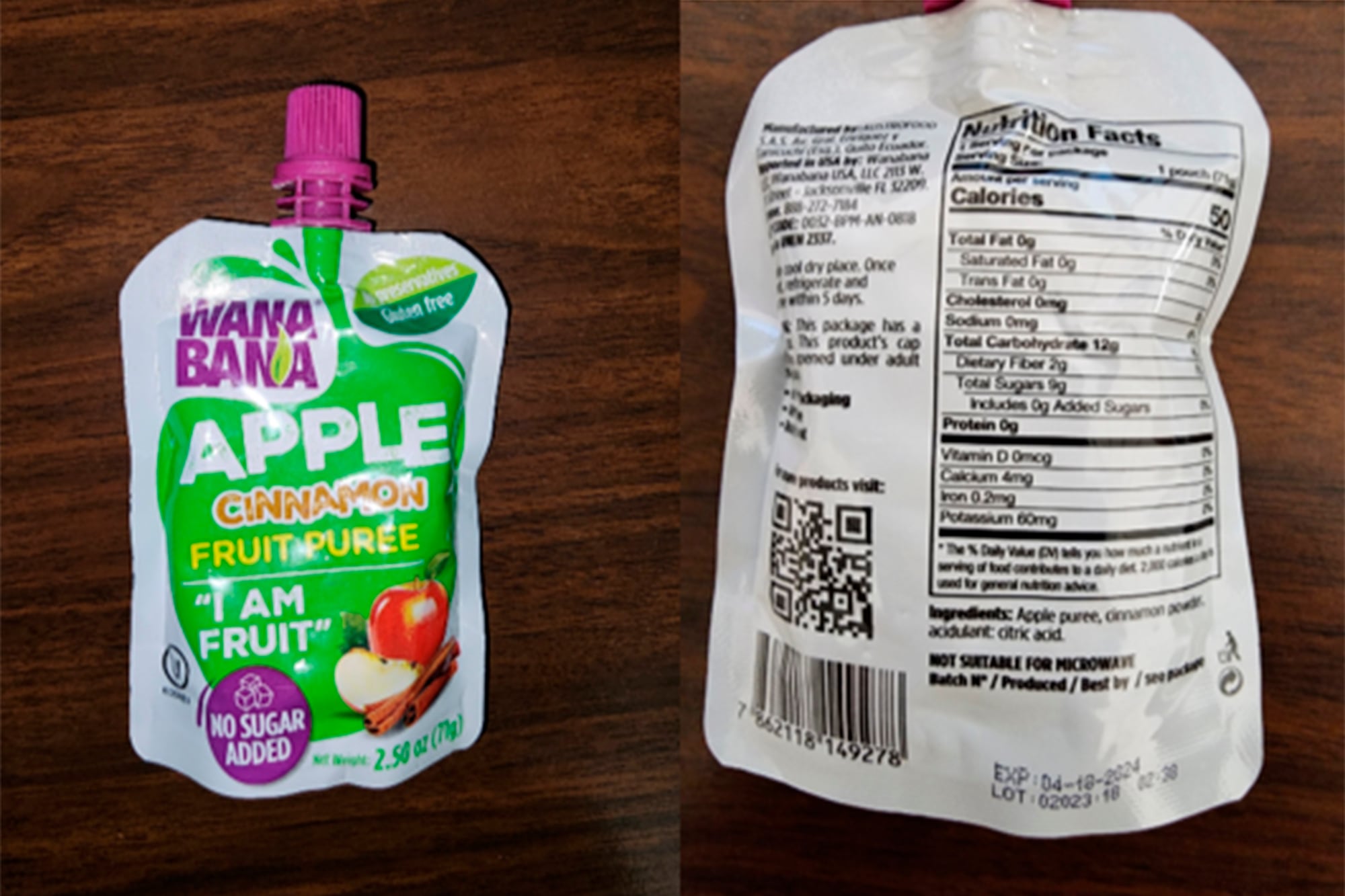
The U.S. Food and Drug Administration is warning parents and caregivers not to buy or serve certain pureed fruit pouches marketed to toddlers and young children because the food might contain dangerous levels of lead.