WASHINGTON (AP) — Americans’ view of the U.S. economy improved this month, but Americans remain concerned about the impact of tariffs on their economic futures.
The Conference Board said Tuesday that its consumer confidence index rose two points to 97.2 in July, up from 95.2 the previous month.
The increase in confidence was in line with analysts’ forecasts.
In April, American consumers’ confidence in the economy sank to its lowest reading since May 2020, largely due to anxiety over the impact of President Donald Trump’s tariffs.
A measure of Americans’ short-term expectations for their income, business conditions and the job market rose 4.5 points to 74.4, however that’s still well below 80, the marker that can signal a recession ahead.
Consumers’ assessments of their current economic situation inched down by 1.5 points to 131.5.
Americans’ view of the U.S. economy declined modestly in August as anxiety over a weakening job market grew for the eighth straight month. The Conference Board said Tuesday that its consumer confidence index ticked down by1.3 points to 97.4 in August, down from July’s 98.7, but in the same narrow range of the past three months. A measure of Americans’ short-term expectations for their income, business conditions and the job market fell by 1.2 points to 74.8, remaining significantly below 80, the marker that can signal a recession ahead. Consumers’ assessments of their current economic situation also fell modestly, to 131.2 in August from 132.8 in July.
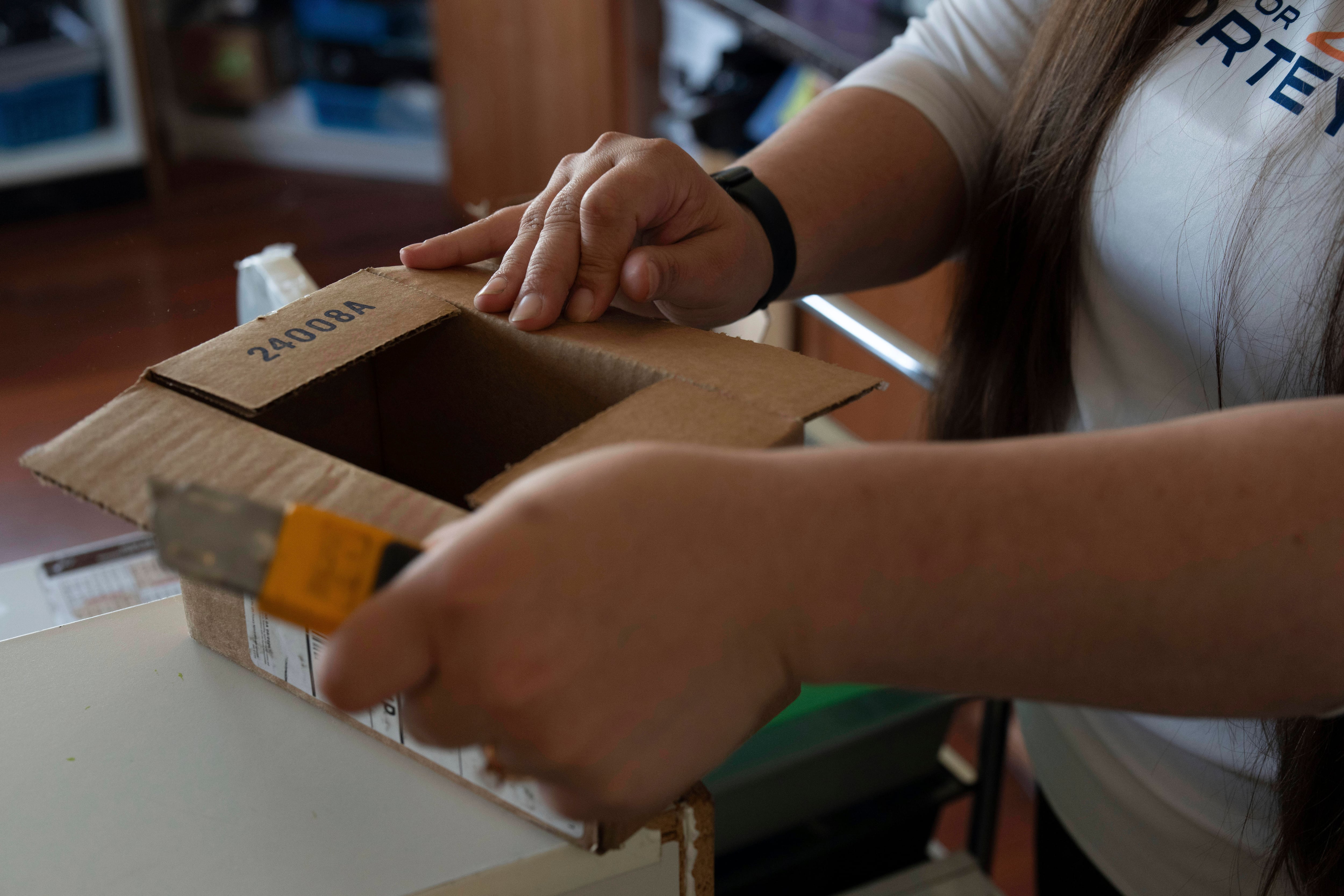
Low-value imports are losing their duty-free status in the U.S. this week as part of President Donald Trump's agenda for making the nation less dependent on foreign goods. A widely used customs exemption for international shipments worth $800 or less is set to end starting on Friday. Trump already ended the “de minimis” rule for inexpensive items sent from China and Hong Kong, but having to pay import taxes on small parcels from everywhere else likely will be a big change for some small businesses and online shoppers. Purchases that previously entered the U.S. without needing to clear customs will be subject to the origin country’s tariff rate, which can range from 10% to 50%.
Wall Street is rallying after the head of the Federal Reserve hinted cuts to interest rates may be coming, though he gave no clear clue about when.
Federal Reserve governor Lisa Cook late Wednesday said she wouldn’t leave her post after Trump on social media called on her to resign over an accusation from one his officials that she committed mortgage fraud.
Berkshire Hathaway revealed four new investments Thursday in steelmaker Nucor, insurer UnitedHealth and two of the nation’s biggest homebuilders.
Shoppers spent at a healthy pace in July, particularly at the nation’s auto dealerships, as they appear to shrug off President Donald Trump’s tariffs, which are starting to take a toll on jobs and lead to some price increases.
The U.S. stock market is climbing toward records after data suggested inflation across the country was a touch better last month than economists expected.
Stocks are rising on Wall Street, keeping the market on track for its third weekly gain in the last four and possibly more record highs. The S&P 500 was up 0.8% in afternoon trading Friday. The Dow Jones Industrial Average added 243 points, or 0.6%, and the Nasdaq added 1% to the all-time high it set a day earlier. Expedia and Gilead Sciences both rose sharply after reporting results that easily beat analysts' forecasts. Both companies also raised their outlooks. Asian markets closed mostly lower except in Tokyo, where the Nikkei rose 1.9%. European markets were mixed. Treasury yields were higher.
Millions of Americans saving for retirement through 401(k) accounts could have the option of putting their money in higher-risk private equity and cryptocurrency investments.
Wall Street is rising, led by a rally for Apple. The S&P 500 climbed 0.7% Wednesday.