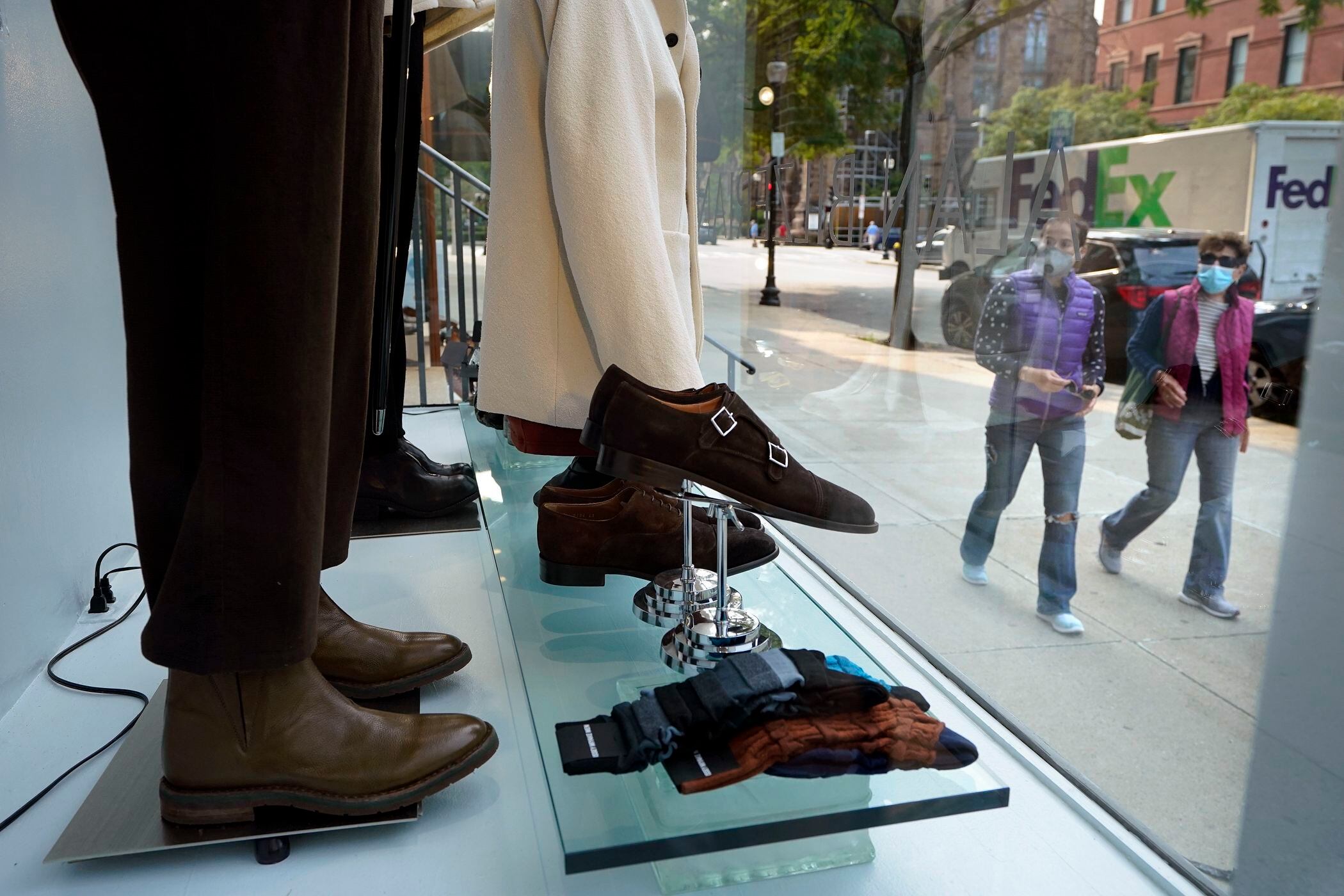
In this Tuesday, Sept. 15, 2020, file photo, passers-by examine a storefront window in Boston's fashionable Newbury Street shopping district. U.S. consumer confidence dipped slightly in October as a new wave of coronavirus cases began across the country. The Conference Board reported Tuesday, Oct. 27, 2020, that its consumer confidence index fell to a reading of 100.9, from 101.8 in September. (AP Photo/Steven Senne)
By Martin Crutsinger
U.S. consumer confidence fell to a reading of 96.1 in November as rising coronavirus cases pushed American optimism down to the lowest level since August.
The November reading released Tuesday by the Conference Board said represents a drop from a revised 101.4 in October. The decline reflected a big drop in consumer expectations for income, business, and labor market conditions.
The consumer confidence index is set on a scale with 100 equaling the confidence level in 1985.
In the leadup to the pandemic with the country enjoying unemployment at a half-century low of 3.9%, the confidence index had risen above 130. It stood at 132.6 in February but plunged to 85.7 in April as millions of Americans lost their jobs after the country went into lockdown to try to halt the spread of the pandemic.
The index has bounced around since its big April decline but remains well below the levels reached before the pandemic hit.
Damage from the Los Angeles inferno is setting records—and it's not over. Plus, rate-cut drama, the battle over Greenland, and Zuckerberg bends the knee.
Watch Duty CEO, John Mills, talks to Cheddar about how the app works, how it helps people in real time and how people can donate to help those affected.
JP Richardson, CEO at Exodus, discusses bringing Exodus public, his thoughts on the future of crypto markets, and tips to take the first steps into the space.
Jonathan Alter, journalist and author, discusses Trump's threats to take back the Panama Canal, unraveling foreign policy work done by Jimmy Carter in 1978.
Curious as to what your latest streaming bundle will look like? Find out what the future of media looks like from Ken Leon, Research Director, at CFRA. Watch!
Nathan Bomey, Reporter at Axios, discusses where Tesla stands, Musk's relationship with the incoming president and expectations for Tesla throughout 2025.
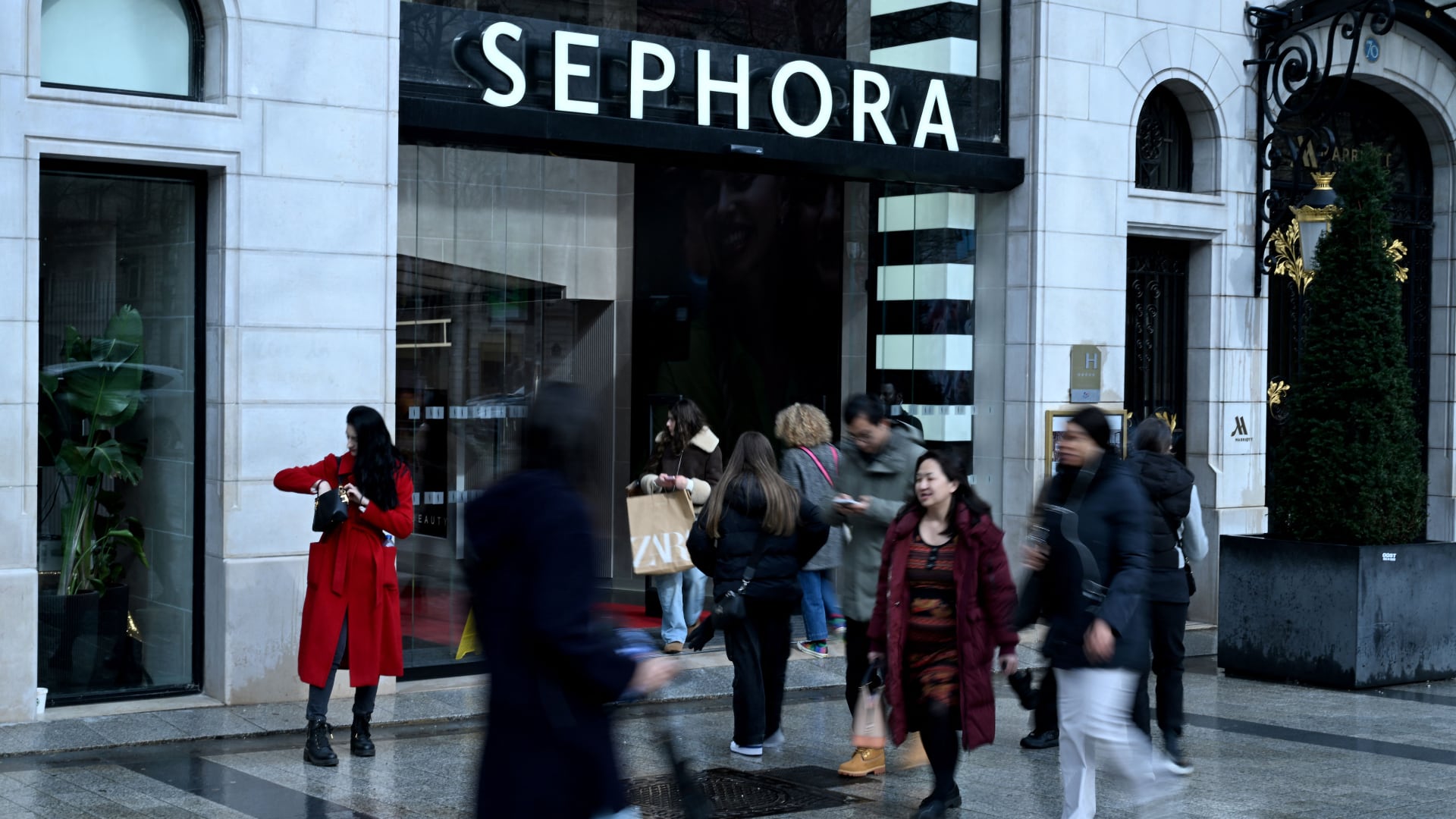
Senior Writer at Fast Company, Elizabeth Segran, discusses how Sephora has become the dominant beauty retailer and why brands want to sell there. Watch!