By Martin Crutsinger
U.S. consumer confidence fell to a reading of 96.1 in November as rising coronavirus cases pushed American optimism down to the lowest level since August.
The November reading released Tuesday by the Conference Board said represents a drop from a revised 101.4 in October. The decline reflected a big drop in consumer expectations for income, business, and labor market conditions.
The consumer confidence index is set on a scale with 100 equaling the confidence level in 1985.
In the leadup to the pandemic with the country enjoying unemployment at a half-century low of 3.9%, the confidence index had risen above 130. It stood at 132.6 in February but plunged to 85.7 in April as millions of Americans lost their jobs after the country went into lockdown to try to halt the spread of the pandemic.
The index has bounced around since its big April decline but remains well below the levels reached before the pandemic hit.
Big Business This Week is a guided tour through the biggest market stories of the week, from winning stocks to brutal dips to the facts and forecasts generating buzz on Wall Street.
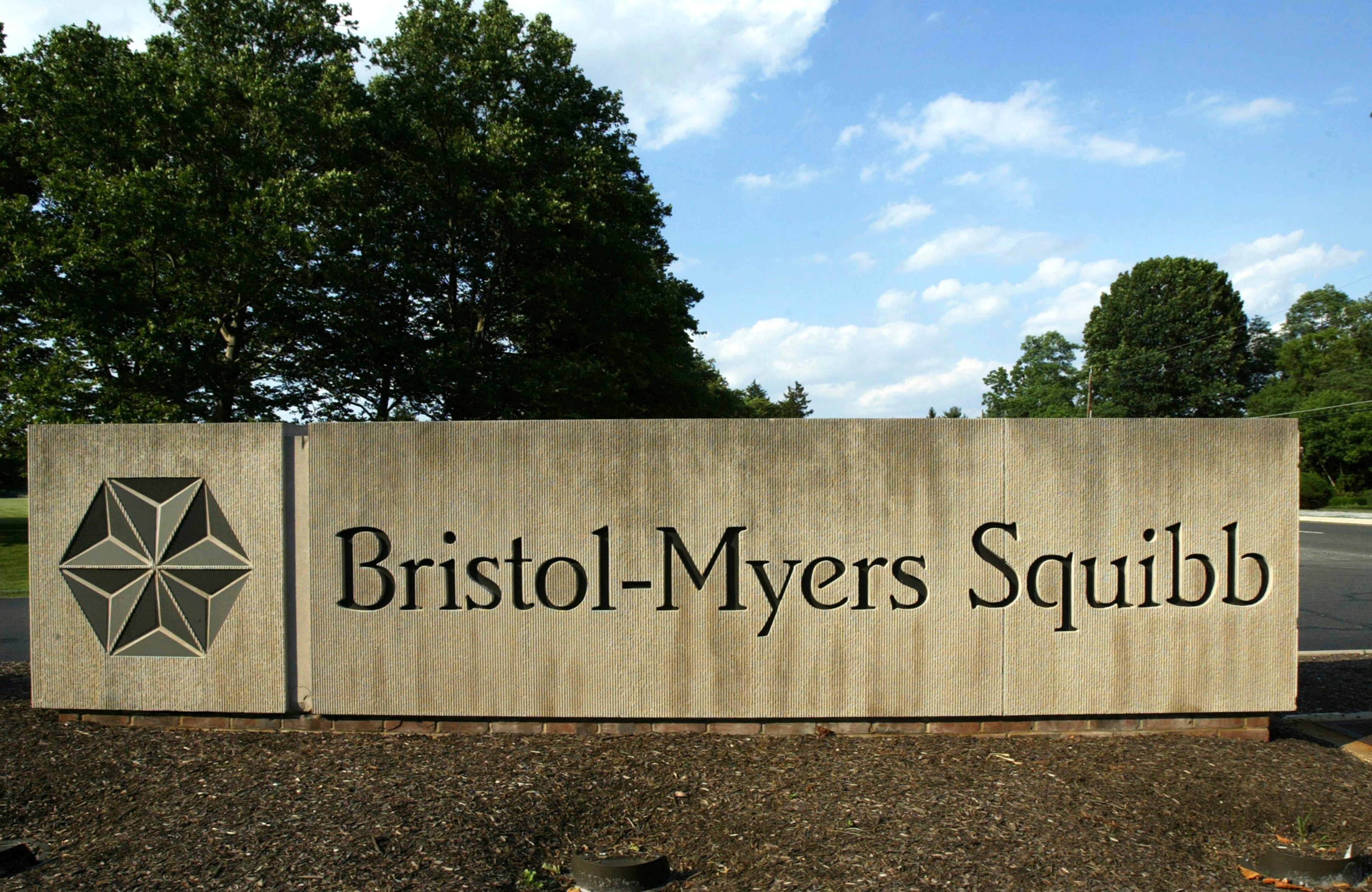
Bristol Myers Squibb agreed to buy schizophrenia drug maker Karuna Therapeutics in a $14 billion deal.
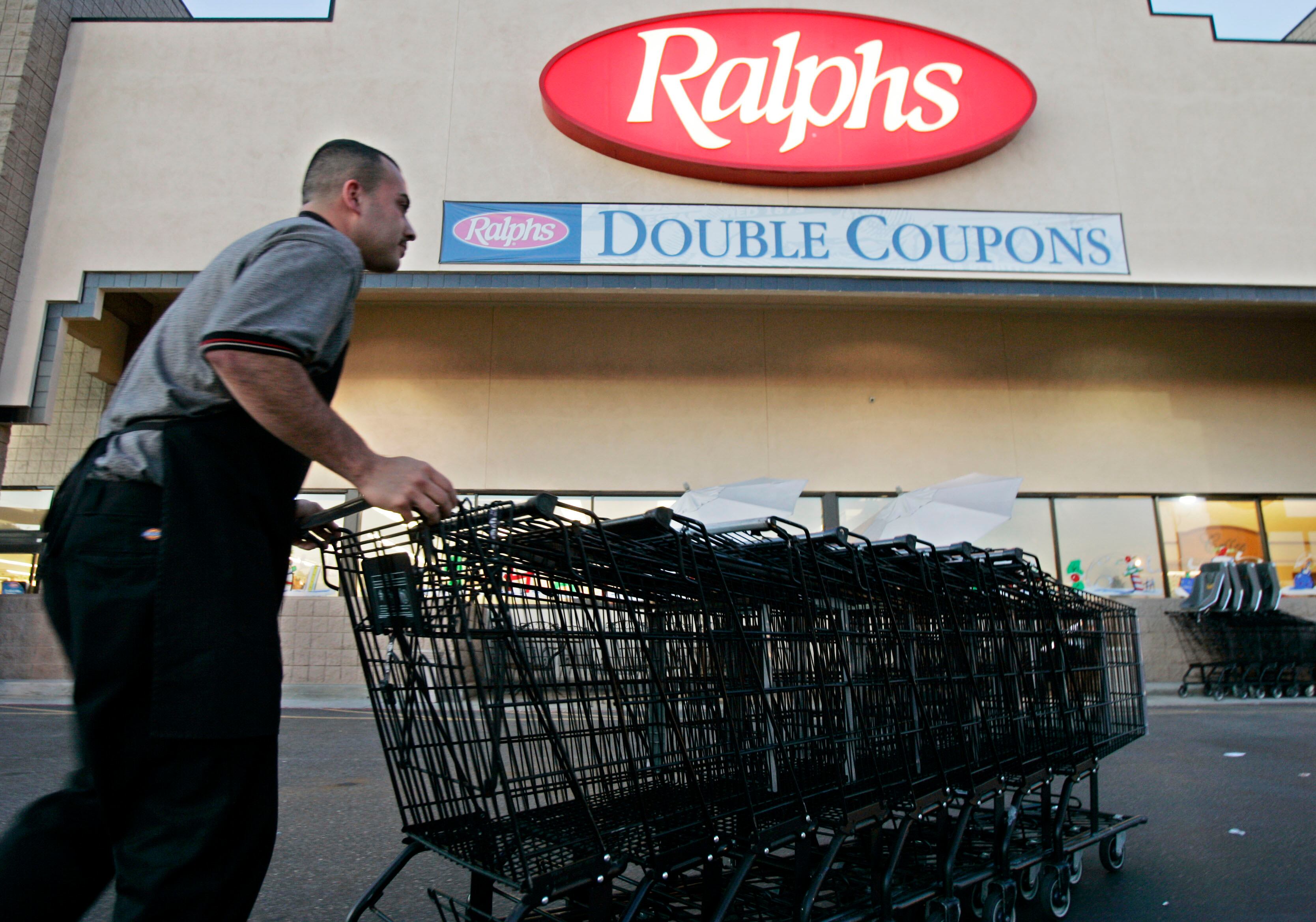
Supermarket chain Ralphs is facing a new lawsuit from the state of California.
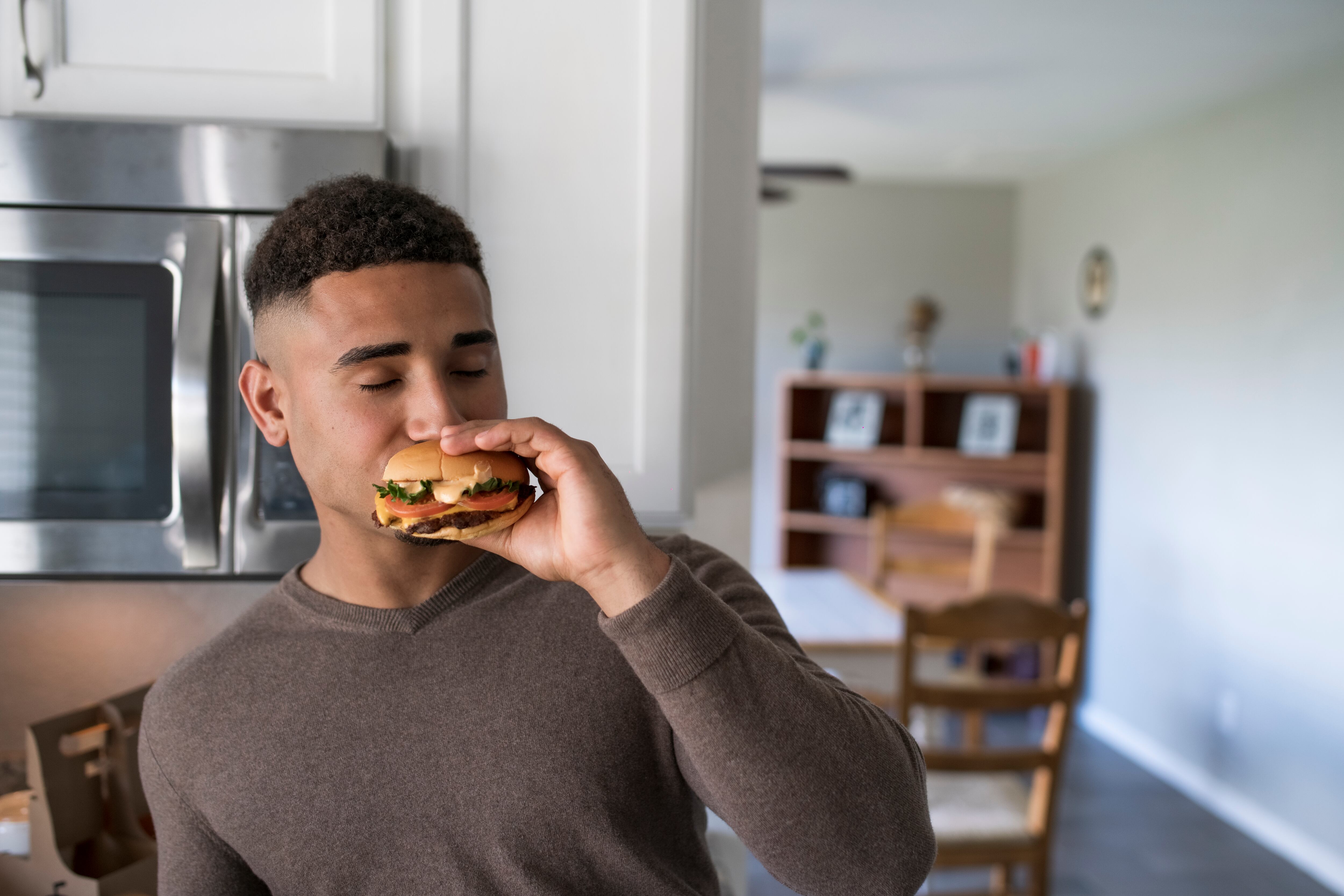
Shake Shack is giving out free fried chicken sandwiches, bacon cheese fries and milkshakes nationwide.
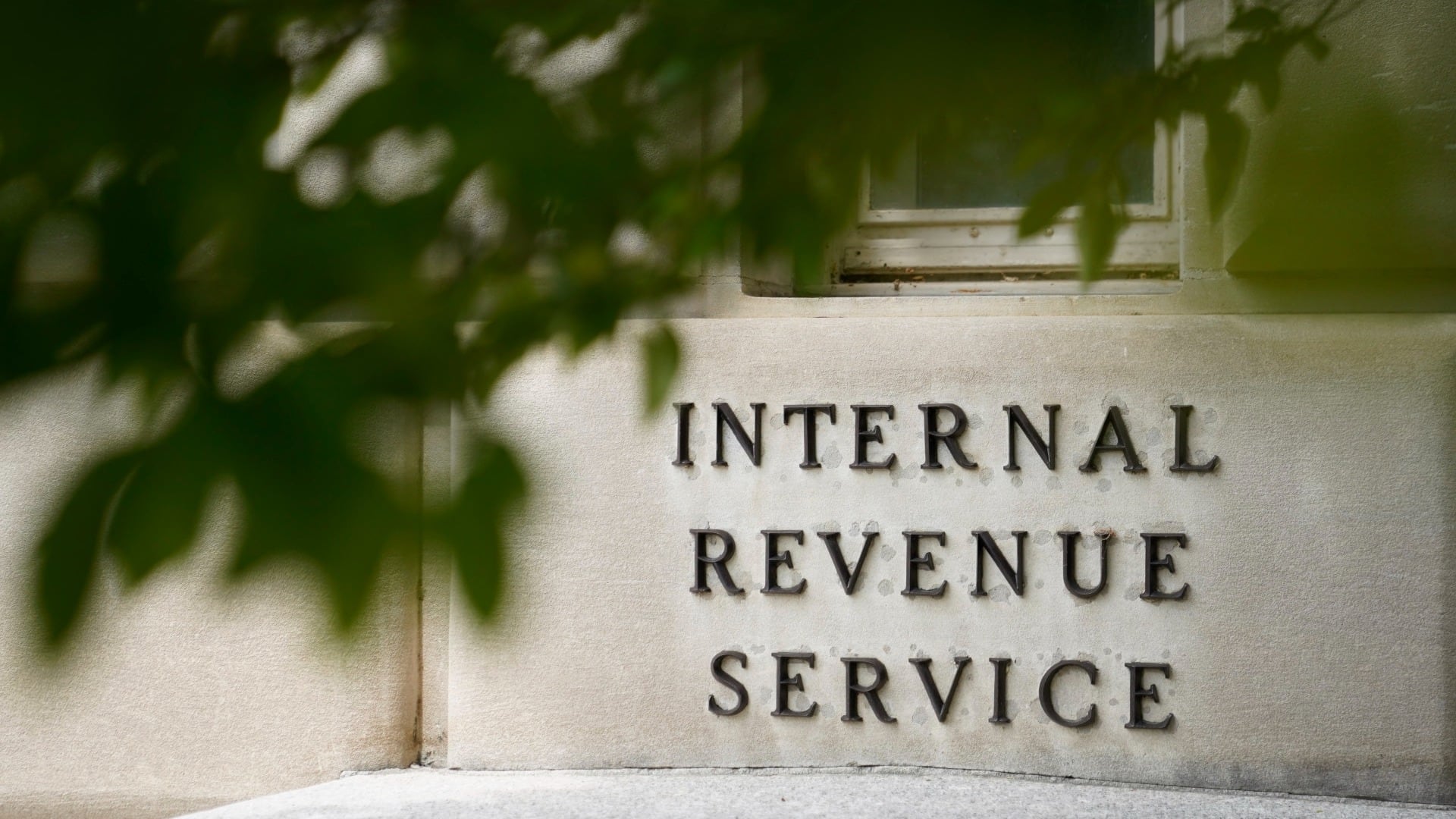
The IRS is announcing a voluntary disclosure program.
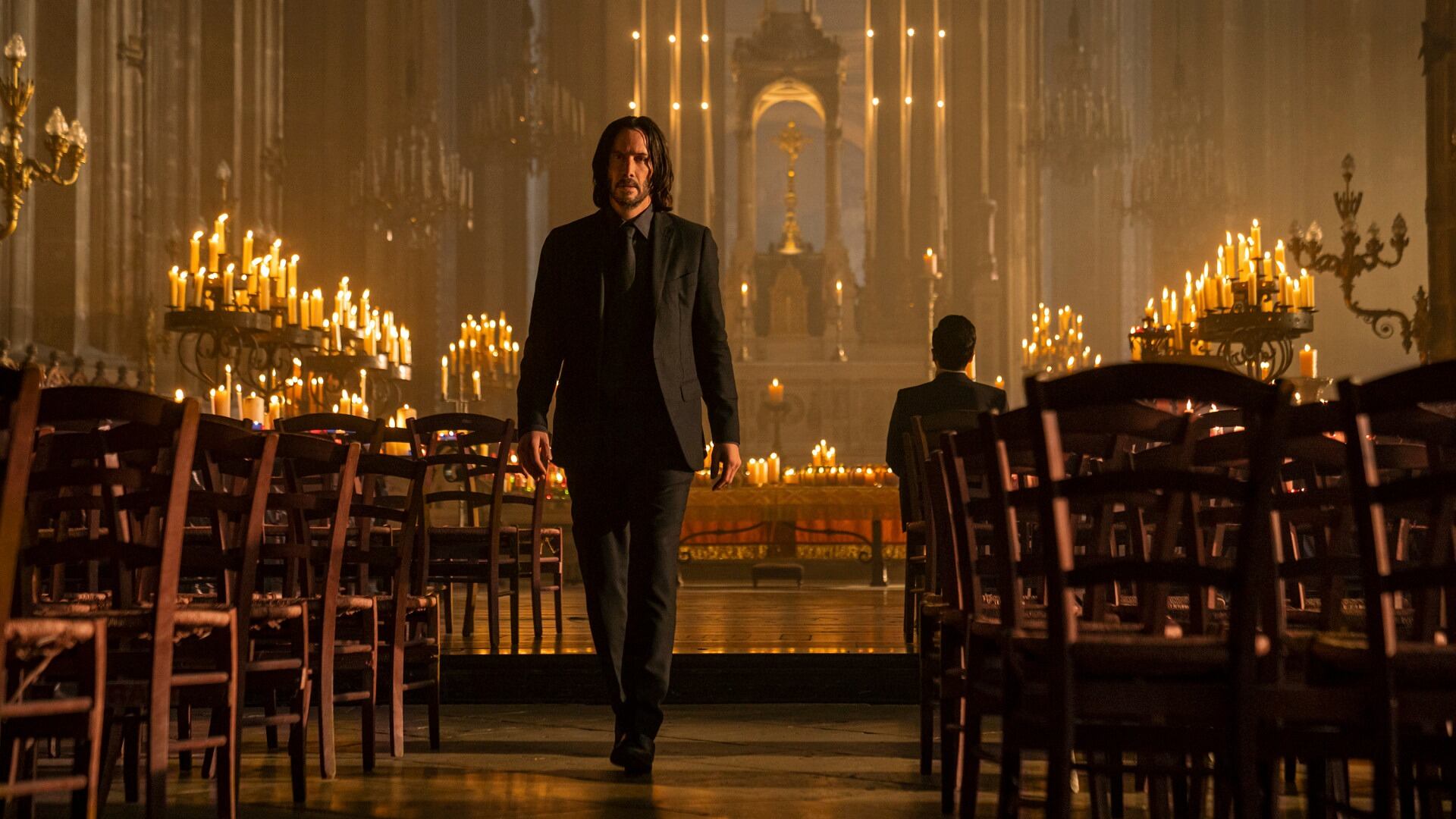
Lionsgate announced its studio division is going to spin off in a merger with Screaming Eagle Acquisition Corp., which is a special purpose acquisition company.
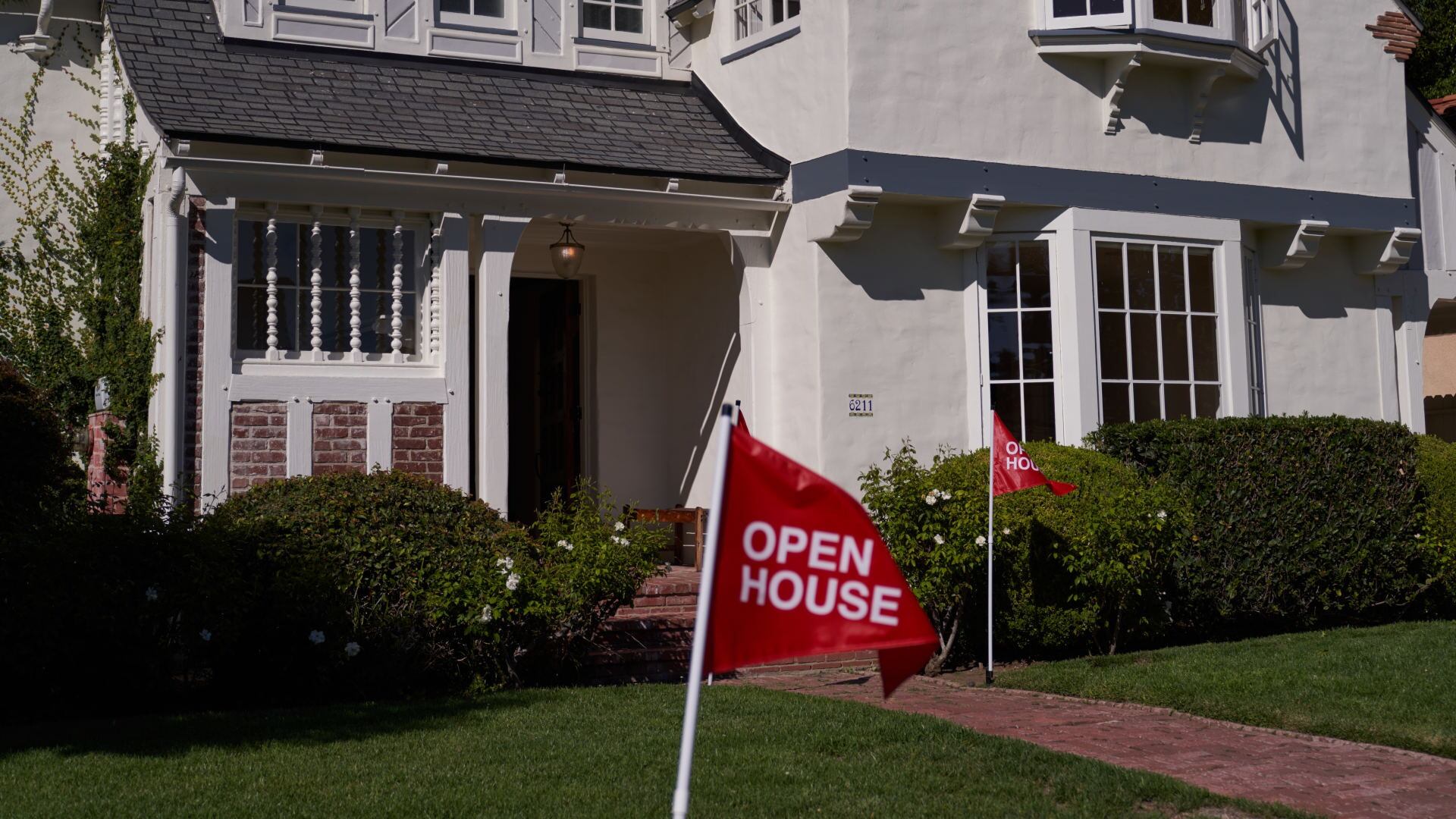
A new report suggests that it's getting more difficult for an average American to afford a home.
The Food and Drug Administration warned consumers about a copycat version of the diabetes drug Ozempic.
Tesla is reportedly moving forward with its plan to make energy shortage storage batteries in China.
Wells Fargo employees at a branch in New Mexico have voted to unionize.