UPS is spending $450 million to expand its fleet of natural gas vehicles making deliveries.
"We've been at this for decades, so this additional 6,000 vehicles rose our existing fleet of 10,000 vehicles to be one of the largest in the transportation industry," Mike Whitlatch, vice president of global energy and procurement at UPS, told Cheddar Wednesday.
Whitlatch says this investment could lead to a much cleaner future for the company.
"I think the real story here is that natural gas provides us a bridge or a pathway to use renewable natural gas (RNG) or biomethane, which offers significant emissions benefits over conventional fossil fuels."
Biomethane is created from organic matter found in landfills or wastewater treatment plants.
"This is a seamless integration," Whitlatch said. "We can take RNG from these sources throughout the United States, or wherever it's at in the world, we can integrate it within existing pipeline systems, we can move it from point A to point B, and seamlessly compress it and place it into our existing fleet today."
Whitlatch says UPS continues to look for ways to strive for a clean future, including its fleet of hybrid and electric vehicles.
"It's an all-in approach to figure out how we can lessen our impact on the planet."
Jay Woods of Freedom Capital Markets shares thoughts on how the latest inflation report will impact the market, and why he expects a ‘cascade’ of IPOs if Reddit’s public debut goes well.
During AT&T's widespread outage Thursday, landline phones were a working alternative — which most of the U.S. does not have. Over half of Americans are estimated to have ditched landlines altogether.
Jade Kearney Dube, Founder & CEO of She Matters talks the Symptom Tracker app, cultural competency for healthcare providers, and being a Black woman CEO looking for funding.
Ahead of April’s planned BitCoin halving, Bitfarms CEO Geoff Morphy shares why he thinks the crypto rally will continue, plus why you’ll see a broader adoption of clean energy for mining.
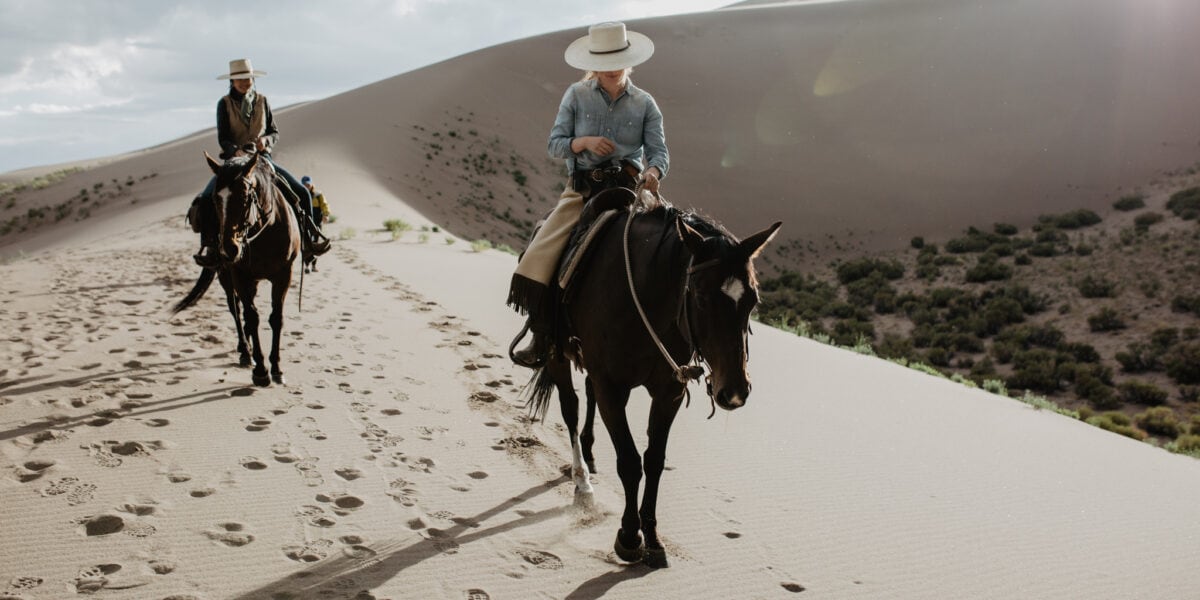
Did you know there's a big difference between a dude ranch and a working cattle ranch? Check out the new generation of ranches, and live out your cowboy dreams.
Lara Rhame, FS Investments chief U.S. economist, discusses the recent market highs, how the job market is in a ‘good place,’ and why rates staying higher for longer might not be a bad thing.