By Ronald Blum
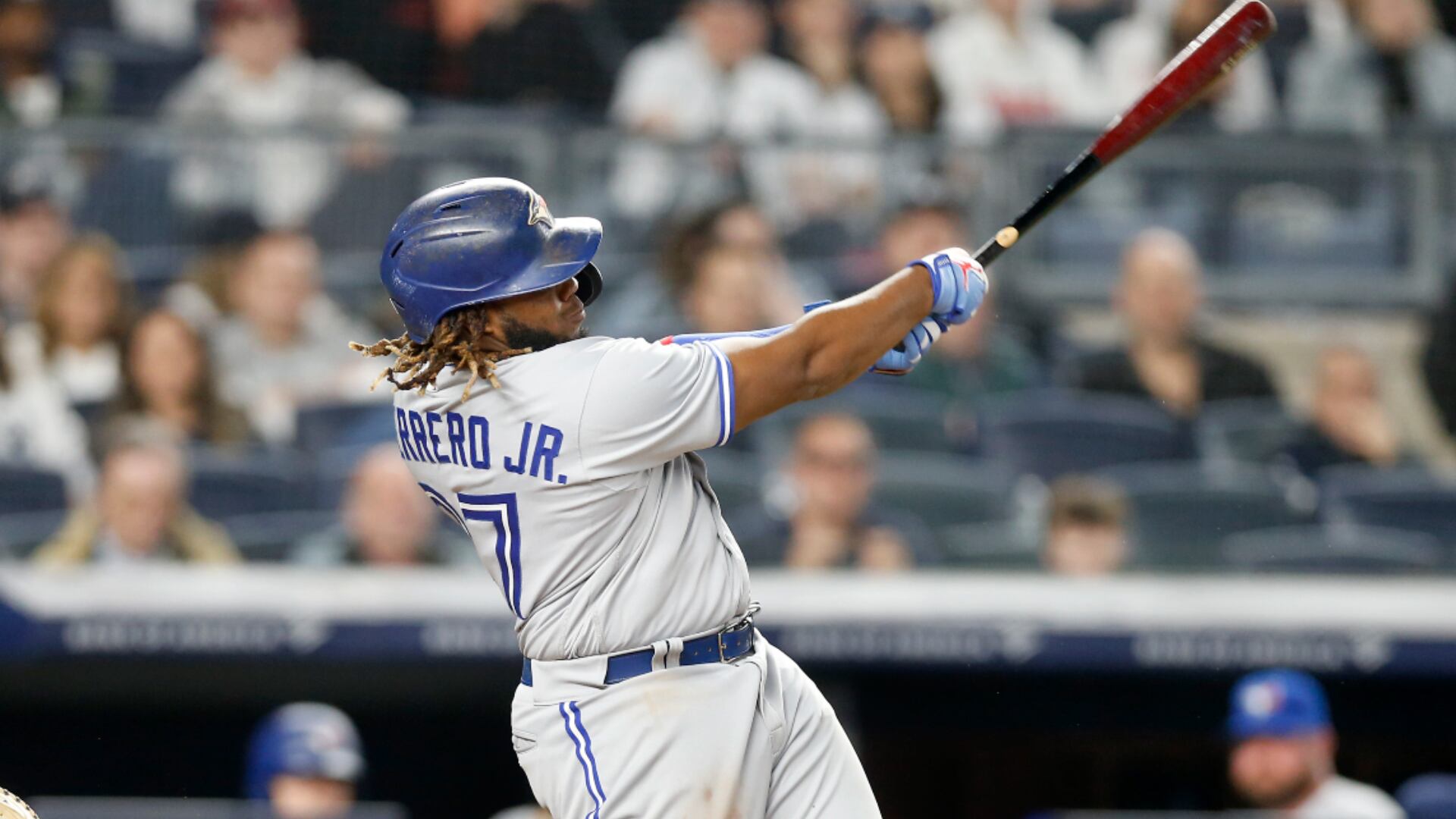
Major League Baseball has canceled opening day, with Commissioner Rob Manfred announcing Tuesday the sport will lose regular-season games over a labor dispute for the first time in 27 years after acrimonious lockout talks collapsed in the hours before management’s deadline.
After the sides made progress during 13 negotiating sessions over 16 1/2 hours Monday, the league send the players' association a “best and final offer” Tuesday on the ninth straight day of negotiations.
Players rejected that offer, setting the stage for MLB to follow through on its threat to cancel opening day on March 31.
At 5 p.m., Manfred issued a statement that many fans had been dreading: Nothing to look forward to on opening day, normally a spring standard of renewal for fans throughout the nation and some in Canada, too.
The ninth work stoppage in baseball history will be the fourth that causes regular season games to be canceled, leaving Fenway Park and Dodger Stadium as quiet in next month as Joker Marchant Stadium and Camelback Park have been during the third straight disrupted spring training.
THIS IS A BREAKING NEWS UPDATE. AP’s earlier story follows below.
Players have rejected Major League Baseball’s “best and final offer” to end the sport's lockout before the league’s deadline to avoid canceled games.
MLB made its last offer about 90 minutes before a self-imposed 5 p.m. deadline Tuesday. The league has threatened to cancel opening day on March 31 without a deal by then.
Commissioner Rob Manfred was expected to speak around 5 p.m. about the situation.
The union convened a call of its player representatives after receiving MLB’s offer. Players have repeatedly cautioned that significant differences remained in key economic areas, and MLB’s proposal did not close that gap in their eyes.
Baseball is now on the precipice of losing regular season games to a work stoppage for the first time since 1995.
The sides made progress during 16 1/2 hours of bargaining Monday, then exchanged new offers Tuesday.
— MLB proposed raising the luxury tax threshold from $210 million to $220 million in each of the next three seasons, $224 million in 2025 and $230 in 2026 — unchanged from its prior offer. Players asked for $238 million this year, $244 million in 2023, $250 million in 2024, $256 million in 2025 and $263 in 2026.
— MLB increased its offer for a new bonus pool for pre-arbitration players from $25 million to $30 million, and the union dropped from $115 million to $85 million for this year, with $5 million yearly increases.
— MLB proposed raising the minimum salary from $570,500 to $700,000 this year, up from its previous offer of $675,000, and included increases of $10,000 annually. The union asked for $725,000 this year, $745,000 in 2023, $765,000 in 2024 and increases for 2025 and 2026 based on the Consumer Price Index for Urban Wage Earners.
— MLB offered to have the five top picks in the amateur draft determined by a lottery.
— MLB would expand the postseason to 12 teams, the figure the union prefers to management's original request for 14.
“We thought there was a path to a deal last night and that both sides were closing in on the major issues,” an MLB official said before the last offer was transmitted to the union, speaking on the condition he not be identified by name. "They couldn't make us a CBT proposal (competitive balance tax) last night, so we agreed to extend the deadline to exhaust every option.
“The MLBPA had a decidedly different tone today and made proposals inconsistent with the prior discussions. We will be making our best offer before the 5 p.m. deadline.”
Mets star pitcher Max Scherzer and free-agent reliever Andrew Miller were present for talks, the ninth straight day of bargaining and the 90th day of the lockout.
Manfred had said Monday was the last possible day to reach an agreement that would allow the minimum time needed for spring training in order to play openers as scheduled on March 31.
The union said it didn’t necessarily agree to the timeframe.
The sides agreed Monday, subject to an overall deal, to expand the postseason from 10 to 12 teams, rather than the 14 MLB had hoped for.
The union believed there was an understanding on luxury tax rates, which management had been proposing to substantially steepen while eliminating higher penalties for recidivist high spenders.
Players’ latest proposals contemplated giving up on expanding salary arbitration from the top 22% to 35% by service time of the players with at least two seasons of service and less than three, but only if MLB agreed to other union proposals.
Players would lose $20.5 million in salary for each day of the season that is canceled, according to a study by The Associated Press, and the 30 teams would lose large sums that are harder to pin down.
Spring training games were to have begun Saturday, but baseball’s ninth work stoppage — and first since 1995 — already has led to exhibitions being canceled through March 7.
Not since Aug. 30, 2002, had MLB come this close to losing regular-season games to labor strife. The union was set to strike at 3:20 p.m., but roughly 25 consecutive hours of meetings and caucuses culminated in an agreement at 11:45 a.m.
___
AP freelancer Mark Didtler contributed from Tampa, Fla.
Updated on March 1, 2022, at 5:18 p.m. ET with Manfred announcing the cancellation of opening day.